
Feelings Coloring Page and Printables: Mindful Tools for Homeschool SEL Curriculum
Helping children recognize emotions and express feelings is one of the most impactful gifts a parent or educator can give. With simple tools like feelings coloring pages and printables, you can introduce social-emotional learning (SEL) in an engaging, low-pressure way that fits easily into a homeschool routine. This article explains how to use feelings printables as part of a homeschool SEL curriculum, offers dozens of mindful activities and lesson ideas, and gives ready-to-use resources and printable suggestions to foster emotional awareness and calm learning activities for kids.

What You’ll Learn
- Why feelings coloring pages and printables are effective SEL tools
- How to structure a homeschool SEL curriculum using printables
- Mindfulness for kids: activities and breathing exercises paired with coloring
- Practical lesson plans, printable templates, and progression by age
- Assessment ideas, tracking emotional growth, and family engagement
- Recommended internal and external resources to deepen learning
- Safe expression: Coloring is nonverbal and soothing, giving children a low-stakes way to explore emotions.
- Vocabulary building: Emotion charts and word banks on printables increase emotional literacy.
- Mind-body connection: Paired breathing or progressive muscle relaxation with coloring reinforces regulation strategies.
- Repeatable practice: Printables allow for repeated exposure—critical for habit formation.
- Assessment-friendly: Teachers and parents can track progress using reflection sheets and emotion journals.
- Recognize and label basic and complex emotions.
- Understand physical sensations that accompany emotions.
- Use at least three strategies for calming and self-regulation.
- Practice expressing feelings in words and creative forms (drawing, writing, role-play).
- Demonstrate empathy and perspective-taking in simple scenarios.
- Warm-up (5 minutes): Check-in with a feelings wheel or simple emoji chart printable.
- Instruction (10 minutes): Introduce a new emotion or coping skill with a short discussion or story.
- Activity (15–20 minutes): Use a feelings coloring page, matching game, or role-play printable.
- Mindfulness and reflection (5–10 minutes): Guided breathing and a reflection prompt or journal sheet.
- Preschool: Bold faces with labels (happy, sad, angry, surprised).
- Early elementary: Scenes showing coping opportunities (a child taking deep breaths, asking for help).
- Upper elementary: Emotion mandalas and reflective prompts to color while thinking about times they felt that way.
- Use for quick check-ins and to expand emotional vocabulary.
- Printable suggestion: A laminated wheel with a movable arrow for daily mood tracking.
- Use as end-of-week reflection or after-stress debrief.
- Include space for drawing and lists of coping strategies.
- Keep a set in a calm-down basket or on a ring for on-demand regulation help.
- Use with puppets, dolls, or peers to practice responses and perspective-taking.
- Breathing Buddies: Child lies down with a small toy on their belly and watches it rise and fall while coloring calmly.
- Five Senses Check: While coloring, pause and name 5 things you can see, 4 you can touch, 3 you can hear, 2 you can smell, 1 you can taste.
- Color-and-Breath Sequence: Choose a color for an emotion. Inhale for 4 counts while tracing an outline, exhale for 4 counts while filling it in.
- Create a calm environment—soft lighting, minimal distractions.
- Choose appropriate materials: thick paper, washable crayons, or gel pens for older kids.
- Model mindfulness—narrate your breathing and noticing process while coloring together.
- Objective: Recognize and label four basic emotions.
- Materials: Basic faces coloring page, feelings wheel, emotion stickers.
- Steps:
- Warm-up: Sing a short feelings song and use the feelings wheel for a quick check-in.
- Introduce: Show the faces coloring page and name each emotion. Have children mimic faces.
- Activity: Children color each face and add a sticker to their favorite emotion.
- Mindfulness: Take three deep belly breaths with a breathing buddy.
- Reflection: Ask, “When do you feel happy? Sad? Angry? Surprised?”
- Objective: Identify physical sensations tied to emotions.
- Materials: Body outline printable, feelings coloring page, emotion word bank.
- Steps:
- Warm-up: Quick mood check with emotion chart.
- Discuss: Talk about how anger might feel like a fast heart or tight fists.
- Activity: Color the body map—use colors to mark where they feel different emotions.
- Mindfulness: Guided grounding exercise—5-4-3-2-1 sensory check.
- Reflection: Kids write or draw a time when their body told them they were upset and what helped calm them.
- Objective: Build personalized strategies for emotional regulation.
- Materials: Calm Down Cards, mandala coloring pages, emotion journal.
- Steps:
- Warm-up: Group check-in using a feelings wheel with synonyms for complex emotions.
- Teach: Introduce a regulation strategy (box breathing) and explain the science briefly.
- Activity: Color a mandala while practicing box breathing. Create two new calm down cards.
- Mindfulness: 7-minute guided visualization focusing on a safe place.
- Reflection: Journal entry: Which strategies worked? When might you use them?
- Weekly Mood Chart: Laminated printable with stickers for daily moods.
- Emotion Vocabulary Checklist: Track new words the child uses independently.
- Regulation Strategy Log: Note which strategies were used and their effectiveness (child-rated).
- Portfolios: Keep a binder of completed coloring pages, journal entries, and reflection prompts.
- Increased ability to name emotions accurately.
- Shorter time to self-regulate using learned strategies.
- Greater willingness to share feelings in words or drawings.
- More empathetic responses in role-play or sibling interactions.
- Morning check-in with a feelings wheel before starting lessons.
- Calm-down basket in a common area with strategy cards and coloring pages.
- Weekly family reflection night using emotion journals and a “gratitude and growth” printable.
- CDC: Helping Children Cope With Emergencies — guidance on supporting children’s emotional health
- CASEL — research and framework for social-emotional learning
- American Psychological Association: Mindfulness for Children — evidence-based resources
- Anchor text: “homeschool curriculum ideas” — link to your site’s homeschool resources page
- Anchor text: “SEL lesson plans” — link to a related lesson plan collection
- Anchor text: “printable worksheets” — link to a downloads or resources page
- CASEL overview page for SEL frameworks (open in new window)
- Research studies on mindfulness for children from APA or peer-reviewed journals
- Parenting resources from government health sites (CDC)
- Offer high-contrast black-and-white printables for easy printing and better visibility.
- Provide large-print and simplified versions for younger children or those with visual processing differences.
- Include image alt text and descriptive filenames (e.g., feelings-coloring-page-basic-faces.pdf).
- Laminate frequently used printables like feelings wheels for durability.
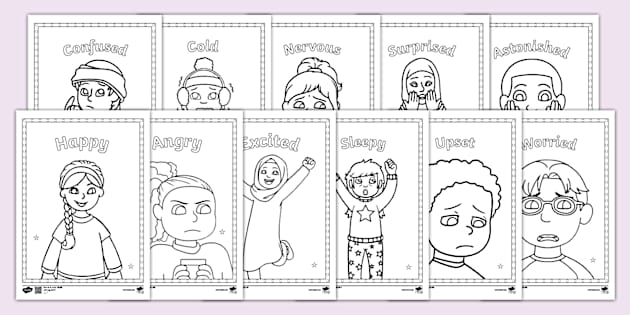
Why Feelings Coloring Pages and Printables Work for Emotional Awareness
Visual, tactile activities like coloring tap into multiple learning pathways—visual, kinesthetic, and emotional—making feelings more tangible and less abstract for children. Printables provide a consistent way to practice emotional vocabulary, body-awareness, and regulation techniques. They are inexpensive, customizable, and easy to integrate into short daily or weekly SEL sessions, which is ideal for homeschool families balancing multiple commitments.

Key Benefits
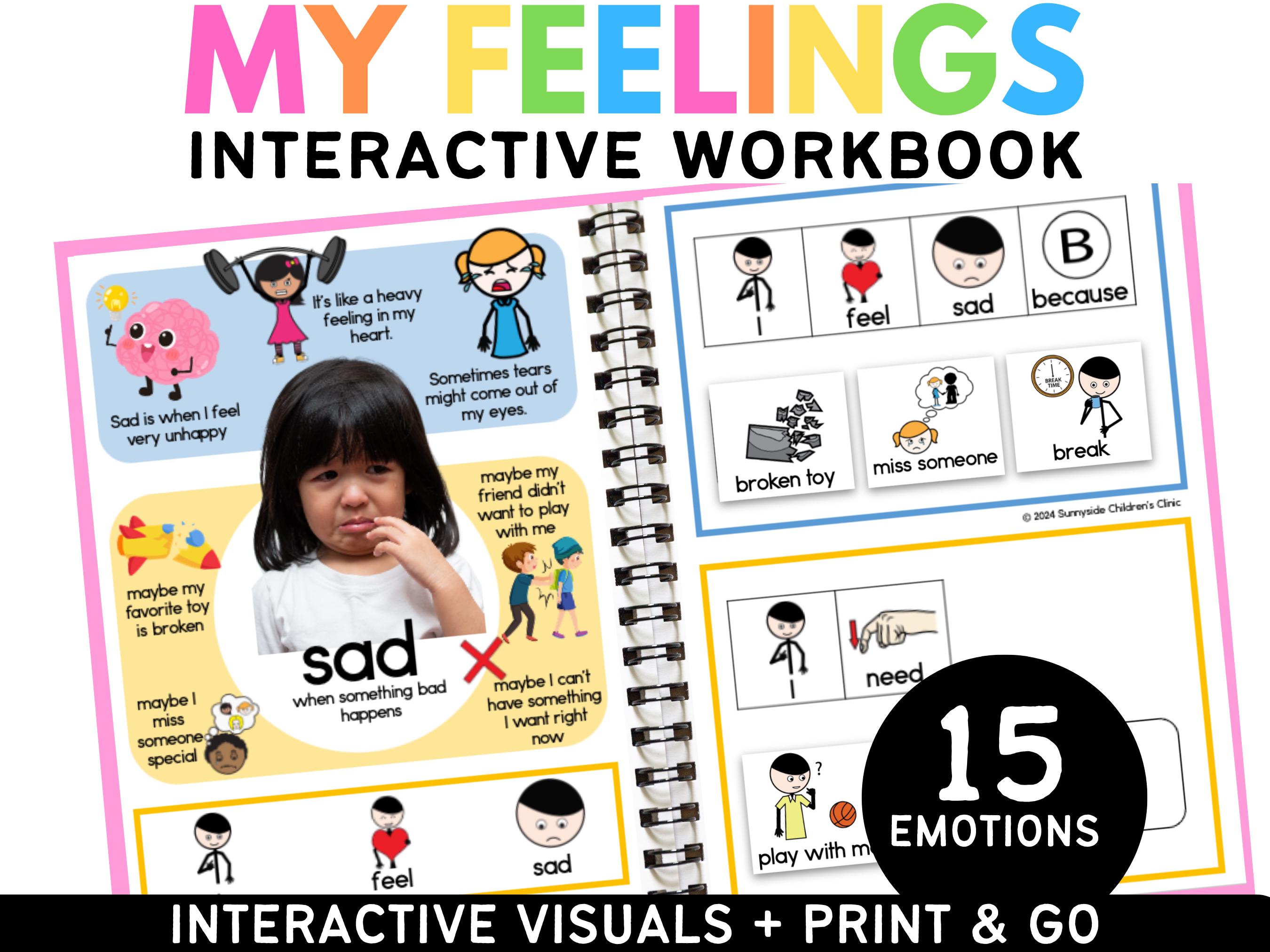
Designing a Homeschool SEL Curriculum with Feelings Printables
A homeschool SEL curriculum built around feelings coloring pages and printables should be intentional, scaffolded, and flexible. Below is a practical framework you can adapt for preschool through elementary-aged children.

Curriculum Goals (Sample)
Weekly Structure (30–45 minutes/session)
Printable Types and How to Use Them
Below are printable formats, what each teaches, and how to use them across age groups.
Feelings Coloring Pages
Simple facial expressions, situational scenes (e.g., playground, classroom), and abstract emotion mandalas.
Feelings Wheel and Emotion Charts
Circles segmented into emotion families (joy, sadness, anger, fear, surprise, disgust) with synonyms.
Emotion Journal Pages
Prompts such as: What happened? How did you feel? What did your body feel like? What helped?
Calm Down Cards and Strategy Strips
Small cards with single strategies (5-count breathing, squeeze-release, safe place visualization).
Role-Play Scripts and Social Stories
Printable scripts for common social scenarios—sharing, disappointment, asking for help.
Emotion Matching and Sorting Games
Cards with faces, words, or situations sorted by emotion; excellent for group learning and assessment.
Mindfulness for Kids: Pairing Activities with Coloring
Mindfulness helps children slow down and notice their internal experience. Pair coloring with short, child-friendly mindfulness practices to double the impact.
Short Mindfulness Routines (3–7 minutes)
Mindful Coloring Guidelines
Lessons and Activities: Ready-to-Use Sequences
Below are detailed lesson sequences you can use immediately, each built around a feelings coloring page or printable.
Lesson 1: Name It to Tame It (Ages 3–6)
Lesson 2: Body Clues and Emotion Mapping (Ages 6–9)
Lesson 3: Emotion Regulation Toolbox (Ages 9–12)
Progression and Assessment: Tracking Emotional Growth
Assessing SEL progress should be strengths-based and developmentally appropriate. Use printables to gather evidence over time without turning learning into testing.
Simple Assessment Tools
Qualitative Indicators of Growth
Family and Community Involvement
SEL is most effective when consistent across environments. Encourage caregivers and siblings to use the same printables and language to build a shared emotional vocabulary.
Home Routines with Printables
Printable Examples and Templates (Download Ideas)
Below are suggested printables to create or source. Each item includes alt text suggestions for accessibility and classroom/home placement ideas.
| Printable | Use | Image Alt Text |
|---|---|---|
| Basic Faces Coloring Page | Teach basic emotions | Line drawing of five cartoon faces showing happy, sad, angry, surprised, calm |
| Feelings Wheel | Daily check-ins and vocabulary building | Color wheel segmented into emotion families with labels |
| Body Map | Identify physical emotion cues | Blank child body outline to mark where emotions are felt |
| Emotion Journal Sheet | Reflective writing/drawing | Journal page with prompts: What happened? What did you feel? What helped? |
| Calm Down Cards | On-demand regulation strategies | Small cards with breathing, grounding, and movement tips |
| Mandala Coloring Pages | Mindful focus and regulation practice | Symmetrical mandala design for calm coloring |
Specific Examples & Mini Case Studies
Case Study 1: Preschool Homeschool — Rapid Vocabulary Growth
A homeschool family used a feelings wheel and basic faces coloring pages daily for six weeks with a 4-year-old. Results: the child moved from using “mad/sad” for all negative feelings to labeling “frustrated,” “embarrassed,” and “nervous.” The parent reported fewer tantrums because the child learned to say “I feel frustrated” and take three belly breaths.
Case Study 2: Elementary Classroom Adaptation
An elementary teacher incorporated mandala coloring and box-breathing into transitions. Students used calm down cards before tests and reported reduced test anxiety. The teacher tracked regulation strategy use and found increased independence on implementing strategies by week 8.
Science and Evidence Behind Coloring and Mindfulness for Emotional Awareness
Research shows that expressive activities like drawing and coloring can reduce physiological stress markers and improve mood. Mindfulness practices—when short and repeated—help children improve attention, reduce reactivity, and build self-awareness. Combining coloring with brief mindfulness exercises uses both the calming tactile input and the cognitive focus needed for emotional regulation.
Suggested external resources:
SEO and Linking Recommendations
Internal link suggestions:
External link suggestions:
Include keyword usage: “feelings coloring page and printables,” “homeschool SEL curriculum,” “mindfulness for kids,” “emotional awareness,” “calm learning activities,” “recognize emotions,” and “express feelings” throughout the article at natural 1–2% density. Use long-tail subheadings like “How to use feelings coloring pages in a homeschool SEL curriculum” and “Mindfulness coloring activities for kids to recognize emotions.”
Accessibility, Printing, and Classroom Tips
Frequently Asked Questions (SEO-Friendly)
How do feelings coloring pages help children recognize emotions?
Coloring pages make emotions concrete. Visual cues and labeled faces allow children to match an internal feeling to an external expression, improving recognition and vocabulary over time.
Can mindfulness coloring actually reduce anxiety in kids?
Yes—when paired with brief mindfulness practices, coloring can lower stress by focusing attention and providing a calming, rhythmic activity. Consistent short sessions are most effective.
What age is best to start an SEL curriculum using printables?
You can start as early as preschool with simple faces and emotion labels. The curriculum can be scaffolded through elementary years by adding body maps, emotion journals, and strategy toolboxes.
Call to Action
Start small: download or create one feelings coloring page and a feelings wheel this week. Use them during your next check-in and notice the difference in vocabulary and self-awareness. Sign up for a weekly newsletter to receive a new printable and a 10-minute lesson each week to build your homeschool SEL curriculum with ease.
Conclusion
Feelings coloring page and printables are powerful, low-cost tools for building emotional awareness, regulation, and expression in children. When integrated into a consistent homeschool SEL curriculum with short mindfulness practices and clear assessment methods, these activities promote calm learning, improved communication, and stronger emotional vocabulary. Start with one printable, practice regularly, and watch your child grow in their ability to recognize emotions and express feelings constructively.
Image alt text suggestions (for site


0 Comments