
Unlock Learning Fun: Coloring Pages, Printables, and Playful Math for Homeschoolers
Homeschooling offers a fantastic opportunity to tailor education to your child’s unique needs and interests. But let’s be honest, keeping things engaging and fun can sometimes feel like a challenge! Fear not, fellow homeschooling parents! This article is packed with creative ideas using coloring pages and printables to make homeschool math exciting, boost number recognition, foster problem-solving skills, and champion learning through play. Get ready to transform your math lessons into a colorful adventure!

Why Integrate Coloring Pages and Printables into Homeschool Math?
Before we dive into specific activities, let’s explore the “why” behind this approach. Integrating coloring pages and printables into your homeschool math curriculum offers a multitude of benefits:
- Increased Engagement: Let’s face it, worksheets alone can sometimes feel monotonous. Coloring pages and hands-on printables inject a dose of fun and creativity, making learning more enjoyable for children.
- Enhanced Visual Learning: Many children are visual learners. Coloring and interacting with visually appealing printables can help them grasp abstract mathematical concepts more easily.
- Fine Motor Skill Development: Coloring requires precise hand-eye coordination, strengthening fine motor skills crucial for writing and other daily tasks.
- Reinforced Concepts: Printables provide opportunities for repeated practice, reinforcing mathematical concepts in a fun and engaging way.
- Reduced Math Anxiety: By associating math with enjoyable activities like coloring, you can help alleviate math anxiety and foster a more positive attitude towards the subject.
- Number Identification: Find coloring pages with large numbers that children can color while saying the number aloud.
- Color-by-Number: These pages assign specific colors to different numbers, reinforcing number recognition and following instructions. You can find tons of free coloring page and printable options online.
- Counting Activities: Use coloring pages with multiple objects to count. For example, a page with ten apples can be colored while counting each apple.
- Addition and Subtraction: Design coloring pages where each section corresponds to a specific math fact. For example, a section might have the equation “2 + 3 = 5,” and the child colors that section based on the answer.
- Multiplication and Division: Create similar coloring pages for multiplication and division facts, gradually introducing more complex concepts.
- Color-Coded Answers: Assign different colors to different answer ranges. This allows children to visually associate answers with specific color groups, aiding memorization.
- Shape Identification: Use coloring pages featuring various geometric shapes like circles, squares, triangles, and rectangles. Have children color each shape a different color and identify them.
- Shape Attributes: Create coloring pages that require children to identify shapes based on their attributes (e.g., “Color all shapes with four sides blue”).
- Shape Combinations: Design coloring pages where children create pictures using different geometric shapes, fostering creativity and spatial reasoning.
- Number Tracing Worksheets: Printable tracing worksheets help children develop fine motor skills while practicing writing numbers.
- Number Puzzles: Cut out numbers from a printable sheet and have children arrange them in the correct order.
- Word Problem Worksheets: Create printable worksheets with age-appropriate word problems that require children to use addition, subtraction, multiplication, or division to solve.
- Logic Puzzles: Printable logic puzzles encourage critical thinking and problem-solving skills.
- Math Mazes: Design mazes where children solve math problems to find the correct path to the finish line.
- Fraction Circles: Create printable fraction circles that children can cut out and manipulate to learn about fractions.
- Measurement Activities: Printable rulers and measuring tapes allow children to practice measuring objects around the house.
- Money Math Printables: Printable money templates (coins and bills) help children learn about money and practice counting and making change.
- Use Manipulatives: Incorporate everyday objects like LEGO bricks, buttons, or beans to represent numbers and solve problems.
- Play Math Games: Board games, card games, and online games can make learning math fun and engaging.
- Incorporate Math into Daily Activities: Involve children in real-world math activities like cooking, baking, and grocery shopping.
- Create a Math-Rich Environment: Display number charts, geometric shapes, and math-related posters around your home.
- Materials: Number coloring pages, number matching game printable, LEGO bricks.
- Activities:
- Assessment: Observe the child’s ability to recognize numbers and count objects accurately.
- Materials: Math fact coloring pages, word problem worksheets, dice.
- Activities:
- Assessment: Review the child’s completed coloring page and word problem worksheets to assess their understanding of addition and subtraction.
- Education.com: Offers a wide variety of printable worksheets and coloring pages for all grade levels.
- TeachersPayTeachers.com: A marketplace where teachers share and sell their educational resources, including coloring pages and printables.
- Pinterest: A great source for finding creative ideas and links to free coloring pages and printables.
- Supercoloring.com: A website dedicated to coloring pages, with a vast collection of math-related options.
Key Takeaway: Integrating coloring pages and printables transforms math from a chore into an engaging and enjoyable learning experience.

Coloring Pages: A Colorful Gateway to Math Skills
Who knew coloring could be so educational? Here’s how to use coloring pages to teach essential math skills:
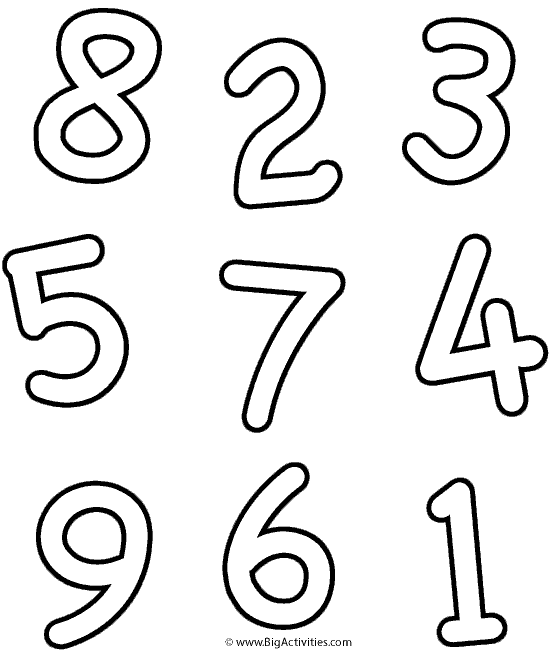
Number Recognition Coloring Pages
These are a fantastic starting point for young learners.
Example: Create a simple coloring page and printable with the number “5” in a large, bubble-letter format. Include five small stars scattered around the number. Instruct the child to color the number red and each star yellow. This reinforces the visual representation of the number and its quantity.

Math Fact Coloring Pages
Make memorizing math facts more fun with color!
Example: Create a coloring page and printable featuring a mosaic design. Each section contains a simple addition problem (e.g., 1+1, 2+1, 3+1). Assign a different color to each answer (e.g., 2 = red, 3 = blue, 4 = green). The child solves the problems and colors the corresponding sections, creating a colorful math masterpiece!
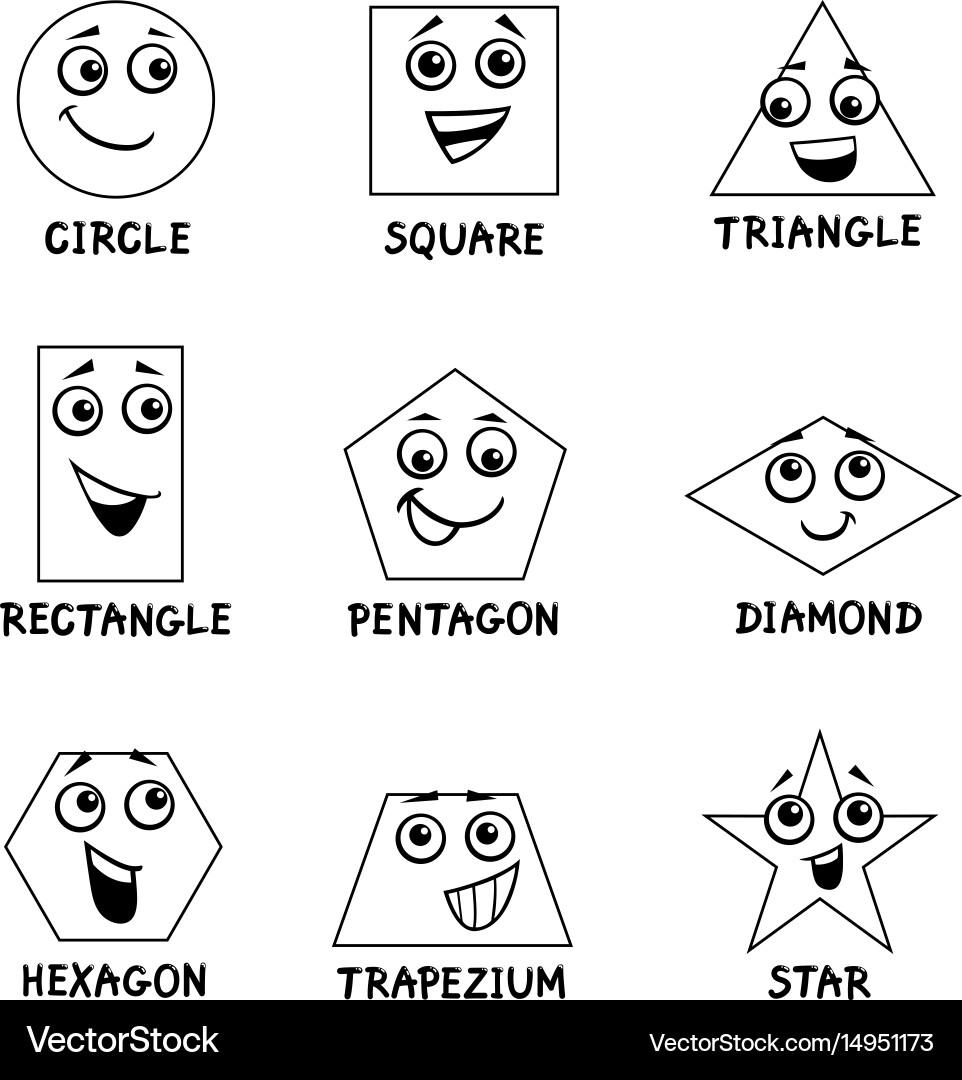
Geometric Shape Coloring Pages
Introduce geometry with a creative twist.
Example: Create a coloring page and printable showing a house made of different geometric shapes. The roof is a triangle, the walls are rectangles, the windows are squares, and the door is a smaller rectangle. Have the child color each shape a different color and label them.
Internal Link Suggestion: Link to another article on your website about “Fun Ways to Teach Geometry at Home” using the anchor text “geometric shapes.”
Printables: Hands-On Math Adventures
Beyond coloring pages, a vast array of printables can transform your homeschool math lessons.
Number Recognition Printables
* Number Matching Games: Create printable cards with numbers and corresponding images (e.g., a card with the number “3” and another with three apples). Children match the cards to reinforce number recognition.
Example: Design a coloring page and printable number matching game. Create two sets of cards: one with numbers (1-10) and another with corresponding pictures (e.g., one apple, two birds, three cars). The child colors the pictures and then matches them to the correct number card.
Problem-Solving Printables
These printables challenge children to apply their math skills in real-world scenarios.
Example: Create a coloring page and printable math maze. The maze starts with a simple addition problem (e.g., 2 + 3 = ?). The child colors the correct answer (5) and follows that path to the next problem. The maze continues with increasingly challenging problems, leading to the final destination.
Hands-On Math Printables
These printables encourage active participation and exploration.
Example: Design a coloring page and printable set of fraction circles. Include circles divided into halves, thirds, quarters, and eighths. The child colors each fraction a different color and then cuts them out to compare and manipulate them.
External Link Suggestion: Link to a reputable website like Khan Academy (khanacademy.org) for additional resources on teaching fractions, using the anchor text “learning about fractions.”
Learning Through Play: Making Math Fun
The key to successful homeschooling is to make learning enjoyable. Here are some tips for incorporating learning through play into your math lessons:
Example: Turn grocery shopping into a learning through play math activity. Have your child help you compare prices, calculate discounts, and estimate the total cost of your purchases.
Key Takeaway: Learning through play makes math more accessible and enjoyable, fostering a positive attitude towards the subject.
Integrating Coloring Pages, Printables, and Play: Sample Lesson Plans
Here are a couple of sample lesson plans demonstrating how to integrate these elements into your homeschool math curriculum:
Lesson Plan 1: Number Recognition and Counting (Ages 4-6)
* Objective: To reinforce number recognition and counting skills.
1. Start with a number coloring page. Have the child color the number and count the objects on the page.
2. Play the number matching game. Have the child match the number cards with the corresponding picture cards.
3. Use LEGO bricks to represent numbers. Ask the child to build towers of different heights to represent different numbers.
Lesson Plan 2: Addition and Subtraction (Ages 6-8)
* Objective: To practice addition and subtraction facts.
1. Begin with a math fact coloring page. Have the child solve the equations and color the corresponding sections.
2. Work through a few word problem worksheets. Encourage the child to show their work and explain their reasoning.
3. Play a dice game. Roll two dice and have the child add or subtract the numbers.
Internal Link Suggestion: Link to another article on your website about “Homeschooling on a Budget” using the anchor text “homeschool math curriculum.”
Resources for Finding Coloring Pages and Printables
The internet is a treasure trove of free and affordable coloring page and printable resources. Here are a few of our favorite websites:
Key Takeaway: Numerous online resources offer free and affordable coloring pages and printables for homeschool math.
Conclusion: Embrace the Fun of Learning
Integrating coloring pages and printables into your homeschool math curriculum is a fantastic way to boost number recognition, foster problem-solving skills, and promote learning through play. By making math fun and engaging, you can help your child develop a positive attitude towards the subject and build a strong foundation for future success. So, grab your crayons, print some worksheets, and get ready for a colorful math adventure! Remember, learning should be an enjoyable journey, not a tedious task. Embrace the fun, and watch your child’s math skills blossom!
Call to Action: Sign up for our newsletter to receive exclusive access to free homeschool math printables and resources! Share this article with your fellow homeschooling parents and spread the joy of learning!


0 Comments