
Ignite Curiosity: Fun STEM Learning Activities for Early Learners at Home
The world of Science, Technology, Engineering, and Mathematics (STEM) is no longer confined to classrooms and labs. It’s a dynamic, engaging realm that can be explored right in the heart of your home with your early learners! Introducing STEM concepts early on fosters curiosity, problem-solving skills, and a lifelong love of learning. More than just preparing them for future careers, STEM activities cultivate critical thinking and creativity that benefit every aspect of their lives.
This article is your comprehensive guide to bringing the wonders of STEM to your early learners (ages 3-7) within the comfort of your home. We’ll explore simple, hands-on activities that use everyday materials to spark their imagination and ignite their passion for discovery. Get ready to transform your home into a vibrant STEM learning hub!

Why STEM Education Matters for Early Learners
STEM education isn’t just about memorizing facts and formulas; it’s about developing essential skills that will serve children well throughout their lives. Introducing STEM concepts early on provides a strong foundation for future learning and cultivates a lifelong love of exploration.
- Develops Problem-Solving Skills: STEM activities encourage children to think critically and creatively to find solutions to challenges.
- Fosters Curiosity and Exploration: STEM is all about asking questions, experimenting, and discovering new things.
- Enhances Creativity and Innovation: STEM challenges kids to think outside the box and come up with original ideas.
- Improves Critical Thinking: STEM helps children analyze information, evaluate evidence, and make informed decisions.
- Builds Confidence: Successfully completing STEM activities boosts children’s self-esteem and encourages them to take on new challenges.
- Gather essential supplies: Stock your STEM zone with basic materials like building blocks, magnets, magnifying glasses, containers, and measuring tools.
- Make it accessible: Ensure that your child can easily access the STEM zone and its supplies whenever they feel inspired.
- Science Tools: Magnifying glasses, magnets, measuring cups and spoons, droppers, and beakers (plastic).
- Art Supplies: Construction paper, markers, crayons, paint, and glue.
- Natural Materials: Rocks, leaves, twigs, and sand.
- Household Items: Empty plastic bottles, paper towel rolls, aluminum foil, and baking soda.
- Ask open-ended questions: Encourage your child to think critically and come up with their own solutions.
- Celebrate effort and perseverance: Acknowledge your child’s hard work and determination, even if they don’t achieve the desired result.
- Learning: Chemical reactions, cause and effect.
- Nature Walk and Scavenger Hunt: Explore the outdoors and collect leaves, rocks, and other natural items. Use a magnifying glass to examine them closely.
- Learning: Observation skills, identification of plants and animals.
- Sink or Float Experiment: Gather various objects and predict whether they will sink or float in water. Test your predictions and discuss the results.
- Learning: Buoyancy, density.
- Growing Plants from Seeds: Plant seeds in small pots and observe their growth over time. Discuss the needs of plants and the importance of sunlight and water.
- Learning: Plant life cycle, responsibility.
- Creating a Weather Station: Track daily weather conditions using simple tools like a thermometer and a rain gauge.
- Learning: Weather patterns, data collection.
- Learning: Computational thinking, problem-solving.
- Building a Simple Circuit: Use a battery, wires, and a light bulb to create a simple circuit.
- Taking Photos and Videos: Encourage your child to document their STEM activities through photos and videos.
- Learning: Visual storytelling, documentation skills.
- Creating a Stop-Motion Animation: Use LEGOs or other toys to create a short stop-motion animation video.
- Learning: Storytelling, animation principles.
- Exploring Virtual Reality: Use a VR headset (with adult supervision) to explore virtual environments and learn about different topics.
- Learning: Immersive learning, exploration.
- Learning: Structural engineering, stability.
- Designing a Bridge: Use straws, tape, and other materials to design and build a bridge that can support weight.
- Learning: Structural design, problem-solving.
- Creating a Marble Run: Use cardboard tubes, tape, and other materials to create a marble run with twists, turns, and obstacles.
- Learning: Physics, engineering design.
- Building a Boat that Floats: Use aluminum foil, plastic containers, or other materials to build a boat that can float in water.
- Learning: Buoyancy, engineering design.
- Designing a Parachute: Use fabric, string, and a small weight to design and build a parachute that can safely land an object.
- Learning: Aerodynamics, engineering design.
- Learning: Number recognition, classification.
- Measuring with Non-Standard Units: Use objects like blocks or crayons to measure the length of different items.
- Learning: Measurement, estimation.
- Exploring Shapes with Building Blocks: Use building blocks to create different shapes and patterns.
- Learning: Geometry, spatial reasoning.
- Playing Math Games: Play board games or card games that involve counting, addition, or subtraction.
- Learning: Math skills, strategic thinking.
- Baking and Cooking: Involve your child in baking and cooking activities to practice measuring ingredients and following recipes.
- Learning: Measurement, fractions.
- Encourage sensory exploration: Focus on activities that involve touching, feeling, and exploring different materials.
- Provide plenty of opportunities for free play: Allow your child to experiment and discover things on their own.
- Encourage collaboration: Work with your child on STEM projects and encourage them to work with siblings or friends.
- Provide opportunities for reflection: Ask your child questions about their STEM activities and encourage them to reflect on what they have learned.
- Bath Time: Explore buoyancy by experimenting with different toys and objects in the bathtub.
- Mealtime: Practice counting and sorting food items. Discuss the different ingredients and how they combine to create a meal.
- Story Time: Choose books that explore STEM topics like space, animals, or inventions.
- Outdoor Activities: Observe nature, collect rocks and leaves, and build forts.
- Chores: Involve your child in household chores like measuring ingredients for cooking or sorting laundry.
- Observe your child’s interactions: Pay attention to how your child approaches STEM activities, asks questions, and solves problems.
- Listen to your child’s explanations: Encourage your child to explain their thinking and reasoning.
- Provide positive reinforcement: Praise your child’s effort and perseverance, and celebrate their successes.
- Encourage further exploration: Provide opportunities for your child to continue exploring STEM topics that interest them.
- Books:
- “Rosie Revere, Engineer” by Andrea Beaty
- “Iggy Peck, Architect” by Andrea Beaty
- “Ada Twist, Scientist” by Andrea Beaty
- Websites:
- PBS Kids
- National Geographic Kids
- Science Kids
- Educational Kits:
- KiwiCo
- Little Passports
- MEL Science
- Lack of Confidence: Encourage your child to try new things and emphasize that mistakes are part of the learning process.
- Frustration: Break down complex tasks into smaller, more manageable steps. Provide support and guidance when needed.
- Limited Resources: Use everyday materials and free online resources to create engaging STEM activities.
- Time Constraints: Integrate STEM learning into everyday routines to make it a regular part of your child’s life.
- Do I need to have a science background to teach STEM?
- How much time should we spend on STEM activities each week?
- What if my child isn’t interested in STEM?
- Where can I find more STEM activity ideas?
Key Takeaway: STEM education provides early learners with essential skills that foster curiosity, problem-solving, and a lifelong love of learning.

Setting Up a STEM-Friendly Home Environment
You don’t need a dedicated laboratory to create a STEM-friendly environment at home. With a few simple adjustments, you can transform your living space into a hub of exploration and discovery.
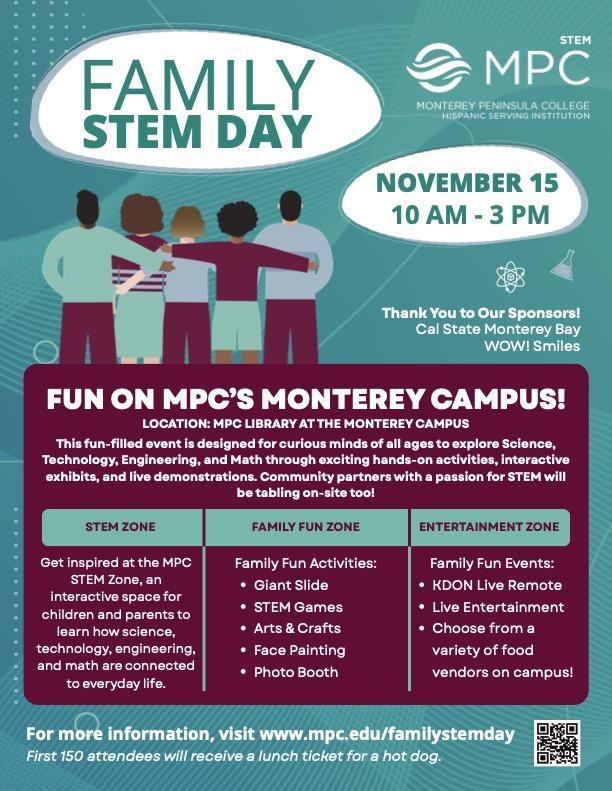
Creating a Dedicated STEM Zone
* Designate a specific area: Choose a corner of a room or a small table to be your designated STEM zone.

Stocking Up on STEM Supplies
* Building Materials: Building blocks, LEGOs, cardboard boxes, tape, and pipe cleaners.

Encouraging a Growth Mindset
* Focus on the process, not just the outcome: Emphasize the importance of experimentation and learning from mistakes.
Actionable Tip: Designate a STEM zone and stock it with accessible, everyday materials to encourage spontaneous exploration.
Engaging STEM Activities for Early Learners
Now that you’ve created a STEM-friendly environment, let’s dive into some fun and engaging activities that will spark your child’s curiosity and ignite their passion for learning.
Science Activities
* Homemade Volcano: A classic experiment that never gets old! Mix baking soda and vinegar in a plastic bottle to create a bubbly eruption.
Technology Activities
* Exploring Coding with Apps and Games: Introduce basic coding concepts using age-appropriate apps and games like ScratchJr or Code.org.
Learning: Electricity, circuits. Adult supervision required.*
Engineering Activities
* Building a Tower with Blocks: Challenge your child to build the tallest tower possible using blocks or other building materials.
Mathematics Activities
* Counting and Sorting Objects: Practice counting and sorting objects like toys, buttons, or rocks.
Internal Link Suggestion: Link to another article on your website about “Easy Science Experiments for Kids” using the anchor text “Easy Science Experiments.”
Adapting STEM Activities for Different Age Groups
While the activities listed above are generally suitable for early learners, it’s important to adapt them to your child’s specific age and developmental level.
Ages 3-4: Focus on Exploration and Discovery
* Keep it simple: Choose activities that are easy to understand and require minimal instruction.
Ages 5-7: Introduce More Complex Concepts
* Introduce more challenging activities: Choose activities that require more problem-solving and critical thinking.
External Link Suggestion: Link to the National Science Teaching Association (NSTA) website using the anchor text “NSTA resources” for educators and parents.
Integrating STEM into Everyday Routines
STEM learning doesn’t have to be confined to designated activity times. You can integrate STEM concepts into your everyday routines to make learning fun and engaging.
Key Takeaway: By integrating STEM into everyday routines, you can create a continuous learning environment for your child.
Assessing and Encouraging STEM Learning
While formal assessments aren’t necessary for early learners, it’s important to observe your child’s engagement and progress with STEM activities.
Actionable Tip: Observe your child’s engagement and provide positive reinforcement to encourage their continued STEM learning.
Resources for STEM Learning at Home
There are many resources available to support STEM learning at home, including books, websites, and educational kits.
Internal Link Suggestion: Link to a review of STEM educational kits on your website using the anchor text “Best STEM Kits for Kids.”
Overcoming Challenges in STEM Learning
While STEM learning can be incredibly rewarding, it’s important to be aware of potential challenges and how to overcome them.
Key Takeaway: By addressing potential challenges with patience and creativity, you can ensure that STEM learning is a positive and enriching experience for your child.
The Future of STEM Education
STEM education is becoming increasingly important in today’s rapidly changing world. By introducing STEM concepts to your early learners, you are preparing them for future success and empowering them to become innovators and problem-solvers. Embrace the journey of discovery with your child and watch as their curiosity and passion for STEM blossom!
Call to Action: Sign up for our newsletter to receive monthly STEM activity ideas and exclusive resources for early learners!
Frequently Asked Questions (FAQs)
* What age is appropriate for STEM activities?
STEM activities can be introduced as early as age 3. Focus on simple, hands-on activities that encourage exploration and discovery.
No, you don’t need to be a scientist to teach STEM. The most important thing is to foster your child’s curiosity and encourage them to ask questions.
There’s no set amount of time. Even 15-30 minutes a few times a week can make a big difference. The key is consistency and engagement.
Try to find STEM activities that align with your child’s interests. Make it fun and engaging, and don’t force it.
There are many resources available online and in libraries. Check out the websites and books listed in this article for more ideas.
By embracing STEM learning at home, you’re not just teaching your children about science, technology, engineering, and math; you’re equipping them with the skills and mindset they need to thrive in a complex and ever-evolving world. So, get ready to ignite their curiosity, foster their creativity, and watch them embark on a lifelong journey of discovery!


0 Comments