
Blooming Minds: Homeschool Nature Study Ideas for a Vibrant Spring
Spring bursts forth with a symphony of colors, sounds, and scents, making it the perfect season to ignite a child’s curiosity and foster a deeper connection with the natural world through homeschool nature study. Ditch the textbooks for a while, step outside, and let the wonders of spring become your classroom. This article will provide a wealth of engaging and educational nature study ideas, catering to various ages and learning styles, to help you create unforgettable homeschool experiences this spring.
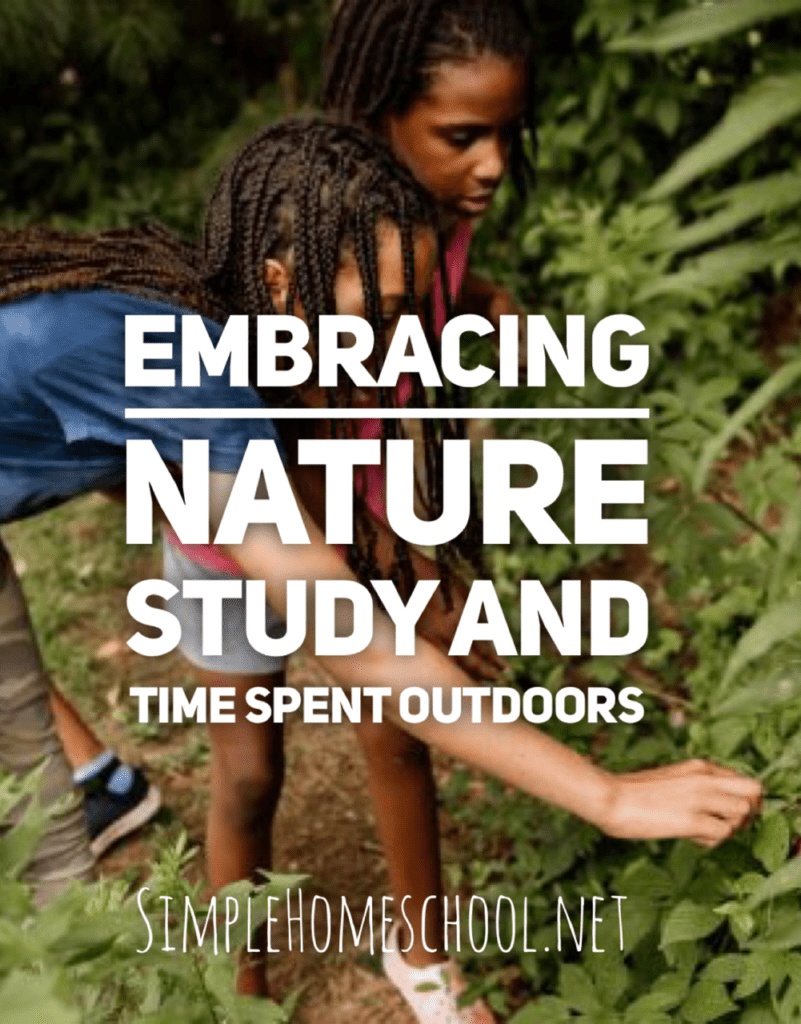
Why Embrace Nature Study in Your Homeschool?
Before diving into specific activities, let’s explore the compelling reasons to integrate nature study into your homeschool curriculum. Nature study offers benefits that extend far beyond academic learning, fostering a well-rounded education and a lifelong love for the environment.
- Hands-on Learning: Nature study transforms abstract concepts into tangible experiences. Children learn by doing, observing, and interacting with their surroundings, leading to deeper understanding and retention.
- Sensory Exploration: Spring engages all the senses. From the sweet fragrance of blooming flowers to the chirping of returning birds, nature study encourages children to explore the world through sight, sound, smell, touch, and even taste (with proper guidance and caution, of course!).
- Scientific Inquiry: Nature study naturally sparks scientific curiosity. Children ask questions, make observations, and form hypotheses, developing critical thinking skills and a scientific mindset.
- Artistic Inspiration: The beauty of spring provides endless inspiration for artistic expression. Nature study can be seamlessly integrated with art projects, encouraging children to capture the colors, patterns, and textures of the natural world.
- Physical Activity: Spending time outdoors promotes physical activity and fresh air, contributing to children’s overall health and well-being.
- Connection to the Environment: Nature study fosters a deep appreciation for the natural world and instills a sense of responsibility for its preservation.
- Nature Journal: A blank notebook or sketchbook for recording observations, sketching plants and animals, and writing reflections.
- Colored Pencils/Crayons: For adding color and detail to nature journal entries.
- Magnifying Glass: For closer examination of insects, flowers, and other small natural objects.
- Field Guides: Books or apps that help identify plants, animals, birds, and insects in your local area.
- Binoculars: For observing birds and other wildlife from a distance.
- Gardening Tools: Small trowel, hand rake, and watering can for planting seeds and tending to a garden.
- Bug Catching Kit: A jar or container with air holes and a net for safely observing insects.
- Camera: For capturing photos of interesting finds and documenting nature study adventures.
- Backpack: To carry all your supplies on nature walks.
- Bud Identification: Collect twigs from different trees and learn to identify them by their buds. Observe the buds as they swell and eventually burst open, revealing new leaves and flowers.
- Flower Dissection: Dissect different types of flowers to examine their parts (petals, sepals, stamens, pistils) and understand their functions.
- Seed Germination: Plant seeds in small containers and observe the germination process. Experiment with different types of seeds and growing conditions.
- Tree Bark Rubbings: Place a piece of paper against a tree trunk and rub it with a crayon to create a textured rubbing of the bark. Compare the bark patterns of different tree species.
- Flower Pressing: Collect flowers and press them between the pages of a heavy book to create beautiful dried flower specimens.
- Create a wildflower identification guide: Take photos of local wildflowers and create your own field guide.
- Bird Identification: Learn to identify common birds in your area by their appearance, song, and behavior. Use field guides or bird identification apps to help.
- Bird Song Recording: Record bird songs using a smartphone or recording device and try to identify the birds by their calls.
- Nest Building Observation: Observe birds building nests and identify the materials they use. Do not disturb the nests or get too close, as this can stress the birds.
- Feather Collection and Identification: Collect shed feathers and try to identify the birds they came from.
- Build a Bird Feeder: Construct a simple bird feeder and observe the types of birds that visit.
- Participate in a Citizen Science Project: Contribute to bird research by participating in a citizen science project, such as the Great Backyard Bird Count.
- Insect Collection and Observation: Collect insects in a jar or container with air holes and observe them closely. Release them back into their natural habitat after observation.
- Butterfly Life Cycle Study: Observe the life cycle of a butterfly, from egg to caterpillar to chrysalis to butterfly. Consider raising caterpillars in a butterfly habitat.
- Bee Observation: Observe bees collecting nectar and pollen from flowers. Learn about the importance of bees for pollination.
- Ant Farm: Create an ant farm and observe the behavior of ants in a colony.
- Insect Identification: Use field guides or insect identification apps to identify different types of insects.
- Create an insect hotel: Build a small structure with different compartments to attract various insects to your yard.
- Cloud Observation: Learn to identify different types of clouds and observe how they change over time.
- Rain Gauge: Build a rain gauge and measure the amount of rainfall in your area.
- Temperature Tracking: Track the daily temperature and create a graph to visualize the changes.
- Wind Direction and Speed: Observe the wind direction and speed using a wind vane or anemometer.
- Weather Journal: Keep a weather journal, recording daily observations of temperature, precipitation, cloud cover, and wind.
- Learn about the water cycle: Draw diagrams and conduct experiments to understand how water evaporates, condenses, and precipitates.
- Pond Dipping: Use a net to collect aquatic insects, plants, and other organisms from a pond or stream. Observe them in a container of water and identify them using field guides. Return the organisms to their habitat after observation.
- Frog and Toad Observation: Listen for the calls of frogs and toads and try to identify them by their sounds. Observe their behavior in their natural habitat.
- Water Quality Testing: Test the water quality of a pond or stream using a water testing kit.
- Aquatic Plant Identification: Identify different types of aquatic plants and learn about their adaptations to living in water.
- Create a pond ecosystem diagram: Draw a diagram of a pond ecosystem, showing the relationships between the different organisms.
- Learn about amphibians: Research the life cycle and characteristics of amphibians like frogs, toads, and salamanders.
- Preschoolers: Focus on sensory exploration and simple observations. Use large, colorful pictures and engage them in hands-on activities like planting seeds and collecting leaves.
- Elementary School Students: Introduce more detailed observations and scientific concepts. Encourage them to keep nature journals, conduct simple experiments, and use field guides to identify plants and animals.
- Middle School Students: Challenge them with more in-depth research projects and critical thinking activities. Encourage them to explore complex ecological concepts and participate in citizen science projects.
- High School Students: Engage them in independent research, scientific writing, and environmental advocacy. Encourage them to explore career paths in science, conservation, and environmental education.
- Schedule Regular Nature Walks: Dedicate a specific time each week for nature walks. Even a short walk in your backyard or a local park can provide valuable learning opportunities.
- Incorporate Nature into Existing Subjects: Connect nature study to other subjects, such as science, math, art, and language arts.
- Create a Nature Table: Set up a nature table in your home where children can display their nature finds and explore them further.
- Join a Nature Study Group: Connect with other homeschooling families who are interested in nature study. This can provide support, inspiration, and opportunities for collaborative learning.
- Attend Nature Programs: Take advantage of nature programs offered by local parks, museums, and nature centers.
- Make it Fun! The most important thing is to make nature study enjoyable for your children. Let their curiosity guide your explorations and celebrate their discoveries.
Key Takeaway: Nature study is not just about learning facts; it’s about cultivating a lifelong love for learning and a profound connection to the environment.

Getting Started: Essential Tools and Resources
Embarking on a homeschool nature study adventure requires minimal preparation. Here are some essential tools and resources to gather:
Internal Link Suggestion: For more information on creating the perfect nature journal, link to a relevant article on your website about nature journaling supplies and techniques. Anchor text: “Nature Journaling Essentials.”

Spring Nature Study Themes and Activities
Spring offers a plethora of exciting themes to explore through nature study. Here are some ideas, categorized for easy planning:
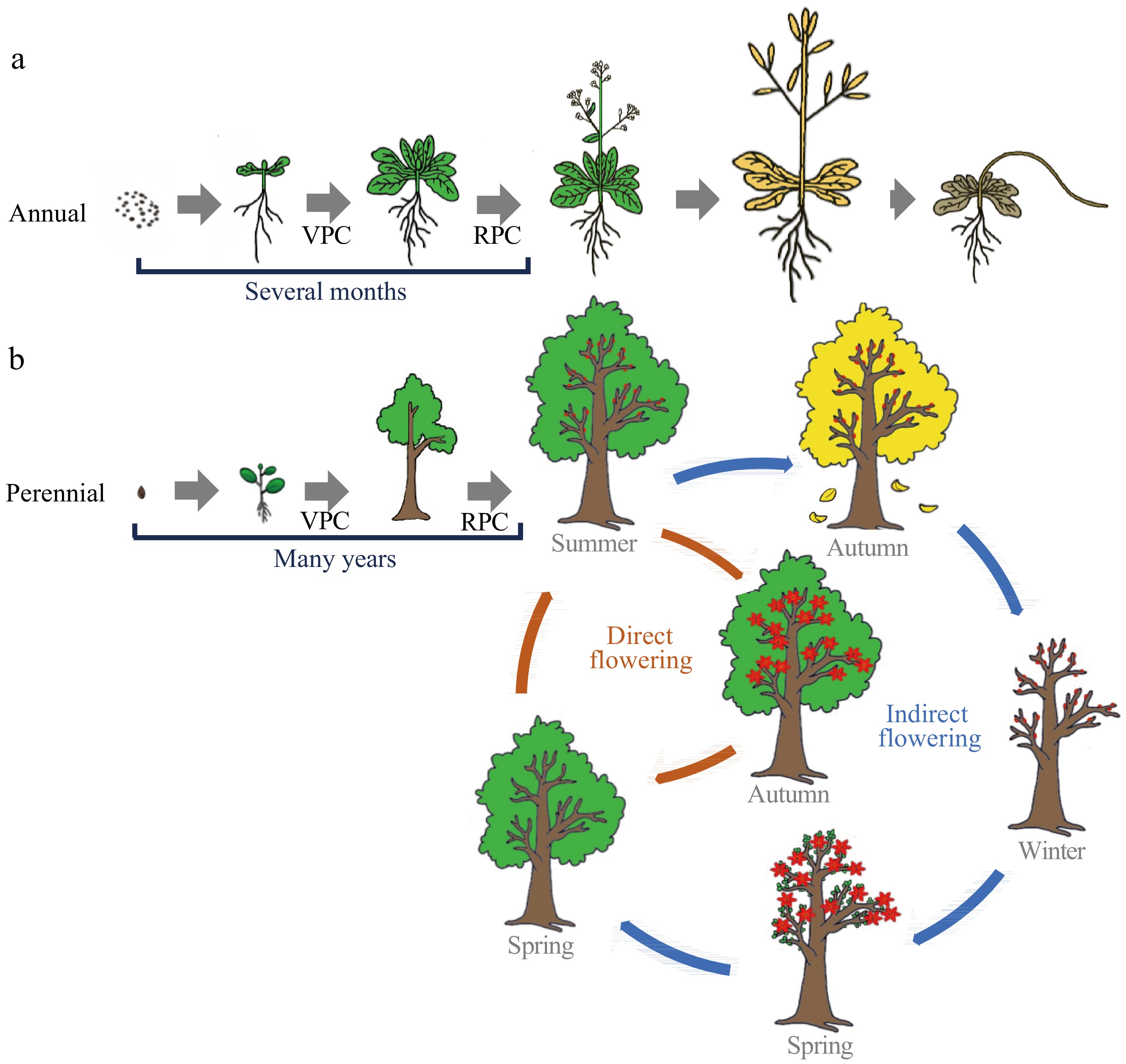
1. Budding Trees and Blooming Flowers: A Study of Plant Life
Spring is synonymous with new growth. Trees awaken from their winter slumber, and flowers burst into bloom, providing a captivating subject for nature study.
Activity Example: Create a “Parts of a Flower” diagram in your nature journal, labeling each part and describing its function.
External Link Suggestion: Link to a local botanical garden or arboretum website for information on native plants in your area. Anchor text: “Native Plants of [Your Region].”

2. Feathered Friends: Bird Migration and Nesting
Spring marks the return of migratory birds and the beginning of nesting season. Birdwatching offers a fascinating glimpse into the lives of these amazing creatures.
Activity Example: Create a birdwatching journal, recording the date, time, location, and description of each bird you observe.
Internal Link Suggestion: Link to a previous blog post or resource on your website about building birdhouses and attracting birds to your backyard. Anchor text: “Attract Birds to Your Garden.”
3. Buzzing Insects: Exploring the World of Entomology
Spring brings insects out of hibernation, offering a chance to study their fascinating life cycles and behaviors.
Activity Example: Create an insect collection display, mounting preserved insects on pins and labeling them with their names and classifications.
External Link Suggestion: Link to the website of your local entomological society for information on insect identification and conservation. Anchor text: “Learn About Insects in [Your Region].”
4. Spring Weather Wonders: Observing Meteorological Phenomena
Spring weather can be unpredictable, offering opportunities to study different meteorological phenomena.
Activity Example: Create a weather forecast for your local area, using online weather resources and your own observations.
Internal Link Suggestion: Link to a resource on your website about creating a weather station in your backyard. Anchor text: “Build Your Own Weather Station.”
5. Pond Life Exploration: Discovering Aquatic Ecosystems
Ponds and streams teem with life in the spring, providing a rich environment for nature study.
Activity Example: Create a pond diorama, using natural materials to recreate a pond ecosystem.
External Link Suggestion: Link to a local nature preserve or park with a pond or stream for information on visiting and exploring aquatic habitats. Anchor text: “Explore Local Ponds and Streams.”
Adapting Activities for Different Age Groups
The beauty of nature study is its adaptability. Here’s how to tailor activities for different age groups:
Key Takeaway: Adapt the complexity of the activities to the age and developmental level of your children, ensuring that they are both challenged and engaged.
Making Nature Study a Regular Part of Your Homeschool Routine
Integrating nature study into your homeschool routine doesn’t have to be overwhelming. Here are some tips for making it a sustainable practice:
Call to Action: Sign up for our newsletter to receive monthly nature study prompts and activity ideas!
Conclusion: Cultivating a Lifelong Love for Nature
Homeschool nature study in the spring offers a unique opportunity to connect with the natural world, foster a love for learning, and create lasting memories with your children. By embracing the wonders of spring and incorporating these ideas into your homeschool routine, you can cultivate a lifelong appreciation for nature and inspire the next generation of environmental stewards. So, step outside, explore, and let the blooming minds of your children flourish in the vibrant classroom of nature.
Social Sharing Optimization: Include social sharing buttons at the end of the article to encourage readers to share the content on their favorite social media platforms.


0 Comments