
Homeschool Nature Study Ideas for Spring: Hands-On Lessons, Field Trips & Unit Plans
Spring is the perfect season to take learning outside. The thawing weather, emerging plants, migrating birds, and busy pollinators provide endless teachable moments for homeschoolers. This comprehensive guide gives you creative, curriculum-friendly nature study ideas for spring that work for preschoolers through high school. You’ll find hands-on activities, observation routines, seasonal science investigations, art and literacy integrations, field trip plans, assessment ideas, recommended resources, and ways to adapt lessons for mixed-age families.

Introduction: Why Spring Nature Study Works for Homeschooling
Spring is rich with sensory experiences and rapid biological changes, making it one of the most engaging seasons for nature study. Children can directly observe life cycles, phenology (seasonal events), plant growth, and animal behavior in ways textbooks cannot replicate. Outdoor lessons increase attention, improve retention, and foster curiosity and stewardship.
In this guide you’ll learn how to structure spring nature units, incorporate standards-aligned skills (science inquiry, writing, math, and art), and use simple tools and low-cost materials to create meaningful learning experiences. Whether you have a backyard, local park, or community garden, these ideas will help you build a flexible, year-round nature habit that fits any homeschool style.
Getting Started: Essential Tools and Materials for Spring Nature Study
Before heading outside, assemble a simple nature kit. This encourages consistent habit and makes outdoor lessons flow smoothly.
- Observation journals or clipboards and paper (waterproof notebooks for wet weather)
- Pencils, colored pencils, erasers
- Hand lens (10x) and inexpensive magnifying glass
- Binoculars (child-sized or lightweight)
- Field guides (plants, birds, insects) or apps like Merlin and iNaturalist
- Measuring tape, ruler, small scale/balance, stopwatch
- Collecting jars (with air holes), tweezers, small trowel
- Camera or smartphone for photos
- Weatherproof clothing, sunscreen, water, bug spray
- Activities:
- Seed germination experiment: compare light/dark, soil types, or water frequency.
- Bean in a jar window experiment to watch root and shoot development.
- Design and plant a small container garden with herbs or fast-germinating vegetables (radish, lettuce).
- Assessments:
- Growth journal with daily/weekly measurements and sketches.
- Short lab report for older students describing methods, variables, and conclusions.
- Activities:
- Build a pollinator observation station: plant native flowers, set up timed observations, and record visitors.
- Make simple pollinator models using cotton swabs and colored pollen substitute to demonstrate pollen transfer.
- Create a “pollinator garden” seed map and plant-placement plan with considerations for bloom time and native species.
- Assessments: Create a field guide page for local pollinators with photos/drawings and notes on behavior.
- Activities:
- Participate in a local citizen science project like eBird or a backyard bird count.
- Set up a nest box and monitor occupancy; keep a nesting diary.
- Map migratory routes and calculate distances using online tools or maps.
- Assessments: Create migratory species profiles and present on one species’ lifecycle and threats.
- Activities:
- Net sweeping and pond dipping to collect and identify macroinvertebrates using a simple key.
- Measure pH, turbidity, and temperature; discuss human impact and conservation.
- Construct a mini food web poster illustrating connections between organisms found.
- Assessments: Write a field report with species lists, data tables, and ecological interpretations.
- Activities:
- Start a phenology journal: first bloom dates, leaf-out dates, first bird songs, insect emergence.
- Compare your observations with historical data or local phenology networks.
- Create a neighborhood phenology map with date-tagged photos.
- Assessments: Use collected data to create graphs and test simple hypotheses about weather and phenophases.
- Short, sensory-rich outings (10–20 minutes) focusing on colors, textures, and sounds.
- Simple scavenger hunts: find a bud, a feather, a smooth rock.
- Sticker journals: glue leaves or press small flowers.
- Longer investigations: seed experiments, insect observations, and basic journaling.
- Introduce simple data collection (counts, tallies, and drawing-based records).
- Combine art: nature rubbings and watercolor sketches.
- Hypothesis-driven experiments, such as testing light effects on germination.
- Begin using dichotomous keys and apps for species ID.
- Write short analytical reports and create presentations.
- Design controlled experiments with independent variables and replicates.
- Collect and analyze data, calculate averages/standard deviations, and write formal lab reports.
- Engage in local conservation projects or citizen science databases and prepare research posters.
- Use stations: each station targets a different skill level (sensory, identification, data analysis).
- Buddy system: older students mentor younger ones and help with notebooks or simple explanations.
- Provide tiered extension tasks for older learners (e.g., write a literature review, model ecosystems).
- Botanical illustration practice—focus on careful observation and labeling.
- Natural material collage—use fallen petals, leaves, twigs to create seasonal art.
- Photography projects—teach composition and macro photography of insects/flowers.
- Nature poetry: haiku based on observations, spring-themed figurative language exercises.
- Field journals that develop into longer creative or expository pieces.
- Reading lists: nature memoirs and kid-friendly natural history books (see resources below).
- Measure plant growth and graph results; calculate rates of growth.
- Use statistics in citizen science data—averages, ranges, and percentages.
- Scale drawing: translate a measured specimen into a scaled drawing.
- Explore indigenous knowledge about seasonal changes and plant uses (use culturally respectful, vetted resources).
- Study how spring festivals and agricultural calendars shaped local history.
- Research historical methods of weather prediction and compare to modern meteorology.
- Local wetlands, ponds, or streams for freshwater studies
- Nature centers and arboretums with guided programming
- Botanical gardens to study cultivated plant diversity
- State parks for hikes and birding
- Farms or community gardens to learn about spring planting
- Define learning objectives and create a pre-trip activity (readings, map exercise).
- Prepare materials: clipboards, field guides, safety kit, snacks, and restroom plan.
- Share clear behavior and data-collection expectations (silent observation periods, sketch time).
- Post-trip follow-up: data analysis, journaling, art projects, and presentations.
- Nature portfolio: include journals, sketches, photos, lab reports, and final projects.
- Rubrics for observational skills: focus accuracy, thoroughness, and evidence-based conclusions.
- Short presentations or “nature talks” where students share a recent finding or experiment.
- Use citizen science submissions (iNaturalist, eBird) as documented evidence of engagement for transcripts or portfolios.
- Community pollinator garden plan with species selection, planting timeline, and budget.
- Local species field guide created by students with photos, descriptions, and maps.
- Comparative phenology study: compare your observations to another family or a school in a different climate and present findings.
- Water quality action plan: measure a local stream and propose restoration or stewardship steps.
- Follow “Leave No Trace” principles: take only photos and notes, leave plants and animals undisturbed when possible.
- Handle organisms gently if collecting is necessary and return them promptly to their habitat.
- Teach about invasive species and encourage identification and reporting rather than removal unless part of permitted management.
- Respect private property and cultural sites—obtain permission and use vetted educational sources for indigenous knowledge.
- National Audubon Society Field Guides (region-specific)
- “The Golden Guide” series for insects, birds, and trees
- “Keeping a Nature Journal” by Clare Walker Leslie and Charles E. Roth
- “The Lost Art of Reading Nature’s Signs” by Tristan Gooley
- iNaturalist — for species ID and community verification
- Merlin Bird ID (Cornell Lab) — quick bird identifications with photos & sounds
- eBird — submit bird observations and access regional data
- Nature’s Notebook — phenology monitoring and data submission
- Local dollar stores for clipboards, jars, and simple tools
- Educational suppliers for hand lenses, binoculars, and microscopes (e.g., Educational Insights, Bioquip)
- Local extension offices or Master Naturalist programs often provide free workshops and lending libraries
- Objective: Document a flower’s bloom and identify visitors over two weeks.
- Materials: journal, camera, ruler, field guide, magnifying glass.
- Steps:
- Select a target flower in your yard or park.
- Record baseline measurements: bud size, date, location, and sketch.
- Visit every 2–3 days; note changes, measure bloom diameter, and record any insect visitors with sketches or photos.
- At the end, research the flower’s pollination strategy and write a short summary linking observations to function.
- Extension: Compare several flower species to discuss form-function relationships.
- Objective: Use macroinvertebrate diversity as an indicator of stream health.
- Materials: kick net, sorting tray, field guides, thermometer, pH strips, data sheet.
- Steps:
- Choose a 10-meter stream section and perform three standardized kick samples.
Organize kits by age: add microscopes or more advanced measurement tools for older students and hands-on manipulatives for younger learners. Keep a master checklist of seasonal goals to track progress across weeks.
Core Spring Nature Study Units (With Learning Goals)
These unit ideas map to observable spring phenomena and align with common nature study objectives: observation, hypothesis formation, data collection, and synthesis.

1. Plant Life Cycles and Seed Germination
Learning goals: Identify parts of a plant, describe germination stages, measure and graph growth.
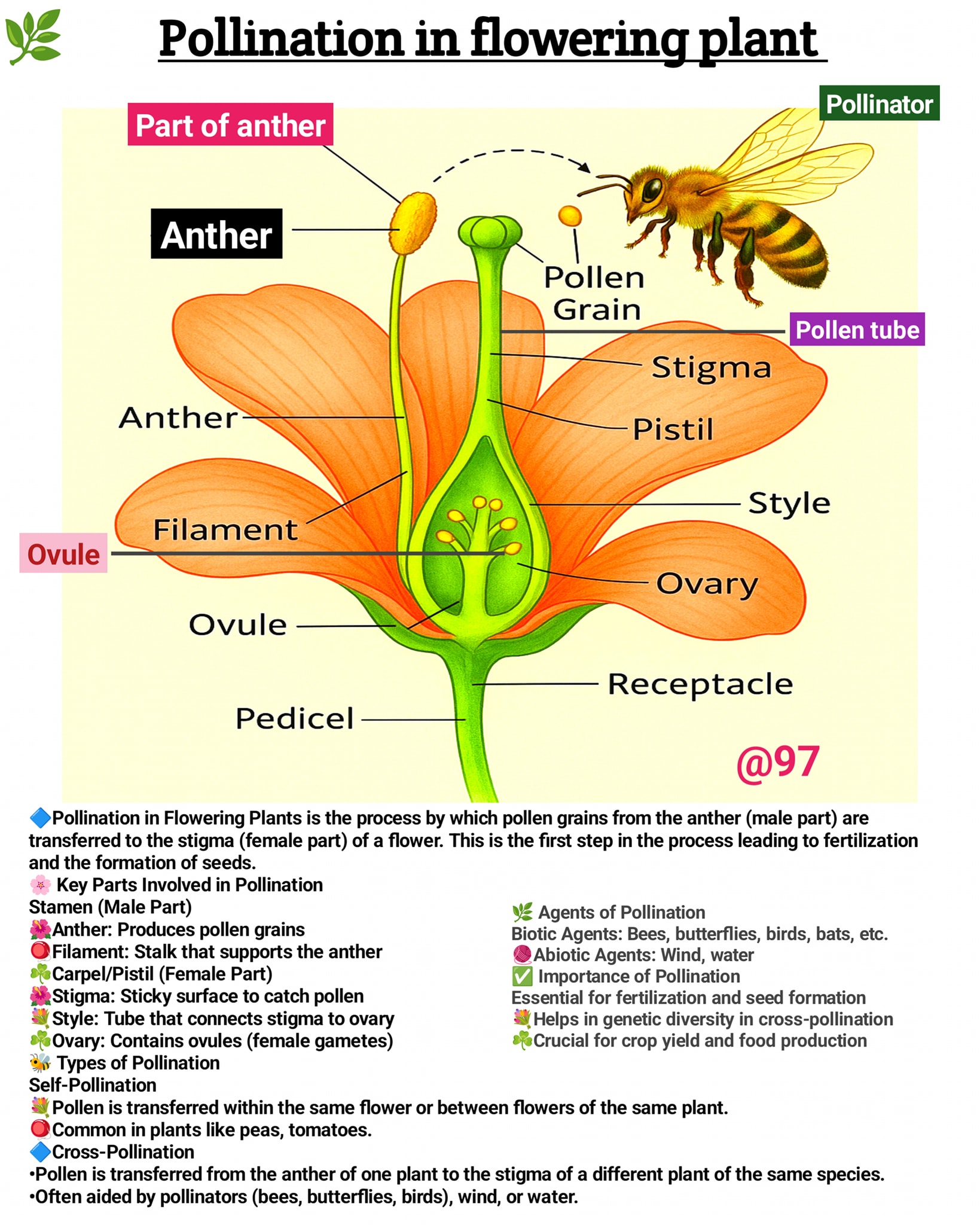
2. Pollinators and Flower Biology
Learning goals: Explain pollination, identify pollinators, and evaluate plant-pollinator interactions.
3. Bird Migration and Nesting
Learning goals: Track seasonal migration patterns, identify local birds, and understand nesting behavior.
4. Pond and Stream Studies (Freshwater Ecology)
Learning goals: Identify macroinvertebrates, understand food webs, and test basic water quality parameters.
5. Phenology and Seasonal Changes
Learning goals: Record seasonal events, recognize patterns, and make predictions based on long-term observations.
Weekly Lesson Plan Template for Spring Nature Study
Use this flexible template for a 4-week mini-unit. Adapt activities to fit your family schedule and students’ ages.
| Week | Main Focus | Outdoor Activity | Indoor Extension | Assessment |
|---|---|---|---|---|
| 1 | Seed Germination | Plant seeds; start germination experiment | Sketch early seedlings; read about seed banks | Seed growth journal entry |
| 2 | Pollinators | Pollinator observations at flowers | Label flower anatomy and write pollination explanation | Pollinator field guide page |
| 3 | Birds | Birdwatching and nest box checks | Create migratory route map | Bird profile presentation |
| 4 | Phenology & Review | Compare phenology notes; walk to observe changes | Graph data; write reflection | Final project: seasonal nature portfolio |
Age-Appropriate Activities and Differentiation Strategies
Spring nature study works across ages. Here are ideas tailored to different developmental levels and ways to differentiate within mixed-age groups.
Preschool (Ages 3–5)
Elementary (Ages 6–10)
Middle School (Ages 11–14)
High School (Ages 15–18)
Mixing Ages in One Lesson
Creative Integrations: Art, Language Arts, Math & History
Nature study is an ideal cross-curricular tool. Below are specific, actionable integrations to include in your spring units.
Art
Language Arts
Math
History & Cultural Connections
Field Trip Ideas and Planning Tips
Field trips deepen engagement. Plan short, focused outings with clear goals and accessible locations.
Top Spring Field Trip Destinations
Field Trip Planning Checklist
Assessment, Portfolios, and Documentation Ideas
Assessments in nature study should emphasize process, observation skills, and scientific thinking rather than rote memorization.
Sample Projects & Capstone Ideas for Spring
Finish your spring study with a meaningful project that showcases learning across disciplines.
Safety, Ethics, and Respectful Nature Study
Teach stewardship and ethical field practices during all outdoor lessons.
Resources: Books, Apps, and Supplies
Curated resources to support your spring nature study. These cover field guides, apps for identification, and books for teachers and students.

0 Comments