
Nurturing Emotional Intelligence: How Feelings Coloring Pages Help Kids Recognize and Express Emotions
Raising emotionally intelligent children is one of the most profound gifts we can offer them. In a world that often prioritizes academic achievement, the ability to understand, manage, and express one’s own emotions, and to empathize with others, is truly invaluable. For parents and educators of young children, fostering this crucial skill, known as emotional intelligence (EI) or Social-Emotional Learning (SEL), can seem like a complex task. However, the path to developing strong emotional awareness doesn’t always require elaborate programs or expensive tools. Sometimes, the simplest activities hold the greatest power.
This comprehensive guide will explore how the humble act of coloring, particularly with feelings coloring page and printables, can become a cornerstone of your child’s emotional development journey. We’ll delve into how these calm learning activities provide a unique, non-threatening space for children to recognize emotions, build their emotional vocabulary, and confidently express feelings. By integrating these engaging resources into daily routines or a homeschool SEL curriculum, you can empower your child to navigate their inner world with greater understanding and resilience. Get ready to discover how a few crayons and a sheet of paper can unlock a world of emotional growth for your little ones.

Why Emotional Intelligence Matters for Young Children
Emotional intelligence is far more than just “being nice.” It’s a fundamental skill set that impacts every aspect of a child’s life, from their ability to make friends and succeed in school to their mental health and future career prospects. For young children, developing emotional awareness is crucial because it lays the groundwork for self-regulation, empathy, and effective communication. Children who possess a strong sense of EI are better equipped to handle stress, resolve conflicts peacefully, and build healthy relationships.
Think of emotional intelligence as a superpower that helps children understand their own feelings and the feelings of those around them. This understanding translates into greater resilience when faced with challenges, improved focus in learning environments, and a deeper capacity for compassion. Integrating SEL into early childhood education, whether in a classroom or as part of a homeschool SEL curriculum, isn’t just beneficial; it’s essential for nurturing well-rounded, adaptable, and happy individuals.
The Power of Play: How Coloring Fosters Emotional Growth
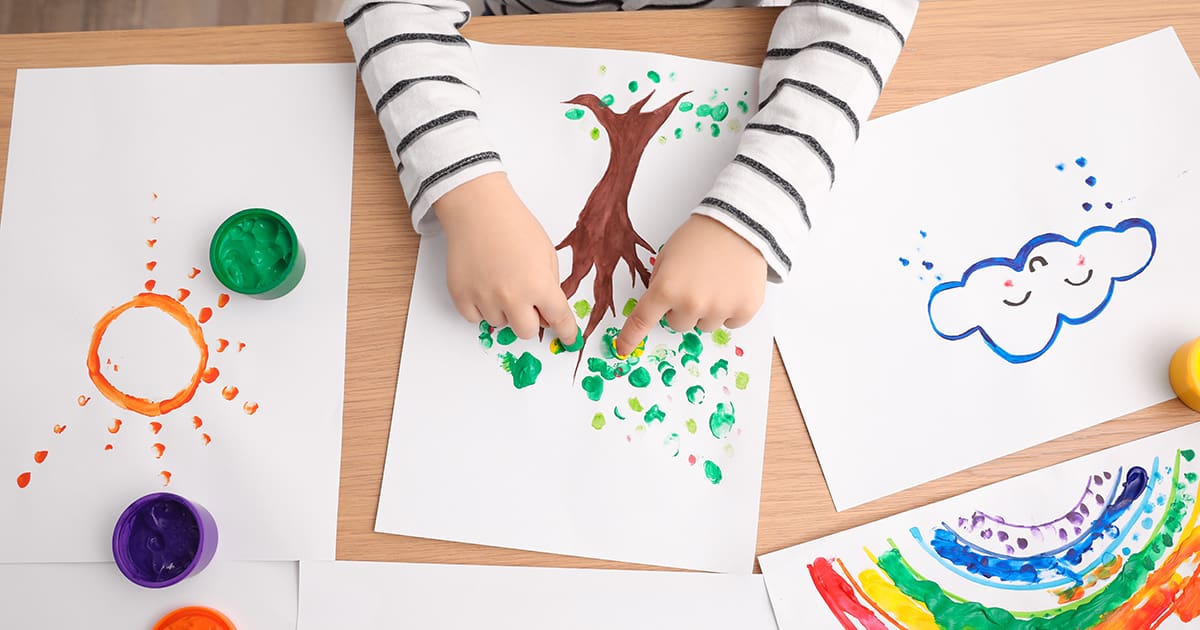
Children learn best through play, and coloring is a prime example of a playful activity with profound developmental benefits. It’s an accessible, low-pressure activity that engages a child’s creativity while also stimulating cognitive and fine motor skills. More importantly, when children engage with feelings coloring page and printables, they are given a gentle, indirect way to explore the often-complex world of emotions. This creative outlet allows them to process thoughts and feelings without the pressure of direct questioning, making it an ideal calm learning activity.

A Safe Space for Self-Expression
One of the most significant advantages of coloring is its ability to create a safe, non-judgmental space. Unlike direct conversations about feelings, which can sometimes feel overwhelming or intimidating for young children, coloring allows them to project their internal experiences onto a page. They can choose colors, strokes, and even add their own details, making the activity deeply personal. This creative freedom empowers children to express feelings in a way that feels natural and comfortable, reducing anxiety and encouraging authentic self-expression. It’s a quiet moment where they can reflect and explore without feeling put on the spot.
Developing Emotional Vocabulary
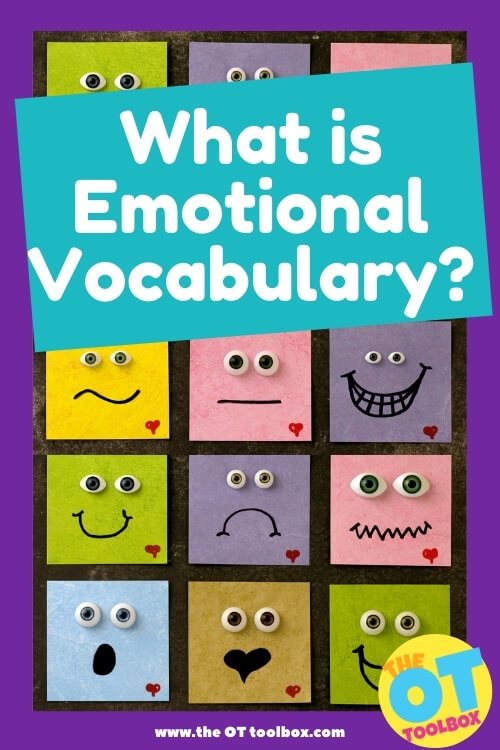
Before children can manage their emotions, they first need to be able to recognize emotions and name them. This is where feelings coloring page and printables truly shine. Many printables feature characters displaying various emotions – happy, sad, angry, surprised, scared, confused – often with the emotion word written alongside. As children color these images, they begin to associate visual cues (facial expressions, body language) with specific emotional labels.
This visual and verbal pairing is incredibly effective for building emotional vocabulary. For instance, coloring a picture of a child with furrowed brows and a frown can help a child understand and name “frustration.” This concrete connection helps them articulate their own feelings later on, moving beyond simple “good” or “bad” descriptors to a richer, more nuanced understanding of their emotional landscape.

Practical Strategies: Using Feelings Coloring Pages and Printables
Integrating feelings coloring page and printables into your child’s routine is straightforward and highly effective. These resources are designed to be intuitive, but a few strategic approaches can amplify their impact on a child’s ability to recognize emotions and express feelings.
Choosing the Right Resources
When selecting feelings coloring page and printables, look for diversity. Seek out pages that depict a wide range of emotions, not just the basic happy and sad. Pages that show characters in different scenarios can also be beneficial, as they help children understand how emotions arise in various contexts. Resources that include diverse characters also foster inclusivity and broader understanding. Many free printables are available online, making this an accessible tool for every family and classroom.
- Tip: Look for printables that include:
- A variety of facial expressions and body language.
- Simple, clear images suitable for young children.
- Emotion words written clearly beneath each image.
- Scenarios where emotions are displayed (e.g., sharing a toy, losing a game).
- “What color do you think anger feels like?”
- “Why do you think this character feels surprised?”
- “Have you ever felt this way before? What happened?”
- “What do you think might make this character feel better?”
- Morning Warm-up: A quiet start to the day, helping kids focus.
- Transition Activity: A calming bridge between high-energy play and a quieter task.
- Cool-Down After Conflict: A way to process big feelings after an argument or frustration.
- Part of a Homeschool SEL Curriculum: Dedicate a specific time each week to focus on emotional themes using coloring pages. For example, “Mindful Mondays” could involve coloring a mindfulness for kids printable alongside a feelings page.
- Keep it Fun: Avoid making it feel like a chore. Frame it as a special creative time.
- Offer Choices: Let your child pick which feelings coloring page and printables they want to color.
- Model the Behavior: Color alongside them! Share your own feelings about the pictures or your day.
- Praise Effort, Not Perfection: Focus on their engagement and willingness to explore emotions, rather than how neatly they color.
- Be Patient: Emotional development is a journey, not a race. Some days will be more fruitful than others.
- “A young child happily coloring a feelings coloring page depicting a smiling face with crayons scattered around.”
- “An adult and child looking at a printable sheet with various emotional faces, pointing to one labeled ‘sad’.”
- “A diverse group of children engaged in a calm learning activity, coloring different feelings pages in a classroom setting.”
- “Close-up of a child’s hand coloring a section of a feelings coloring page, showing focus and concentration.”
- Suggested Share Title: Boost Emotional Intelligence: How Coloring Helps Kids Recognize & Express Feelings!
- Suggested Share Description: Learn how feelings coloring pages and printables can be a fun, calm way to teach emotional awareness, self-expression, and build crucial SEL skills in children. #EmotionalIntelligence #KidsFeelings #SEL #ParentingTips #Homeschool
- Suggested Hashtags: #EmotionalIntelligence #KidsFeelings #SEL #ParentingTips #Homeschool #MindfulnessForKids #CalmActivities #ChildDevelopment
Guided Conversations and Open Dialogue
The coloring itself is just the beginning. The real magic happens during the conversations you have with your child while they color. Instead of simply asking, “What are you coloring?”, try prompts that encourage deeper emotional exploration:
These open-ended questions invite children to connect with the emotions on the page and relate them to their own experiences. It helps them to recognize emotions in themselves and others, fostering empathy and self-reflection. Remember to listen actively and validate their feelings, whatever they may be.
Integrating into Daily Routines and Homeschool SEL Curriculum
Consistency is key when building emotional intelligence. Make coloring a regular, predictable part of your child’s day. This could be:
By making these calm learning activities a routine, children learn to anticipate and value the time dedicated to exploring their feelings.
Beyond the Crayons: Extending Emotional Learning
While feelings coloring page and printables are powerful tools, their impact can be amplified by extending the learning beyond the coloring session itself.
Mindfulness and Calm-Down Corners
Coloring is inherently a mindful activity. It encourages focus, slows breathing, and promotes a sense of calm. You can leverage this by creating a “calm-down corner” in your home or classroom. This dedicated space, equipped with coloring pages, crayons, soft pillows, and perhaps some quiet music, provides a sanctuary for children when they feel overwhelmed. Teaching children to use this space, along with mindfulness for kids exercises, helps them develop self-regulation strategies and learn to soothe themselves.
Role-Playing and Storytelling
After coloring a page, encourage your child to tell a story about the character. “What happens next?” “How does the character solve their problem?” You can also use the colored pages as prompts for role-playing different emotional scenarios. This helps children practice how to express feelings appropriately and respond to others’ emotions in a safe, imaginative context.
Internal Link Suggestion: For more ideas on creating a calm-down corner, check out our article on “Creating a Serene Space: Your Child’s Ultimate Calm-Down Corner“.
Addressing Common Challenges and Encouraging Consistency
Sometimes, children might be resistant to a new activity, or their interest may wane. Here are a few tips for keeping emotional learning through coloring engaging and consistent:
Consistency and a supportive environment are the most important ingredients for success. Remember, every little step forward in emotional awareness is a significant victory.
Cultivating Emotional Growth, One Color at a Time
Teaching children to recognize emotions and express feelings is a continuous, rewarding endeavor. By incorporating simple yet effective tools like feelings coloring page and printables into your daily rhythm, you provide a gentle, engaging pathway for your child to develop crucial emotional intelligence. These calm learning activities are more than just fun; they are powerful instruments for fostering self-awareness, empathy, and resilience.
Embrace the vibrant world of crayons and printables, and watch as your child blossoms with greater emotional awareness and confidence. It’s an investment in their happiness and well-being that will serve them for a lifetime, preparing them to navigate the complexities of life with grace and understanding.
Foster emotional growth with our free emotional intelligence resources!
External Link Suggestion: For further reading on the importance of Social-Emotional Learning, consider exploring resources from organizations like CASEL (Collaborative for Academic, Social, and Emotional Learning) at www.casel.org (opens in new window).
—
Image Alt Text Suggestions:
Schema Markup Recommendation (JSON-LD):
json
{
  "@context": "https://schema.org",
  "@type": "BlogPosting",
  "mainEntityOfPage": {
    "@type": "WebPage",
    "@id": "https://www.yourwebsite.com/nurturing-emotional-intelligence-coloring-kids-feelings"
  },
  "headline": "Nurturing Emotional Intelligence: How Feelings Coloring Pages Help Kids Recognize and Express Emotions",
  "description": "Discover how feelings coloring pages and printables can be powerful tools for teaching young children to recognize emotions, express feelings, and build emotional intelligence through calm learning activities and a homeschool SEL curriculum.",
  "image": "https://www.yourwebsite.com/images/kids-coloring-emotions.jpg",
  "author": {
    "@type": "Person",
    "name": "Your Name/Organization"
  },
  "publisher": {
    "@type": "Organization",
    "name": "Your Website Name",
    "logo": {
      "@type": "ImageObject",
      "url": "https://www.yourwebsite.com/images/logo.png"
    }
  },
  "datePublished": "2023-10-27",
  "dateModified": "2023-10-27",
  "keywords": "feelings coloring page and printables, homeschool SEL curriculum, mindfulness for kids, emotional awareness, calm learning activities, recognize emotions, express feelings, emotional intelligence, child development, parenting tips"
}
Social Sharing Optimization:


0 Comments