
Hands-On STEM Fun: Interactive Coloring Pages for Young Scientists at Home
Are you searching for engaging, educational activities that spark curiosity and introduce complex concepts to your little ones in a fun, accessible way? Imagine combining the simple joy of coloring with the foundational principles of science, technology, engineering, and mathematics. That’s exactly what interactive STEM coloring page and printables offer! For homeschooling families and parents eager to enrich their child’s early learning journey, these creative resources are a game-changer. They transform passive coloring into an active exploration, making early learning STEM not just understandable, but genuinely exciting.
In a world increasingly driven by innovation, nurturing a love for science, technology, engineering, and math from a young age is more important than ever. But how do you make these subjects approachable for toddlers and preschoolers? The answer lies in hands-on education – learning by doing, exploring, and creating. Interactive STEM coloring pages provide the perfect blend of artistic expression and intellectual stimulation, acting as mini homeschool science projects that fit right into your daily routine. They encourage observation, critical thinking, and early problem-solving for kids, all while fostering creativity and fine motor skills. Get ready to discover how these delightful printables can turn your home into a vibrant hub of scientific discovery and technological wonder!
What is STEM and Why Does it Matter for Little Ones?
STEM is an acronym that stands for Science, Technology, Engineering, and Mathematics. These four fields are interconnected and crucial for understanding how the world works, solving problems, and innovating for the future. While these subjects might sound advanced, the core principles can be introduced in simple, engaging ways even to the youngest learners.
- Science: It’s about exploring the natural world, asking questions, observing, and understanding phenomena – from why leaves change color to how a plant grows.
- Technology: This isn’t just about computers and smartphones; it’s about tools and inventions that solve problems, whether it’s a wheel, a lever, or a simple machine.
- Engineering: This involves designing and building solutions to problems, understanding structures, and how things are put together.
- Mathematics: It’s the language of numbers, shapes, patterns, and logic, essential for measurement, counting, and understanding relationships.
- Label the parts of the flower (stem, petal, leaf).
- Draw a pollinator like a bee flying towards it.
- Color the parts based on a provided key (e.g., “color the roots brown, the stem green”).
- Cut out and paste different stages of a plant’s life cycle in order.
- Plant Life Cycles: Color a seed, sprout, seedling, and mature plant. Then, cut them out and arrange them in the correct order. This reinforces sequencing and natural processes.
- Weather Patterns: Color different types of clouds or weather phenomena (sun, rain, snow), and discuss what kind of weather each brings.
- Solar System Exploration: Color planets, meteors, and rockets, learning their names and relative sizes. A page might ask kids to identify Earth or Mars.
- Simple Machines: Color different types of simple machines like levers, pulleys, and inclined planes. A page might show a child using a ramp to move a toy car, asking them to color the ramp and identify it as an inclined plane.
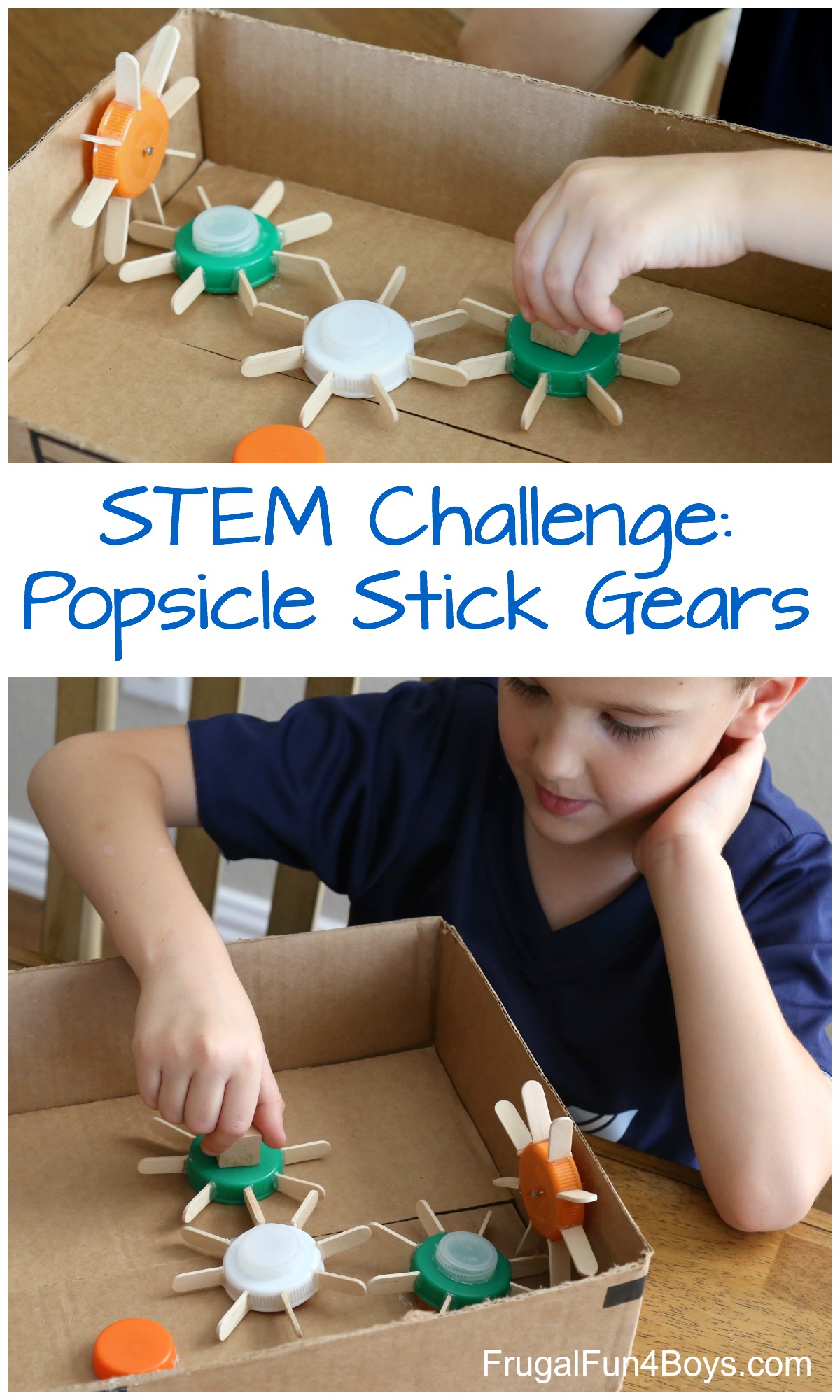
- Gears and Mechanisms: Color interlocking gears and learn how they transfer motion. This introduces basic mechanical engineering in a visual way.
- Robotics Basics: Color a friendly robot, labeling its “sensors,” “arms,” or “wheels.” This sparks an interest in how robots are built and what they can do.
- Transportation Technology: Color different forms of transport (cars, trains, planes) and learn about the technology that makes them move.
- Bridge Building: Color different types of bridges (arch, beam, suspension) and identify their key support structures. A page might ask them to draw an extra support to make a bridge stronger.
- Structure Design: Color a house or building and identify its roof, walls, and foundation. Some pages might offer cut-and-paste elements to build a simple paper structure.
- Tool Identification: Color various tools (hammer, screwdriver, wrench) and discuss what each is used for in construction or repair.
- Designing a Roller Coaster: Color the tracks of a simple roller coaster, thinking about ups, downs, and loops. This introduces concepts of force and motion.
- Shape Recognition: Color different geometric shapes (circles, squares, triangles) and then count their sides or corners. A page might ask them to find all the triangles in a picture.
- Counting and Number Sense: Color-by-number pages where the numbers correspond to quantities or simple addition/subtraction problems. For example, “color all the 2s green, all the (1+1)s green.”
- Pattern Recognition: Color repeating patterns (e.g., red-blue-red-blue) or complete a pattern by drawing the next element.
- Measurement Basics: Color objects of different sizes and arrange them from smallest to largest, or identify which object is “taller” or “shorter.”
- Talk About It: As your child colors, engage them in conversation. Ask open-ended questions like, “What do you think makes the rocket fly?” or “Why does a plant need water?” This reinforces learning and encourages verbal expression.
- Extend the Activity: If they’re coloring a plant, go outside and look at real plants. If they’re coloring a simple machine, find examples around the house. This connects the abstract to the real world, enhancing hands-on education.
- Provide Varied Materials: Offer crayons, colored pencils, markers, and even watercolors. This adds sensory input and allows for different artistic expressions. Keep scissors and glue handy for cut-and-paste activities.
- Create a “STEM Station”: Designate a small area in your home with all the coloring pages, art supplies, and perhaps a few simple science tools (like a magnifying glass) to encourage independent exploration.
- Let Them Lead: While you can guide them, allow your child to choose which pages they want to color and how they want to approach the activity. Their intrinsic motivation is key to fostering a love for early learning STEM.
- Celebrate Their Work: Display their finished pages! This boosts their confidence and shows them that their efforts in problem-solving for kids and learning are valued.
- Morning Warm-Up: Start the day with a STEM coloring page to gently engage their minds and set a positive tone for learning. It’s a calm activity that gets the brain ready for more focused work.
- Supplement Specific Lessons: If you’re learning about animals, pull out an animal anatomy coloring page. If it’s a math day, use a shape or number recognition printable. This reinforces concepts taught in your core curriculum.
- Quiet Time Activity: When you need a moment for yourself or for another child’s focused work, STEM coloring pages provide an engaging and independent activity that is still highly educational.
- Travel Companion: Print a few pages and bring a small set of crayons for car rides, waiting rooms, or visits to family. It’s a screen-free way to keep them entertained and learning on the go.
- Transition Tool: Use a coloring page as a bridge between two different activities or subjects, helping children switch gears smoothly while continuing to learn.
Introducing early learning STEM concepts helps children develop critical thinking, curiosity, and a natural inclination to investigate. It fosters a growth mindset, encouraging them to ask “why?” and “how?” This foundational exposure builds confidence and prepares them for more complex learning later on, laying the groundwork for future success in an ever-evolving world.

Beyond the Lines: How Interactive STEM Coloring Pages Work
Interactive STEM coloring page and printables are far more than just pictures to fill with color. They are thoughtfully designed to engage young minds in active learning, transforming a simple activity into a powerful educational tool. What makes them “interactive”? It’s the elements that prompt children to think, label, match, or even perform a mini-experiment as they color.
Instead of merely coloring a picture of a flower, an interactive page might ask them to:
These activities elevate the experience, turning each page into a miniature homeschool science project. They encourage observation, vocabulary building, sequencing, and even basic data representation. Through these engaging tasks, children aren’t just memorizing facts; they’re actively participating in the learning process, making connections, and solving small problems, which is the essence of hands-on education.
Science Adventures: Exploring the Natural World
Science-themed coloring pages offer a fantastic gateway into the wonders of our universe. They allow children to visually explore concepts that might otherwise be abstract.
Animal Anatomy: Color different parts of an animal (e.g., a fish with fins, scales, and gills), learning basic biological terms. Suggested internal link: [Our Guide to Understanding Ecosystems for Kids]*
These pages provide a tangible way for children to interact with scientific concepts, making them less intimidating and more fascinating. They are excellent for homeschool science projects, allowing for easy integration into lessons about biology, meteorology, or astronomy.

Technology Tales: From Simple Machines to Digital Discoveries
Introducing technology to early learners doesn’t mean giving them a tablet; it means exploring how tools and inventions help us. Interactive coloring pages can demystify these concepts.
These activities help children understand that technology is all around us, from the zipper on their coat to the wheel on their bicycle. It encourages them to think about how things work and how problems are solved through design and invention, fostering early problem-solving for kids.

Engineering Explorations: Building and Designing Fun
Engineering is all about design, construction, and problem-solving. Interactive coloring pages can introduce these foundational ideas in a playful manner.
These engaging activities encourage children to think like engineers, considering how things are built, why certain materials are used, and how design impacts function. It’s a wonderful way to introduce hands-on education in a creative context.
Math Magic: Numbers, Shapes, and Patterns
Mathematics is the foundation of all STEM fields. Interactive coloring pages can make math concepts tangible and enjoyable for young learners.
By integrating math into a creative activity, children develop a positive association with numbers and shapes. These pages are excellent for reinforcing early math skills and making abstract concepts concrete, which is vital for early learning STEM.
The Benefits of STEM Coloring Pages for Early Learners and Homeschooling
The advantages of incorporating STEM coloring page and printables into your child’s routine extend far beyond just keeping them occupied. They offer a holistic approach to development, benefiting various aspects of a young learner’s growth.
Fostering Curiosity and a Love for Learning
Interactive STEM coloring pages naturally pique a child’s interest. By presenting complex ideas in a simplified, visual format, they make learning approachable and fun. This early exposure to science, technology, engineering, and math in a non-intimidating way helps cultivate a lifelong love for learning and discovery. It encourages children to ask questions and seek answers about the world around them.
Developing Fine Motor Skills and Hand-Eye Coordination
The act of coloring itself is a powerful tool for developing fine motor skills. Holding crayons, staying within lines, and manipulating small cut-outs strengthens the muscles in their hands and fingers, which are essential for writing, drawing, and other daily tasks. The precision required for interactive elements also enhances hand-eye coordination.
Enhancing Problem-Solving and Critical Thinking
Unlike traditional coloring, interactive STEM pages often require children to think. Whether it’s labeling parts, matching concepts, or following a sequence, these activities engage their brains in active problem-solving for kids. They learn to analyze information, make decisions, and understand cause and effect, laying crucial groundwork for future academic success.
Boosting Creativity and Imagination
While guided, STEM coloring pages still leave ample room for creative expression. Children can choose their own colors, add extra details, or even imagine stories related to the scientific concepts they are coloring. This blend of structure and freedom nurtures both logical thinking and imaginative play, proving that hands-on education can be both systematic and artistic.
Making Learning Accessible and Affordable
For homeschooling families, STEM coloring page and printables are an incredibly accessible and affordable resource. They can be printed from home, used repeatedly, and tailored to specific learning objectives or interests. This makes them perfect for supplementing homeschool science projects or filling in gaps in a curriculum without requiring expensive materials. Suggested external link: [Visit NASA Kids’ Club for more free STEM resources]
Tips for Maximizing Your STEM Coloring Page Experience
To truly unlock the potential of STEM coloring page and printables, consider these practical tips that go beyond just handing over the crayons:
Integrating STEM Coloring Pages into Your Homeschool Routine
STEM coloring page and printables are incredibly versatile and can be seamlessly woven into various parts of your homeschooling day. Their flexibility makes them an invaluable tool for homeschool science projects and overall early learning STEM.
By integrating these resources creatively, you can ensure consistent exposure to science, technology, engineering, and math concepts, making learning a natural and enjoyable part of your child’s daily life.
Unlock the World of Discovery with STEM Coloring Fun!
Igniting a passion for learning from a young age is one of the greatest gifts we can give our children. Interactive STEM coloring page and printables offer a unique and powerful way to do just that. They transform simple art time into dynamic homeschool science projects, making early learning STEM not just accessible, but genuinely exciting for young scientists. By engaging their hands and minds, these resources foster critical thinking, creativity, fine motor skills, and a lifelong curiosity about the world.
Whether your child is labeling parts of a plant, designing a simple machine, or exploring geometric shapes, every stroke of color is a step towards deeper understanding and greater confidence. These activities are more than just fun; they’re foundational. They teach children that learning is an adventure, problems are puzzles waiting to be solved, and the world is full of wonders to discover. Don’t miss out on this incredible opportunity to blend art with education and watch your child’s imagination and intellect flourish.
Start your STEM adventure with our interactive coloring activities today and watch your young scientist thrive!


0 Comments