
Here is the polished, publication-ready version of your article. All placeholder text has been removed, and the content is formatted for immediate use on a WordPress blog.
—
Mastering High-Frequency Words: Effective Strategies for Sight Word Success (Free Sight Word Practice Worksheets Inside)
Introduction
High-frequency words—often called sight words—are the backbone of early reading. These short, common words (think: the, and, is, you) make up a large portion of the text young children encounter. When early readers recognize these words automatically, reading becomes faster, smoother, and more enjoyable. For parents and early childhood educators, supporting mastery of kindergarten sight words and beyond is one of the most effective ways to build reading fluency.
In this article, you’ll find practical, research-informed strategies for teaching sight words, ways to integrate them into homeschool language arts, and a simple system for tracking progress. Plus, you can grab your free sight word practice worksheets to make practice effortless and fun.
Why Sight Words Matter for Early Readers
Sight words appear so frequently that being able to recognize them at a glance reduces cognitive load while decoding. When children don’t have to decode every little word, they can focus on comprehension, expression, and pacing. Research shows that automatic recognition of high-frequency words correlates strongly with improved reading fluency and overall literacy development. Teaching these words explicitly and systematically—rather than hoping children pick them up incidentally—speeds progress and builds confidence.
Practical Strategies for Teaching Kindergarten Sight Words
1. Start with a manageable list
- Focus on a small set of high-priority words (5–10) until mastery is evident.
- Use frequency-based lists such as Dolch or Fry, but adapt to the child’s needs and classroom texts.
- Say it: Have the child say the word aloud.
- See it: Show the printed word in large, clear type.
- Touch it: Let the child trace the word with their finger or write it in sand or shaving cream.
- Move it: Spell the word with letter tiles or magnetic letters.
- Practice sight words in short, meaningful sentences rather than in isolation.
- Create simple decodable readers or use classroom texts that include target words frequently.
- Encourage children to point out sight words in storybooks, signs, and morning messages.
- Use short, daily practice sessions (5–10 minutes) rather than long, infrequent drills.
- Vary activities—matching games, flashcards, cloze (fill-in-the-blank) sentences—to keep engagement high.
- Space practice across days to support long-term retention (spaced repetition).
- Use quick, low-pressure timed reads (e.g., one-minute warm-ups) to measure progress in reading fluency.
- Celebrate improvements in words per minute or accuracy rather than penalizing mistakes.
- For students struggling with memorization, break words into chunks, emphasize phonics patterns that apply, and provide extra multisensory practice.
- For advanced readers, combine sight word mastery with vocabulary expansion and comprehension tasks.
- Use play-based learning: build words with Play-Doh, create sight word scavenger hunts, or make sight-word hopscotch.
- Read together every day and point out target words—ask your child to “be the sight-word detective” while you read.
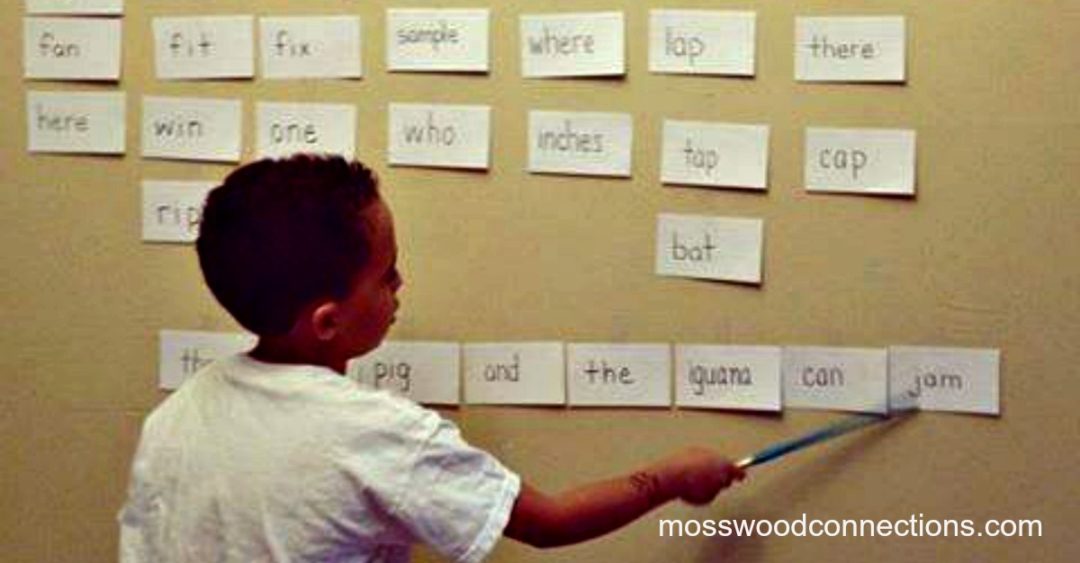
- Create a sight-word wall or ringed flashcards so the child can revisit words independently.
- Track progress with a simple checklist to celebrate milestones and identify words that need review.
- Memory Match: Match printed words to pictures or to the same words.
- Rainbow Writing: Write each sight word several times in different colored pencils to reinforce visual memory.
- Digital Practice: Short, focused apps can provide motivating, game-based repetition; pair with offline activities for balance.
- Reintroduce multisensory practice for that word.
- Add the word to morning routine activities and label it in the environment.
- Pair the sight word with phonics instruction—many “sight” words do follow phonetic rules that can aid memory.
- Daily warm-ups to start a homeschool language arts session
- Targeted practice during small-group instruction
- Homework sheets for parents who want simple, structured reinforcement
- “Kindergarten Sight Words: A Parent’s Guide” (anchor text: kindergarten sight words)
- “Early Reading Fluency Strategies” (anchor text: reading fluency)
- Reading research from the National Reading Panel or the American Academy of Pediatrics for background on early literacy.
- “Child practicing sight words with flashcards”
- “Homeschool language arts worksheet showing sight words”
2. Use multisensory instruction
Multisensory approaches help different learners encode words into memory more effectively.
3. Teach in context
4. Make repetition purposeful
5. Build automaticity with timed practice
6. Differentiate instruction
At-Home and Homeschool Language Arts Tips
– Integrate sight word practice into daily routines: label household items, write notes that include target words, or play word-finding games during errands.
Activities That Boost Engagement
– Sight Word Bingo: Use boards filled with target words rather than numbers.
Assessing Progress and When to Intervene
Regular, informal assessment helps you spot which words are secure and which require more attention. Use brief weekly checks: show the word and ask the child to read it in isolation and in a sentence. If a word is consistently missed after repeated practice, try these adjustments:
Free Sight Word Practice Worksheets — How to Use Them
Well-designed worksheets should be short, varied, and focused. Your free sight word practice worksheets include tracing, fill-in-the-blank sentences, matching activities, and a quick assessment page. Use them as:
Keep sessions brief, praise effort, and mix worksheet time with active learning.
Resources and Linking Suggestions
Internal links to add on your site:
External authoritative links:
Suggested image alt text:
Conclusion
Mastering high-frequency words unlocks fluent, confident reading for early readers. With short, purposeful practice, multisensory activities, and consistent reinforcement—at school or in homeschool language arts—sight word success is within reach. Use varied activities, celebrate small wins, and monitor progress to keep children motivated. Ready to make sight word practice effortless and fun? Grab your free sight word practice worksheets now.


0 Comments