
Math Made Fun: Unleash Creativity and Learning with Coloring Activities
Math can sometimes feel like a daunting subject, filled with abstract concepts and endless equations. But what if we told you there’s a way to make math engaging, enjoyable, and even… fun? Enter the world of math coloring activities! By combining the power of visual learning with the joy of artistic expression, these activities transform numbers and equations into vibrant masterpieces. Get ready to discover how coloring can unlock a whole new dimension of math learning for kids (and adults!) of all ages.
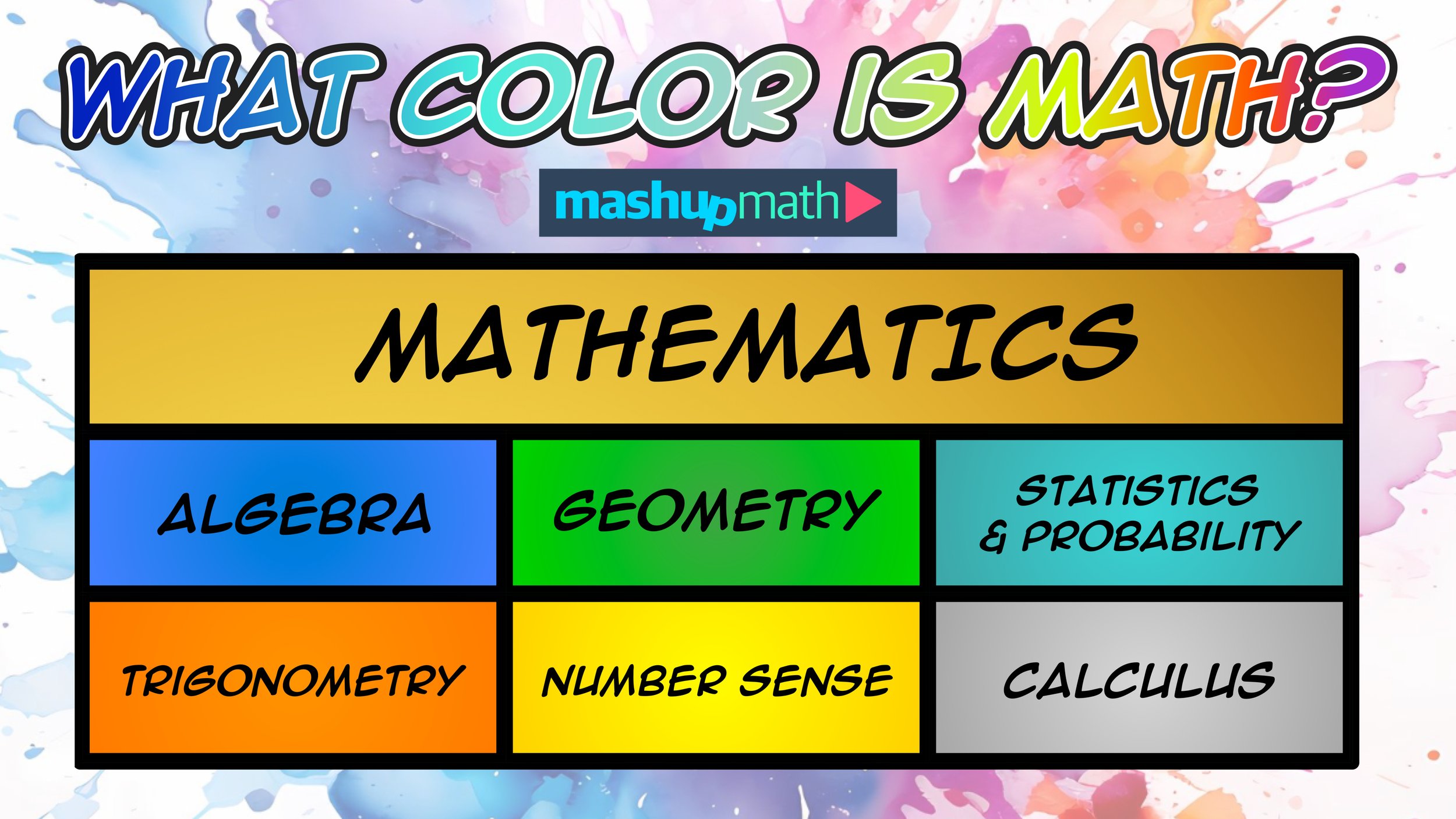
Why Coloring Works Wonders for Math Learning
Coloring isn’t just a pastime; it’s a powerful tool that can enhance cognitive skills and make learning more effective. When applied to math, coloring activities offer a unique blend of benefits:
- Visual Reinforcement: Math concepts become more tangible when associated with colors and shapes. Visual learners thrive on this approach, as it helps them create mental images that solidify their understanding.
- Improved Focus and Concentration: The act of coloring requires focus and attention to detail. This can help children develop concentration skills while they’re simultaneously learning math.
- Reduced Math Anxiety: Coloring can alleviate the stress and anxiety often associated with math. By turning math into a playful activity, children feel more relaxed and receptive to learning.
- Enhanced Fine Motor Skills: Coloring improves hand-eye coordination and fine motor skills, which are essential for writing and other academic tasks.
- Creative Expression: Math coloring activities allow children to express their creativity while learning. This makes the learning process more enjoyable and memorable.
- Addition and Subtraction Color by Number: These activities reinforce basic arithmetic skills. For example, children might solve problems like “5 + 3 = ?” and then color the area labeled “8” with a specific color.
- Multiplication and Division Color by Number: These activities introduce or reinforce multiplication and division facts. Children solve problems like “7 x 6 = ?” and then color the area labeled “42” accordingly.
- Fractions and Decimals Color by Number: These activities help children visualize and understand fractions and decimals. They might solve problems like “1/2 + 1/4 = ?” and then color the corresponding area.
- Identifying Shapes: These activities help children recognize and name basic shapes like squares, circles, triangles, and rectangles.
- Symmetry Coloring: These activities explore the concept of symmetry. Children color one half of a symmetrical image and then replicate the colors on the other half.
- Tessellations Coloring: These activities introduce tessellations, which are patterns of repeating shapes that fit together without gaps or overlaps.
- Coordinate Plane Graphing: These activities involve plotting points on a coordinate plane to reveal a hidden image. This reinforces graphing skills and spatial reasoning.
- Equation Solving: These activities require children to solve equations to determine which areas to color. This makes equation solving more engaging and rewarding.
- Number Patterns: These activities involve identifying and extending number patterns, such as arithmetic sequences or geometric sequences.
- Shape Patterns: These activities involve identifying and extending patterns of shapes.
- Color Patterns: These activities involve identifying and extending patterns of colors.
- Sierpinski Triangle Coloring: The Sierpinski triangle is a classic fractal pattern. Children color different iterations of the triangle to create intricate designs.
- Mandelbrot Set Coloring: The Mandelbrot set is a complex fractal that can be colored according to mathematical rules. This activity is more advanced but can be very rewarding.
- Start with the Basics: Begin with simple color by number activities to introduce the concept and build confidence.
- Choose Age-Appropriate Activities: Select activities that are aligned with the child’s current math skills and learning level.
- Make it a Regular Activity: Dedicate a specific time each week for math coloring. This will help children develop a positive association with math.
- Use it as a Review Tool: Math coloring activities can be used to review previously learned concepts.
- Encourage Creativity: Don’t be afraid to let children experiment with different colors and patterns. The goal is to make learning fun and engaging.
- Connect to Real-World Examples: Relate the math concepts to real-world examples to make them more relevant and meaningful. For example, when working with fractions, you could use a pizza as a visual aid.
- Turn it into a Game: Make math coloring more interactive by turning it into a game. You could create a competition to see who can complete the activity the fastest or who can create the most creative design.
- Provide Encouragement and Praise: Offer positive reinforcement and praise for effort and progress. This will help build confidence and motivation.
- Websites:
- Education.com: Offers a wide range of free math coloring worksheets for different grade levels.
- Math-Drills.com: Provides a vast collection of printable math worksheets, including color by number activities.
- Super Coloring: Features a variety of math-related coloring pages, including geometric shapes and patterns.
- Teachers Pay Teachers: A marketplace where teachers share and sell educational resources, including many free math coloring activities. (Filter for free resources).
- Search Engines:
- Use search terms like “free printable math color by number,” “math coloring worksheets,” or “geometric coloring pages” to find a wealth of resources online.
- Libraries and Bookstores:
- Check your local library or bookstore for math activity books that include coloring pages.
- Complex Fractals: Explore more complex fractal patterns like the Mandelbrot set or Julia sets. These patterns can be colored according to mathematical rules, creating stunning visual representations of mathematical concepts.
- Mathematical Art: Combine math concepts with artistic techniques to create original works of art. For example, you could use geometric constructions to create intricate designs or use mathematical equations to generate patterns.
- Coding and Algorithms: Use coding to generate mathematical patterns and then color them. This combines math, computer science, and art in a unique and creative way.
- 3D Coloring: Explore 3D coloring activities that involve coloring geometric solids or creating 3D fractal models.
- Anchor Text: Visual Learning
- Link to: An article on your website about the benefits of visual learning techniques.
- Anchor Text: Math Anxiety
- Link to: An article on your website discussing strategies for overcoming math anxiety in children.
- Anchor Text: Geometric Concepts
- Link to: A page on your website explaining basic geometric principles.
- Link Text: Education.com
- URL: https://www.education.com/
- Attribute: rel=”nofollow”
- Link Text: Math-Drills.com
- URL: https://www.math-drills.com/
- Attribute: rel=”nofollow”
- Include social sharing buttons (e.g., Facebook, Twitter, Pinterest) to encourage readers to share the article with their networks.
- Suggest a compelling social media caption, such as: “Make math fun with coloring! Discover how these activities can boost learning and creativity. #math #coloring #education #kidsactivities”
In essence, coloring provides a multi-sensory learning experience that caters to different learning styles and makes math more accessible and appealing.

Types of Math Coloring Activities to Spark Joy
The beauty of math coloring lies in its versatility. There’s a coloring activity for virtually every math concept, from basic arithmetic to advanced algebra. Here are some popular types to get you started:

Color by Number: The Classic Approach
Color by number activities assign specific colors to numbers or ranges of numbers. Children solve simple math problems and then color the corresponding areas according to the key.

Color by Shape: Geometric Adventures
Color by shape activities focus on geometric concepts. Children identify different shapes and color them according to a specific key.

Mystery Picture Coloring: Unveiling Hidden Images
Mystery picture coloring activities combine math problems with a hidden image. Children solve the problems, color the corresponding areas, and gradually reveal the picture.
Pattern Coloring: Discovering Mathematical Sequences
Pattern coloring activities explore mathematical sequences and patterns. Children identify the pattern and then continue it by coloring the subsequent elements.
Fractal Coloring: Exploring Infinite Detail
Fractal coloring activities introduce the concept of fractals, which are self-similar patterns that repeat at different scales. These activities can be visually stunning and intellectually stimulating.
Integrating Math Coloring into Learning: Practical Tips
Incorporating math coloring activities into your teaching or homeschooling routine is easier than you might think. Here are some practical tips to get you started:
Free Resources and Where to Find Math Coloring Activities
Ready to dive into the world of math coloring? Here are some excellent resources where you can find free and printable activities:
Remember to always preview the activities to ensure they are appropriate for the child’s age and skill level.
Advanced Math Coloring: Taking it to the Next Level
For older children and adults, math coloring can be a surprisingly engaging and intellectually stimulating activity. Here are some ways to take it to the next level:
The Enduring Appeal of Math Coloring
Math coloring activities offer a unique and effective way to make math more engaging, accessible, and enjoyable for learners of all ages. By combining the power of visual learning with the joy of artistic expression, these activities transform numbers and equations into vibrant masterpieces. Whether you’re a teacher looking for new ways to engage your students, a parent seeking to support your child’s learning, or simply someone who wants to explore the beauty of math in a creative way, math coloring is a fantastic option. So, grab your coloring pencils, embrace the fun, and unlock a whole new dimension of math learning! Remember, math doesn’t have to be a chore; it can be a colorful adventure!
Internal Linking Suggestions:
External Linking Suggestions:
Social Sharing Optimization:

0 Comments