
Unleash Your Child’s Imagination: A Parent’s Guide to Creative Writing (Grades 2-5)
Creative writing is more than just putting words on paper; it’s about sparking imagination, fostering self-expression, and building essential communication skills. As parents, you play a crucial role in nurturing your child’s creative spirit, especially during the formative years of grades 2-5. This guide will provide you with practical tips, engaging activities, and helpful resources to support your young writer on their storytelling journey. Let’s embark on this exciting adventure together!
.jpg)
Why Creative Writing Matters for Elementary Students
Creative writing offers a wealth of benefits for children in grades 2-5, extending far beyond the classroom. It’s not just about getting good grades; it’s about developing vital life skills.
- Boosts Imagination and Creativity: Creative writing encourages children to think outside the box, explore new ideas, and invent unique worlds. It allows them to break free from the constraints of reality and unleash their inner visionaries.
- Enhances Communication Skills: Through writing, children learn to articulate their thoughts, express their emotions, and communicate effectively with others. They develop a stronger vocabulary and a better understanding of grammar and sentence structure.
- Develops Critical Thinking: Crafting a story requires critical thinking skills such as planning, organizing, and problem-solving. Children learn to analyze situations, develop characters, and create compelling plots.
- Builds Confidence and Self-Esteem: Sharing their stories and receiving positive feedback can significantly boost a child’s confidence and self-esteem. It empowers them to believe in their abilities and express themselves without fear of judgment.
- Improves Reading Comprehension: Writing and reading are interconnected skills. As children write, they develop a deeper understanding of narrative structure, character development, and literary devices, which in turn enhances their reading comprehension.
- Provides an Outlet for Emotions: Creative writing can be a therapeutic outlet for children to process their emotions, explore their experiences, and express themselves in a safe and creative way.
- Make Writing Fun: Approach writing as a playful activity rather than a chore. Use games, prompts, and storytelling exercises to make it enjoyable.
- Provide a Dedicated Writing Space: Designate a quiet and comfortable space where your child can write without distractions. This could be a desk in their room, a cozy corner in the living room, or even a spot outdoors.
- Offer a Variety of Writing Tools: Provide a selection of writing tools such as colorful pens, markers, notebooks, journals, and even a computer or tablet. Let your child choose the tools that inspire them most.
- Encourage Reading: Reading is the fuel for writing. Encourage your child to read widely and explore different genres. Discuss the stories they read and analyze the writing styles of their favorite authors.
- Be a Role Model: Show your child that you value writing by engaging in your own writing activities, whether it’s journaling, writing letters, or working on a creative project.
- Focus on the Process, Not Perfection: Emphasize the importance of the writing process rather than focusing solely on the final product. Encourage experimentation, risk-taking, and learning from mistakes.
- Provide Positive Feedback: Offer specific and constructive feedback that focuses on the strengths of your child’s writing. Highlight what you enjoyed, what you found interesting, and what you learned from their story.
- Celebrate Successes: Celebrate your child’s writing achievements, no matter how small. Display their stories, share them with family and friends, or even create a “published” book of their work.
- “The day the animals started talking, everything changed…”
- “Once upon a time, in a land filled with chocolate rivers and candy trees…”
- “I woke up one morning and discovered I had superpowers…”
- “The old, dusty map led to a hidden treasure…”
- “It was a dark and stormy night when I heard a strange noise…”
- Name: What is your character’s name?
- Appearance: What do they look like?
- Personality: What are their strengths and weaknesses?
- Backstory: What is their background and history?
- Motivation: What do they want to achieve?
- Geography: What does the landscape look like? Are there mountains, forests, oceans, or deserts?
- Culture: What are the customs, traditions, and beliefs of the people who live there?
- Technology: What kind of technology exists in this world? Is it advanced or primitive?
- Magic: Does magic exist in this world? If so, how does it work?
- Creatures: What kind of creatures inhabit this world? Are there mythical beasts, talking animals, or alien beings?
- “What if animals could talk?”
- “What if you could travel through time?”
- “What if you found a magic lamp?”
- “What if you woke up one day with superpowers?”
- “What if you could live on another planet?”
- Green leaves gently sway (5 syllables)
- Sunlight dances on the breeze (7 syllables)
- Summer days are here (5 syllables)
- Writer’s Block: Encourage your child to take a break, try a different writing activity, or brainstorm ideas with you. Story starters, picture prompts, and “what if” scenarios can be helpful in overcoming writer’s block.
- Fear of Criticism: Reassure your child that their writing is valued and appreciated. Focus on the strengths of their writing and offer constructive feedback in a supportive and encouraging manner.
- Difficulty with Grammar and Spelling: Don’t let grammar and spelling errors discourage your child. Focus on the content and creativity of their writing first. You can address grammar and spelling issues during the editing process.
- Lack of Confidence: Celebrate your child’s writing achievements, no matter how small. Encourage them to share their stories with family and friends and provide positive feedback.
- Distractions: Create a quiet and distraction-free writing environment. Minimize interruptions and encourage your child to focus on their writing.
- Books on Creative Writing for Kids:
- “Rip the Page!: Adventures in Creative Writing” by Karen Benke
- “Spilling Ink: A Young Writer’s Handbook” by Anne Mazer and Ellen Potter
- “Ralph Fletcher’s Writing Workshop: An Elementary Guide to Unleashing Your Inner Voice” by Ralph Fletcher
- Websites with Writing Prompts and Activities:
- KidZone: Offers a variety of writing prompts, story starters, and writing worksheets.
- Creative Writing Prompts: Provides a daily writing prompt to inspire creativity.
- Journal Buddies: Offers a collection of journal prompts for kids of all ages.
- Local Libraries and Writing Workshops: Check your local library for creative writing workshops and programs for children.
- Online Writing Communities: Explore online writing communities where your child can share their work and receive feedback from other young writers.
- Make writing a regular part of your child’s life.
- Encourage them to write about topics that interest them.
- Provide them with opportunities to share their writing with others.
- Celebrate their writing achievements, no matter how small.
- Most importantly, make writing fun and enjoyable!
Key Takeaway: Creative writing is an invaluable tool for developing imagination, communication, critical thinking, and emotional intelligence in children. It sets the stage for future success in academics and life.

Creating a Supportive Writing Environment at Home
Before diving into specific writing activities, it’s essential to create a supportive and encouraging environment where your child feels comfortable expressing themselves.
Actionable Tip: Designate a special “writing corner” with comfortable seating, good lighting, and a variety of writing tools to inspire your child’s creativity.
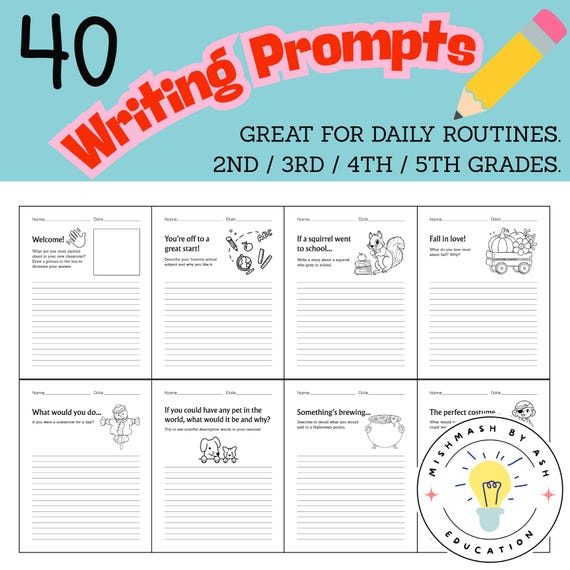
Engaging Writing Activities for Grades 2-5
Now, let’s explore some fun and engaging writing activities that you can do with your child at home.
1. Story Starters
Story starters are a great way to spark imagination and overcome writer’s block. Provide your child with an opening sentence or paragraph and encourage them to continue the story.
Examples:
Activity: Write a story starter on a piece of paper, fold it up, and have your child pick one at random. Encourage them to brainstorm ideas, create characters, and develop a plot based on the starter.

2. Character Creation
Creating compelling characters is essential for any good story. Help your child develop interesting and believable characters by asking them to consider the following:
Activity: Create a character profile worksheet with these questions and have your child fill it out for a new character. Encourage them to draw a picture of their character and write a short paragraph describing them.
3. World-Building
Creating a unique and imaginative world can add depth and richness to a story. Encourage your child to think about the following aspects of their world:
Activity: Have your child create a map of their world and label the different regions. Encourage them to write a description of each region, including its geography, culture, and inhabitants.
4. “What If…?” Scenarios
“What if…?” scenarios are a fun way to explore different possibilities and develop creative problem-solving skills. Present your child with a “what if” question and encourage them to write a story about it.
Examples:
Activity: Brainstorm a list of “what if” questions with your child. Have them choose one question and write a story about what would happen.
5. Picture Prompts
Pictures can be a powerful source of inspiration for creative writing. Show your child a picture and ask them to write a story about what they see, what they imagine is happening, or what might happen next.
Activity: Collect a variety of pictures from magazines, newspapers, or online sources. Have your child choose a picture and write a story inspired by it. Encourage them to focus on the details of the picture and use their imagination to fill in the gaps.
6. Sensory Writing
Sensory writing focuses on using descriptive language to appeal to the five senses: sight, sound, smell, taste, and touch. Encourage your child to use vivid language to describe their experiences and create a more immersive reading experience.
Activity: Take your child on a nature walk and have them write down their observations using sensory language. For example, instead of writing “The tree was big,” they could write “The towering oak tree scraped the sky with its gnarled branches, its rough bark cool and textured against my palm.”
7. Collaborative Storytelling
Collaborative storytelling is a fun way to encourage teamwork and creativity. Take turns with your child writing sentences or paragraphs to create a shared story.
Activity: Start a story with a simple sentence, such as “The cat jumped out of the window.” Then, have your child add the next sentence, and continue taking turns until you have a complete story.
8. Poetry Writing
Poetry is a powerful form of creative expression that can help children develop their language skills and explore their emotions. Introduce your child to different types of poetry, such as haiku, limerick, and free verse.
Activity: Write a haiku together. Explain that a haiku is a three-line poem with a syllable structure of 5-7-5. For example:
9. Journaling
Journaling is a great way for children to explore their thoughts, feelings, and experiences. Encourage your child to write in a journal regularly, even if it’s just for a few minutes each day.
Activity: Provide your child with a special journal and encourage them to write about their day, their dreams, their fears, and their hopes. Let them know that their journal is a safe space where they can express themselves freely without judgment.
10. Comic Strip Creation
Creating comic strips is a fun way to combine writing and drawing. Encourage your child to create their own comic strip with characters, dialogue, and a storyline.
Activity: Provide your child with blank comic strip templates or have them draw their own. Encourage them to brainstorm ideas for their comic strip, create characters, and write dialogue.
Internal Link Suggestion: Link to another article on your website about “Developing Character Arcs in Children’s Stories” using the anchor text “character development.”
Key Takeaway: Experiment with different writing activities to discover what inspires your child the most. The key is to make writing fun, engaging, and relevant to their interests.
Overcoming Common Writing Challenges
Even with the best support and encouragement, children may encounter challenges along the way. Here are some common writing challenges and how to address them:
Actionable Tip: If your child is struggling with writer’s block, try a “freewriting” exercise where they write continuously for a set amount of time without worrying about grammar or spelling.
Resources for Parents and Young Writers
There are many valuable resources available to support parents and young writers. Here are a few suggestions:
External Link Suggestion: Link to “KidZone” using the anchor text “writing prompts and worksheets” and set the link to open in a new tab.
Encouraging a Lifelong Love of Writing
The goal is not just to improve your child’s writing skills but to foster a lifelong love of writing. By creating a supportive environment, providing engaging activities, and celebrating their successes, you can help your child develop a passion for writing that will benefit them throughout their lives.
Key Takeaway: By nurturing your child’s creative spirit and providing them with the tools and support they need, you can help them develop a lifelong love of writing.
Conclusion: Empowering Young Storytellers
Guiding your child’s creative writing journey is a rewarding experience that can unlock their imagination, boost their confidence, and equip them with essential communication skills. By creating a supportive environment, engaging in fun activities, and celebrating their achievements, you can empower your young storyteller to express themselves, explore new worlds, and share their unique voice with the world. Remember, the most important thing is to make writing fun and enjoyable, fostering a lifelong love of words and storytelling. So, grab a pen and paper, unleash your imaginations, and embark on this exciting adventure together!
Call to Action: Sign up for our newsletter to receive weekly writing prompts, creative activities, and tips for supporting your child’s writing journey! Let’s inspire the next generation of storytellers together.


0 Comments