
Nurturing Emotional Intelligence: Teaching Kids to Recognize and Express Feelings Through Engaging Coloring Activities
As parents and educators, we all want our children to thrive, not just academically, but emotionally. In today’s fast-paced world, equipping young learners with the tools to understand and manage their inner landscape is more crucial than ever. This is where emotional intelligence (EI) comes into play – the ability to recognize emotions, understand their impact, and express feelings in healthy ways. While traditional methods often focus on verbal communication, a wonderfully engaging and accessible approach lies in the simple, yet profound, act of coloring.
Imagine a child quietly absorbed in a vibrant illustration, their crayons gliding across the paper. What might seem like a mere pastime is, in fact, a powerful pathway to self-discovery and emotional literacy. This article will explore how feelings coloring page and printables can become an invaluable part of your child’s emotional development, serving as a calm learning activity that builds emotional awareness and even complements a homeschool SEL curriculum. We’ll delve into practical strategies, highlight the benefits of mindfulness for kids through art, and show you how to transform a simple box of crayons into a toolkit for fostering profound emotional growth.

Why Emotional Intelligence Matters for Young Learners
Emotional intelligence isn’t just a buzzword; it’s a foundational skill set that influences every aspect of a child’s life. Children with developed emotional intelligence tend to navigate social situations more effectively, build stronger relationships, and demonstrate greater resilience in the face of challenges. They are better equipped to understand not only their own emotions but also those of others, leading to increased empathy and compassion.
For young children, developing emotional awareness means learning to identify what they’re feeling – whether it’s happiness, sadness, anger, or fear – and understanding that these emotions are normal and valid. This awareness is the first step toward self-regulation and healthy coping mechanisms. Integrating emotional learning into daily routines, especially within a structured homeschool SEL curriculum, provides children with the language and strategies they need to articulate their inner experiences, setting them up for success in school, friendships, and life beyond.
The Power of Play: How Coloring Fosters Emotional Growth
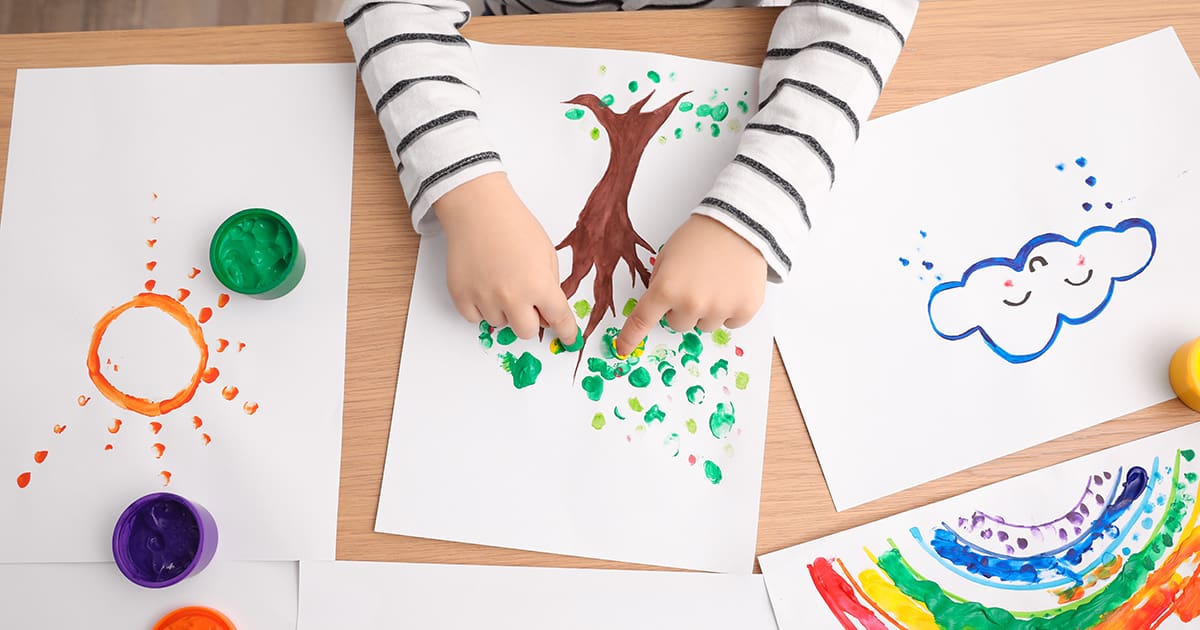
Play is the natural language of childhood, and within its boundless freedom lies immense potential for learning and development. Coloring, in particular, offers a unique blend of creativity, structure, and therapeutic benefits that make it an ideal medium for emotional exploration. It transcends language barriers, allowing even the youngest children to engage with complex concepts like feelings in a tangible, non-threatening way.
As a calm learning activity, coloring naturally encourages focus and introspection. It provides a gentle entry point into mindfulness for kids, helping them to slow down, concentrate on the present moment, and process their thoughts and feelings without pressure. This focused engagement is crucial for developing the self-awareness necessary to recognize emotions and eventually express feelings constructively.
A Safe Space for Exploration
One of the greatest gifts coloring offers is a safe, non-judgmental space. Unlike direct questioning, which can sometimes feel intimidating to a child struggling to articulate an emotion, coloring allows for indirect expression. A child might choose dark, intense colors for an angry monster or bright, warm hues for a joyful scene, visually representing their internal state without needing to find the perfect words immediately. This creative outlet reduces anxiety, making it easier for children to open up about their feelings when they are ready.

Visualizing Feelings
Colors themselves carry emotional weight, and children instinctively understand this. Red often signifies anger or excitement, blue can represent sadness or calm, and yellow might evoke happiness or worry. By engaging with feelings coloring page and printables that depict various emotions, children begin to associate specific colors and images with different internal states. This visual vocabulary empowers them to better recognize emotions in themselves and others, laying a crucial groundwork for deeper emotional understanding.

Practical Strategies: Using Feelings Coloring Pages to Teach Emotions
Integrating feelings coloring page and printables into your child’s routine is simple and incredibly effective. The key is to make it an interactive and reflective experience, not just a quiet activity.
Introducing “Feelings Coloring Page and Printables”
Start by introducing a variety of feelings coloring page and printables that clearly depict different emotions. Look for printables that feature characters showing happiness, sadness, anger, fear, surprise, and even more nuanced feelings like frustration or excitement.
- Choose the Emotion: Select a page featuring a specific emotion. Before coloring, talk about that emotion. “This character looks surprised! What does it feel like to be surprised?”
- Color and Discuss: As your child colors, ask open-ended questions. “What color do you think surprise feels like?” “What makes you feel surprised?” This helps them connect the visual representation with their own experiences and begin to recognize emotions in themselves.
- Personalize It: Encourage them to draw their own version of the feeling, or to draw something that makes them feel that way.
- “Show Me How You Feel”: Ask your child to point to a feeling on a completed page that matches how they are currently feeling. “You colored the ‘happy’ page so bright! Does that mean you’re feeling happy today?”
- Scenario Play: Present a scenario and ask them to choose the feeling that fits. “Imagine your friend accidentally knocked over your tower. How would you feel?” Then, discuss healthy ways to express feelings in that situation.
- Storytelling: Encourage them to tell a story about the character on the page, focusing on why the character feels that way and what they might do next. This helps develop empathy and problem-solving skills.
- Weekly Emotion Focus: Dedicate each week to a different emotion, using coloring pages as a central activity. Supplement with books, discussions, and role-playing.
- Morning Check-in: Begin your homeschool day with a quick “feelings check-in” using a coloring page. This sets a positive tone and helps children articulate their emotional state before diving into academics.
- Coping Strategy Practice: After coloring an emotion, discuss and practice coping strategies. If they colored an “angry” page, talk about taking deep breaths or finding a quiet space. This directly supports the self-regulation component of SEL.
- Improved Concentration: Sustained engagement with a task.
- Stress Reduction: A gentle way to de-stress and calm an overactive mind.
- Self-Regulation: Learning to manage impulses and emotions by engaging in a calming activity.
- Be Patient and Present: Emotional development is a process. Be patient with your child and fully present during these activities. Your engagement is key.
- Model Emotions: Share your own feelings appropriately. “I’m feeling a little frustrated with this puzzle right now, so I’m going to take a deep breath.” This teaches children that it’s okay to express feelings.
- Create a Supportive Environment: Ensure your home or classroom is a safe space where all emotions are acknowledged and validated. Avoid telling children not to feel a certain way.
- Consistency is Key: Regular engagement with feelings coloring page and printables and discussions will yield the best results. Make it a consistent part of your routine.
(Internal Link Suggestion: Explore our collection of free printable feelings charts and activities for more resources.)
Beyond the Crayons: Integrating Discussion and Expression
The real magic happens when coloring becomes a springboard for conversation. Once the coloring is complete, use it as a tool to express feelings verbally.
(External Link Suggestion: For more insights into child emotional development, consider resources from Zero to Three.)
Creating a “Feelings Journal” or “Emotion Gallery”
To extend the learning, create a “Feelings Journal” by binding their colored pages together, or an “Emotion Gallery” by displaying them. This allows children to revisit their work, track their emotional landscape over time, and see how their feelings change. It reinforces the idea that all feelings are temporary and okay. Regularly reviewing these creations can be a powerful tool for self-reflection and growth in emotional awareness.
Integrating Emotional Learning into Your Homeschool SEL Curriculum
For those implementing a homeschool SEL curriculum, feelings coloring pages are a natural and effective addition. They offer a hands-on, low-prep activity that aligns perfectly with social-emotional learning goals.
Mindfulness and Calm: The Therapeutic Benefits of Coloring
Beyond direct emotional teaching, coloring offers significant therapeutic benefits, making it an excellent calm learning activity and a pathway to mindfulness for kids. The repetitive motion of coloring, combined with the focus required to stay within lines or choose colors, can be incredibly soothing.
This focused attention helps children develop:
These benefits contribute directly to mindfulness for kids, teaching them to be present and aware of their internal and external world without judgment. It’s a quiet moment where they can simply be, fostering a sense of peace and inner calm that is essential for emotional well-being.
Tips for Parents and Educators
As you embark on this journey of nurturing emotional intelligence through coloring, remember these friendly tips:
Cultivating a Heartfelt Understanding
Teaching children to recognize emotions and express feelings is one of the most vital lessons we can impart. Through the joyful, accessible medium of coloring, we offer them a powerful tool to navigate their complex inner worlds with confidence and grace. These calm learning activities not only enhance emotional awareness and support a robust homeschool SEL curriculum but also instill the invaluable practice of mindfulness for kids. By embracing feelings coloring page and printables, you’re not just providing a fun activity; you’re laying the groundwork for a lifetime of emotional resilience and well-being.
Ready to empower your child with emotional literacy? Foster emotional growth with our free emotional intelligence resources!


0 Comments