
Uncover the Past: Exploring History Through Engaging Coloring Activities
History, often perceived as a collection of dates and names, can spring to life through creative and engaging activities. Coloring, a beloved pastime for people of all ages, provides a unique and interactive way to connect with historical events, figures, and cultures. By combining artistic expression with historical learning, we can foster a deeper understanding and appreciation for the past. This article delves into the exciting world of exploring history with coloring activities, offering insights, ideas, and resources to make learning history a vibrant and memorable experience.

The Power of Visual Learning: How Coloring Enhances Historical Understanding
Visual learning is a powerful tool for comprehension and retention. Coloring activities tap into this power by presenting historical information in a visually appealing and interactive format. Here’s how coloring enhances historical understanding:
- Improved Memory Retention: Engaging with historical figures and events through coloring helps to reinforce memory. The act of coloring allows the brain to process information in a more active and meaningful way, leading to better recall.
- Enhanced Comprehension: Coloring intricate designs and scenes prompts closer observation and analysis. This detailed engagement fosters a deeper understanding of the historical context and the nuances of the subject matter.
- Creative Expression: Coloring encourages creativity and allows individuals to express their interpretation of historical events. This personal connection with the past makes learning more engaging and memorable.
- Reduced Stress and Anxiety: Coloring is a relaxing activity that can reduce stress and anxiety. This is particularly beneficial for learners who may find traditional history lessons overwhelming or intimidating.
- Accessibility for All Ages: Coloring is an activity that can be enjoyed by people of all ages, from young children to adults. This makes it a versatile tool for historical education in various settings, including classrooms, homes, and museums.
- Age Appropriateness: Choose coloring activities that are suitable for the age and developmental level of the learners. Younger children may benefit from simpler designs with bold outlines, while older children and adults may appreciate more intricate and detailed illustrations.
- Historical Accuracy: Ensure that the coloring activities are historically accurate and reflect the correct details of the events, figures, or cultures being represented. Research the source material and verify the information presented in the coloring pages.
- Learning Objectives: Identify the specific learning objectives you want to achieve with the coloring activity. For example, if you want to teach about ancient Egypt, choose coloring pages that depict pharaohs, pyramids, and hieroglyphics.
- Variety and Engagement: Offer a variety of coloring activities to keep learners engaged and motivated. This could include coloring pages, coloring books, historical maps, and create-your-own-story templates.
- Supplementary Materials: Supplement the coloring activities with additional resources, such as historical texts, documentaries, and online articles. This will provide learners with a more comprehensive understanding of the subject matter.
- Ancient Greece: Color Greek gods and goddesses, architectural wonders like the Parthenon, and scenes from Greek mythology and history.
- Ancient Rome: Color Roman emperors, gladiators, the Colosseum, and scenes from Roman daily life. Learn about Roman law, government, and military.
- Mesopotamia: Color ziggurats, cuneiform writing, and scenes from Mesopotamian mythology and history. Learn about the inventions and innovations of this ancient civilization.
- Medieval Art and Architecture: Color illuminated manuscripts, stained glass windows, and architectural details from cathedrals and castles.
- The Black Death: Color scenes depicting the impact of the Black Death on medieval society. Learn about the causes, spread, and consequences of this devastating pandemic.
- The Crusades: Color scenes depicting the Crusades, including battles, religious figures, and cultural exchanges.
- Renaissance Inventors and Discoveries: Color images of Renaissance inventors and their inventions, such as the printing press and the telescope. Learn about the scientific and technological advancements of this era.
- Renaissance Fashion: Color images of Renaissance clothing, hairstyles, and accessories. Learn about the social and cultural trends of the Renaissance.
- Exploration and Discovery: Color maps and images of explorers like Christopher Columbus and Ferdinand Magellan. Learn about the Age of Exploration and its impact on the world.
- Ships and Navigation: Color images of sailing ships, navigational instruments, and maps. Learn about the challenges and technologies of maritime exploration.
- Colonial Life: Color scenes depicting colonial life in different parts of the world. Learn about the interactions between European colonizers and indigenous populations.
- The Spice Trade: Color images of spices and trade routes. Learn about the importance of the spice trade in the Age of Exploration.
- The French Revolution: Color scenes depicting the French Revolution, including the storming of the Bastille, the Reign of Terror, and the rise of Napoleon.
- The Industrial Revolution: Color images of factories, machines, and inventions from the Industrial Revolution. Learn about the social, economic, and technological changes of this era.
- The Victorian Era: Color images of Victorian clothing, architecture, and social life. Learn about the cultural and social norms of the Victorian era.
- The Civil Rights Movement: Color images of civil rights leaders, protests, and landmarks. Learn about the struggle for racial equality in the United States.
- The Cold War: Color images of political figures, events, and symbols of the Cold War. Learn about the ideological conflict between the United States and the Soviet Union.
- Modern Innovations: Color images of modern inventions and technologies, such as computers, smartphones, and space exploration vehicles.
- Classroom Activities: Use coloring pages as warm-up activities, reinforcement exercises, or creative projects. Integrate coloring into lesson plans to enhance understanding and engagement.
- Museum Programs: Offer coloring stations in museums to engage visitors of all ages. Create coloring pages that depict artifacts, exhibits, and historical figures featured in the museum.
- Homeschooling: Incorporate coloring activities into your homeschooling curriculum to make learning history more fun and interactive. Use coloring books, online resources, and create-your-own-story templates.
- Libraries: Host coloring events at libraries to promote historical literacy. Provide coloring pages, historical texts, and educational resources.
- Community Events: Organize historical coloring events at community centers, parks, and festivals. This is a great way to engage the public and promote an interest in history.
- Online Coloring Pages: Websites like SuperColoring.com, Just Color, and Crayola offer a wide variety of free historical coloring pages.
- Historical Archives: Explore online historical archives like the Library of Congress, the British Library, and the National Archives for historical images that can be used as inspiration for coloring activities.
- DIY Coloring Page Generators: Use online tools like Rapid Resizer or PicMonkey to create your own coloring pages from historical images.
- Educational Websites: Websites like History.com, National Geographic History, and BBC History offer articles, videos, and interactive resources that can be used to supplement coloring activities.
- Museum Websites: Many museums offer online resources, including coloring pages, lesson plans, and virtual tours.
- Research Thoroughly: Ensure that the historical information presented in your coloring pages is accurate and up-to-date. Consult reliable sources and verify the details.
- Choose Engaging Images: Select images that are visually appealing and capture the essence of the historical subject. Use high-resolution images to ensure clarity and detail.
- Add Educational Elements: Incorporate educational elements into your coloring pages, such as labels, captions, and historical facts. This will help learners to understand the context and significance of the image.
- Vary the Complexity: Offer a range of coloring pages with varying levels of complexity to cater to different skill levels and interests.
- Include Creative Prompts: Add creative prompts to your coloring pages, such as “Imagine you are a Roman soldier” or “Draw what you think the Egyptian afterlife looks like.”
- Improved Fine Motor Skills: Coloring helps to develop and refine fine motor skills, hand-eye coordination, and dexterity.
- Enhanced Creativity and Imagination: Coloring encourages creativity and allows individuals to express their imagination and artistic abilities.
- Stress Reduction and Relaxation: Coloring is a relaxing activity that can reduce stress, anxiety, and promote a sense of calm and well-being.
- Improved Focus and Concentration: Coloring requires focus and concentration, which can help to improve attention span and cognitive function.
- Emotional Expression: Coloring can be a therapeutic activity that allows individuals to express their emotions and feelings in a non-verbal way.
- The Metropolitan Museum of Art (New York): The Met offers coloring pages and activity books that depict artworks and historical artifacts from its collection. These resources are used in museum programs and classrooms to engage students with art history.
- Colonial Williamsburg (Virginia): Colonial Williamsburg provides coloring pages and historical crafts that bring colonial life to life for visitors of all ages. These activities are used in educational programs and workshops.
- Various Elementary Schools: Many elementary schools incorporate historical coloring activities into their social studies curriculum to make learning more engaging and memorable for students. Teachers report improved student understanding and enthusiasm for history.
- Historical Accuracy: Ensure that the coloring activities are historically accurate by consulting reliable sources and verifying the information presented.
- Engagement and Motivation: Keep learners engaged and motivated by offering a variety of coloring activities, incorporating creative prompts, and providing positive reinforcement.
- Accessibility: Ensure that the coloring activities are accessible to all learners, including those with disabilities. Provide alternative formats, such as large-print coloring pages or digital coloring tools.
- Time Constraints: Allocate sufficient time for coloring activities and integrate them seamlessly into the curriculum.
- Skepticism from Educators: Address skepticism from educators by highlighting the educational benefits of coloring activities and providing evidence of their effectiveness.
Key Takeaway: Visual learning through coloring transforms history from a passive subject to an active experience, fostering deeper understanding and retention.
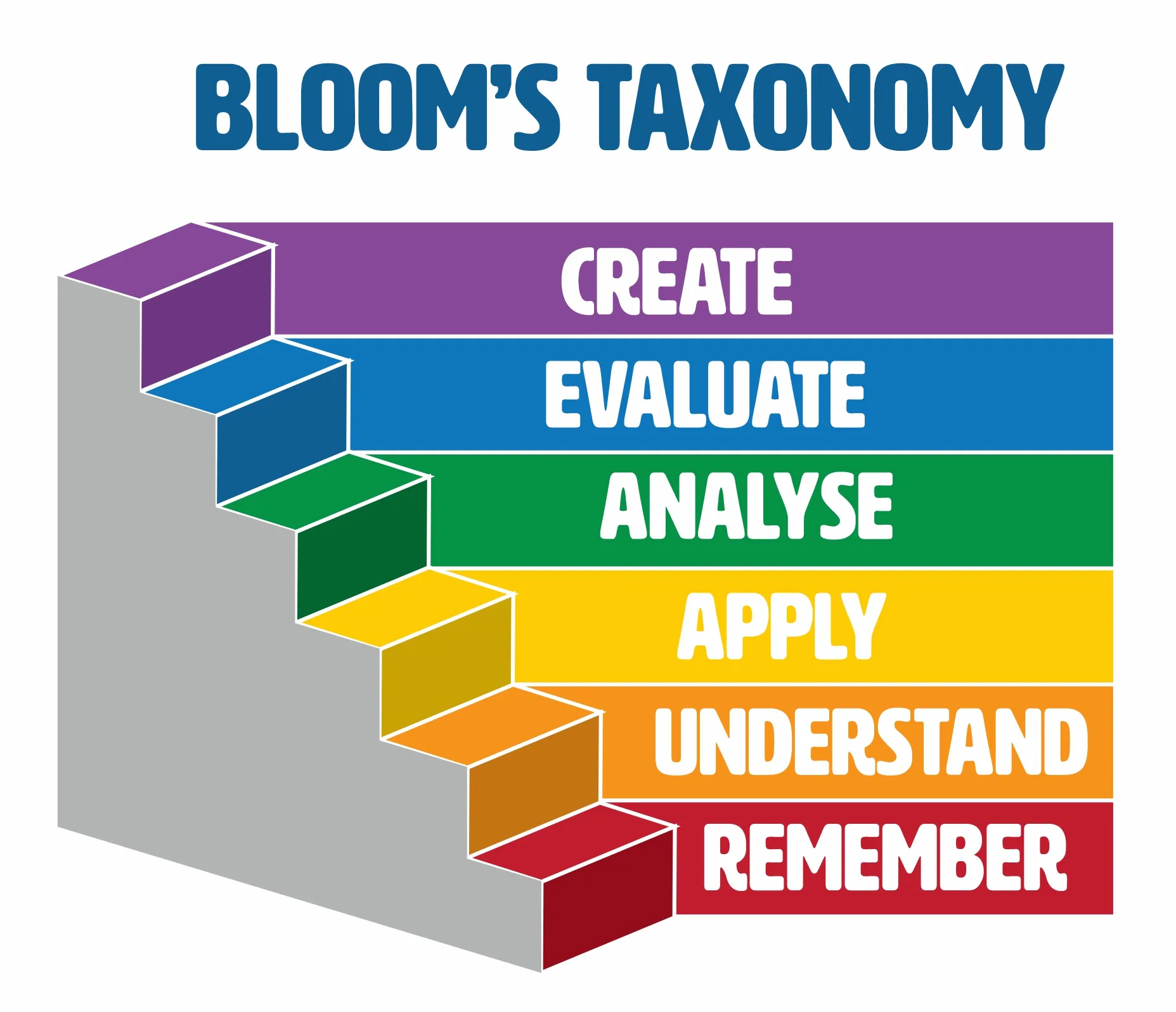
Choosing the Right Coloring Activities: Aligning with Learning Objectives
Selecting the right coloring activities is crucial for maximizing their educational impact. Consider the following factors when choosing activities to align with your learning objectives:
Example: If teaching about the American Revolution, use coloring pages featuring key figures like George Washington, historical events like the Boston Tea Party, and symbols like the Liberty Bell.

Exploring Different Historical Periods Through Coloring
Coloring activities can transport learners to different historical periods, allowing them to experience the past in a tangible and engaging way. Here are some examples of how coloring can be used to explore various historical eras:
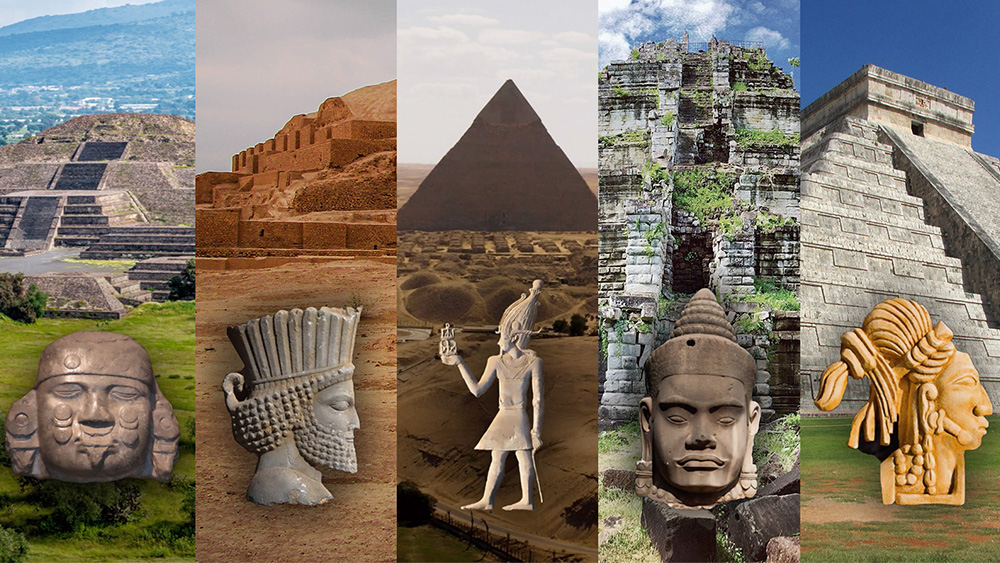
Ancient Civilizations
* Ancient Egypt: Color pharaohs, pyramids, hieroglyphics, and scenes from Egyptian mythology. Learn about the gods, goddesses, and the significance of the Nile River.

The Middle Ages
* Knights and Castles: Color knights in shining armor, medieval castles, and scenes from feudal life. Learn about chivalry, knighthood, and the social hierarchy of the Middle Ages.
The Renaissance
* Renaissance Art: Color masterpieces by Leonardo da Vinci, Michelangelo, and Raphael. Learn about the techniques, styles, and themes of Renaissance art.
The Age of Exploration
* Famous Explorers: Color images of explorers like Christopher Columbus, Vasco da Gama, and Ferdinand Magellan. Learn about their voyages, discoveries, and the impact of their explorations.
The 18th and 19th Centuries
* The American Revolution: Color scenes depicting the American Revolution, including battles, political figures, and symbols of freedom.
The 20th and 21st Centuries
* World War I and World War II: Color scenes depicting battles, soldiers, and civilians affected by the World Wars. Learn about the causes, events, and consequences of these global conflicts.
Actionable Tip: Create a historical timeline coloring book that covers key events from different periods, allowing learners to visually track the progression of history.
Incorporating Coloring Activities into Educational Settings
Coloring activities can be seamlessly integrated into various educational settings, from classrooms to museums to homeschooling environments. Here are some practical tips for incorporating coloring activities into your curriculum or educational program:
Example: In a classroom setting, after a lecture on the Roman Empire, students can color a detailed illustration of the Colosseum while discussing its significance and purpose.
Free Resources and Tools for Historical Coloring Activities
Numerous free resources and tools are available online to help you create and access historical coloring activities. Here are some recommended websites and tools:
Internal Link Suggestion: For more resources on engaging history learning tools, read our article “Innovative Ways to Teach History“
External Link Suggestion: Explore the Library of Congress’s digital collection for high-resolution historical images: https://www.loc.gov/
Tips for Creating Engaging and Educational Coloring Pages
Creating your own coloring pages can be a rewarding way to tailor activities to specific learning objectives and interests. Here are some tips for creating engaging and educational coloring pages:
Key Takeaway: Crafting your own coloring pages allows for personalized learning experiences that align perfectly with specific historical topics and learning goals.
The Benefits of Coloring Beyond History: Cognitive and Emotional Development
While coloring is a fantastic tool for exploring history, it also offers numerous cognitive and emotional benefits that extend beyond the realm of historical learning. Here are some of the key benefits:
Key Takeaway: Coloring provides a holistic learning experience, enhancing cognitive skills, emotional well-being, and historical understanding simultaneously.
Case Studies: Successful Implementation of History Coloring Activities
Several educational institutions and organizations have successfully implemented history coloring activities to enhance learning and engagement. Here are a few case studies:
Call to Action: Share your experiences with using history coloring activities in the comments below. What worked well, and what challenges did you face?
Overcoming Challenges and Addressing Concerns
While coloring activities offer numerous benefits, it’s important to address potential challenges and concerns that may arise during implementation. Here are some common challenges and strategies for overcoming them:
Conclusion: Embracing the Colorful World of History
Exploring history with coloring activities offers a unique and engaging way to connect with the past. By combining artistic expression with historical learning, we can foster a deeper understanding and appreciation for historical events, figures, and cultures. From ancient civilizations to modern innovations, coloring activities can transport learners to different historical periods and bring history to life in a vibrant and memorable way. So, grab your coloring pencils and embark on a colorful journey through time!
Final Call to Action: Sign up for our newsletter to receive exclusive access to historical coloring pages, lesson plans, and educational resources. Let’s make learning history a colorful adventure together!


0 Comments