
Spring Coloring Page and Printables for Homeschool Nature Study: Life Cycle Lessons, Outdoor Learning, and Kids Science Activities
Spring is an ideal season to bring science, nature, and creativity together. Whether you’re homeschooling, teaching in a classroom, or simply looking for enriching activities to do with kids, spring coloring pages and printables can anchor hands-on lessons about plant growth, weather changes, and animal life cycles. This comprehensive guide shows you how to use printable resources to create engaging, standards-aligned lesson plans and outdoor learning experiences. You’ll find activity ideas, step-by-step lessons, printable worksheet suggestions, assessment tips, and family-friendly extensions that make science accessible, memorable, and fun.

What You’ll Learn
- How to use spring coloring pages and printables to teach life cycles and plant growth
- Outdoor learning strategies that connect printables to real-world observations
- Hands-on kids science activities for different age groups and skill levels
- Lesson templates and assessment ideas for homeschool nature study
- Ways to integrate weather changes and animal life cycles into cross-curricular units
- Accessible: Printable materials are easy to distribute and reuse.
- Flexible: Scale activities up or down for preschool through middle school.
- Multimodal: Combines art, reading, and science for deeper learning.
- Engaging: Kids enjoy coloring and connecting visuals to real observations.
- Plant Growth — seed anatomy, germination stages, parts of a plant, photosynthesis basics
- Life Cycles — complete metamorphosis (butterfly), simple metamorphosis (frog), plant life cycles (flower to seed)
- Weather Changes — seasonal patterns, precipitation, temperature effects on growth
- Animal Life Cycles — nesting, migration, hibernation, and developmental stages
- Seed-sowing and labeling pots (use printable plant growth trackers)
- Bug hunt with life-cycle sketching sheets
- Weather walk using a printable checklist (cloud types, wind, precipitation)
- Life cycle coloring pages (butterfly, frog, plant, bird)
- Plant growth trackers (daily/weekly observation logs)
- Weather observation charts (symbols for cloud types, temperature logs)
- Scavenger hunt checklists for outdoor explorations
- Scientific journal templates (drawing box, observation prompts, date)
- Activity cards with step-by-step experiments (seed germination, soil tests)
- Coloring pages: Use as pre-lesson assessments—ask kids to color what they already know, then revisit after the unit.
- Trackers: Encourage daily or weekly entries; pair with photos or leaf/seed specimens.
- Weather charts: Use for a month-long mini-unit, charting trends and correlating them with plant activity.
- Scavenger hunts: Set up stations in a backyard or park to focus observation (flowers, insects, bird nests).
- Journals: Build a portfolio to document changes over time—great evidence for learning assessments.
- Activity: Seed Planting and Sensory Tray
- Printable: Simple seed-to-plant coloring sheet
- Steps: Let kids feel soil, plant seeds in small cups, draw what they expect to see.
- Learning Goal: Identify seed, soil, water, and sunlight as needs for growth.
- Activity: Weather Dress-Up Game
- Printable: Weather chart with icons
- Steps: Pick the day’s weather, dress a paper doll (or themselves) accordingly, color the day’s icon.
- Learning Goal: Recognize basic weather conditions and appropriate clothing choices.
- Activity: Caterpillar-to-Butterfly Life Cycle Wheel
- Printable: Life cycle wheel coloring page
- Steps: Color stages, cut out the wheel, assemble with a brad to rotate through stages.
- Learning Goal: Sequence metamorphosis stages and label vocabulary words.
- Activity: Sunlight and Plant Growth Experiment
- Printable: Observation log for plant height and leaf count
- Steps: Grow identical plants in different light conditions and record changes.
- Learning Goal: Link sunlight exposure to growth rates and photosynthesis basics.
- Activity: Comparative Life Cycle Study
- Printable: Comparison chart for insect, amphibian, and plant life cycles
- Steps: Research each cycle, create timelines, and present findings.
- Learning Goal: Analyze patterns and differences in development strategies.
- Activity: Weather Data Collection & Analysis
- Printable: Data table for temperature, precipitation, wind, and notes
- Steps: Collect daily data for 30 days and graph results; correlate with plant observations.
- Learning Goal: Interpret data, recognize seasonal trends, and form hypotheses about effects on growth.
- Write descriptive journal entries using observation prompts from printables.
- Create a story sequence using the life-cycle coloring pages as storyboard panels.
- Measure plant height and graph growth; calculate averages and percent change.
- Use weather printables to practice interpreting charts and creating trend lines.
- Use coloring pages as outlines for mixed-media projects: leaf rubbings, watercolor backgrounds.
- Design a “spring field guide” including watercolor paintings and labeled sketches compiled into a printable booklet.
- Study how seasonal changes affect local communities and agriculture using printable maps and data tables.
- Explore cultural spring traditions and create printable comparison charts.
- Portfolio: Collect completed coloring pages, observation logs, and photos in a binder for final review.
- Performance Task: Students present a mini-research project using printable templates to structure findings.
- Quizzes: Short printable quizzes with diagrams to label and multiple-choice questions.
- For emerging readers: Use picture-heavy printables and oral response prompts.
- For advanced learners: Provide blank templates for designing their own experiments and data tables.
- For sensory learners: Add tactile elements—seeds, soil, leaf textures—paired with coloring activities.
- Printable: Seed anatomy coloring page and daily growth tracker
- Outdoor: Plant seeds in clear cups; observe soil and moisture
- Assessment: Journal entry and measured height recorded on printable
- Printable: Weather observation chart and precipitation experiment card
- Outdoor: Daily weather walk; test water infiltration in different soils
- Assessment: Graph of daily weather vs. plant growth
- Printable: Pollinator identification coloring pages and observation sheet
- Outdoor: Pollinator watch; build a simple pollinator garden
- Assessment: Photo-based pollinator log and labeled diagrams
- Printable: Life cycle wheels and comparison charts
- Outdoor: Revisit study sites, collect final data, take closing photos
- Assessment: Student presentations using printable report templates
- Check for local hazards and allergies before outdoor sessions—printable consent forms and allergy checklists help manage risks.
- Use magnifying glasses, clipboards, and laminated printables for durability.
- Keep a simple first-aid kit and sun protection available during fieldwork.
- Encourage respectful behavior toward wildlife and plants—teach “look but don’t disturb” unless the activity requires handling.
- Offer high-contrast versions and large-print sheets for visual accessibility.
- Provide editable PDFs so teachers can modify language for different reading levels.
- Include alt text descriptions for digital images shared online (example alt text provided below).
- “Coloring page of the butterfly life cycle with labeled stages: egg, caterpillar, chrysalis, adult.”
- “Printable plant growth tracker with columns for date, height, leaf count, and notes.”
- “Weather observation chart with icons for sunny, cloudy, rainy, snowy, and windy.”
- USDA Plant Hardiness Zone Map (https://planthardiness.ars.usda.gov/) — for regional planting guidance
- National Weather Service Education Resources (https://www.weather.gov/wrn/education) — for weather activities and safety
- Monarch Joint Venture (https://monarchjointventure.org/) — for pollinator lesson plans and conservation info
- “Printable life cycle worksheets” — link to site’s printable download page
- “Homeschool curriculum guides” — link to related curriculum pages
- “Outdoor learning supplies” — link to product or resource list for materials
- Facebook/Twitter: “Bring spring to life with printable coloring pages and outdoor learning ideas — life cycles, plant growth, and kids science activities!”
- Pinterest Pin: “Spring Nature Study Printables: life cycles, weather charts, and hands-on activities for homeschoolers.”
- Life Cycle Wheel: Four-panel wheel with labeled sections; kids color and assemble with a brad.
- Plant Growth Tracker: Weekly table for date, height, leaf count, sketch, and notes.
- Weather Observation Chart: Daily boxes for icons, temperature, precipitation, and effects on the garden.
- Pollinator ID Sheet: Common pollinators with simple descriptors and space for photos or sketches.
- Outdoor Scavenger Hunt: Checklist of common items (blooming flower, bird feather, insect, seed pod).
- Age Group: Lower Elementary (6–8)
- Length: 60 minutes + daily observation
- Printables: Seed anatomy coloring page, plant growth tracker, observation journal
- Objectives:
- Students will identify seed parts and explain basic needs for germination.
- Students will record plant growth and describe changes in a journal entry.
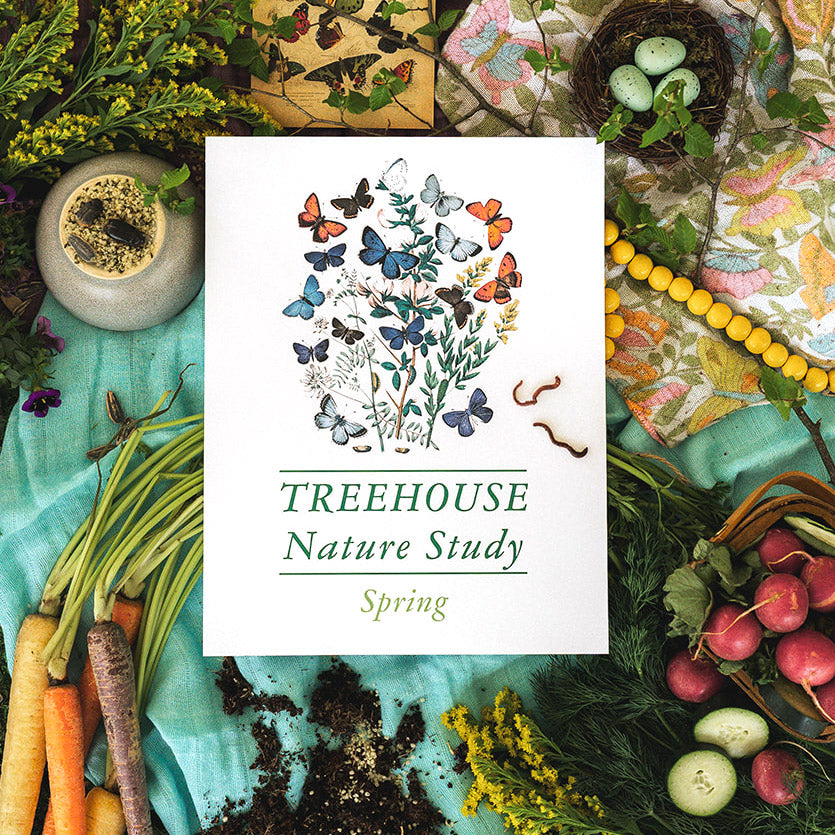
Why Spring Coloring Pages and Printables Work for Nature Study
Coloring pages and printables are low-prep, high-impact tools. They provide visual scaffolding for complex concepts such as life cycles, germination, and migration. For young learners, coloring supports fine motor skills and visual memory. For older children, printables can become data-collection sheets, sketches for scientific journals, and the foundation of comparative studies. When paired with outdoor observations and experiments, these resources bridge concrete experiences and conceptual understanding.

Benefits at a Glance
Core Topics to Cover Using Spring Printables
Integrate these core science topics into a cohesive spring unit using themed coloring pages, worksheets, and hands-on activities:
Lesson Framework: From Printable to Outdoor Lab
Use this adaptable lesson template (suitable for 30–90 minute sessions) to convert a spring coloring page into a full nature study experience.
1. Engage (5–10 minutes)
Start with a themed coloring page—examples: butterfly life cycle, seed-to-seedling sequence, rainy-day weather chart. Ask an open question to spark curiosity: “What will the caterpillar need to become a butterfly?”
2. Explore (15–30 minutes)
Take the children outdoors for observation. Tasks may include:
3. Explain (10–20 minutes)
Back inside, complete a printable worksheet that reinforces vocabulary (e.g., germination, metamorphosis, pollination). Use diagrams on coloring pages to label parts or sequence events.
4. Elaborate (15–30 minutes)
Extend learning with a hands-on experiment or craft: grow bean sprouts in a clear cup, create a mini greenhouse with plastic bags, or assemble a life-cycle wheel from printable templates.
5. Evaluate (5–15 minutes)
Use a short printable quiz, journal entry, or a photo-based portfolio (photos of observations glued to a printable page) to assess understanding.
Printable Resources and How to Use Them
Create a printable toolkit that supports multiple lessons. Below are high-value printables and specific ways to use them.
Essential Spring Printables
How to Use Each Printable
Hands-On Kids Science Activities
Below are detailed activities matched to age groups and linked with printable materials so you can implement immediately.
Preschool (Ages 3–5)
Lower Elementary (Ages 6–8)
Upper Elementary / Middle School (Ages 9–13)
Integrating Cross-Curricular Connections
Use spring printables to build literacy, math, art, and social studies skills alongside science.
Language Arts
Math
Art
Social Studies
Assessment and Differentiation
Assess progress using printables that double as formative and summative tools. Differentiate by adjusting complexity, providing scaffolds, and offering choice.
Assessment Ideas
Differentiation Strategies
Sample 4-Week Spring Nature Study Unit (Overview)
Below is a scaffolded unit plan that uses printables as core resources. Each week includes outdoor learning, printables, and assessment tasks.
Week 1 — Seed to Sprout
Week 2 — Weather and Water
Week 3 — Insects and Pollination
Week 4 — Life Cycles and Reflection
Practical Tips for Outdoor Learning and Safety
Digital and Printable Accessibility
Make your printables inclusive:
Example Image Alt Text Suggestions
Resources, External Links, and Internal Linking Suggestions
Link to authoritative external resources to support lessons and build credibility. Suggested external links (open in new window):
Internal link recommendations (anchor text suggestions):
SEO and Shareability Elements
Primary keywords to use naturally across the article: spring coloring page and printables, homeschool nature study, life cycle lessons, outdoor learning, kids science activities, plant growth, weather changes, animal life cycles. Aim for keyword density around 1–2% while keeping language natural and reader-focused.
Meta description suggestion (under 160 characters): Spring coloring page and printables for homeschool nature study—hands-on life cycle lessons, outdoor learning ideas, and kids science activities.
Social share text examples:
Frequently Asked Questions (FAQ)
How can I use coloring pages for older students?
Use coloring pages as templates for scientific diagrams, add data tables for observations, or have students redesign the page to reflect a deeper understanding (e.g., labeling cellular processes in plant growth). Pair with research projects and presentation templates.
Do I need special materials for outdoor printables?
Keep it simple: clipboards, pencils, colored pencils, a magnifying glass, and waterproof page protectors are often sufficient. For experiments, have clear cups, soil samples, seeds, and measuring tools on hand.
How long should I run a nature study unit?
Short units can be completed in 2–4 weeks, while extended projects tracking plant or weather changes are ideal over 6–12 weeks. Use printable trackers to maintain continuity and evidence of learning.
Sample Printable Templates (Descriptions)
Below are ready-to-produce printable templates to include in your resource pack. Provide these as PDFs for easy printing.
Practical Example: A Completed Lesson Plan
Lesson Title: From Seed to Snack — Understanding Plant Growth


0 Comments