
Spring Coloring Page and Printables: Hands‑On Homeschool Nature Study, Life Cycle Lessons, and Outdoor Learning Activities
Keywords: spring coloring page and printables, homeschool nature study, life cycle lessons, outdoor learning, kids science activities, plant growth, weather changes, animal life cycles

Introduction
Spring is the perfect time to bring science alive for children. With warmer days, budding plants, migrating birds, and changing weather patterns, nature becomes a living classroom. This article shows how to use spring coloring page and printables to build a year’s worth of homeschool nature study, life cycle lessons, and outdoor learning experiences. You’ll find printable activity packs, step‑by‑step lesson ideas, assessment suggestions, and extension activities for varied ages and learning styles. Whether you’re a homeschooling parent, classroom teacher, or a caregiver looking for meaningful screen‑free time, these resources and strategies will help children explore plant growth, weather changes, and animal life cycles through observation, hands‑on experiments, and creative play.
Why Use Spring Coloring Page and Printables in Homeschool Nature Study?
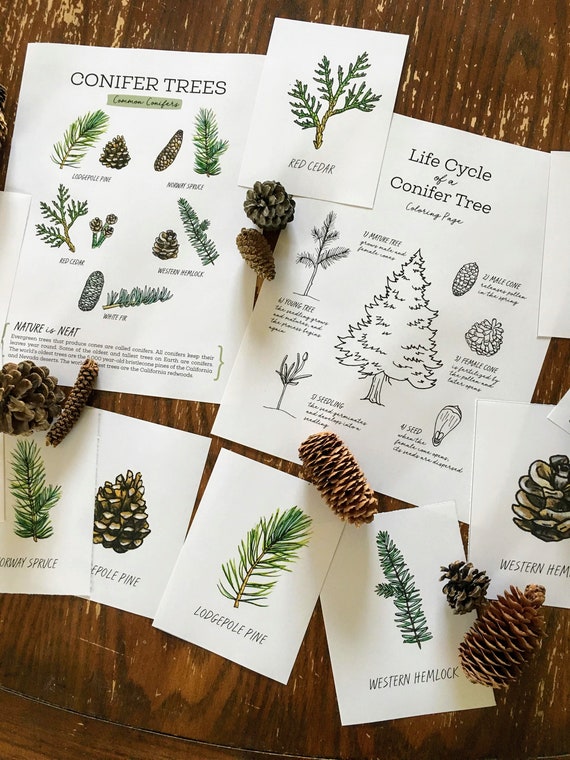
Coloring pages and printables are more than passive worksheets; they can be scaffolds for observation, vocabulary building, and inquiry-based learning. In spring, visual resources help children notice subtle changes in the environment and document those changes across weeks.
- Supports multiple learning styles: visual, kinesthetic, and linguistic.
- Encourages focused observation: printable journals and checklists guide outdoor exploration.
- Easy differentiation: modify printables for preschool through upper elementary.
- Low preparation: ready-to-print pages save planning time while remaining flexible.
- Activity: Take a 30‑minute neighborhood walk with a spring coloring page and scavenger hunt checklist.
- Printable Use: Scavenger hunt sheet, nature journal first entry.
- Learning Goals: Observation skills, vocabulary (bud, blossom, nest).
- CTA: Print a scavenger hunt for each child and compare findings at the end of the walk.
- Activity: Plant fast‑germinating seeds (radish, mustard, cress) in cups.
- Printable Use: Planting log, growth chart, seed anatomy coloring page.
- Learning Goals: Seed germination stages, record keeping, measurement.
- Activity: Daily weather charting and a short experiment (how sunlight affects soil temperature).
- Printable Use: Weather tracking sheet, prediction forms.
- Learning Goals: Cause and effect, basic graphing, making predictions.
- Activity: Observe pollinators; set up a butterfly life cycle kit or caterpillar observation.
- Printable Use: Life cycle sequencing cards, insect coloring pages, comparative journal pages.
- Learning Goals: Metamorphosis, pollination roles, habitat needs.
- Activity: Identify local birds, sketch nests, or put up a bird feeder camera.
- Printable Use: Bird observation sheet, nest building diagram coloring page.
- Learning Goals: Reproduction, migration basics, species-specific behaviors.
- Activity: Compile journal entries, coloring pages, and final reflections; present a mini science fair.
- Printable Use: Portfolio cover page, reflection prompts, certificate of completion.
- Learning Goals: Synthesis of knowledge, communication, pride in scientific work.
- Moisten the paper towel, place seeds on it, slide into the zip bag, seal, and tape to a sunny window.
- Use the plant growth chart printable to record daily observations and draw each stage on a coloring page.
- Discussion: Why do seeds need water and warmth? How fast do different seeds germinate?
- Place rain gauge outside. After rain, measure water and record on weather sheet.
- Create a “weather jar” to show condensation and cloud formation (mix warm water, ice, and a bit of hairspray).
- Printable Use: Prediction sheet — students predict how much rain will fall and compare results.
- Simulate pollen transfer using small brushes and powdered food coloring on paper flowers.
- Students color a pollinator coloring page (bee or butterfly) and label body parts involved in pollination.
- Preschool: Use large coloring pages, picture-based scavenger hunts, and one-line journal prompts.
- Early elementary: Add simple writing prompts, two-column compare/contrast pages, and measurement tasks.
- Upper elementary: Include hypothesis worksheets, more detailed graphs, and research mini‑projects.
- Observation checklists during outdoor activities.
- Quick exit tickets answering one question: “What changed in the garden today?”
- Reviewing nature journals weekly to note improvement in observation detail and vocabulary use.
- Science portfolio including selected coloring pages, logs, and a final report or presentation.
- Short multiple‑choice and short‑answer quiz on life cycle stages and weather vocabulary.
- Keep layouts clean with plenty of white space for writing and drawing.
- Use bold outlines for coloring areas to support young children.
- Include differentiated versions (labelled vs. unlabeled diagrams).
- Add QR codes linking to short videos (bird calls, metamorphosis timelapse) for multimedia extension.
- Provide alt text descriptions and large-print versions for accessibility.
- Cover page and teacher’s guide (1–2 pages)
- Scavenger hunts for different age levels
- Nature journal templates (daily and weekly)
- Life cycle cut-and-paste pages and sequencing cards
- Plant growth chart and measurement log
- Weather tracking sheets and simple experiment instructions
- Assessment rubrics and portfolio cover
- Certificates and presentation templates
- Choose high‑contrast images and large fonts for visual accessibility.
- Provide text descriptions or audio read‑alouds for non‑readers.
- Use public domain or appropriately licensed artwork, and clearly state usage rights on downloadable packs.
- If selling printables, include terms of use and noncommercial clauses if needed.
- free printables — link to a page with downloadable packs
- homeschool planning tips — link to curriculum planning resources
- outdoor learning ideas — link to related activity collections
- Kids Discover: Butterfly Life Cycle
- The Nature Conservancy — Youth & Education
- NOAA Education Resources — weather education resources
- Create an eye‑catching feature image sized for social (1200 x 630 px) and include the title text.
- Use tweetable quotes (e.g., “Nature is the best classroom — start with a coloring page!”) embedded as share buttons.
- Offer a direct download CTA: “Download the free spring printable pack” with a short lead capture for newsletter signups.

Essential Printables to Support Spring Science Learning
Below are high‑impact printable types to include in your spring curriculum. Each can be adapted for various age groups and combined with outdoor activities.
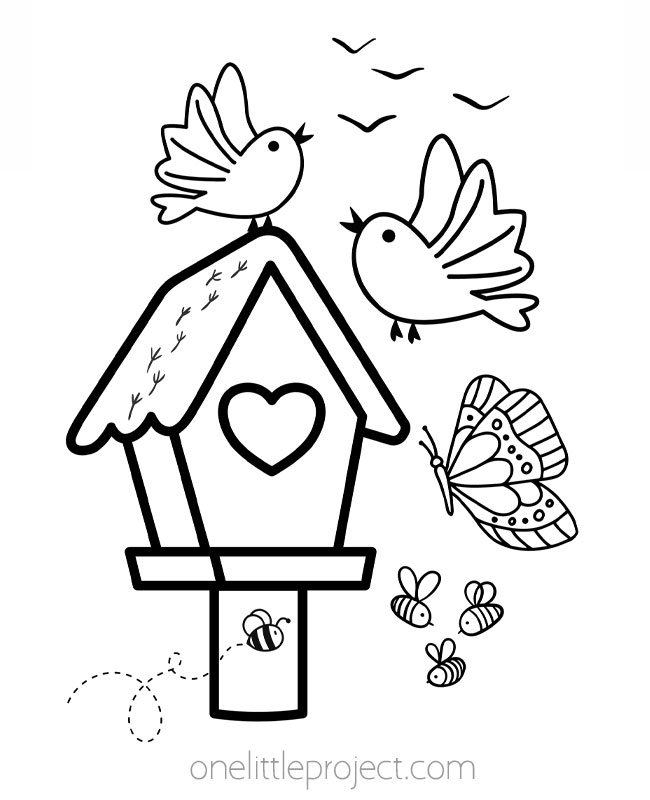
1. Spring Coloring Pages
Simple black-and-white images of flowers, insects, birds, and weather scenes. Use for fine-motor practice and to introduce vocabulary like “bud,” “pollen,” and “migrate.”
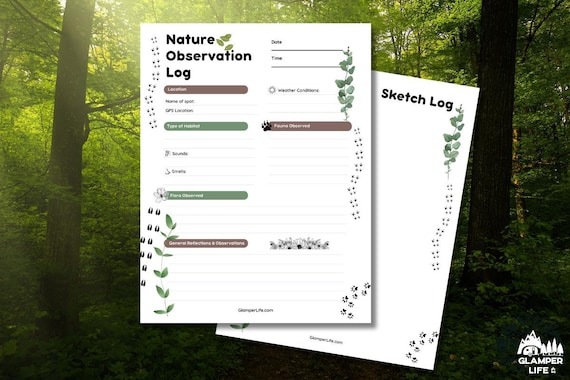
2. Nature Journals and Observation Logs
Structured pages for date, location, weather, sketches, and questions. Offer weekly prompts (e.g., “What changed since last visit?”) to develop longitudinal observation skills.
3. Life Cycle Diagrams and Cut‑and‑Paste Sequencing
Printable stages for plants (seed → sprout → seedling → adult), frogs, butterflies, and birds. These support sequencing, discussion of metamorphosis, and hands‑on matching activities.
4. Plant Growth Charts and Graphs
Height trackers and simple graph templates let children record growth and visualize data, making plant growth measurable and scientific.
5. Weather Tracking Sheets
Daily icons (sun, cloud, rain, wind), temperature logs, and space for short hypotheses about how weather affects plants and animals.
6. Scavenger Hunts and Field Guides
Age‑appropriate checklists (leaf shapes, bird songs, insect types) encourage exploration and build identification skills.
Designing a Spring Unit: Weekly Plan Using Printables
This sample 6‑week unit integrates coloring pages and printables into a cohesive homeschool nature study that covers plant growth, weather changes, and animal life cycles.
Week 1: Spring Scavenger Hunt & Nature Journal Introduction
Week 2: Planting Seeds and Plant Growth Tracking
Week 3: Weather Watching and Simple Data Collection
Week 4: Insect Investigation and Butterfly Life Cycle
Week 5: Bird Life Cycles and Nest Study
Week 6: Project Week — Create a Spring Science Portfolio
Hands‑On Kids Science Activities That Pair With Printables
Coloring pages and worksheets guide the learning, but hands‑on activities make concepts stick. Here are specific experiments and activities that complement printables.
Seed Germination in a Bag
Materials: paper towel, zip bag, beans/radish seeds, water.
Rain Gauge and Weather Jar
Materials: clear jar or measuring cup, ruler, paper, tape.
Pollination Demonstration with Powdered Food Coloring
Lifecycle Role‑Play
Children act out stages of a butterfly or frog, using life cycle printables as cue cards. This kinesthetic activity reinforces sequencing and vocabulary.
Teaching Tips: Differentiation and Assessment
Printables are easy to adapt. Here are practical ways to differentiate and assess learning with minimal grading time.
Differentiation Strategies
Formative Assessment Ideas
Summative Assessment Options
How to Create Engaging Spring Coloring Pages and Printables
If you create your own resources, follow these design tips to keep printables educational, accessible, and attractive.
Integrating Cross‑Curricular Connections
Spring printables are ideal for blending science with art, literacy, math, and social studies.
Science + Art
Use nature sketches and watercolor resist techniques to illustrate plant anatomy coloring pages.
Science + Literacy
Turn journal observations into short narrative pieces or create nonfiction booklets about a life cycle studied.
Science + Math
Use growth charts and weather data for graphing lessons and basic statistics (mean temperature, most common weather type).
Science + Social Studies
Study how different cultures celebrate spring and document findings with a printable timeline or map.
Sample Printable Pack Structure (What to Include)
A ready-to-print pack for spring nature study should be organized, child-friendly, and scaffolded for teachers.
Real‑World Examples and Case Studies
Below are condensed case studies illustrating how families and co‑ops used spring printables successfully.
Case Study 1: A Homeschool Co‑op Spring Fair
A suburban homeschool co‑op created stations for seed planting, butterfly observation, weather experiments, and birdwatching. Each station provided a printable activity sheet and a take‑home coloring page. Children rotated, collected stickers on a printable passport, and presented findings to parents. The passport doubled as both engagement tool and formative assessment. Result: increased participation and deeper retention of vocabulary and concepts.
Case Study 2: Kindergarten Nature Journaling in a Public School
A kindergarten teacher introduced weekly nature journals with a simple coloring prompt and a single observation box. Over a 10‑week period, students progressed from scribbled pictures to labeled drawings and short sentences. The teacher used the journals as evidence for parent‑teacher conferences and found measurable growth in attention to detail and descriptive language.
Printable Accessibility and Copyright Considerations
When using or sharing printables, consider accessibility and legal issues.
Suggested Internal and External Links for Publication
Internal linking helps site SEO and navigation. External links build credibility. Use the following recommendations when publishing this article.
Internal Link Suggestions (Anchor Text Recommendations)
External Link Suggestions (Authoritative Sources; open in new window)
Image and Alt Text Suggestions
Use clear images to supplement printables. Below are suggested alt texts to ensure accessibility and SEO benefits.
| Image | Suggested Alt Text |
|---|---|
| Seed germination photograph | Close-up of bean seed sprouting in a clear cup showing root and shoot |
| Spring coloring page sample | Black-and-white spring coloring page of flowers, bee, and bird for kids |
| Weather tracking printable | Printable weather chart with icons for sun, rain, cloud and temperature log |
Social Sharing Optimization
Make your content shareable on social platforms with these tips:
Frequently Asked Questions (FAQ)
What age group benefits most from spring coloring page and printables?
All ages benefit when materials are differentiated. Preschoolers enjoy simple coloring and scavenger hunts; elementary students can record data and write observations; older kids can design experiments and analyze results.
How often should I take kids outdoors for nature study?
Short, consistent sessions work best. Aim for 20–30 minutes daily or longer weekly excursions. Regular, repeated observation is essential for noticing changes like plant growth and animal activity.
Can I use these printables for a mixed-age group?
Yes. Provide layered tasks on the same sheet (picture + simple label + extended research prompt) so each child can work at an appropriate level simultaneously.
Are there digital options for these printables?
Yes. Convert sheets to fillable PDFs or Google Slides for remote learning. Include audio instructions and image galleries for enrichment.</


0 Comments