
Embrace Spring with Coloring Pages, Nature Studies, and Outdoor Learning for Homeschoolers
Spring is a magical time of year! The world awakens with vibrant colors, new life emerges, and the air is filled with the sweet scent of blossoms. As homeschoolers, we have a unique opportunity to immerse our children in this season of wonder, turning our lessons into exciting adventures. This article will explore how to use spring coloring pages and printables, homeschool nature studies, life cycle lessons, outdoor learning, and kids’ science activities to create a memorable and educational spring experience for your children.

Unleash Creativity with Spring Coloring Pages and Printables
Coloring pages are a fantastic way to engage children of all ages. They provide a creative outlet, improve fine motor skills, and offer a relaxing activity that can be enjoyed independently or as a family. Spring-themed coloring pages and printables are particularly appealing, capturing the beauty and excitement of the season.
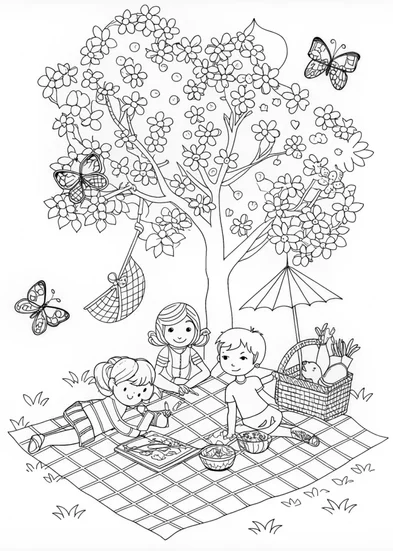
Benefits of Using Spring Coloring Pages:
* Enhance Fine Motor Skills: Coloring requires precise hand-eye coordination, helping children develop and refine their fine motor skills.
- Promote Creativity and Self-Expression: Coloring allows children to express their creativity and imagination through color choices and artistic interpretation.
- Provide a Relaxing Activity: Coloring can be a calming and therapeutic activity, reducing stress and promoting relaxation.
- Introduce Spring Themes and Vocabulary: Coloring pages can feature spring flowers, animals, and activities, introducing children to new vocabulary and concepts.
- Supplement Other Spring Activities: Coloring pages can be used as a supplement to other spring-related activities, such as nature walks, science experiments, or reading books.
- Spring Animals: Baby animals, birds, butterflies, bees, and other creatures associated with spring.
- Nature Scenes: Landscapes featuring blooming trees, green meadows, and flowing rivers.
- Life Cycle Illustrations: Diagrams and illustrations depicting the life cycles of butterflies, frogs, and plants.
- Themed Activities: Coloring pages related to gardening, picnics, kite flying, and other spring activities.
- Homeschooling Blogs and Websites: Many homeschooling blogs and websites offer free or paid spring-themed printables, including coloring pages.
- Etsy and Teachers Pay Teachers: These platforms offer a variety of unique and creative spring coloring pages and printables created by independent artists and educators.
- Libraries and Bookstores: Check your local library or bookstore for spring-themed coloring books.
- Develop Observation Skills: Nature studies encourage children to observe their surroundings closely, noticing details they might otherwise miss.
- Foster Curiosity and Exploration: Nature studies spark curiosity and encourage children to explore the natural world around them.
- Promote Scientific Literacy: Nature studies introduce children to scientific concepts and vocabulary in a natural and engaging way.
- Connect with Nature: Nature studies help children connect with nature and develop a deeper appreciation for the environment.
- Bird Watching: Observe birds in your backyard or local park, identifying different species and their behaviors.
- Insect Investigation: Examine insects and other invertebrates, learning about their life cycles, habitats, and roles in the ecosystem.
- Tree Study: Identify different types of trees, observing their leaves, bark, and buds.
- Weather Tracking: Keep a daily weather journal, recording temperature, precipitation, and other weather conditions.
- Magnifying Glass: For close-up examination of plants, insects, and other small objects.
- Field Guides: Books or online resources for identifying plants, animals, and other natural features.
- Binoculars: For bird watching and observing wildlife from a distance.
- Camera: For documenting observations and creating a visual record of your nature study.
- Frog Life Cycle: From egg to tadpole to froglet to adult frog.
- Plant Life Cycle: From seed to seedling to mature plant to flower to fruit.
- Bird Life Cycle: From egg to hatchling to fledgling to adult bird.
- Bee Life Cycle: From egg to larva to pupa to adult bee.
- Reading: Read books and articles about life cycles, learning about the different stages and processes involved.
- Diagramming: Create diagrams and charts to illustrate the different stages of a life cycle.
- Crafts: Make crafts, such as butterfly life cycle models or frog life cycle puppets.
- Field Trips: Visit a butterfly garden, nature center, or farm to observe life cycles in their natural environment.
- Online Resources: Websites like National Geographic Kids and the Smithsonian Institution offer information and activities about life cycles.
- Educational Kits: Purchase educational kits that include materials for raising butterflies or tadpoles.
- Enhanced Cognitive Development: Outdoor learning stimulates cognitive development by engaging children’s senses and encouraging exploration.
- Increased Creativity and Imagination: The natural world provides a rich source of inspiration for creativity and imagination.
- Reduced Stress and Anxiety: Spending time in nature can reduce stress and anxiety, promoting mental well-being.
- Connection with Nature: Outdoor learning helps children connect with nature and develop a deeper appreciation for the environment.
- Gardening: Plant a garden and learn about the different parts of a plant and how they grow.
- Picnics: Enjoy a picnic lunch in a park or meadow, observing the surrounding environment.
- Scavenger Hunts: Create a spring-themed scavenger hunt, challenging children to find specific items in nature.
- Nature Art: Create art using natural materials, such as leaves, flowers, and twigs.
- Bring Supplies: Bring water, snacks, sunscreen, and insect repellent.
- Be Prepared for Weather Changes: Check the weather forecast and be prepared for sudden changes in weather.
- Set Clear Expectations: Establish clear expectations for behavior and safety.
- Make it Fun! Keep the activities engaging and fun to encourage children’s participation.
- Plant Transpiration Experiment: Observe how plants lose water through transpiration by placing a plastic bag over a leafy branch.
- Flower Dissection: Dissect a flower to examine its different parts and learn about their functions.
- Homemade Rain Gauge: Build a rain gauge to measure rainfall and track weather patterns.
- Bug Hotel Construction: Build a bug hotel to provide shelter for insects and other invertebrates.
- Online Resources: Websites like Science Kids and KiwiCo offer a variety of science experiments and activities for kids.
- Science Kits: Purchase science kits that include materials and instructions for conducting specific experiments.

Types of Spring Coloring Pages and Printables:
* Floral Designs: Intricate flower patterns, bouquets, and individual blooms like tulips, daffodils, and cherry blossoms.
Where to Find Spring Coloring Pages and Printables:
* Online Resources: Websites like Crayola, Education.com, and Super Coloring offer a wide variety of free spring coloring pages and printables.
Internal Link Suggestion: For more creative activities, explore our article on “Creative Homeschooling: Nurturing Imagination and Innovation” using the anchor text “Creative Homeschooling”.

Dive Deep with Homeschool Nature Studies
Spring is the perfect time to embark on a homeschool nature study. Nature studies provide hands-on learning experiences that engage children’s curiosity and foster a love for the natural world. By observing, exploring, and documenting their findings, children develop critical thinking skills, scientific literacy, and a deeper appreciation for the interconnectedness of life.
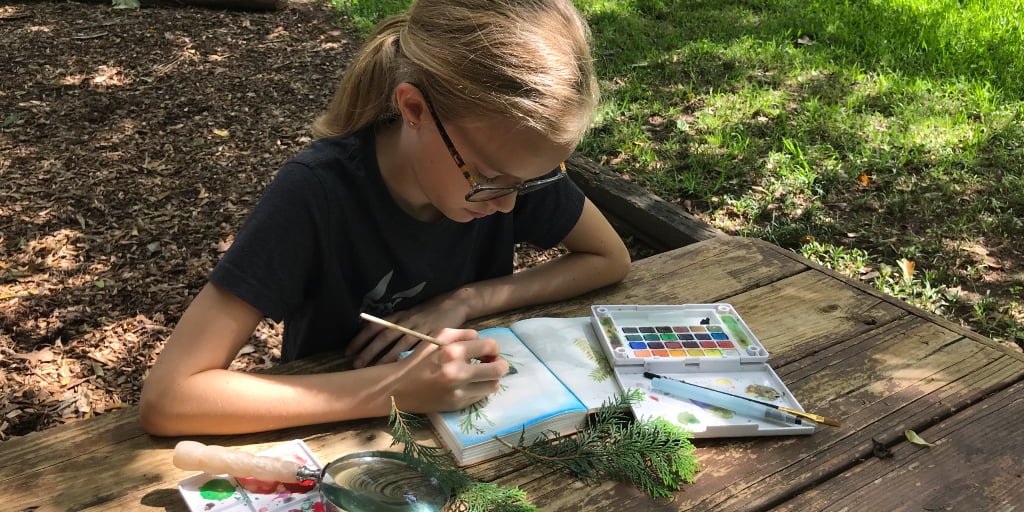
Benefits of Homeschool Nature Studies:
* Hands-On Learning: Nature studies provide hands-on learning experiences that are more engaging and memorable than traditional textbook learning.
Ideas for Spring Homeschool Nature Studies:
* Flower Identification: Learn to identify different types of spring flowers, noting their colors, shapes, and scents.
Tools for Homeschool Nature Studies:
* Nature Journal: A notebook for recording observations, sketches, and notes.
External Link Suggestion: Enhance your nature studies with resources from the “National Wildlife Federation“, a trusted source for information about wildlife and conservation.
Unravel the Mysteries of Life Cycle Lessons
Spring is a time of renewal and rebirth, making it the perfect season to explore life cycles. Life cycle lessons teach children about the stages of development that plants and animals go through, from birth to reproduction. Understanding life cycles helps children appreciate the interconnectedness of life and the importance of each stage in the process.
Common Life Cycle Lessons for Spring:
* Butterfly Life Cycle: From egg to larva (caterpillar) to pupa (chrysalis) to adult butterfly.
Activities for Teaching Life Cycle Lessons:
* Observation: Observe life cycles in action by raising butterflies or tadpoles, or by planting seeds and watching them grow.
Resources for Life Cycle Lessons:
* Books: Look for books about life cycles at your local library or bookstore.
Internal Link Suggestion: Supplement your life cycle lessons with our article on “Hands-On Science Experiments for Homeschoolers” using the anchor text “Hands-On Science Experiments”.
Embrace Outdoor Learning Opportunities
Spring invites us to step outside and learn in the great outdoors. Outdoor learning provides a rich and stimulating environment for children to explore, discover, and connect with the natural world. By engaging in outdoor activities, children develop their physical, emotional, and cognitive skills.
Benefits of Outdoor Learning:
* Improved Physical Health: Outdoor activities promote physical activity and improve overall health.
Ideas for Spring Outdoor Learning:
* Nature Walks: Take regular nature walks in your backyard, local park, or nature preserve.
Tips for Successful Outdoor Learning:
* Dress Appropriately: Dress in layers and wear comfortable shoes.
External Link Suggestion: Find inspiration for outdoor activities at “Children & Nature Network“, a leading resource for connecting children with nature.
Spark Curiosity with Kids’ Science Activities
Spring offers a wealth of opportunities for engaging kids in science activities. From exploring the properties of water to investigating the growth of plants, there are countless ways to make science fun and relevant. By conducting hands-on experiments and investigations, children develop critical thinking skills, scientific literacy, and a lifelong love of learning.
Spring-Themed Science Activities for Kids:
* Seed Germination Experiment: Investigate the conditions necessary for seed germination by planting seeds in different environments.
Resources for Kids’ Science Activities:
* Science Experiment Books: Look for science experiment books at your local library or bookstore.
Internal Link Suggestion: For more science-related content, check out our article on “The Ultimate Guide to STEM Education at Home” using the anchor text “STEM Education”.
Conclusion: Embrace the Wonders of Spring
Spring is a season of renewal, growth, and discovery, offering a wealth of opportunities for enriching your homeschool curriculum. By incorporating spring coloring pages and printables, homeschool nature studies, life cycle lessons, outdoor learning, and kids’ science activities, you can create a memorable and educational experience for your children. So, embrace the wonders of spring and let your children’s curiosity blossom!
Key Takeaway: Spring is a fantastic time to integrate hands-on learning experiences into your homeschool curriculum.
Call to Action: Sign up for our newsletter to receive more homeschool tips and resources delivered straight to your inbox! [Link to Newsletter Signup]


0 Comments