
Spring Nature Study Activities: Exploring Life Cycles and Outdoor Learning Through Fun Printables
Spring is the perfect season to bring learning outdoors. As flowers bloom and insects emerge, children of all ages can observe life cycles firsthand and develop lasting curiosity about the natural world. This guide provides a full set of spring nature study activities—complete with printable worksheets, hands-on experiments, lesson ideas, and assessment tips—designed for parents, homeschoolers, classroom teachers, and after-school coordinators.

Introduction: Why Spring Is Ideal for Nature Study (150–200 words)
Spring’s changing weather, awakening plants, and returning wildlife create a dynamic, sensory-rich classroom that no indoor lesson can match. Observing life cycles in spring—from seeds sprouting to caterpillars becoming butterflies—gives children concrete, memorable experiences that reinforce scientific concepts like growth, adaptation, and ecological relationships. This article shows you how to structure outdoor learning sessions, integrate printable resources to support observation and reflection, and adapt activities for different grade levels and learning goals.
You’ll learn practical, classroom-ready activities that promote inquiry, critical thinking, and ecological literacy. Each activity includes objectives, materials lists, step-by-step instructions, and differentiation strategies. You’ll also find ideas for assessment, parent engagement, and suggestions for cross-curricular extensions (literacy, math, art, and STEM). Use these resources to make spring a season of discovery and lasting learning.

Primary Keyword Placement
This article naturally integrates the primary keyword “spring nature study activities” and related search phrases such as “life cycle printables,” “outdoor learning activities,” “spring science lessons,” and “hands-on nature study.” The content is optimized for educators and caregivers seeking practical, printable-supported lessons for spring.

How to Use This Guide
- Start with the quick-start outdoor lesson plans if you need immediate, low-prep activities.
- Download the printable worksheets to scaffold observations and record data.
- Use the differentiation tips to scale activities for preschool through middle school.
- Combine activities into a multi-week unit that culminates with a project or presentation.
- Materials: Printable scavenger list, clipboards, pencils, optional magnifying glasses.
- Instructions: Give each child a printable list with items like “flower with five petals,” “bud,” “insect,” “bird song,” and “new leaf.” Set a 15–30 minute hunt. Gather to share findings.
- Differentiation: For younger children use picture-based lists; for older students include scientific names or require photographed evidence.
- Materials: Printables for observational prompts (senses chart, weather log), mats.
- Instructions: Students choose a quiet spot and silently record what they see, hear, smell, and feel for 10–20 minutes. Repeat weekly to notice changes.
- Materials: Life cycle wheel printable, brad fastener, crayons.
- Instructions: Students color and assemble the wheel to reveal different stages as they spin it. Use as a discussion starter about development and timelines.
- Materials: Clear plastic cups, paper towels, beans or fast-germinating seeds (radish, cress), water, sunlight, germination trackers (printable).
- Procedure:
- Place a damp paper towel in a clear cup and tuck seeds between the wall and towel so students can watch roots and shoots develop.
- Label cups with variables to test (light vs. dark, more water vs. less, different temperatures).
- Record observations daily on the printable germination tracker: date, seed stage, root length, shoot length.
- Assessment: Use the germination tracker and a short reflection prompt: “Which variable had the biggest effect and why?”
- Math: Measure seedling growth and create line graphs.
- Art: Make pressed-flower journals.
- Language Arts: Write step-by-step instructions (procedural writing) for planting a seed.
- Materials: Butterfly rearing kit or observations in the garden, life cycle wheel printable, camera or tablet for photo journaling.
- Procedure:
- Introduce the four stages: egg, larva (caterpillar), pupa (chrysalis), adult butterfly.
- Observe daily, document changes with drawings or photos, and complete a life cycle sequencing card each time a change occurs.
- Discussion Prompts: “Why do caterpillars eat so much?”, “How does the chrysalis protect the pupa?”
- Preparation: Obtain permission for field trip, choose safe observation sites, print pond study worksheets that include water temperature, signs of life, and habitat features.
- On-Site Activities:
- Use nets and clear containers for short-term observation (handle animals minimally).
- Record species observed, egg masses, and water conditions on the worksheet.
- Follow-Up: Back in class, use a comparison chart to contrast amphibian life cycles with insects and plants.
- Observation Journal Pages — Daily prompts, sketch space, weather icons.
- Life Cycle Wheels — Visual tool for sequencing stages.
- Germination Tracker — Table for recording growth measurements.
- Scavenger Hunt Cards — Picture and word-based lists for mixed-age groups.
- Venn Diagram Comparison Sheets — Compare organisms or life cycles.
- Presentation Rubric — Criteria for evaluating student projects.
- Include visual cues for early readers (icons, photos).
- Use durable paper or laminate frequently used sheets.
- Provide digital versions for remote learners or for students to complete on tablets.
- Tiered Tasks: Provide basic observation sheets for younger learners and extended research prompts for older students.
- Peer Pairing: Pair older students as mentors to younger ones for reading and recording.
- Choice Boards: Offer a menu of activity options (draw, write, measure, photograph) to match students’ strengths.
- Extension Projects: Encourage older students to design experiments (e.g., testing soil types) while younger children focus on sensory observation.
- Observation notes and daily journals.
- Photo documentation of progression (e.g., seedling growth timeline).
- Quick-check exit tickets: “Name one thing you learned about tadpoles today.”
- Project-Based: Student-created mini-documentaries, dioramas, or posters comparing life cycles.
- Presentations: Small group exhibits using printables and collected samples (plants, photos, drawings).
- Rubric-Based Evaluation: Assess scientific skills (observation, data recording, explanation) using a clear rubric.
- Set clear behavioral expectations before going outside and review boundaries and safety rules.
- Bring a first-aid kit, sunscreen, insect repellent, water, and a charged phone for emergencies.
- Use buddy systems and adult supervision ratios appropriate for age and site risk.
- Check for allergies (bee stings, pollen) and prepare accommodations.
- Follow local guidelines for interacting with wildlife and protected habitats.
- Family Nature Nights: Share student projects, printable take-home observation sheets, and simple activities families can try together.
- Community Partnerships: Invite naturalists, local park rangers, or university students to lead workshops or field trips.
- Citizen Science: Connect students to projects like iNaturalist or local bird counts to contribute observations to real research.
- Math: Graph growth data, calculate averages, measure distances for plant spacing.
- Language Arts: Write nature poems, create informational brochures about local species, or publish field journals.
- Art: Make rubbings, watercolors, leaf prints, or nature-inspired sculptures.
- Social Studies: Study indigenous ecological knowledge or local land use history.
- Activity: Sit-spot observation and scavenger hunt.
- Printable: Observation journal and scavenger hunt cards.
- Outcome: Students learned to document using drawings and simple labels.
- Activity: Germination lab with radish seeds and a class greenhouse box.
- Printable: Germination tracker and hypothesis worksheet.
- Outcome: Older students collected measurement data and constructed graphs; younger students practiced recording days and sketching sprouts.
- Activity: Butterfly kit observation and life cycle wheel craft.
- Printable: Life cycle sequencing cards and reflective prompts.
- Outcome: Students displayed completed wheels and explained each stage during a sharing circle.
- Activity: Culminating project—choose a life cycle and create a presentation (poster, skit, or digital slideshow).
- Printable: Presentation rubric and comparison chart.
- Outcome: Families invited to an outdoor showcase; students demonstrated learning through projects and portfolios.
- Germination Tracker alt text: “Table with columns for date, seed stage, root length (cm), shoot length (cm), notes.”
- Life Cycle Wheel alt text: “Circular spinner showing four stages: egg, larva, pupa, adult with simple icons for each stage.”
- Pond Study Worksheet alt text: “Worksheet with sections for location, water temperature, species observed, sketch area, and safety notes.”
- Spring science lessons — link to related seasonal science pages or unit plans.
- Printable worksheets — link to a downloads hub for classroom-ready PDFs.
- Outdoor classroom ideas — link to articles about classroom management outside.
- National Audubon Society — for birding and citizen science resources: https://www.audubon.org/
- iNaturalist — to connect students with community science projects: https://www.inaturalist.org/
- U.S. Fish & Wildlife Service — for amphibian and habitat safety guidelines: https://www.fws.gov/
- Suggested social post text: “Ready for spring? Try these hands-on nature study activities and printables to explore life cycles with kids!”
- Open Graph image suggestion: Photo of children examining seedlings outdoors; alt text: “Children observing seedlings in clear cups during a spring nature study.”
- Hashtags: #SpringLearning #NatureStudy #LifeCycles #OutdoorClassroom #STEMEducation

Quick-Start Spring Activities (Low Prep)
These short activities require minimal materials and are ideal for a first outdoor session or a warm-up during longer lessons.
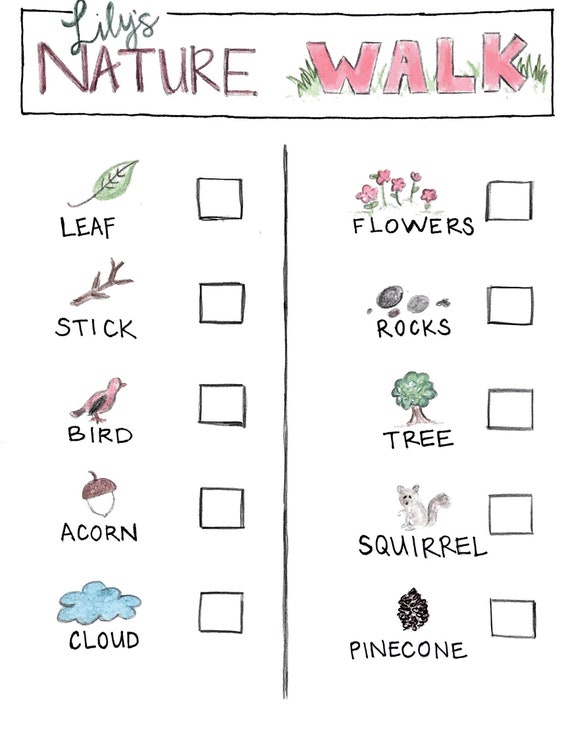
1. Nature Scavenger Hunt
Objectives: Build observation skills and introduce local biodiversity.
2. Sit Spot Observation (15–20 minutes)
Objectives: Sharpen sensory awareness and long-term observation skills.
3. Life Cycle Wheel (Printable Craft)
Objectives: Introduce stages of a life cycle (e.g., frog, butterfly, plant).
Core Unit: Exploring Life Cycles (Multi-Week Plan)
This unit covers plant, insect, and amphibian life cycles over 3–6 weeks. Each week focuses on observation, hands-on activities, and a printable worksheet for recording data.
Unit Overview
| Week | Focus | Key Activities | Printable Support |
|---|---|---|---|
| Week 1 | Seed to Seedling (Plants) | Seed planting, germination lab, observational journals | Germination tracker; seed anatomy labels |
| Week 2 | Caterpillars to Butterflies (Insects) | Butterfly kit or observation of wild caterpillars, life cycle wheel, art | Life cycle sequencing cards; observation sheet |
| Week 3 | Egg to Tadpole (Amphibians) | Field trip pond study or classroom frog-egg observation, aquatic habitat study | Pond journal; amphibian life cycle poster |
| Week 4 | Comparative Life Cycles | Venn diagrams, group presentations, creative projects | Comparison chart; presentation rubric |
Week 1: Plants — From Seed to Sprout
Learning Goals: Understand seed anatomy, germination requirements, and factors affecting plant growth.
Hands-On Activity: Germination Lab
Cross-Curricular Extensions
Week 2: Insects — Caterpillar to Butterfly
Learning Goals: Identify stages of complete metamorphosis and discuss habitat needs and lifecycle timing.
Hands-On Activity: Caterpillar Observation
Safety and Ethics
Always follow local wildlife guidelines. If collecting caterpillars, ensure their host plant remains available and release adults into the same habitat. Use ethically sourced kits when necessary.
Week 3: Amphibians — Egg to Tadpole to Frog
Learning Goals: Compare aquatic and terrestrial life stages, learn about amphibian habitats and adaptations.
Field Study: Pond Walk
Printable Resources and How to Use Them
Printables streamline outdoor learning by helping students collect consistent data, reflect on observations, and demonstrate understanding. Below are recommended printables with suggested uses.
Essential Printables
Printable Design Tips
Differentiation Strategies for Mixed-Age Groups
Outdoor learning often includes mixed ages. These strategies keep all learners engaged and challenged.
Assessment: Measuring Learning in the Outdoors
Assessing outdoor learning can blend formative and summative approaches without disrupting the experience.
Formative Assessment
Summative Assessment Options
Classroom Management and Safety Tips for Outdoor Lessons
Engaging Families and Communities
Extend learning beyond the classroom by involving families and community resources.
Cross-Curricular Extensions
Nature study fits easily into other subjects:
Case Study: A 4-Week Spring Unit in a Mixed-Grade Classroom
Here’s a real-world example that demonstrates how to implement the strategies above.
Context
Urban K–5 after-school program, 90-minute sessions twice weekly, limited budget, school garden available.
Week 1
Week 2
Week 3
Week 4
Sample Printable Text and Image Alt Text Suggestions
Provide accessible printables by adding clear alt text and concise labels. Here are examples to include as metadata or directly on PDFs.
SEO and Internal/External Linking Recommendations
To maximize discoverability and on-site engagement, use the following linking strategies.
Internal Link Suggestions (anchor text recommendations)
Authoritative External Links (open in new window)
Social Sharing Optimization
Encourage sharing with these elements:
Common Questions (FAQ)
Q: What age is best for spring nature study activities?
A: Nature study can be adapted for all ages. Preschoolers benefit from sensory-based activities and simple journaling. Elementary students can perform basic experiments and record data. Middle schoolers can design investigations, analyze results, and connect observations to broader ecological concepts.


0 Comments