
Nurturing Emotional Intelligence: Teaching Kids to Recognize and Express Feelings Through Coloring
In a world that often prioritizes academic achievements, the development of emotional intelligence (EQ) in children is increasingly recognized as a cornerstone for lifelong success and well-being. Imagine a child who can navigate the ups and downs of their day with resilience, understanding their own feelings, and empathizing with others. This isn’t just a dream; it’s a skill set that can be actively taught and nurtured from a young age. For parents and educators, the journey to foster this crucial emotional awareness can seem complex, but what if a simple, enjoyable activity like coloring held the key?
This article will explore the profound connection between creative expression, feelings coloring page and printables, and the development of emotional intelligence in children. We’ll delve into how these calm learning activities, combined with gentle mindfulness for kids practices, can empower children to recognize emotions and express feelings in healthy, constructive ways. You’ll discover practical strategies to integrate these tools into your daily routine, whether you’re building a homeschool SEL curriculum or seeking enriching activities for the classroom. Get ready to unlock a vibrant world where crayons become conduits for connection, understanding, and heartfelt growth.

Why Emotional Intelligence Matters for Young Learners
Emotional intelligence, often referred to as EQ, is far more than just “being nice.” It encompasses the ability to understand, use, and manage one’s own emotions in positive ways to relieve stress, communicate effectively, empathize with others, overcome challenges, and defuse conflict. For young children, developing strong emotional intelligence lays the foundation for success in school, friendships, and future careers.
Children with high EQ tend to exhibit greater self-confidence, better problem-solving skills, and a stronger sense of empathy. They are better equipped to handle frustrations, adapt to changes, and build meaningful relationships. Conversely, children who struggle to recognize emotions or express feelings might face difficulties in social situations, experience more anxiety, or struggle with self-regulation. Integrating emotional awareness into a child’s early learning journey, whether through a structured homeschool SEL curriculum or informal daily activities, is therefore not just beneficial—it’s essential. It prepares them not just for tests, but for life itself.
The Power of Play: How Coloring Boosts Emotional Awareness
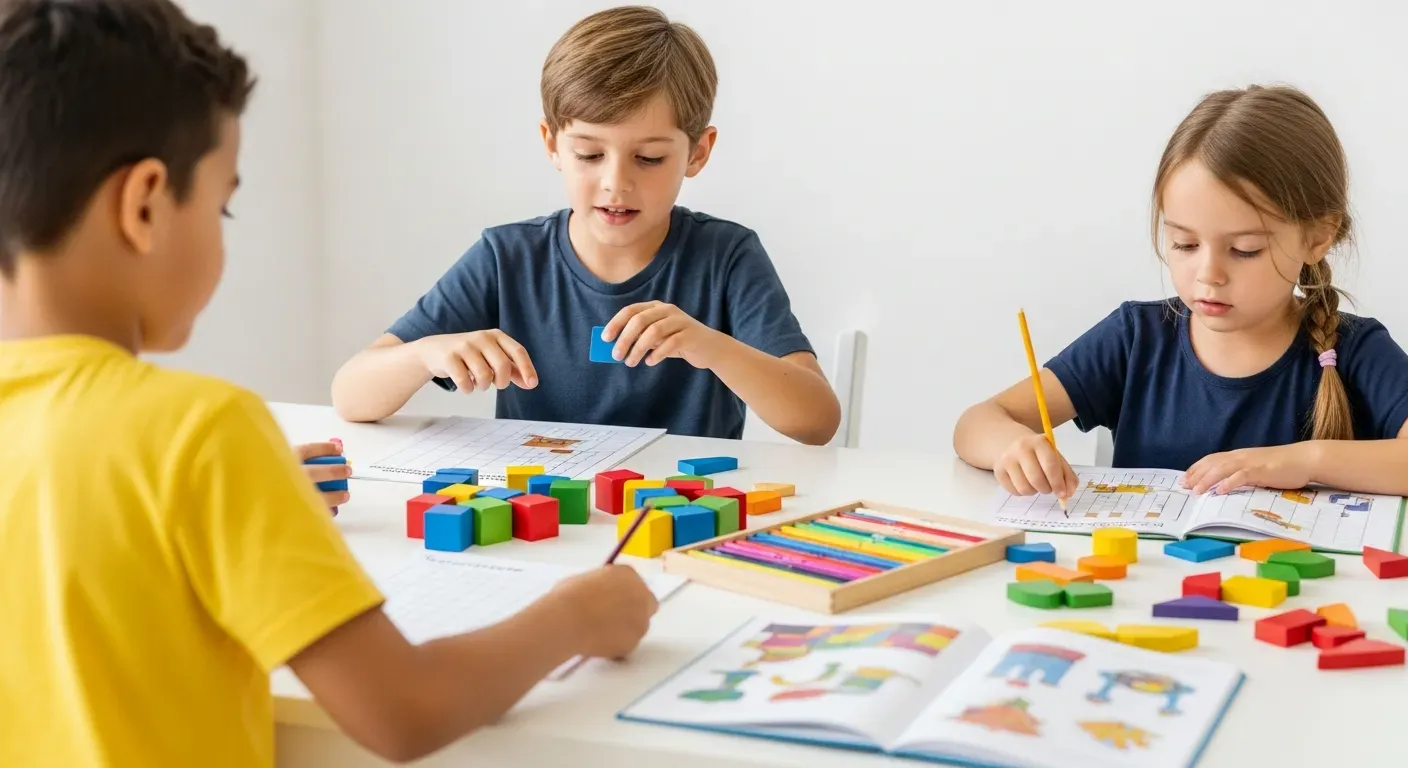
At first glance, coloring might seem like just a fun pastime, but it’s a powerful tool for fostering emotional growth, especially when paired with intention. When children engage with feelings coloring page and printables, they aren’t just filling in shapes; they’re embarking on a journey of self-discovery. This simple act provides a safe, low-pressure outlet for expression, particularly for children who might find it challenging to articulate complex emotions verbally.
Coloring is a naturally calm learning activity that encourages focus and concentration. This meditative quality helps children slow down, engage their senses, and process their thoughts and feelings without feeling overwhelmed. It also stimulates creativity, allowing children to make choices about colors and patterns, which subtly builds their sense of agency and self-expression. By offering specific feelings coloring page and printables, we give children a tangible way to connect with abstract emotional concepts, making it easier for them to recognize emotions in themselves and others.

From Blank Page to Emotional Insight: Practical Activities
Harnessing the power of coloring for emotional development is both simple and deeply rewarding. Here are some practical ways to use feelings coloring page and printables to boost your child’s emotional awareness:
Activity 1: Naming the Feeling with Specific Pages
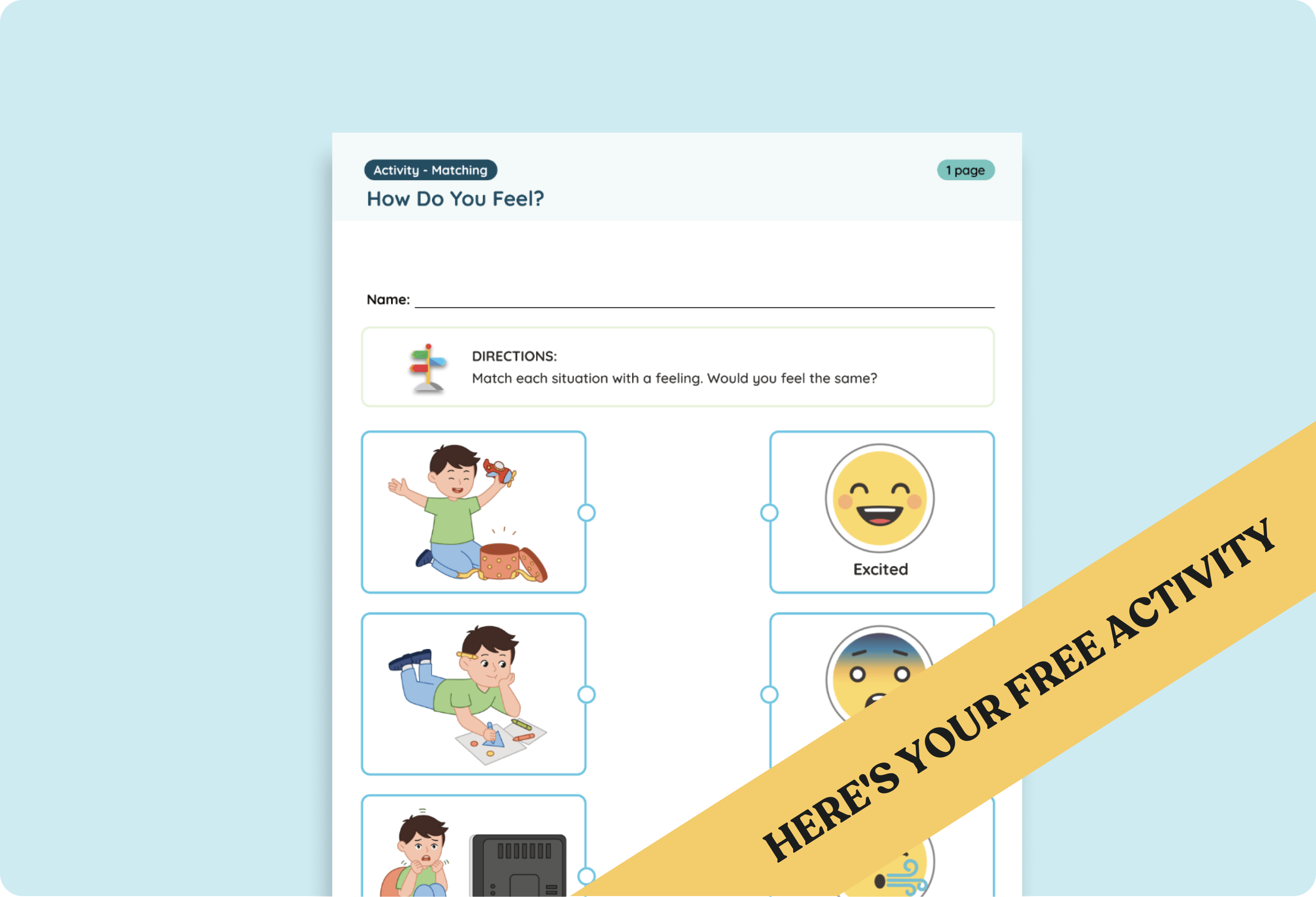
* How it works: Provide feelings coloring page and printables that depict different emotions through facial expressions, body language, or scenarios (e.g., a child looking sad, a happy family, an angry monster).
- Engagement: As your child colors, gently ask questions like: “What emotion do you see in this picture?” “When have you felt this way?” “What do you think made this character feel [emotion]?”
- Goal: This helps children associate visual cues with emotional labels, strengthening their ability to recognize emotions and build their emotional vocabulary.
- Engagement: “If sadness were a color, what would it be?” “What color feels happy to you today?” Encourage them to explain their color choices.
- Goal: This activity empowers children to express feelings non-verbally, providing a creative outlet for emotions that might be difficult to put into words. There’s no right or wrong answer, fostering a sense of psychological safety.
- Engagement: “Tell me about the story of your picture.” “What did this character do when they felt angry?” “How did they make themselves feel better?”
- Goal: Storytelling helps children develop narrative skills around emotions, allowing them to explore cause-and-effect relationships related to feelings and practice problem-solving in a creative context. This is a wonderful way to foster emotional intelligence through imaginative play.
- Mindful Breathing: “Let’s take three slow, deep breaths together. Feel your tummy rise and fall like a balloon.”
- Body Scan: “Notice how your feet feel on the floor, or your hands holding the crayon. Just notice, without trying to change anything.”
- Designate a “Calm Corner”: A comfortable, quiet space with art supplies, books, and perhaps a soft blanket.
- Set the Mood: Gentle lighting, soft background music, or even quiet time can signal that this is a space for reflection and creativity.
- Establish a Routine: Incorporate coloring and mindfulness into your daily or weekly schedule. Consistency helps children anticipate and embrace these calm learning activities.
- Model Calmness: Your own calm presence will significantly influence your child’s ability to relax and engage.
- “I feel a bit like the ‘frustrated’ picture today because my tower fell down.”
- “My friend looked like the ‘sad’ face when her toy broke.”

Activity 2: Expressing Feelings Through Color Choice
* How it works: Offer open-ended coloring pages (mandalas, nature scenes, abstract designs) or even blank paper. Ask your child to choose colors that represent how they are feeling in that moment, or how they imagine a particular emotion might look.
Activity 3: Storytelling with Colors
* How it works: After coloring a page, encourage your child to tell a story about it. If they colored a character, what is the character doing? How are they feeling? What happens next?
Integrating Mindfulness for Kids with Creative Expression
Mindfulness isn’t just for adults; simple mindfulness for kids practices can significantly enhance their emotional awareness and make coloring an even more impactful calm learning activity. Mindfulness teaches children to pay attention to the present moment without judgment, helping them tune into their bodies, thoughts, and feelings.
Before starting a coloring session, try a short, simple mindfulness exercise:
These brief moments of stillness help children transition into a calm, focused state, making them more receptive to the emotional exploration that coloring offers. It transforms coloring from a mere activity into a meditative practice where they can truly connect with their inner world and recognize emotions with greater clarity.
Creating a Calm Learning Environment at Home and School
To maximize the benefits of these activities, creating a dedicated, peaceful space is key. Whether you’re implementing a homeschool SEL curriculum or adding to a classroom routine, consider these tips:
Beyond the Crayons: Extending Emotional Learning
The insights gained from feelings coloring page and printables shouldn’t stay on the page. The real magic happens when these learnings are extended into daily life. Encourage your child to use the emotional vocabulary they’ve practiced during coloring to describe their real-life feelings.
Role-playing scenarios from their coloring pages can also help them practice different responses to emotions. Discuss how characters in books or movies might be feeling and why. These conversations reinforce their ability to recognize emotions and develop strategies to express feelings appropriately. For further resources on developing social-emotional skills, consider exploring authoritative SEL resources that offer comprehensive guidance.
Supporting Emotional Growth: A Parent and Educator’s Role
As parents and educators, our role is pivotal in guiding children through their emotional landscape. Be a mirror for their feelings: “I see you’re feeling frustrated because that crayon broke.” Validate their emotions, even if they seem minor to you: “It’s okay to feel sad when your drawing doesn’t turn out how you wanted.”
Most importantly, model healthy emotional expression. Talk about your own feelings (appropriately for their age), and show them how you cope with different emotions. This authentic approach builds trust and teaches children that all feelings are acceptable, and there are constructive ways to manage them. Incorporating these practices into a homeschool SEL curriculum or classroom activities creates a holistic environment where emotional intelligence flourishes naturally.
Cultivating Heartfelt Connections Through Color
Nurturing emotional intelligence in young children is one of the most valuable gifts we can give them. By embracing simple yet powerful tools like feelings coloring page and printables and integrating gentle mindfulness for kids, we empower them to recognize emotions, express feelings, and build a strong foundation for their emotional well-being. These calm learning activities not only enrich their inner world but also equip them with the resilience and empathy needed to thrive in our complex world. Let’s make emotional literacy as fundamental as reading and writing, one colorful stroke at a time.
Ready to empower your child with strong emotional foundations? Foster emotional growth with our free emotional intelligence resources, including feelings coloring pages and practical guides!


0 Comments