
Teaching the Alphabet Through Art: Creative, Effective Strategies for Early Learners
Start with a question: What if learning letters felt like play instead of work? Teaching the alphabet through art transforms abstract symbols into meaningful, multisensory experiences that help young children remember letter shapes, names, sounds, and vocabulary. In this guide you’ll discover why art-based alphabet instruction works, practical lesson plans and activity ideas for classrooms and homes, differentiation strategies, assessment approaches, and ways to integrate literacy with creative expression. Whether you’re a preschool teacher, kindergarten educator, homeschooling parent, or early childhood specialist, you’ll find research-backed methods, step-by-step activities, printable and material suggestions, and classroom management tips to make alphabet learning joyful and effective.
Why Teaching the Alphabet Through Art Works (Research & Benefits)
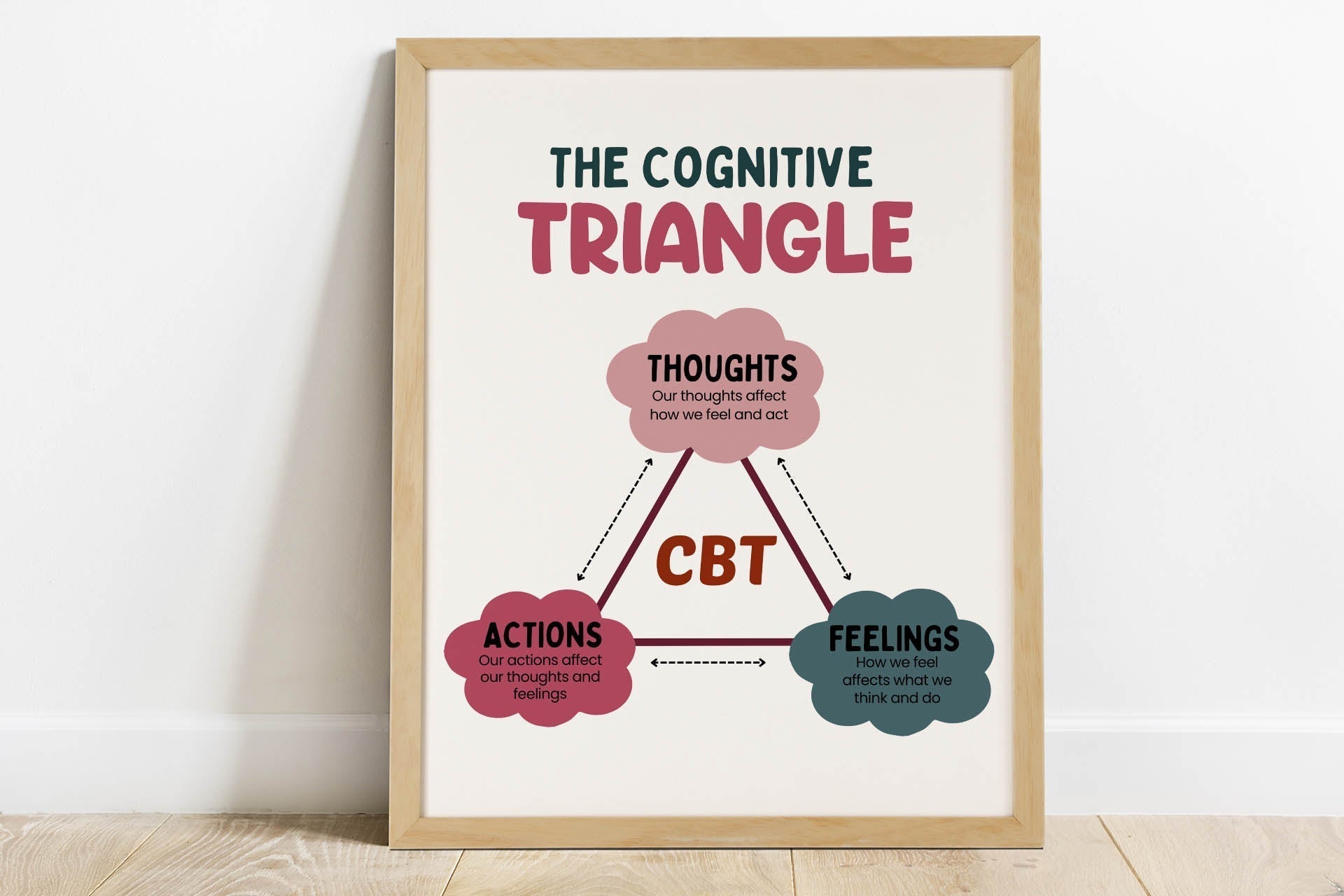
Art-based instruction aligns with how young children learn best: through play, exploration, and multisensory engagement. Neuroscience and early literacy research show that combining visual, tactile, auditory, and kinesthetic input strengthens memory and neural connections for letter recognition and phonemic awareness.
- Multisensory learning enhances retention: Painting, sculpting, and collage add touch and movement to letter learning, engaging more brain regions.
- Fine motor development supports writing: Cutting, gluing, and drawing build hand strength and coordination needed for forming letters.
- Vocabulary and phonics integration: Art projects centered on letter-related words reinforce sound-letter correspondences.
- Motivation and engagement: Creative tasks increase attention and persistence, especially for hesitant learners.
- Social-emotional benefits: Art fosters choice, pride, and collaborative skills—key for classroom climate and language development.
- Make it explicit and multimodal: Combine letter naming, letter-sound instruction, and visual arts in each lesson.
- Sequence gradually: Start with letter recognition, then move to sounds, formation, and vocabulary.
- Use repetition with variety: Revisit letters often using different art mediums to deepen learning without boredom.
- Differentiate instruction: Offer multiple entry points—sensory options, simplified vs. extended tasks, or peer supports.
- Assess informally: Embed quick checks (thumbs up, matching tasks) during art time to monitor progress.
- Wide-lined chart paper and/or letter posters
- Various paints (tempera, watercolors), brushes, sponges
- Crayons, washable markers, colored pencils
- Playdough or clay for tactile letter sculpting
- Scissors (child-safe), glue sticks, tape
- Collage materials: colored paper, magazines, fabric scraps
- Stamp letters, stencils, and foam alphabet shapes
- Dry-erase boards and markers
- Trays, smocks, and cleaning wipes
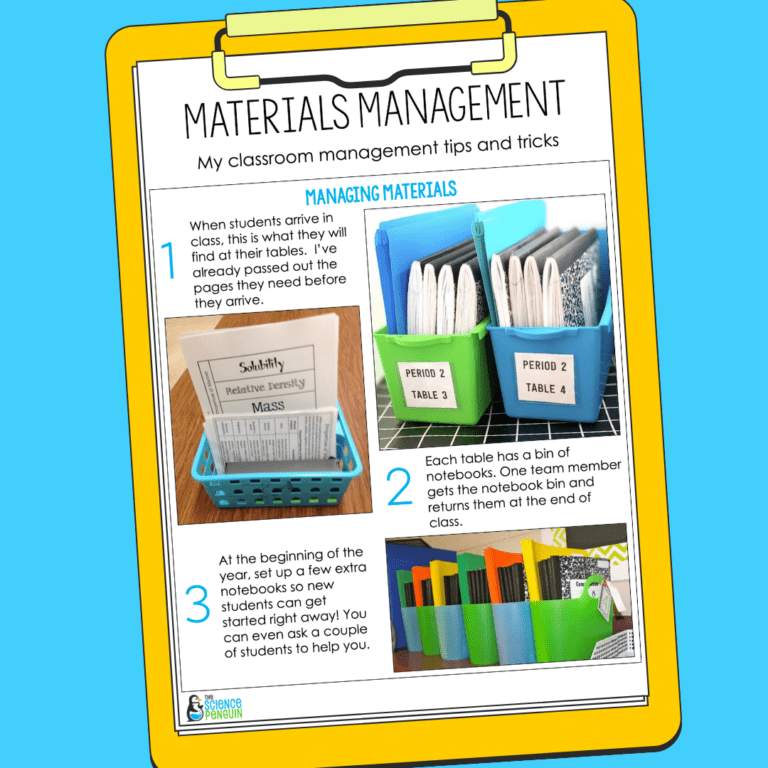
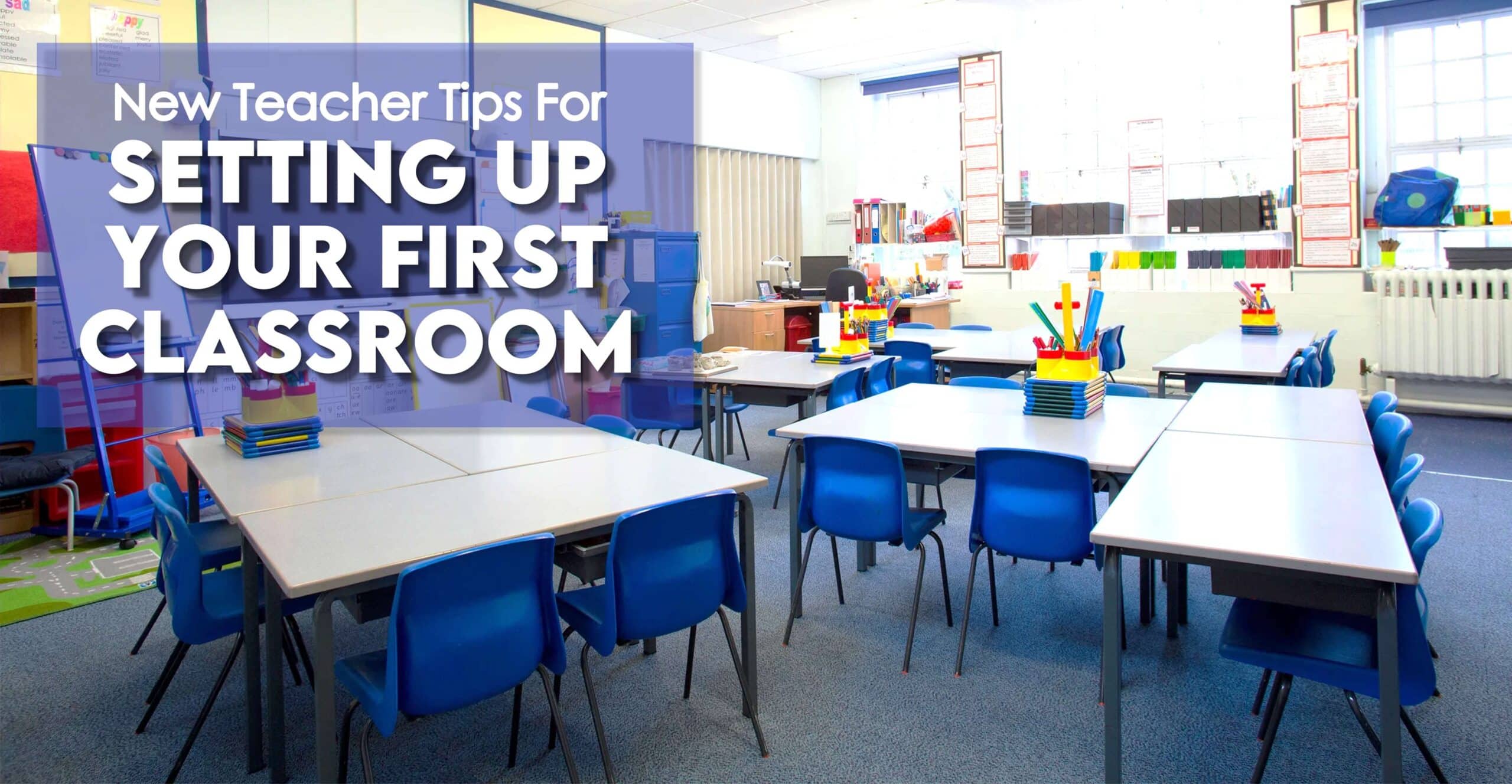
- Designate an art-and-letters center with labeled bins for each letter or material.
- Use visual schedules to show the sequence: introduction, guided activity, independent exploration, clean-up.
- Establish simple rules: Gentle hands with materials, share tools, and use indoor voices.
- Arrange materials at child height and provide examples so students can self-start.
- Introduce the letter on a chart: say letter name, show uppercase and lowercase, model the sound /a/ with a slow mouth gesture.
- Show apple picture cards and elicit vocabulary: “apple—/a/ /a/ /a/.”
- Demonstrate tearing paper into small pieces and gluing them onto the letter A template to make an apple texture.
- Students create their collages; encourage labeling with their name and writing practice of uppercase and lowercase A on the side.
- Share and celebrate; have students point to A in their collage and say the sound aloud.
- Warm-up: Say letter B and brainstorm words that start with /b/ (ball, bear, bus).
- Demonstrate dip-and-print technique using bubble wrap and paint; stamp a large B on chart paper.
- Children paint bubble wrap and press onto paper, creating textured B prints. They can overlay stamped B shapes.
- Encourage oral practice: each time they stamp, say “/b/ – ball.”
- Display work in a “B” gallery and have children point to words that begin with /b/.
- Model rolling a snake of clay and bending it into a C shape. Name the letter and produce the /k/ or /s/ sound as context requires (depending on instruction sequence).
- Children form their own clay Cs and decorate as caterpillars with small parts.
- Use prompts: “Show me a C that opens to the right” or “Make a small c and a big C.”
- Alphabet Art Calendar: Each day features an “artist of the day” letter—decorate a large letter on the calendar together and add a themed vocabulary word.
- Letter of the Week Mural: For each weekly letter, create a collaborative mural with drawings, magazine cutouts, and students’ small artworks.
- Morning Meeting Letter Warm-Up: Use a quick five-minute sketch, stamp, or collaging prompt to review letters and sounds.
- Rotation Stations: Set up stations (painting, clay, stamping, sensory bin) with one letter focus to give choices and differentiated practice.
- Use picture cards and have children sort images by their beginning sounds before creating an art piece.
- Include oral rehearsal: each time students add an element, they say the word and emphasize the initial sound.
- Create sound scavenger hunts where children find objects that start with the lesson’s letter and incorporate them into art.
- Introduce 5–8 vocabulary words per letter with visual supports; use labels on finished artworks to reinforce print concepts.
- Encourage children to dictate captions or sentences about their art; write the sentence with them and highlight the focus letter.
- Follow an art activity with guided handwriting practice using multisensory routes (shaving cream, sand trays, finger-painting letters).
- Offer progressive tracing sheets: dotted lines → partial tracing → independent formation next to art.
- Multilingual learners: Include cognates or target words from children’s home languages and display bilingual labels. Use pictures and gestures to clarify sounds.
- Children with motor delays: Use large-scale materials, adaptive scissors, foam letters, or tongs to minimize frustration.
- Children with sensory needs: Offer sensory-friendly options (no strong-smelling paints, noise-cancelling headphones) and sensory bins for letter exploration.
- Behavioral needs: Provide short, scaffolded tasks and frequent movement breaks; use visual timers and clear expectations.
- Alphabet checklist: note recognition, sound production, and formation for each letter as you observe during projects.
- Learning portfolios: save one art sample per letter and include a brief teacher note (date, observed skills).
- Photo documentation: photograph students’ work and record anecdotal notes about their verbal responses and participation.
- One-minute informal probes: ask a child to point to a letter, make its sound, and trace it on a small whiteboard.
- Letter mats with guide arrows for formation (provide both uppercase and lowercase).
- Picture-sound sorting cards for 26 letters (two sets: photos and drawings).
- Weekly lesson-planning template linking art medium, phonics goal, vocabulary, and assessment checkpoint.
- Parent take-home sheets: one-page activity to extend the letter-art connection at home.
- Tablet drawing apps (e.g., Procreate Pocket, Tayasui Sketches): children trace and color letters digitally for a tactile-like experience.
- Interactive whiteboard letter drawing: use a SMART Board or Google Jamboard for whole-group letter formation practice with colors and stamps.
- Photo and video prompts: record short clips of students describing their art to document learning and build speaking skills.
- A – Apple collage
- B – Bubble wrap prints
- C – Clay caterpillars
- D – Dot-paint dinosaurs
- E – Egg carton insects
- F – Fingerpaint fish
- G – Glue-and-glitter grapes
- H – Handprint houses
- I – Ice cube painting
- J – Jellyfish streamers (tissue paper)
- K – Kites with patterned paper
- L – Leaf rubbings
- M – Marble-rolled paint M
- N – Nature collages
- O – Oreo prints (food-safe option) or circle mosaics
- P – Potato-stamp penguins
- Q – Quilt-pattern Q collage
- R – Rice-glue textured letters
- S – Salt-dough S sculptures
- T – Tissue-paper trees
- U – Underwater scene using sponge textures
- V – Vegetable stamping (e.g., okra)
- W – Wax-resist whales
- X – X-ray crayon resist (drawing bones)
- Y – Yarn collage on painted Ys
- Z – Zigzag zipper prints or zinnia flower prints
- Send home a simple “Letter Art Challenge” with materials list and step-by-step prompts (e.g., paint a letter, find three objects that start with the letter, take a photo and return it).
- Host a family art night where each child leads an activity teaching one letter to parents.
- Share short videos demonstrating multisensory letter formation techniques parents can use (sand, finger paint, or dry-erase). Include translations when needed.
- Create “Letter Walls” that combine child art, vocabulary cards, and formation guides for each letter.
- Maintain an individualized portfolio folder with one art sample per letter plus brief teacher notes about observed skills.
- Use QR codes on displays linking to short audio recordings of the child saying their letter words—great for family engagement and digital portfolios.
Core Principles for Teaching Letters Through Art (Best Practices)
Effective art-based alphabet instruction follows a few core principles. Implement these consistently to maximize learning outcomes.
Getting Started: Materials, Setup, and Classroom Management
Preparation minimizes transitions and keeps creative energy focused on learning. Below is a practical materials and setup checklist for classrooms or home learning spaces.

Essential Materials
Classroom Setup Tips
Lesson Plans: Letter-by-Letter Art Activities (Step-by-Step)
The following sample lesson plans span a variety of art media and are adaptable. Each plan includes objectives, materials, steps, differentiation options, and quick assessment ideas.
Lesson 1 — “A is for Apple” Collage (35–45 minutes)
Objective: Recognize uppercase A and lowercase a; associate /a/ sound with the word apple; trace and create letter A using collage.
Materials: Red, green, brown paper, scissors, glue, pre-cut letter A template, crayons, apple picture cards.
Steps:
Differentiation: Provide pre-glued templates for children who need simpler tasks. Offer tracing practice for emergent writers.
Assessment: Use a quick checklist: names uppercase/lowercase, imitates /a/ sound, produces apple vocabulary.
Lesson 2 — “Bubbles for B” Bubble Wrap Printmaking (30 minutes)
Objective: Identify B/b and practice initial /b/ sound; print letters using bubble wrap with paint.
Materials: Bubble wrap, tempera paint, letter stamps or foam B shapes, paper, wristband smocks.
Steps:
Differentiation: Provide tactile letter cards embossed with bubble wrap texture for sensory seekers.
Assessment: Observe if students associate initial sound with the letter and can pick out B among a small set of letters.
Lesson 3 — “C is for Clay Caterpillar” Clay Letter Sculpting (20–30 minutes)
Objective: Form uppercase and lowercase C using playdough/clay; develop fine motor skills and letter recognition.
Materials: Playdough, googly eyes, pipe cleaners, letter mats showing C/c.
Steps:
Differentiation: For children with fine-motor challenges, offer larger foam shapes to trace around, or use adaptive tools to roll clay.
Assessment: Quick one-on-one: ask child to make the letter after a verbal prompt or to point to C on a printed alphabet strip.
Whole-Group Art Routines to Reinforce the Alphabet
Consistent group routines give children repeated exposure. Below are whole-group routines that are easy to implement daily or weekly.
Integrating Phonics, Vocabulary, and Writing with Art
Art should be more than decoration; pair it with targeted literacy goals to teach phonics and writing skills.
Phonics Integration
Vocabulary Development
Writing and Letter Formation
Adaptations for Diverse Learners and Inclusive Practices
Different learners bring different needs. Art-based alphabet instruction is highly adaptable for multilingual learners, children with motor delays, and those with attention differences.
Assessment Strategies: Monitoring Progress Without Killing Creativity
Assessment should be quick, formative, and embedded in activities. Use simple tools that respect the creative process while tracking literacy outcomes.
Quick Assessment Tools
Progress Monitoring Schedule
Conduct quick observations weekly and a brief individual letter-sound/form assessment every 6–8 weeks. Use results to group for targeted instruction or modify scaffolds.
Examples & Case Studies: Real Classrooms Using Art to Teach Letters
Below are brief real-world snapshots demonstrating how art transformed alphabet learning.
Case Study 1 — Urban Preschool: Alphabet Mural Project
A public preschool created a year-long alphabet mural. Each week students explored a new letter through mixed-media projects and added a panel to the mural. Teachers reported increased letter recognition and higher engagement during morning meeting discussions. Portfolio samples showed steady improvement in letter formation and vocabulary use.
Case Study 2 — Homeschool Co-op: Thematic Art-Letter Rotations
A homeschool co-op rotated stations: sensory trays, watercolors, and clay. Children worked in small groups on letter-themed art, leading to rich peer conversations about sounds and words. Parents reported children spontaneously naming letter-sound words during everyday routines.
Practical Printables, Templates, and DIY Resources
Use these low-prep resources to speed planning and maintain consistency.
Image alt text suggestion: “Children creating a collaborative alphabet mural using paint and collage materials.”
Technology and Digital Art Tools for Alphabet Instruction
Integrating technology can expand art possibilities, especially for blended or remote learning.
Lesson Library: 26 Letter Art Ideas (Quick Reference)
One-line ideas you can drop into weekly planning:
Parent Engagement: Extending Alphabet Art at Home
Invite families to participate with manageable, low-cost activities and clear communication.
Classroom Display and Assessment Portfolios
Meaningful displays celebrate learning and provide formative documentation.


0 Comments