
Mastering the Art of Vegetable Gardening: A Beginner’s Guide to Growing Your Own Food
Embarking on a vegetable gardening journey can feel like stepping into a world of endless possibilities. Imagine fresh, flavorful tomatoes bursting with sunshine, crisp cucumbers perfect for summer salads, and vibrant peppers adding a spicy kick to your meals – all grown right in your backyard! It might seem daunting at first, but with a little knowledge and a dash of enthusiasm, anyone can become a successful vegetable gardener. This guide will walk you through the essential steps, offering practical advice and helpful tips to cultivate your own thriving vegetable patch. Get ready to dig in and experience the joy of harvesting your very own homegrown goodness!
Planning Your Vegetable Garden: Laying the Foundation for Success
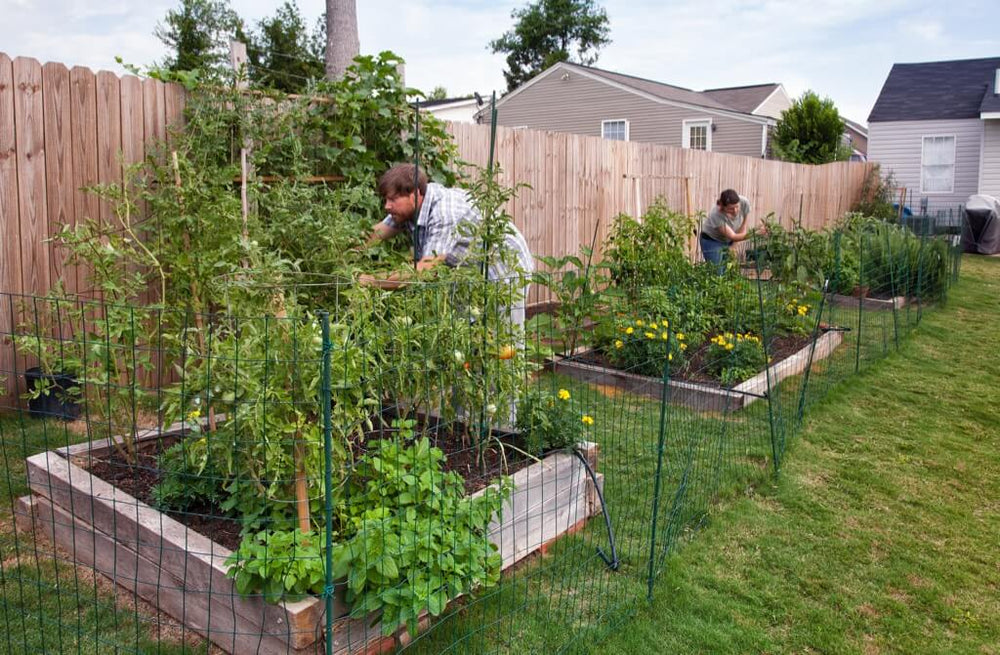
Before you even think about planting seeds, careful planning is crucial. This stage sets the stage for a bountiful harvest and prevents common pitfalls that beginner gardeners often face. Think of it as creating a roadmap for your gardening adventure.

Choosing the Right Location: Sunlight is Key
Sunlight is the lifeblood of your vegetable garden. Most vegetables need at least 6-8 hours of direct sunlight per day to thrive. Observe your yard throughout the day to identify the sunniest spots.
- Southern Exposure: Ideal for sun-loving plants like tomatoes, peppers, and eggplant.
- Eastern Exposure: Suitable for leafy greens and herbs that can tolerate some afternoon shade.
- Western Exposure: Can be intense in the afternoon, so choose heat-tolerant varieties.
- Soil Testing Kits: Available at most garden centers, these kits allow you to easily test your soil at home.
- Local Extension Office: Many extension offices offer soil testing services for a nominal fee.
- Compost: Add compost to enrich the soil with organic matter, improve drainage, and boost nutrient levels.
- Manure: Well-rotted manure is another excellent soil amendment.
- Cover Crops: Planting cover crops like clover or rye can improve soil structure and fertility.
- Beginner-Friendly Vegetables: Lettuce, radishes, spinach, beans, and zucchini are relatively easy to grow.
- Climate Considerations: Select varieties that are known to perform well in your region. Your local nursery can provide valuable recommendations.
- Space Planning: Determine how much space each vegetable needs and plan accordingly.
- Manual Removal: Hand-pulling weeds and digging out grass is a labor-intensive but effective method.
- Solarization: Cover the area with black plastic for several weeks to kill weeds and grass with heat.
- Tilling: Using a tiller can quickly break up compacted soil.
- Double Digging: A more intensive method that involves digging two layers of soil and amending each layer.
- No-Till Gardening: A method that avoids tilling, preserving soil structure and beneficial organisms.
- Improved Drainage: Raised beds allow water to drain more easily, preventing root rot.
- Better Soil Control: You can fill raised beds with a custom soil mix that is ideal for vegetable growth.
- Easier Access: Raised beds can make gardening more accessible for people with mobility issues.
- Advantages: Less expensive, avoids transplant shock, allows plants to develop strong root systems.
- Disadvantages: Requires warmer soil temperatures, may be susceptible to pests and diseases, germination can be unreliable.
- Prepare the soil: Ensure the soil is loose, well-drained, and free of weeds.
- Sow seeds at the correct depth: Follow the instructions on the seed packet.
- Water regularly: Keep the soil consistently moist until the seeds germinate.
- Thin seedlings: Once the seedlings emerge, thin them to the recommended spacing.
- Advantages: Earlier harvest, greater control over growing conditions, reduced risk of pests and diseases.
- Disadvantages: More expensive, can experience transplant shock, requires more time and effort.
- Harden off transplants: Gradually acclimate transplants to outdoor conditions before planting them in the garden.
- Plant at the correct depth: Plant transplants at the same depth they were growing in their containers.
- Water thoroughly: Water transplants immediately after planting to help them establish their roots.
- Protect from pests: Use row covers or other protective measures to prevent pests from damaging transplants.
- Water deeply and infrequently: Water deeply to encourage roots to grow deep into the soil.
- Water in the morning: This allows the foliage to dry before nightfall, reducing the risk of fungal diseases.
- Use a soaker hose or drip irrigation: These methods deliver water directly to the roots, minimizing water waste and reducing the risk of foliage diseases.
- Balanced Fertilizer: A fertilizer that contains equal amounts of nitrogen, phosphorus, and potassium (e.g., 10-10-10).
- Compost Tea: A liquid fertilizer made by steeping compost in water.
- Hand-pulling: A simple and effective method for removing weeds.
- Mulching: Applying a layer of mulch can suppress weed growth and conserve moisture.
- Hoeing: Using a hoe to cultivate the soil can kill weeds before they emerge.
- Integrated Pest Management (IPM): A holistic approach to pest control that emphasizes prevention and uses chemical controls only as a last resort.
- Beneficial Insects: Attract beneficial insects to your garden to help control pests.
- Organic Pest Control Methods: Insecticidal soap, neem oil, and diatomaceous earth are organic pest control options.
- Tomatoes: Harvest when they are fully colored and slightly soft to the touch.
- Cucumbers: Harvest when they are firm and have reached the desired size.
- Peppers: Harvest when they are fully colored and firm.
- Lettuce: Harvest when the leaves are large enough to eat.
- Radishes: Harvest when they have reached the desired size.
- Cut vegetables cleanly: Use a sharp knife or scissors to cut vegetables from the plant.
- Handle vegetables gently: Avoid bruising or damaging vegetables during harvest.
- Harvest in the morning: Vegetables are typically at their peak flavor in the morning.
- Refrigerate: Most vegetables should be stored in the refrigerator.
- Freeze: Some vegetables can be frozen for longer-term storage.
- Canning: Canning is a method of preserving vegetables in jars.
- Root Cellaring: Root cellaring is a traditional method of storing root vegetables in a cool, dark, and humid environment.
- Plan carefully: Choose the right location, understand your soil, and select vegetables that are well-suited to your climate.
- Prepare your garden beds: Clear the area, till or dig the soil, and add amendments to improve its quality.
- Start your vegetables wisely: Choose between direct sowing and transplants based on your needs and resources.
- Care for your plants diligently: Water regularly, fertilize as needed, remove weeds, and protect your plants from pests and diseases.
- Harvest at the peak of ripeness: Enjoy the fruits (and vegetables!) of your labor by harvesting your vegetables when they are at their best.
Pro Tip: Use a sun calculator app or website to track sunlight patterns in your yard throughout the year. This will help you make informed decisions about plant placement.
Understanding Your Soil: The Foundation of Plant Health
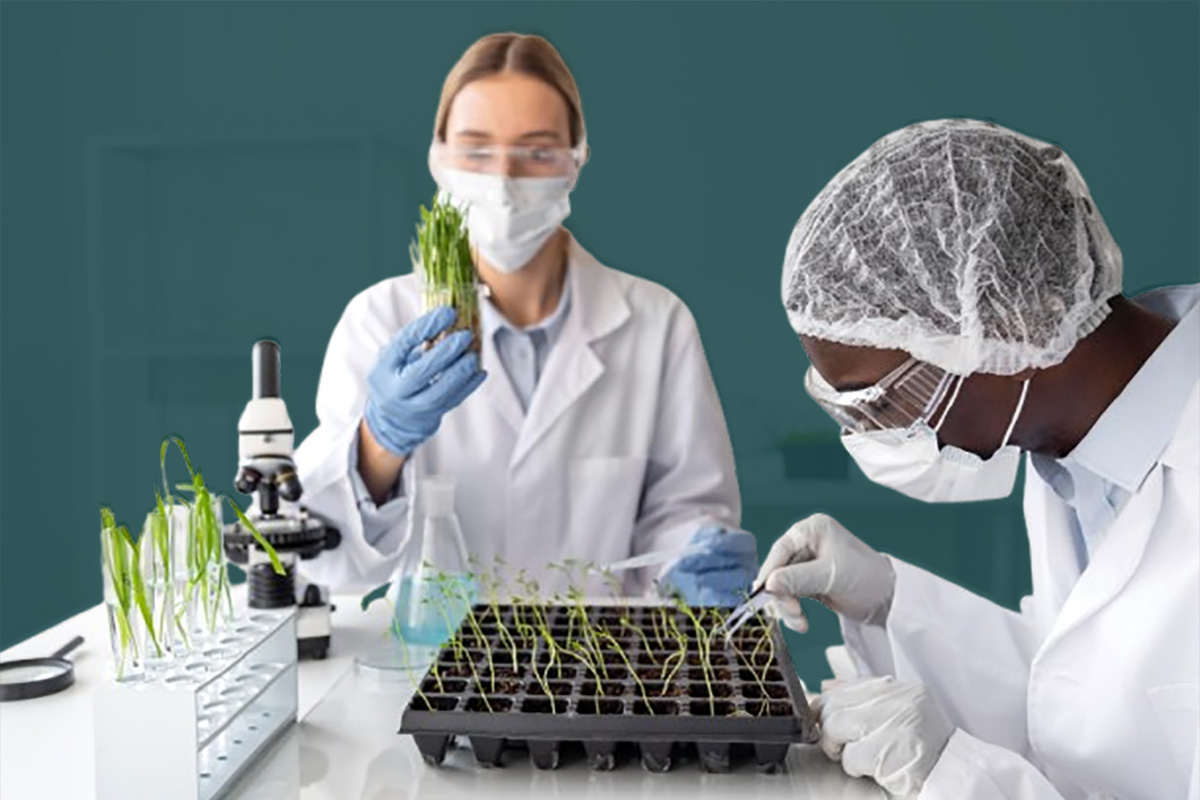
Healthy soil is the cornerstone of a thriving vegetable garden. It provides essential nutrients, supports root growth, and helps retain moisture. Conduct a soil test to determine its pH level and nutrient content.
Ideal Soil pH: Most vegetables prefer a slightly acidic soil pH between 6.0 and 7.0.
Improving Soil Quality:
Internal Link Suggestion: For more in-depth information on soil health, link to an article on “Complete Guide to Soil Amendments: Choosing the Right One for Your Garden“.

Selecting Your Vegetables: Grow What You Love to Eat
Choose vegetables that you enjoy eating and that are well-suited to your local climate. Consider your available space and the amount of time you’re willing to dedicate to gardening.
Example: If you love tomatoes and have plenty of sunlight, consider growing a few different varieties, such as cherry tomatoes, Roma tomatoes, and heirloom tomatoes.
Key Takeaway: Planning is paramount. Take the time to assess your site, understand your soil, and choose the right vegetables for your needs.
Preparing Your Garden Beds: Getting Ready to Plant
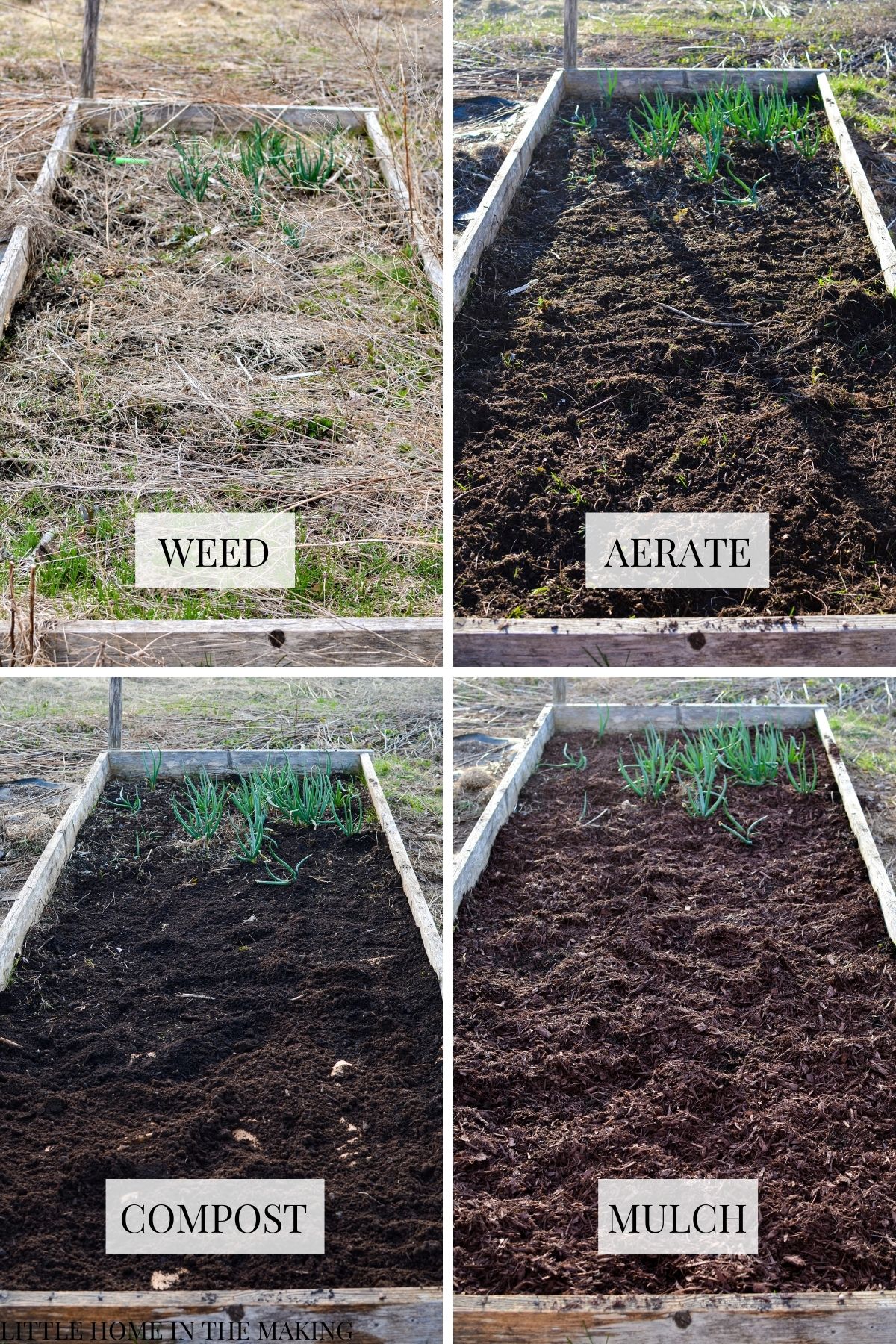
Once you’ve planned your garden, it’s time to prepare the beds for planting. This involves clearing the area, tilling or digging the soil, and adding amendments to improve its quality.
Clearing the Area: Removing Obstacles
Remove any existing grass, weeds, rocks, or debris from the area where you plan to create your garden beds. This will ensure that your vegetables have a clear space to grow.
Tilling or Digging: Loosening the Soil
Tilling or digging the soil helps to loosen it, improve drainage, and create a favorable environment for root growth.
Considerations: Tilling can disrupt soil structure and harm beneficial organisms. No-till gardening is a more sustainable approach, but it may require more initial effort to prepare the soil.
Building Raised Beds: An Alternative Approach
Raised beds are a popular option for vegetable gardening, especially in areas with poor soil or drainage. They offer several advantages:
Materials for Raised Beds: Wood, concrete blocks, and metal are common materials for building raised beds.
External Link Suggestion: For detailed instructions on building raised beds, link to a resource like “DIY Raised Garden Bed Guide: Step-by-Step Instructions“.
Transition Sentence: With your garden beds prepared, you’re almost ready to start planting! Next, we’ll explore the different ways to start your vegetables, from seeds to transplants.
Starting Your Vegetables: Seeds vs. Transplants
You have two main options for starting your vegetables: sowing seeds directly in the garden or using transplants (seedlings that have been started indoors or in a greenhouse). Each method has its own advantages and disadvantages.
Direct Sowing: Planting Seeds in the Garden
Direct sowing involves planting seeds directly into the garden soil. This is a simple and cost-effective method for many vegetables.
Vegetables that are well-suited for direct sowing: Radishes, carrots, beans, peas, lettuce, spinach.
Tips for Direct Sowing:
Using Transplants: Starting with Seedlings
Transplants are seedlings that have been started indoors or in a greenhouse and then transplanted into the garden. This method offers several advantages.
Vegetables that benefit from being started as transplants: Tomatoes, peppers, eggplant, broccoli, cauliflower.
Tips for Using Transplants:
Internal Link Suggestion: Link to an article on “Starting Seeds Indoors: A Step-by-Step Guide” for readers who want to learn more about starting their own transplants.
Key Takeaway: Choose the method that best suits your needs and resources. Direct sowing is simple and cost-effective, while transplants offer greater control and an earlier harvest.
Caring for Your Vegetable Garden: Nurturing Your Plants
Once your vegetables are planted, it’s important to provide them with the care they need to thrive. This includes watering, fertilizing, weeding, and pest control.
Watering: Providing Essential Moisture
Consistent watering is crucial for vegetable growth. The amount of water your plants need will depend on the weather, the type of soil, and the specific vegetables you’re growing.
Signs of Overwatering: Yellowing leaves, wilting, and root rot.
Signs of Underwatering: Wilting, dry soil, and stunted growth.
Fertilizing: Providing Essential Nutrients
Vegetables need essential nutrients to grow and produce a bountiful harvest. Fertilize your plants regularly with a balanced fertilizer or compost tea.
Organic Fertilizers: Fish emulsion, bone meal, and blood meal are organic fertilizers that can provide essential nutrients.
Caution: Avoid over-fertilizing, as this can damage your plants.
Weeding: Removing Competition
Weeds compete with your vegetables for water, nutrients, and sunlight. Remove weeds regularly to keep your garden healthy.
Mulch Options: Straw, wood chips, and shredded leaves are common mulching materials.
Pest and Disease Control: Protecting Your Plants
Pests and diseases can damage your vegetables and reduce your harvest. Monitor your plants regularly for signs of problems and take action quickly to prevent them from spreading.
Common Vegetable Garden Pests: Aphids, cabbage worms, tomato hornworms.
Common Vegetable Garden Diseases: Powdery mildew, blight, and root rot.
External Link Suggestion: Link to a resource like “Organic Pest Control Guide: Protecting Your Garden Naturally” for more information on pest and disease management.
Key Takeaway: Consistent care is essential for a healthy and productive vegetable garden. Water regularly, fertilize as needed, remove weeds, and protect your plants from pests and diseases.
Harvesting Your Vegetables: Enjoying the Fruits (and Vegetables!) of Your Labor
Harvesting your vegetables at the peak of ripeness is one of the most rewarding aspects of gardening. Knowing when and how to harvest each vegetable will ensure that you enjoy the best possible flavor and texture.
Knowing When to Harvest
Each vegetable has its own specific indicators of ripeness. Pay attention to the size, color, and texture of your vegetables to determine when they are ready to harvest.
Pro Tip: Consult seed packets or gardening guides for specific harvesting instructions for each vegetable.
Harvesting Techniques
Use proper harvesting techniques to avoid damaging your plants.
Storing Your Harvest
Proper storage can extend the shelf life of your harvested vegetables.
Internal Link Suggestion: Link to an article on “Preserving Your Harvest: Canning, Freezing, and Drying” for information on different storage methods.
Key Takeaway: Harvest your vegetables at the peak of ripeness to enjoy the best possible flavor and texture. Use proper harvesting techniques and store your harvest appropriately to extend its shelf life.
Conclusion: Your Journey to a Thriving Vegetable Garden
Congratulations! You’ve now embarked on your journey to becoming a successful vegetable gardener. Remember, gardening is a learning process, so don’t be discouraged if you encounter challenges along the way. Embrace the experience, experiment with different techniques, and most importantly, enjoy the process of growing your own food.
Key Takeaways:
Now, grab your gardening gloves, get your hands dirty, and start growing! Your own delicious, homegrown vegetables await.
Call to Action: Sign up for our newsletter to receive more gardening tips and tricks! [Link to Newsletter Signup]
Social Sharing Optimization: Use social sharing buttons to encourage readers to share this article with their friends and family on social media platforms like Facebook, Twitter, and Pinterest.


0 Comments