
Unlock Your Potential: A Friendly Guide to Lifelong Learning and Growth
Embarking on a journey of continuous learning and personal development can feel both exciting and a little daunting. But don’t worry, you’re not alone! This guide is designed to be your friendly companion, offering support and practical advice to help you unlock your full potential through lifelong learning. We’ll explore the benefits of embracing a growth mindset, identify effective learning strategies, and provide tips for staying motivated along the way. Think of this as a supportive conversation, empowering you to confidently navigate your personal and professional growth.

Why Embrace Lifelong Learning? The Incredible Benefits
Imagine a world where you constantly evolve, adapt, and thrive in the face of change. That’s the power of lifelong learning! It’s not just about acquiring new skills for your career; it’s about enriching your life, expanding your horizons, and becoming the best version of yourself. Let’s dive into some of the amazing benefits:
- Career Advancement: In today’s rapidly evolving job market, continuous learning is essential for staying competitive. Acquiring new skills and knowledge can open doors to promotions, new job opportunities, and even entirely new career paths. Investing in yourself is the best investment you can make.
- Personal Enrichment: Learning isn’t just about work; it’s about personal fulfillment. Exploring new subjects, hobbies, or interests can bring joy, expand your perspectives, and enrich your life in countless ways. Think about that language you’ve always wanted to learn, or that musical instrument you’ve been curious about.
- Improved Cognitive Function: Studies show that lifelong learning can improve memory, attention, and problem-solving skills. It’s like a workout for your brain, keeping it sharp and agile as you age. A curious mind is a healthy mind.
- Increased Confidence and Self-Esteem: As you acquire new knowledge and skills, you’ll naturally feel more confident in your abilities. This increased self-esteem can positively impact all areas of your life, from your relationships to your career.
- Adaptability and Resilience: The world is constantly changing, and lifelong learning equips you with the adaptability and resilience you need to thrive in the face of uncertainty. By embracing a growth mindset, you’ll be better prepared to handle challenges and seize new opportunities.
- Embrace Challenges: Don’t shy away from difficult tasks. Instead, view them as opportunities to learn and grow. Remember, the greatest growth often comes from pushing yourself outside of your comfort zone.
- View Failure as a Learning Opportunity: Everyone makes mistakes. The key is to learn from them and use them as stepping stones to success. Ask yourself, “What can I learn from this experience?”
- Value Effort and Persistence: Focus on the process of learning, not just the outcome. Recognize that effort and persistence are essential for achieving your goals. Celebrate your progress, no matter how small.
- Seek Feedback and Learn from Others: Don’t be afraid to ask for help or feedback. Learning from others can provide valuable insights and perspectives that you might not have considered on your own.
- Believe in Your Potential: Believe that you have the ability to learn and grow. Your beliefs have a powerful impact on your actions and outcomes. “Whether you think you can, or you think you can’t – you’re right.” – Henry Ford
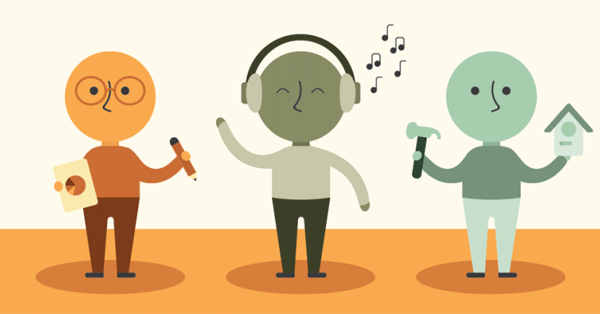
- Visual Learners: Visual learners learn best through seeing. They benefit from diagrams, charts, videos, and other visual aids.
- Auditory Learners: Auditory learners learn best through listening. They thrive in lectures, discussions, and audio recordings.
- Kinesthetic Learners: Kinesthetic learners learn best through doing. They benefit from hands-on activities, experiments, and role-playing.
- Reading/Writing Learners: These learners prefer to learn through written words. They enjoy reading articles, taking notes, and writing summaries.
- Active Recall: Instead of passively rereading notes, actively recall information from memory. This can be done through self-testing, flashcards, or simply trying to explain the concepts to someone else.
- Spaced Repetition: Review material at increasing intervals over time. This helps to reinforce your memory and prevent forgetting. Apps like Anki are excellent for implementing spaced repetition.
- Interleaving: Mix up different subjects or topics during your study sessions. This can help you to better understand the relationships between different concepts and improve your problem-solving skills.
- Elaboration: Connect new information to what you already know. This helps to create meaningful connections in your brain and improve your understanding.
- Teach Others: Teaching others is a great way to solidify your own understanding of a topic. When you teach, you’re forced to organize your thoughts and explain the concepts in a clear and concise manner.
- Take Breaks: Don’t try to cram everything in at once. Take regular breaks to avoid burnout and allow your brain to process the information. Short, frequent breaks are more effective than long, infrequent breaks. The Pomodoro Technique (25 minutes of focused work followed by a 5-minute break) can be a helpful strategy.
- Create a Dedicated Learning Environment: Find a quiet and comfortable space where you can focus without distractions. Make sure you have all the materials you need at hand.
- Use Multiple Resources: Don’t rely on just one source of information. Explore different books, articles, videos, and online courses to gain a more comprehensive understanding of the topic.
- Set Clear Goals: Define what you want to achieve and why it’s important to you. Having clear goals will give you a sense of direction and purpose. Make sure your goals are SMART: Specific, Measurable, Achievable, Relevant, and Time-bound.
- Break Down Large Goals into Smaller Steps: Large goals can feel overwhelming. Break them down into smaller, more manageable steps that you can tackle one at a time. Celebrate your progress as you complete each step.
- Find Your “Why”: Connect your learning goals to your values and passions. When you’re passionate about what you’re learning, you’ll be more motivated to stick with it.
- Reward Yourself: Celebrate your achievements, no matter how small. Reward yourself for reaching milestones to stay motivated and reinforce positive habits.
- Find a Learning Community: Connect with other learners who share your interests. A supportive community can provide encouragement, accountability, and valuable insights. Online forums, study groups, and social media groups can be great resources.
- Track Your Progress: Keep track of your progress and celebrate your achievements. Seeing how far you’ve come can be a powerful motivator.
- Be Patient and Persistent: Learning takes time and effort. Don’t get discouraged if you don’t see results immediately. Be patient, persistent, and trust the process.
- Don’t Be Afraid to Ask for Help: If you’re struggling, don’t be afraid to ask for help. Reach out to teachers, mentors, or other learners for support and guidance.
- Make it Fun: Learning shouldn’t feel like a chore. Find ways to make it enjoyable, such as listening to music while you study, turning learning into a game, or exploring topics that genuinely interest you.
- Online Courses: Platforms like Coursera, edX, and Udemy offer a wide range of courses on various subjects, often taught by experts from top universities and institutions.
- Educational Websites: Websites like Khan Academy, MIT OpenCourseWare, and TED offer free educational content on a variety of topics.
- Libraries: Libraries offer a wealth of resources, including books, magazines, journals, and online databases. They also often host workshops and events for learners of all ages.
- Podcasts: Podcasts are a great way to learn on the go. There are podcasts on virtually every topic imaginable.
- YouTube: YouTube is a vast repository of educational videos. You can find tutorials, lectures, documentaries, and more.
- Books: Don’t underestimate the power of a good book. Books can provide in-depth knowledge and insights on a wide range of subjects.
- Mentors: Find someone who has achieved what you want to achieve and learn from their experience. A mentor can provide guidance, support, and valuable advice.
- Set Aside Dedicated Learning Time: Schedule specific times for learning each day or week. Treat these appointments as non-negotiable.
- Read Regularly: Make reading a part of your daily routine. Read books, articles, or blog posts on topics that interest you.
- Listen to Podcasts or Audiobooks During Your Commute: Turn your commute into a learning opportunity by listening to podcasts or audiobooks.
- Take Online Courses in Your Spare Time: Use your evenings or weekends to take online courses and learn new skills.
- Attend Workshops and Seminars: Attend workshops and seminars on topics that interest you. These events can provide valuable insights and networking opportunities.
- Engage in Conversations: Engage in conversations with people who are knowledgeable about topics that interest you. This can be a great way to learn new things and expand your perspectives.
- Reflect on Your Experiences: Take time to reflect on your experiences and identify what you’ve learned. This can help you to solidify your understanding and apply your knowledge in new situations.
- Make it Social: Join a book club, attend lectures with friends, or start a study group. Learning with others can make the process more enjoyable and motivating.
- Anchor Text: growth mindset
- Link to: (Create a separate article on developing a growth mindset)
- Anchor Text: learning styles
- Link to: (Create a separate article detailing different learning styles)
- Anchor Text: SMART goals
- Link to: (Create a separate article on setting effective SMART goals)
- Anchor Text: online courses
- Link to: (Create a curated list of recommended online learning platforms)
- Source: Studies show that lifelong learning can improve memory
- Link to: A relevant scientific study on the cognitive benefits of lifelong learning (e.g., from PubMed or a reputable academic journal).
- Resource: Khan Academy
- Link to: https://www.khanacademy.org/
- Resource: Coursera
- Link to: https://www.coursera.org/
- Include social sharing buttons (Facebook, Twitter, LinkedIn, Pinterest) at the beginning and end of the article.
- Suggest a pre-populated tweet: “Unlock your potential with this friendly guide to lifelong learning! #lifelonglearning #personalgrowth #education [link to article]”
- Create a visually appealing image (e.g., a quote graphic) that can be shared on social media.
- Soft CTA: “Sign up for our newsletter to receive more tips and resources on lifelong learning!” (Link to newsletter signup form)
- Strong CTA: “Ready to start your learning journey? Explore our recommended online courses and find the perfect fit for your interests!” (Link to a curated list of online courses)
- Contextual CTA: “Want to dive deeper into growth mindset? Check out our comprehensive guide on developing a growth mindset for success!” (Link to internal article on growth mindset)

Cultivating a Growth Mindset: Your Foundation for Success
A growth mindset is the belief that your abilities and intelligence can be developed through dedication and hard work. It’s the opposite of a fixed mindset, which assumes that your talents are innate and unchangeable. Adopting a growth mindset is crucial for lifelong learning because it allows you to embrace challenges, persevere through setbacks, and view failures as opportunities for growth.
Here’s how to cultivate a growth mindset:
Discovering Your Learning Style: Tailoring Your Approach
Everyone learns differently. What works for one person might not work for another. That’s why it’s important to identify your learning style and tailor your approach accordingly. Here are some common learning styles:
Experiment with different learning methods to discover what works best for you. You can even combine different approaches to create a personalized learning experience. Many online quizzes can help you determine your primary learning style. Once you know your learning style, you can choose learning resources and strategies that align with your preferences.

Effective Learning Strategies: Maximizing Your Retention
Now that you know your learning style, let’s explore some effective learning strategies that can help you maximize your retention and understanding:

Staying Motivated: Fueling Your Learning Journey
Motivation is key to lifelong learning. It’s what keeps you going when things get tough and helps you to stay committed to your goals. Here are some tips for staying motivated:
Resources for Lifelong Learners: Your Toolkit for Success
The internet is a treasure trove of resources for lifelong learners. Here are some popular options:
Explore these resources and find the ones that best suit your learning style and interests. Remember, the key is to be proactive and take ownership of your learning journey.
Integrating Learning into Your Daily Life: Making it a Habit
Lifelong learning shouldn’t be something you do occasionally; it should be integrated into your daily life. Here are some ways to make learning a habit:
Conclusion: Embrace the Journey
Lifelong learning is a journey, not a destination. It’s about continuously growing, evolving, and becoming the best version of yourself. By embracing a growth mindset, discovering your learning style, and implementing effective learning strategies, you can unlock your full potential and achieve your goals. Remember to stay motivated, seek out resources, and integrate learning into your daily life. The journey may have its challenges, but the rewards are well worth the effort. Embrace the journey, be curious, and never stop learning!
Internal Linking Suggestions:
External Linking Suggestions:
Social Sharing Optimization:
Call to Action Suggestions:


0 Comments