
Unlock Your Potential: A Nurturing Guide to Lifelong Learning
Learning is a journey, not a destination. It’s a lifelong adventure filled with exciting discoveries, new perspectives, and the chance to grow into the best version of yourself. This guide is designed to be your friendly companion on that journey, offering educational insights and a nurturing approach to help you unlock your full potential. We’ll explore effective learning strategies, cultivate a growth mindset, and discover how to make learning a joyful and fulfilling part of your life.

Embracing the Joy of Learning: Why It Matters
Why should we dedicate ourselves to lifelong learning? Because it’s not just about acquiring knowledge; it’s about personal growth, expanding horizons, and enhancing our overall well-being.
- Personal Growth: Learning empowers us to evolve, adapt, and become more resilient in the face of challenges. It helps us understand ourselves better and develop our unique talents.
- Expanding Horizons: New knowledge opens doors to new opportunities, experiences, and perspectives. It allows us to connect with the world around us in a more meaningful way.
- Enhanced Well-being: Studies show that continuous learning can boost our confidence, reduce stress, and improve our mental agility. It keeps our minds active and engaged, promoting a sense of purpose and fulfillment.
- How it works: After reading a section of text or attending a lecture, try to recall the key concepts and ideas without looking at your notes.
- Benefits: This strengthens your memory, improves understanding, and helps you identify areas where you need to focus your attention.
- Example: Use flashcards, practice questions, or simply quiz yourself regularly to reinforce your learning.
- How it works: Review new material shortly after learning it, then again after a few days, a week, and so on.
- Benefits: This helps to solidify your understanding and ensures long-term retention of information.
- Tools: Apps like Anki and Memrise can help you implement spaced repetition effectively.
- How it works: Instead of studying one subject for hours, switch between different subjects or topics every hour or so.
- Benefits: This improves your ability to discriminate between concepts, enhances problem-solving skills, and promotes deeper understanding.
- Example: If you’re studying math and science, alternate between working on algebra problems and reading about physics concepts.
- How it works:
- Benefits: This helps you identify areas where you need to focus your attention, improves your understanding of the subject matter, and enhances your communication skills.
- Growth Mindset: Believing that your abilities can be developed through effort and learning. Individuals with a growth mindset embrace challenges, see failure as an opportunity to learn, and persist in the face of obstacles.
- Learn from Mistakes: See mistakes as valuable learning experiences. Analyze what went wrong and use that knowledge to improve in the future.
- Value Effort Over Talent: Focus on the effort you put into learning rather than innate talent. Recognize that hard work and dedication are essential for success.
- Seek Feedback: Ask for feedback from teachers, mentors, and peers. Use their insights to identify areas where you can improve.
- Celebrate Progress: Acknowledge and celebrate your progress along the way. This will help you stay motivated and focused on your goals.
- Read diverse genres: Explore different genres, from fiction and non-fiction to biographies and historical accounts.
- Join a book club: Discuss books with others and gain new perspectives.
- Listen to audiobooks: Turn your commute or workout into a learning opportunity.
- Platforms: Websites like Coursera, edX, and Khan Academy offer courses on a wide range of subjects.
- Flexibility: Learn at your own pace and on your own schedule.
- Affordability: Many online courses are free or offer affordable payment options.
- Gardening: Learn about botany, soil science, and sustainable practices.
- Cooking: Develop your culinary skills and learn about nutrition.
- Playing a musical instrument: Improve your coordination, memory, and creativity.
- Coding: Learn programming languages and develop problem-solving skills.
- Set realistic goals: Don’t try to do too much at once.
- Create a schedule: Plan your learning activities and stick to your schedule.
- Use the Pomodoro Technique: Work in focused bursts of 25 minutes, followed by a 5-minute break.
- Reward yourself: Celebrate your accomplishments along the way.
- Find a quiet space: Choose a place where you won’t be interrupted.
- Turn off notifications: Silence your phone and close unnecessary tabs on your computer.
- Use noise-canceling headphones: Block out distractions and create a more peaceful environment.
- Take breaks: Step away from your work periodically to refresh your mind.
- Join a study group: Collaborate with classmates and learn from each other.
- Talk to your teacher or professor: Seek guidance and clarification on challenging topics.
- Find a mentor: Connect with someone who can provide advice and support.
- Utilize online forums and communities: Engage with others who share your interests and learn from their experiences.
- Establish a regular sleep schedule: Go to bed and wake up at the same time each day.
- Create a relaxing bedtime routine: Wind down with a warm bath, reading, or meditation.
- Avoid caffeine and alcohol before bed: These substances can disrupt your sleep.
- Create a comfortable sleep environment: Make sure your bedroom is dark, quiet, and cool.
- Eat plenty of fruits and vegetables: These are rich in vitamins, minerals, and antioxidants.
- Choose whole grains over processed foods: Whole grains provide sustained energy and fiber.
- Include lean protein in your diet: Protein is essential for brain function and muscle growth.
- Stay hydrated: Drink plenty of water throughout the day.
- Meditate regularly: Practice mindfulness meditation for a few minutes each day.
- Practice deep breathing exercises: Take slow, deep breaths to calm your mind and body.
- Engage in mindful activities: Pay attention to the sensations and experiences of everyday activities, such as eating or walking.
- Practice gratitude: Take time each day to appreciate the good things in your life.
- Specific: Clearly define what you want to achieve.
- Measurable: Establish criteria for measuring your progress.
- Achievable: Set goals that are challenging but attainable.
- Relevant: Ensure your goals align with your interests and values.
- Time-bound: Set a deadline for achieving your goals.
- Keep a learning journal: Record your learning experiences, insights, and challenges.
- Use a progress tracker: Monitor your progress towards your goals.
- Celebrate milestones: Acknowledge and celebrate your accomplishments along the way.
- Treat yourself to something you enjoy: Go out for a nice meal, buy yourself a new book, or take a relaxing vacation.
- Share your accomplishments with others: Celebrate your successes with friends and family.
- Reflect on your progress: Take time to appreciate how far you’ve come and what you’ve learned.
Key Takeaway: Lifelong learning is an investment in yourself, leading to personal growth, expanded horizons, and enhanced well-being.

Building a Strong Foundation: Essential Learning Strategies
To make the most of your learning journey, it’s essential to develop effective strategies that suit your individual style and preferences. Let’s explore some tried-and-true techniques:

Active Recall: Testing Your Knowledge
Active recall is a powerful technique that involves actively retrieving information from memory rather than passively rereading or reviewing materials.

Spaced Repetition: Mastering Long-Term Retention
Spaced repetition involves reviewing information at increasing intervals over time. This technique leverages the “spacing effect,” which shows that we remember things better when we review them periodically rather than cramming them all at once.
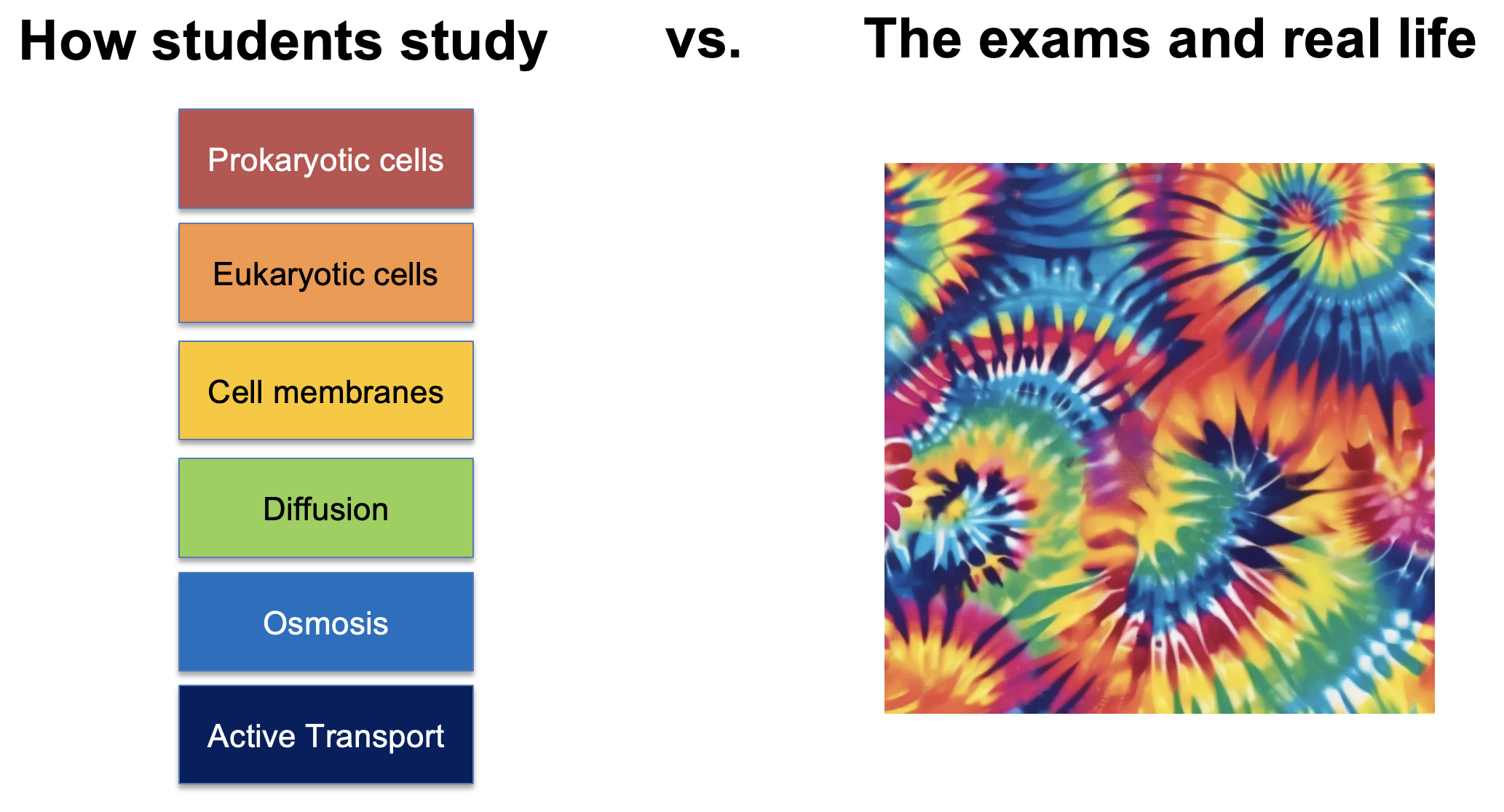
Interleaving: Mixing It Up for Deeper Understanding
Interleaving involves mixing up different subjects or topics during your study sessions. This technique challenges your brain to differentiate between concepts and strengthens your ability to apply knowledge in different contexts.
The Feynman Technique: Simplifying Complex Concepts
The Feynman Technique is a powerful method for understanding and explaining complex concepts in a simple and clear way.
1. Choose a concept you want to understand.
2. Explain it in simple terms as if you were teaching it to someone else.
3. Identify any gaps in your understanding and go back to the source material to fill them.
4. Simplify your explanation until it’s clear and concise.
Internal Link Suggestion: For more tips on effective study habits, check out our article on “Optimizing Your Study Environment for Maximum Focus.”
Cultivating a Growth Mindset: Embracing Challenges and Learning from Mistakes
A growth mindset is the belief that your abilities and intelligence can be developed through dedication and hard work. It’s a powerful tool that can transform your learning experience and help you achieve your full potential.
Understanding the Difference: Fixed vs. Growth Mindset
* Fixed Mindset: Believing that your abilities are fixed and unchangeable. Individuals with a fixed mindset tend to avoid challenges, fear failure, and give up easily.
Shifting Your Perspective: Practical Tips for Cultivating a Growth Mindset
* Embrace Challenges: View challenges as opportunities to learn and grow. Don’t be afraid to step outside your comfort zone and try new things.
Quote: “The only way to do great work is to love what you do.” – Steve Jobs. This quote underscores the importance of finding joy in the learning process.
Making Learning a Habit: Integrating It Into Your Daily Life
Learning doesn’t have to be confined to classrooms or textbooks. It can be integrated into your daily life in fun and engaging ways.
Reading Widely: Expanding Your Knowledge Base
Reading is a fantastic way to expand your knowledge base, improve your vocabulary, and develop critical thinking skills.
Exploring Online Courses and Resources: Learning at Your Own Pace
The internet offers a wealth of online courses, tutorials, and resources that can help you learn new skills and explore your interests.
Engaging in Hobbies and Interests: Learning Through Play
Hobbies and interests provide a fun and engaging way to learn new skills and explore your passions.
External Link Suggestion: Explore the vast resources available at Khan Academy for free educational content.
Overcoming Learning Challenges: Strategies for Success
Learning isn’t always easy. We all face challenges along the way. Here are some strategies for overcoming common obstacles:
Dealing with Procrastination: Breaking Down Tasks
Procrastination can be a major obstacle to learning. Breaking down tasks into smaller, more manageable steps can help you overcome this challenge.
Managing Distractions: Creating a Focused Environment
Distractions can derail your learning efforts. Creating a focused environment can help you stay on track.
Seeking Support: Connecting with Others
Don’t be afraid to ask for help when you’re struggling. Connecting with others can provide valuable support and encouragement.
Key Takeaway: Overcoming learning challenges requires proactive strategies, a focused environment, and a willingness to seek support.
Nurturing Your Mind: The Importance of Self-Care
Taking care of your physical and mental well-being is essential for effective learning.
Getting Enough Sleep: Recharging Your Brain
Sleep is crucial for memory consolidation and cognitive function. Aim for 7-8 hours of sleep each night.
Eating a Healthy Diet: Fueling Your Body and Mind
A healthy diet provides the nutrients your brain needs to function optimally.
Practicing Mindfulness: Reducing Stress and Enhancing Focus
Mindfulness involves paying attention to the present moment without judgment. It can help you reduce stress, enhance focus, and improve your overall well-being.
Internal Link Suggestion: Read our article on “Mindfulness Techniques for Enhanced Learning and Focus” for practical tips.
Staying Motivated: Setting Goals and Celebrating Successes
Motivation is key to lifelong learning. Setting goals and celebrating successes can help you stay on track and maintain your enthusiasm.
Setting SMART Goals: Defining Your Objectives
SMART goals are specific, measurable, achievable, relevant, and time-bound. Setting SMART goals can help you stay focused and motivated.
Tracking Your Progress: Monitoring Your Success
Tracking your progress can help you stay motivated and see how far you’ve come.
Rewarding Yourself: Reinforcing Positive Behavior
Rewarding yourself for achieving your goals can reinforce positive behavior and keep you motivated.
Quote: “Develop a passion for learning. If you do, you will never cease to grow.” – Anthony J. D’Angelo. This quote emphasizes the importance of cultivating a love for learning.
Conclusion: Embracing a Lifetime of Growth and Discovery
Lifelong learning is a journey of continuous growth, discovery, and self-improvement. By embracing effective learning strategies, cultivating a growth mindset, integrating learning into your daily life, and nurturing your mind, you can unlock your full potential and live a more fulfilling life. Remember to set goals, track your progress, celebrate your successes, and never stop exploring the world around you. Your learning journey is unique, and the possibilities are endless. Embrace the joy of learning and embark on a lifetime of growth and discovery!
Call to Action: Start your learning journey today! Sign up for our newsletter to receive exclusive tips, resources, and inspiration for lifelong learning.


0 Comments