
Blooming Minds: Engaging Homeschool Nature Study Ideas for Spring
Spring is a season of renewal, growth, and vibrant life, making it the perfect time to immerse your homeschool students in the wonders of nature. Ditch the textbooks for a while and embrace the great outdoors with these engaging and educational nature study ideas. This article will provide you with a wealth of activities, projects, and resources to help you create a memorable and enriching learning experience for your children this spring. From observing budding plants to identifying chirping birds, we’ll cover a variety of topics to spark curiosity and foster a deep appreciation for the natural world.
Unveiling Spring: Setting the Stage for Nature Exploration
Before diving into specific activities, it’s crucial to lay the groundwork for a successful nature study. This involves preparing your students’ minds and equipping them with the tools they need to observe, document, and appreciate the natural world around them.
- Nature Journals: Encourage your children to keep a nature journal where they can record their observations, sketches, and reflections. A simple notebook will do, or you can create a more elaborate journal with prompts and activities. Consider including sections for drawing, writing, and collecting small specimens like leaves or feathers.
- Essential Tools: Equip your students with basic tools like magnifying glasses, binoculars, field guides, and collection containers. These tools will enhance their ability to observe and identify different species. A small backpack can also be helpful for carrying these tools and any specimens they collect.
- Safety First: Before heading outdoors, discuss safety precautions with your children. Remind them to stay on marked trails, avoid touching unknown plants or animals, and be aware of their surroundings. Teach them about potential hazards like poison ivy, ticks, and stinging insects.
- Setting the Tone: Create a sense of excitement and wonder about the natural world. Share your own enthusiasm for nature and encourage your children to ask questions and explore their surroundings with curiosity.
- Bud Anatomy: Use a magnifying glass to examine buds closely. Identify the different parts, such as the scales, leaf scars, and terminal buds. Explain how the scales protect the developing leaves and flowers inside.
- Bud Identification: Collect samples of different types of buds and use a field guide to identify the trees they came from. Discuss the characteristics of each type of bud, such as its shape, size, and color.
- Bud Development: Observe the development of buds over time. Take photos or draw pictures of the same bud each week to document its progress. Discuss the factors that influence bud development, such as temperature and sunlight.
- Activity: Create a bud identification key using simple characteristics like shape, color, and texture. Have your students use the key to identify different types of buds in your backyard or local park.
- Wildflower Identification: Use a field guide to identify different types of wildflowers in your area. Discuss their characteristics, such as their color, shape, and size. Pay attention to the habitat where each wildflower grows.
- Wildflower Anatomy: Dissect a wildflower and identify its different parts, such as the petals, sepals, stamens, and pistil. Explain the function of each part in the process of pollination.
- Pollination: Discuss the different ways that wildflowers are pollinated, such as by insects, birds, or wind. Observe pollinators visiting wildflowers and identify the types of pollinators that are most common in your area.
- Activity: Create a wildflower press to preserve your favorite wildflowers. Place the wildflowers between sheets of newspaper and press them under heavy books for several weeks. Use the pressed wildflowers to create artwork or greeting cards.
- Planning the Garden: Research which plants are best suited for your climate and growing conditions. Choose a variety of plants that will provide color, texture, and interest throughout the spring season.
- Preparing the Soil: Prepare the soil by adding compost or other organic matter. Discuss the importance of healthy soil for plant growth.
- Planting the Seeds or Seedlings: Plant the seeds or seedlings according to the instructions on the seed packet or plant label. Discuss the importance of spacing and depth.
- Caring for the Garden: Water the plants regularly and weed the garden as needed. Discuss the importance of sunlight and nutrients for plant growth.
- Activity: Keep a garden journal to track the growth and development of your plants. Record the date of planting, the date of first bloom, and any other observations you make.
- Binoculars: Teach your students how to use binoculars properly. Explain how to focus the binoculars and how to scan the landscape for birds.
- Field Guides: Use a field guide to identify different types of birds in your area. Discuss their characteristics, such as their size, shape, color, and song.
- Bird Behavior: Observe the behavior of birds in their natural habitat. Pay attention to how they feed, interact with each other, and build their nests.
- Activity: Create a bird feeder and place it in your backyard or near a window. Observe the different types of birds that visit the feeder and identify them using a field guide.
- Nest Identification: Look for bird nests in trees, shrubs, and other locations. Identify the type of bird that built the nest and the materials that were used.
- Nest Construction: Observe birds building their nests. Pay attention to how they gather materials and construct the nest.
- Egg Laying and Incubation: Observe birds laying their eggs and incubating them. Discuss the importance of incubation for the development of the chicks.
- Raising Young: Observe birds feeding and caring for their young. Discuss the challenges of raising young birds and the adaptations that birds have developed to overcome these challenges.
- Activity: Build a birdhouse and place it in your backyard. Observe the birds that use the birdhouse and identify them using a field guide.
- Migration Routes: Research the migration routes of different types of birds. Discuss the reasons why birds migrate and the challenges they face during their journeys.
- Navigation: Discuss the different ways that birds navigate during migration, such as by using the sun, stars, or magnetic fields.
- Conservation: Discuss the importance of protecting bird habitats and reducing the threats that birds face during migration, such as habitat loss, pollution, and climate change.
- Activity: Participate in a citizen science project to track bird migration. Report your bird sightings to a database like eBird to help scientists monitor bird populations and migration patterns.
- Insect Anatomy: Discuss the basic anatomy of insects, including their three body segments (head, thorax, and abdomen), six legs, and antennae.
- Insect Classification: Learn about the different orders of insects, such as beetles, butterflies, and bees. Discuss the characteristics of each order and the types of insects that belong to it.
- Insect Habitats: Observe insects in their natural habitats. Pay attention to where they live, what they eat, and how they interact with their environment.
- Activity: Create an insect collection. Collect dead insects and mount them on pins. Identify the insects using a field guide and label them with their scientific names.
- Bees: Observe bees visiting flowers and collecting pollen and nectar. Discuss the importance of bees for pollinating crops and other plants.
- Butterflies: Observe butterflies fluttering around flowers and sipping nectar. Discuss the life cycle of butterflies and their role in the ecosystem.
- Other Pollinators: Learn about other types of pollinators, such as moths, flies, and beetles. Discuss their importance for pollinating different types of plants.
- Activity: Plant a pollinator garden to attract bees, butterflies, and other pollinators to your backyard. Choose plants that provide nectar and pollen throughout the growing season.
- Butterflies: Observe the life cycle of butterflies, from egg to caterpillar to chrysalis to butterfly. Discuss the process of metamorphosis and the adaptations that butterflies have developed to survive in different environments.
- Beetles: Observe the life cycle of beetles, from egg to larva to pupa to adult. Discuss the different types of beetle larvae and their feeding habits.
- Other Insects: Learn about the life cycles of other insects, such as grasshoppers, ants, and dragonflies. Discuss the adaptations that these insects have developed to survive in different environments.
- Activity: Raise butterflies or other insects in your classroom or at home. Observe their life cycles and document their development.
- Frog Calls: Learn to identify different frog and toad calls. Record the calls and try to match them to the species.
- Egg Masses: Observe frog and toad egg masses in the water. Discuss the development of the eggs and the emergence of tadpoles.
- Tadpole Development: Observe tadpoles as they grow and develop. Discuss the process of metamorphosis and the changes that tadpoles undergo as they transform into frogs or toads.
- Activity: Create a frog pond in your backyard. Provide a shallow pool of water and plenty of vegetation for frogs and toads to live in.
- Snake Identification: Learn to identify different types of snakes in your area. Discuss their characteristics, such as their size, shape, color, and markings.
- Turtle Identification: Learn to identify different types of turtles in your area. Discuss their characteristics, such as their shell shape, size, and color.
- Habitat: Observe snakes and turtles in their natural habitats. Pay attention to where they live, what they eat, and how they interact with their environment.
- Activity: Visit a local nature center or reptile sanctuary to learn more about snakes and turtles.
- Nature Journaling: Encourage your students to write about their experiences in nature. They can write poems, stories, or essays about the things they have seen, heard, and felt.
- Nature Art: Use natural materials to create art projects. You can use leaves, flowers, twigs, and stones to make collages, sculptures, or paintings.
- Nature Photography: Take photos of nature scenes and share them with others. You can create a nature photo album or display your photos in your home.
- Activity: Create a nature-themed play or skit. Have your students act out the roles of different animals or plants and tell a story about nature.
- Link to: An article on how to create and use nature journals effectively.
- Anchor Text: Birdwatching Basics
- Link to: A guide on beginner birdwatching tips and equipment.
- Anchor Text: Pollinator Garden
- Link to: An article on how to create a thriving pollinator garden in your backyard.
- Link to: eBird – A real-time, online database of bird observations. (Attribute: rel=”noopener nofollow”)
- Topic: Wildflower Identification
- Link to: Lady Bird Johnson Wildflower Center – A resource for native plant information and identification. (Attribute: rel=”noopener nofollow”)
- Topic: Insect Identification
- Link to: BugGuide.Net – An online community dedicated to insect identification. (Attribute: rel=”noopener nofollow”)

Budding Botanists: Exploring Spring Plant Life
Spring is a time of explosive plant growth, offering countless opportunities for nature study. From observing the emergence of new leaves to identifying wildflowers, there’s always something new to discover in the plant world.

Observing Budding Trees
One of the first signs of spring is the emergence of buds on trees. Take your students on a walk to observe different types of buds and learn about their structure and function.
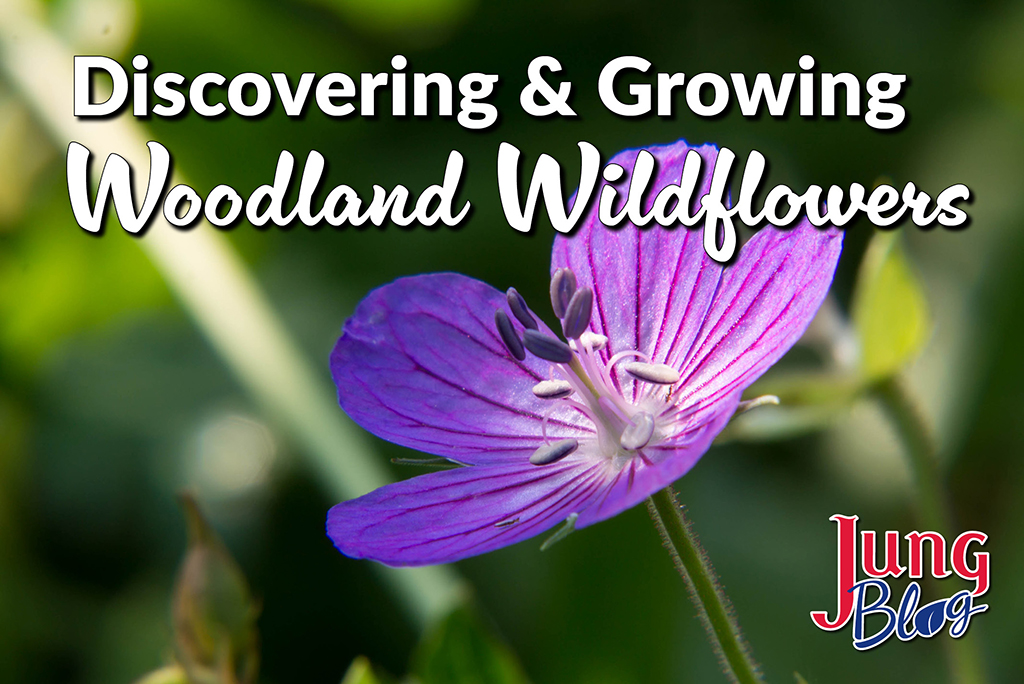
Discovering Wildflowers
Spring wildflowers are a beautiful and ephemeral part of the natural world. Take your students on a wildflower hunt to identify and appreciate these delicate blooms.
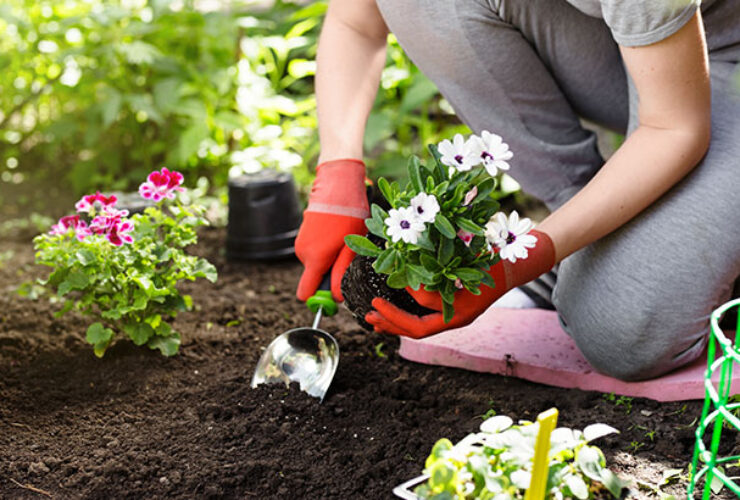
Planting a Spring Garden
Gardening is a wonderful way to connect with nature and learn about plant life. Involve your students in planting a spring garden and caring for the plants as they grow.
Feathered Friends: Exploring Spring Birdlife
Spring is a time of great activity in the bird world. Birds are migrating, nesting, and raising their young, providing ample opportunities for nature study.
Birdwatching Basics
Birdwatching is a fun and rewarding activity that can be enjoyed by people of all ages. Teach your students the basics of bird identification and observation.
Nesting Season
Spring is the nesting season for many birds. Observe birds building their nests and caring for their young.
Bird Migration
Spring is a time of great migration for many birds. Learn about the different types of bird migration and the challenges that birds face during their journeys.
Creepy Crawlies: Exploring Spring Insects
Insects are an essential part of the ecosystem, and spring is a time of great insect activity. From buzzing bees to fluttering butterflies, there’s always something interesting to observe in the insect world.
Insect Identification
Learn about the different types of insects that are common in your area and how to identify them.
Pollinators
Many insects are important pollinators of plants. Learn about the different types of pollinators and their role in the ecosystem.
Insect Life Cycles
Learn about the different stages of insect life cycles, such as egg, larva, pupa, and adult.
Amphibians and Reptiles: Springtime Discoveries
As the weather warms, amphibians and reptiles become more active, offering exciting opportunities for observation and learning.
Frog and Toad Observations
Spring is breeding season for many frogs and toads. Visit a local pond or wetland to observe their behavior.
Snake and Turtle Sightings
Snakes and turtles are also more active in the spring. Look for them basking in the sun or foraging for food.
Creative Expression: Nature-Inspired Art and Writing
Encourage your students to express their appreciation for nature through art and writing.
Conclusion: Nurturing a Lifelong Love of Nature
Spring is a magical time of year, offering endless opportunities for nature study. By engaging your homeschool students in these activities, you can help them develop a deep appreciation for the natural world and a lifelong love of learning. Remember to be flexible, adapt the activities to your students’ interests and abilities, and most importantly, have fun! By fostering curiosity and wonder, you can inspire your children to become lifelong learners and stewards of the environment.
Key Takeaway: Spring nature study is an excellent way to make learning fun and engaging while fostering a deep connection with the natural world.
Call to Action: Start planning your spring nature studies today! Gather your supplies, choose your activities, and get ready to explore the wonders of the season.
Internal Linking Suggestions:
* Anchor Text: Nature Journals
External Linking Suggestions:
* Topic: Bird Migration Tracking


0 Comments