
Unleash Creativity: Teaching the Alphabet Through Art
Learning the alphabet is a foundational step in a child’s education, but it doesn’t have to be a rote and repetitive process. By integrating art into alphabet instruction, educators and parents can transform learning into a vibrant, engaging, and memorable experience. Teaching the alphabet through art not only makes learning fun but also fosters creativity, fine motor skills, and a deeper connection to the letters themselves. This article explores the myriad benefits of this approach and provides practical, actionable strategies for bringing art into your alphabet lessons.
Why Combine Art and Alphabet Learning?
Combining art and alphabet learning offers a multitude of benefits that extend far beyond simple memorization. It’s a holistic approach that nurtures various aspects of a child’s development.

Enhanced Memory and Retention
Art engages multiple senses and creates memorable experiences. When children associate a letter with a visual image or a tactile creation, they are more likely to remember it. Visual memory is powerful, and art leverages this to enhance letter recognition and recall. Instead of simply reciting the alphabet, children create a personal connection with each letter, solidifying their understanding.
Development of Fine Motor Skills
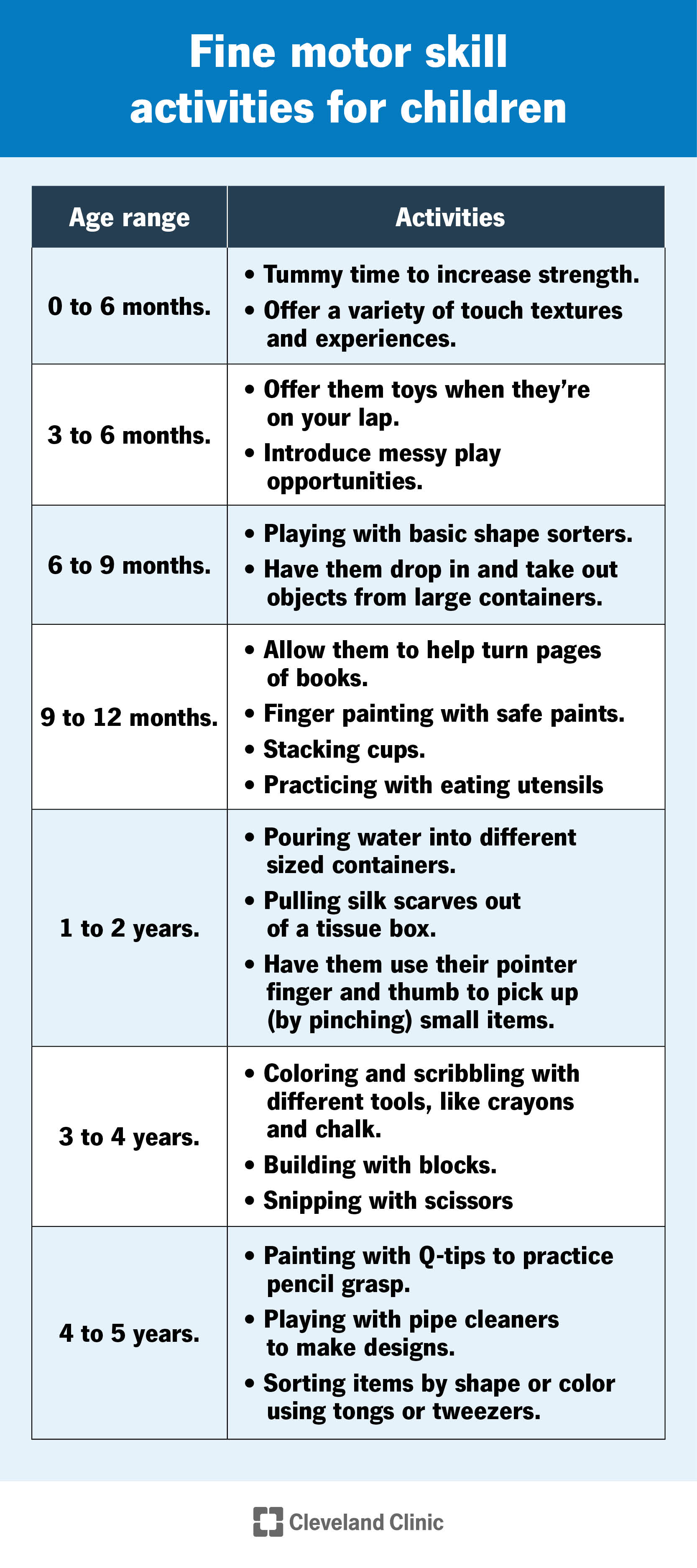
Many art activities, such as painting, drawing, cutting, and sculpting, require precise hand movements. These activities help develop and refine fine motor skills, which are crucial for writing. As children manipulate art materials, they strengthen the muscles in their hands and fingers, preparing them for the physical act of writing letters.
Fostering Creativity and Imagination
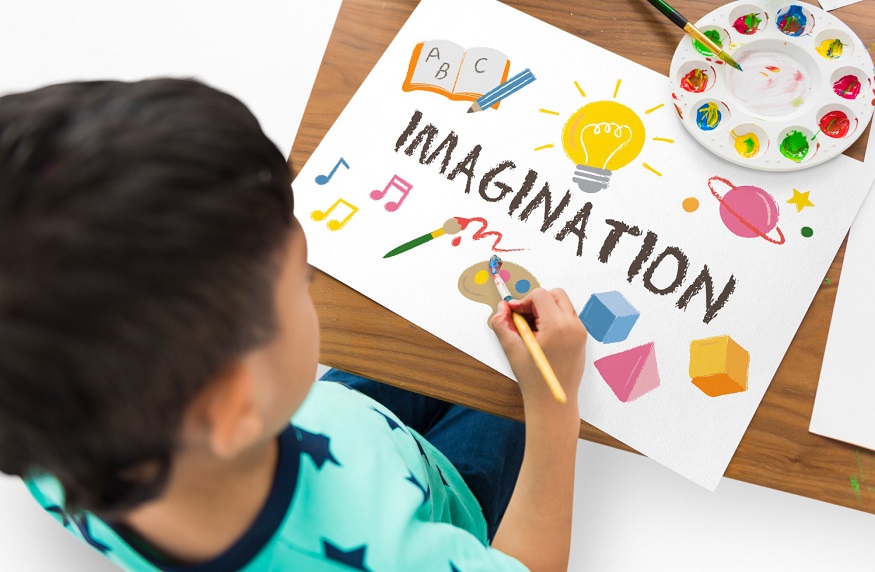
Art encourages children to think outside the box and explore their creativity. When learning the alphabet through art, children are not just passively receiving information; they are actively creating and expressing themselves. This fosters imagination and innovative thinking, skills that are valuable in all areas of life. By allowing children to express their understanding of letters through art, you encourage them to think critically and creatively.
Multi-Sensory Learning Experience
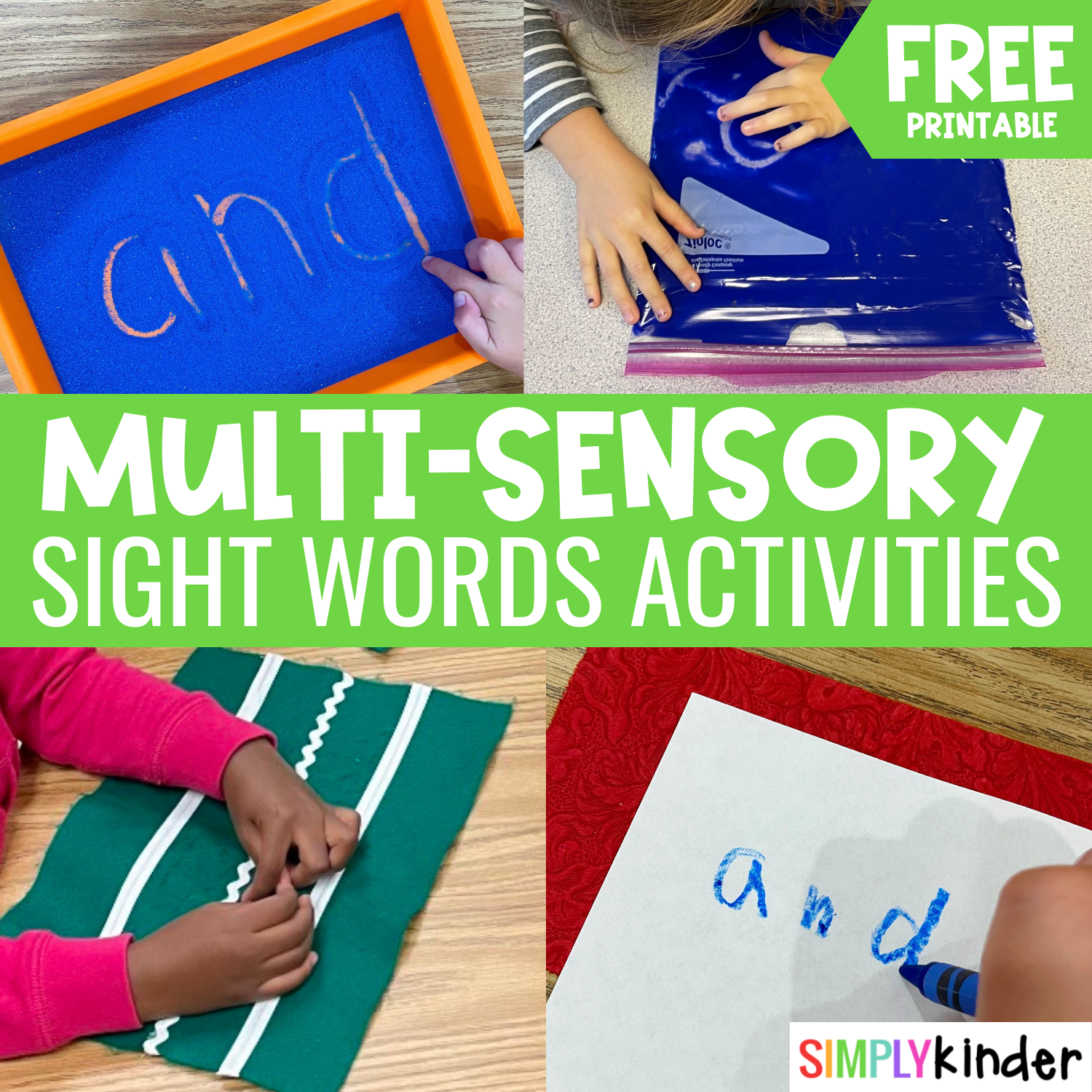
Art naturally provides a multi-sensory learning experience. Children engage with different textures, colors, and shapes, appealing to their visual, tactile, and kinesthetic senses. This multi-sensory approach is particularly beneficial for children with different learning styles, as it caters to their individual needs and preferences.
Increased Engagement and Motivation
Let’s face it: traditional alphabet lessons can sometimes be monotonous. Art injects fun and excitement into the learning process, making it more engaging and motivating for children. When children are enjoying themselves, they are more likely to participate actively and retain what they learn.
Creative Activities to Teach the Alphabet
Ready to dive in? Here are some creative and engaging activities that seamlessly blend art and alphabet learning:
Letter Painting
Painting is a classic art activity that can be easily adapted for alphabet instruction. Provide children with paint, brushes, and paper, and encourage them to paint the letters of the alphabet.
- Finger Painting: Let children use their fingers to paint letters, enhancing the tactile experience.
- Q-Tip Painting: Using Q-tips as paintbrushes can help children develop fine motor control.
- Watercolor Resist: Write letters on paper with a crayon, then let children paint over them with watercolors to reveal the hidden letters.
- Texture Collages: Focus on different textures for each letter, such as using sandpaper for “S” or cotton balls for “C.”
- Themed Collages: Create collages based on words that start with each letter, such as using images of apples for “A” or bananas for “B.”
- Nature Collages: Collect natural materials like leaves, twigs, and flowers to create alphabet collages.
- Playdough Letters: Provide playdough and let children mold letters using their hands or playdough tools.
- Clay Sculptures: Use air-dry clay to create more permanent letter sculptures that can be painted once dry.
- Recycled Material Sculptures: Use recycled materials like cardboard tubes, plastic bottles, and aluminum foil to create unique letter sculptures.
- Letter Puppets: Create puppets in the shape of each letter using felt, paper, or fabric.
- Alphabet Books: Have children create their own alphabet books by drawing or painting pictures that correspond to each letter.
- Letter Masks: Make masks in the shape of each letter for children to wear and act out words.
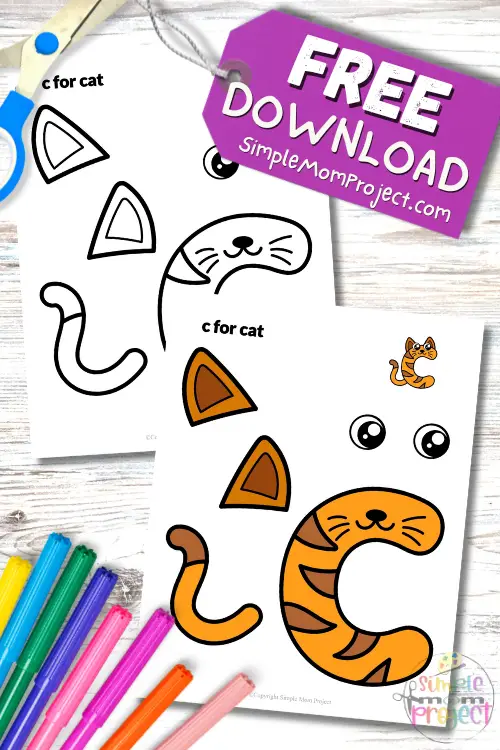
- Letter-Based Drawings: Start with a letter and then add lines and shapes to transform it into a picture. For example, turn the letter “B” into a butterfly or the letter “C” into a cat.
- Doodle Pages: Provide children with pages filled with letters and encourage them to doodle around them, adding colors, patterns, and shapes.
- Collaborative Murals: Create large murals with letters and have children work together to fill them with drawings and doodles.
- Sidewalk Chalk Letters: Let children draw large letters on the sidewalk and decorate them with colorful chalk.
- Chalkboard Practice: Use a chalkboard to practice writing letters and drawing pictures that start with each letter.
- Chalk Art Games: Play games like “Alphabet Hopscotch” or “Letter Pictionary” using chalk.
- Make it fun: The primary goal is to make learning enjoyable. Choose activities that children will find engaging and exciting.
- Provide a variety of materials: Offer a wide range of art materials to cater to different interests and learning styles.
- Encourage experimentation: Allow children to experiment with different techniques and materials without fear of making mistakes.
- Focus on the process, not the product: The goal is not to create perfect artwork, but to engage with the letters in a meaningful way.
- Celebrate creativity: Display children’s artwork and celebrate their creativity to boost their confidence and motivation.
- Books: “Alphabet Art: With A-Z Animal Art Projects” by Lois Walker, “The Handmade Alphabet” by Laura Rankin.
- Websites: Education.com, Pinterest (for art activity ideas), Teachers Pay Teachers (for printable resources).
- Online Courses: Platforms like Udemy and Coursera offer courses on incorporating art into early childhood education.
- Learning Styles: Link to a post discussing different learning styles with the anchor text “learning styles.”
- Creative Activities: Link to a page showcasing various creative activities for kids using the anchor text “creative activities.”
- Pinterest: Link to a Pinterest board with alphabet art ideas using the anchor text “alphabet art ideas” and the attribute rel=”noopener nofollow”.
- Teachers Pay Teachers: Link to a resource on Teachers Pay Teachers that offers printable alphabet art activities using the anchor text “printable alphabet activities” and the attribute rel=”noopener nofollow”.
Alphabet Collages
Collages are a fantastic way to incorporate various materials and textures into alphabet learning. Provide children with a variety of materials, such as construction paper, fabric scraps, buttons, and yarn, and let them create collages of each letter.
Letter Sculptures
Sculpting with playdough, clay, or other moldable materials is a fun and tactile way to learn the alphabet. Encourage children to sculpt each letter, focusing on its shape and form.
Alphabet Crafts
Craft projects offer endless possibilities for combining art and alphabet learning. Here are a few ideas to get you started:
Drawing and Doodling
Encourage children to draw and doodle around letters to create fun and engaging artwork.
Chalk Art
Using chalk on sidewalks or chalkboards is a fun and engaging way to practice writing and drawing letters.
Integrating Art into Daily Alphabet Lessons
Incorporating art into alphabet lessons doesn’t have to be a separate activity. Here are some ways to seamlessly integrate art into your daily routine:
Alphabet Centers
Create alphabet centers in your classroom or home where children can engage in various art-based activities. These centers can include painting stations, collage stations, and sculpting stations, providing children with a variety of options for exploring the alphabet through art.
Story Time Art
After reading alphabet books or stories that feature letters, have children create artwork inspired by the stories. This can include drawing pictures of characters, painting scenes from the book, or creating collages that represent the story’s themes.
Letter of the Day Activities
Each day, focus on a different letter and incorporate art activities that relate to that letter. For example, on “A” day, you could have children paint apples or create alphabet collages using apple-themed materials.
Alphabet Journals
Encourage children to keep alphabet journals where they can write letters, draw pictures, and create collages related to each letter. These journals can serve as a visual record of their learning progress and a creative outlet for expressing their understanding of the alphabet.
Tips for Success
To make the most of teaching the alphabet through art, keep these tips in mind:
Addressing Common Challenges
While teaching the alphabet through art is highly effective, you may encounter some challenges along the way. Here are some tips for addressing them:
Lack of Resources
If you have limited access to art supplies, get creative with recycled materials. Cardboard boxes, plastic bottles, and fabric scraps can all be used to create engaging art projects.
Time Constraints
Even short bursts of art activity can be beneficial. Incorporate quick drawing or painting exercises into your daily alphabet lessons.
Resistance from Children
If children are hesitant to engage in art activities, start with simple projects that are easy to complete. Gradually introduce more complex activities as their confidence grows.
Recommended Resources
To further enhance your approach to teaching the alphabet through art, consider these resources:
Internal Linking Suggestions:
* Fine Motor Skills: Link to another article on your site about “Developing Fine Motor Skills in Early Childhood” using the anchor text “fine motor skills.”
External Linking Suggestions:
* Education.com: Link to a relevant article on Education.com about alphabet learning using the anchor text “alphabet learning resources” and the attribute rel=”noopener nofollow”.
Conclusion: A Colorful Path to Literacy
Teaching the alphabet through art is a powerful and effective way to engage children, foster creativity, and enhance learning. By incorporating art activities into your alphabet lessons, you can transform learning into a fun, memorable, and multi-sensory experience. Embrace the power of art and watch as children discover the joy of learning the alphabet in a creative and meaningful way. So, grab your paintbrushes, crayons, and playdough, and embark on a colorful journey to literacy!


0 Comments