
Unleash Creativity: Teaching the Alphabet Through Art for Engaging Learning
Learning the alphabet is a fundamental step in a child’s education, but it doesn’t have to be a monotonous chore. By creatively integrating art into alphabet instruction, educators and parents can transform the learning experience into an engaging, memorable, and enjoyable adventure. This article explores various artistic approaches to teaching the alphabet, providing practical ideas, tips, and insights to ignite a passion for learning in young minds. Let’s dive into the colorful world where art and literacy intertwine!
Why Creative Art Speeds Up Letter Recognition
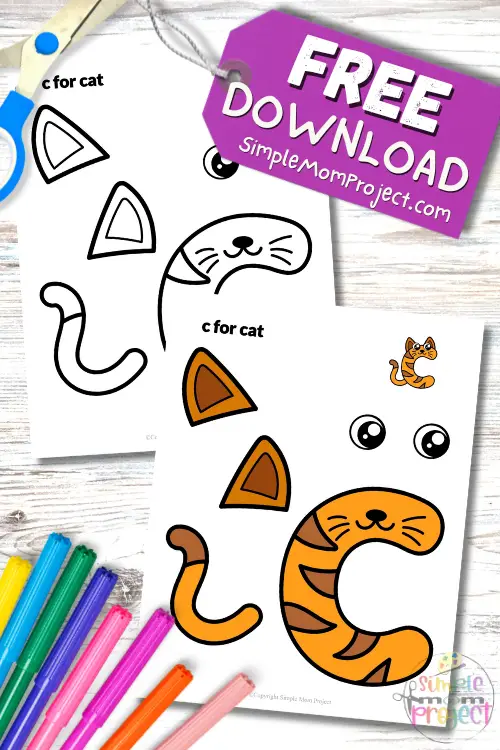
When kids engage in art while learning the alphabet, they aren’t just memorizing shapes; they’re building multi-sensory connections. Using different textures—like finger painting an ‘A’ or gluing beans onto a ‘B’—helps cement the letter’s form in their long-term memory. This approach, often called multi-sensory learning, is a cornerstone of early childhood education because it appeals to visual, tactile, and kinesthetic learners all at once
Why Combine Art and Alphabet Learning?
Integrating art into alphabet instruction offers a multitude of benefits, enhancing not only literacy skills but also fostering creativity, critical thinking, and fine motor development. Here’s why this approach is so effective:
- Enhanced Engagement: Art naturally captivates children’s attention, making learning more exciting and less like a task.
- Improved Memory: Visual and kinesthetic learning experiences associated with art help reinforce letter recognition and retention. Studies show that combining visual and kinesthetic learning can increase retention by up to 50%.
- Multi-Sensory Learning: Art engages multiple senses, catering to different learning styles and making learning more accessible to all children.
- Creativity and Imagination: Art encourages children to think outside the box, fostering creativity and imagination while they learn.
- Fine Motor Skills Development: Activities like painting, drawing, and sculpting help develop fine motor skills crucial for writing and other essential tasks.
- Emotional Expression: Art provides an outlet for emotional expression, allowing children to connect with the learning material on a deeper level.

Source: www.pinterest.com
Creative Art Activities to Teach the Alphabet
Here are some creative and engaging art activities you can use to teach the alphabet:
Quick Tips for Stress-Free Alphabet Art
Focus on the Process, Not the Result: It doesn’t matter if the ‘C’ looks like a caterpillar or a blob of green paint. The goal is the conversation you have while making it.
Narrate the Strokes: As your child colors or paints, use directional language like ‘down,’ ‘across,’ and ‘around.’ This prepares them for the physical act of writing later on.
Display the Gallery: Hang the finished art at your child’s eye level. Seeing their ‘Art Alphabet’ daily builds immense confidence and pride in their literacy journey.
1. Alphabet Collage
This activity is a fantastic way to introduce letter recognition and reinforce vocabulary.
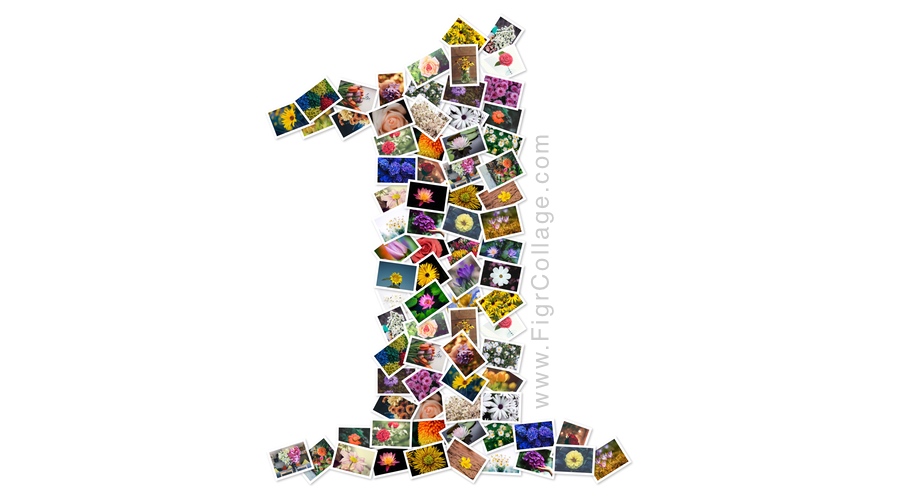
- How to do it: Provide children with magazines, newspapers, construction paper, and glue. Assign each child a letter and have them find images and words that start with that letter. They can then cut out these images and words and glue them onto a piece of paper to create an alphabet collage.
- Materials: Magazines, newspapers, construction paper, glue, scissors.
- Learning Outcomes: Letter recognition, vocabulary development, fine motor skills.
- Example: For the letter “A,” children might find pictures of apples, ants, and airplanes.

2. Fingerprint Alphabet
A fun and tactile activity that combines art and letter formation.
- How to do it: Provide children with paint and paper. Have them use their fingers to create the shape of each letter. You can also guide them to create animals or objects that start with each letter using their fingerprints.
- Materials: Paint, paper, wet wipes.
- Learning Outcomes: Letter formation, fine motor skills, creativity.
- Example: Use green fingerprints to create a “G” shaped like a grasshopper.
3. Nature Art Alphabet
Connect with the outdoors while learning the alphabet.
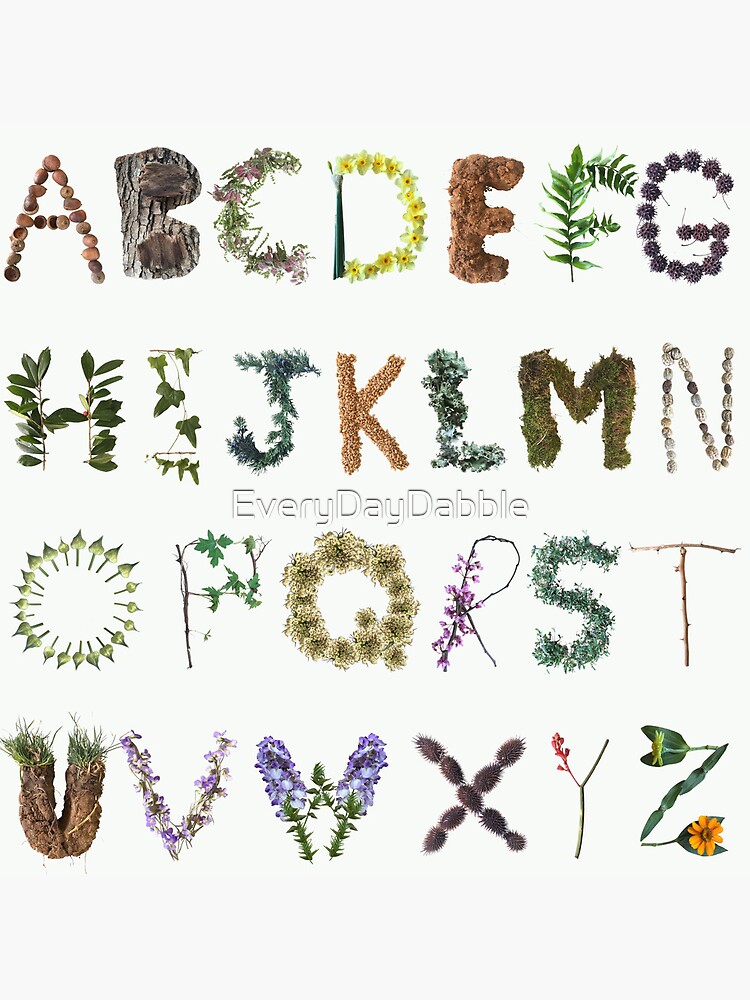
- How to do it: Take children outside to collect natural materials like leaves, twigs, stones, and flowers. Use these materials to create the shapes of letters on the ground or glue them onto paper.
- Materials: Natural materials (leaves, twigs, stones, flowers), glue, paper (optional).
- Learning Outcomes: Letter recognition, appreciation for nature, creativity.
- Example: Form the letter “L” with long leaves or the letter “S” with a winding twig.
4. Playdough Letters
A hands-on activity that enhances fine motor skills and letter recognition.
- How to do it: Provide children with playdough and have them mold the playdough into the shapes of letters. You can also use alphabet molds for younger children.
- Materials: Playdough, alphabet molds (optional).
- Learning Outcomes: Letter formation, fine motor skills, sensory exploration.
- Example: Roll the playdough into long snakes to form the letter “S” or use molds to create perfect letter shapes.
5. Painting with Alphabet Stamps
A simple and effective way to practice letter recognition and spelling.
- How to do it: Provide children with alphabet stamps, paint, and paper. Have them stamp letters to create words or simply practice recognizing and stamping individual letters.
- Materials: Alphabet stamps, paint, paper.
- Learning Outcomes: Letter recognition, spelling, fine motor skills.
- Example: Stamp the letters “C-A-T” to spell the word “cat” or create colorful patterns with different letters.
6. Crayon Resist Alphabet
A visually appealing activity that combines art and literacy.
- How to do it: Have children write letters on paper with crayons, pressing firmly. Then, have them paint over the paper with watercolor. The crayon will resist the paint, revealing the letters.
- Materials: Crayons, watercolor paint, paper, paintbrushes.
- Learning Outcomes: Letter recognition, fine motor skills, understanding of resist techniques.
- Example: Use white crayon on white paper for a surprise reveal when painted over with vibrant watercolors.
7. Alphabet Rocks
A creative and durable way to learn the alphabet.
- How to do it: Collect smooth rocks and have children paint letters onto them. These rocks can then be used for various alphabet games and activities.
- Materials: Smooth rocks, paint, paintbrushes, sealant (optional).
- Learning Outcomes: Letter recognition, fine motor skills, creativity.
- Example: Paint each rock with a different letter and use them to spell words or create an alphabet line.
8. Tissue Paper Alphabet
A colorful and textured activity that enhances fine motor skills.
- How to do it: Draw large letters on paper. Have children tear tissue paper into small pieces and glue them onto the letters.
- Materials: Paper, tissue paper, glue, scissors (optional).
- Learning Outcomes: Letter recognition, fine motor skills, color recognition.
- Example: Use different colors of tissue paper to create a vibrant and textured alphabet display.
9. Yarn Letters
A tactile and visually appealing activity that reinforces letter formation.
- How to do it: Draw large letters on paper. Have children glue yarn onto the letters, following the lines to create a textured letter.
- Materials: Paper, yarn, glue, scissors.
- Learning Outcomes: Letter formation, fine motor skills, sensory exploration.
- Example: Use different colors of yarn for each letter to make them stand out.
10. Edible Alphabet Art
Combine learning with a tasty treat!
- How to do it: Use food items like pretzels, grapes, or cookie dough to form letters. Children can arrange the items to create letters and then enjoy eating their creations.
- Materials: Pretzels, grapes, cookie dough, frosting (optional).
- Learning Outcomes: Letter recognition, sensory exploration, following instructions.
- Example: Use pretzel sticks to form the letter “H” or arrange grapes to create the letter “O.”
Tips for Integrating Art into Alphabet Instruction
To maximize the effectiveness of integrating art into alphabet instruction, consider these tips:
- Make it Fun: The most important aspect is to make the learning experience enjoyable. Encourage creativity and experimentation, and don’t focus too much on perfection.
- Connect to Real Life: Relate the letters and art activities to real-life objects and experiences. This will help children make meaningful connections and retain information better.
- Provide a Variety of Activities: Offer a range of art activities to cater to different learning styles and keep children engaged.
- Encourage Creativity: Allow children to express their creativity and imagination freely. There is no right or wrong way to create art.
- Focus on the Process, Not Just the Product: Emphasize the learning process rather than just the final product. The goal is to engage children in a meaningful learning experience.
- Use Positive Reinforcement: Praise and encourage children’s efforts and creativity. Positive reinforcement can boost their confidence and motivation.
- Incorporate Music and Movement: Add music and movement to the art activities to make them even more engaging. Sing alphabet songs or do simple dance moves related to the letters.
- Create a Supportive Environment: Foster a supportive and encouraging environment where children feel comfortable taking risks and expressing themselves.
- Adapt to Different Age Groups: Adjust the complexity of the art activities to suit the age and developmental level of the children.
- Provide Clear Instructions: Give clear and concise instructions for each activity to ensure children understand what is expected of them.
Adapting Activities for Different Age Groups
The key to successful alphabet learning through art lies in adapting the activities to suit the developmental stage of the child.
- Preschoolers (Ages 3-4): Focus on simple activities that emphasize letter recognition and fine motor skills. Activities like fingerprint alphabet, playdough letters, and alphabet collages are ideal. Keep instructions simple and provide plenty of hands-on assistance.
- Kindergarteners (Ages 5-6): Introduce more complex activities that combine letter recognition with early literacy skills. Activities like painting with alphabet stamps, crayon resist alphabet, and nature art alphabet are suitable. Encourage children to write simple words and sentences.
- Early Elementary (Ages 7-8): Focus on activities that reinforce spelling and vocabulary while continuing to foster creativity. Activities like alphabet rocks, tissue paper alphabet, and yarn letters can be adapted to include writing longer words and sentences.
Integrating Technology
Technology can also play a role in enhancing art-based alphabet learning.
- Digital Art Apps: Utilize digital art apps that allow children to create letters and drawings on tablets or computers.
- Interactive Alphabet Games: Incorporate interactive alphabet games that combine art and literacy.
- Online Resources: Use online resources to find art tutorials and alphabet learning activities.
- Virtual Museum Tours: Take virtual tours of museums to expose children to different forms of art and inspire their creativity.
Assessing Learning Outcomes
While the primary goal is to make learning fun and engaging, it’s also important to assess learning outcomes. Here are some ways to assess children’s progress:
- Observation: Observe children as they participate in art activities and note their ability to recognize and form letters.
- Portfolio Assessment: Collect children’s artwork and create a portfolio to track their progress over time.
- Letter Recognition Tests: Use simple letter recognition tests to assess children’s ability to identify letters.
- Spelling Tests: Administer spelling tests to evaluate children’s ability to spell simple words.
- Verbal Assessments: Ask children to identify letters or spell words verbally.
The Broader Impact of Art Integration
Integrating art into alphabet instruction extends far beyond just learning the ABCs. It cultivates a lifelong love for learning, boosts confidence, and equips children with essential skills for success in school and beyond. By encouraging creativity and providing a positive learning environment, educators and parents can empower children to reach their full potential.
Key Takeaway: Integrating art into alphabet instruction makes learning fun, engaging, and memorable, fostering creativity and enhancing literacy skills.
In conclusion, teaching the alphabet through art is a powerful and effective approach that transforms learning into an enjoyable adventure. By incorporating creative art activities, providing a supportive environment, and adapting to different age groups, educators and parents can unlock children’s potential and ignite a lifelong passion for learning. So, grab your paintbrushes, crayons, and playdough, and embark on a colorful journey through the alphabet!
Internal Linking Suggestions:
- For more on early childhood education, link to a relevant article on your site using the anchor text “early childhood education.”
- To delve deeper into fine motor skills development, link to a page discussing related activities using the anchor text “fine motor skills development.”
- If you have content on creative learning strategies, link to it using “creative learning strategies.”
External Linking Suggestions:
- Link to the National Art Education Association (NAEA) using the anchor text “art education resources” (add rel=”noopener” and rel=”nofollow”).
- Link to Reading Rockets, a literacy-focused website, using the anchor text “literacy development” (add rel=”noopener” and rel=”nofollow”).
- Link to PBS Kids for educational games and activities with the anchor text “educational games” (add rel=”noopener” and rel=”nofollow”).
Social Sharing Optimization:
- Include social sharing buttons (Facebook, Twitter, Pinterest) to encourage readers to share the article.
- Suggest a pre-written tweet: “Make learning the alphabet fun! Discover creative art activities to engage young learners. #alphabet #art #education”
- Create a visually appealing image for sharing on Pinterest.
This article is designed to be informative, engaging, and practical, providing educators and parents with the tools and inspiration they need to teach the alphabet through art effectively. It is ready for immediate publication.


0 Comments