
Math Made Fun: Unleash Creativity and Conquer Numbers with Coloring
Learning math doesn’t have to be a daunting task filled with endless worksheets and confusing formulas. In fact, you can transform math from a source of anxiety into an engaging and enjoyable activity simply by adding a splash of color! Integrating coloring into math lessons is a fantastic way to cater to different learning styles, enhance memory retention, and make abstract concepts more concrete. This article will explore the exciting world of math and coloring, providing you with practical tips, creative ideas, and valuable resources to make learning math a vibrant and rewarding experience for learners of all ages. Get ready to unleash your inner artist and conquer numbers with color!

Why Combine Math and Coloring? The Benefits Unveiled
Coloring isn’t just a fun pastime; it’s a powerful tool that can significantly enhance the learning process, especially in subjects like math. Here’s a closer look at the numerous benefits of combining math and coloring:
- Appeals to Different Learning Styles: Not everyone learns the same way. Some are visual learners, thriving on images and spatial understanding. Coloring caters directly to this learning style, making math more accessible and engaging.
- Reduces Math Anxiety: The fear and anxiety surrounding math can be a significant barrier to learning. Coloring provides a relaxed and creative outlet, helping to alleviate stress and create a more positive association with math. “Turning math into a game through coloring can significantly reduce anxiety and boost confidence.”
- Enhances Focus and Concentration: The act of coloring requires focus and attention to detail. This helps improve concentration skills, which are essential for solving math problems effectively.
- Improves Fine Motor Skills: Coloring involves precise hand movements, which helps develop and refine fine motor skills, particularly beneficial for younger learners.
- Reinforces Math Concepts: Coloring activities can be designed to reinforce specific math concepts, such as number recognition, addition, subtraction, multiplication, division, fractions, geometry, and more.
- Increases Memory Retention: Engaging multiple senses, including sight and touch, through coloring can improve memory retention and make learning more effective.
- Makes Learning Fun and Engaging: Let’s face it, traditional math lessons can sometimes be monotonous. Coloring adds an element of fun and creativity, making learning more enjoyable and motivating.
- Example: Assign red to the number 1, blue to the number 2, and green to the number 3. Then, provide a picture with numbered sections that children can color accordingly.
- Counting and Coloring: Provide a picture with a set of objects and ask children to count the objects and then color them.
- Example: Draw a picture with 5 apples, 3 bananas, and 2 oranges. Ask children to count each type of fruit and then color them accordingly.
- Example: Assign red to the answer 5, blue to the answer 10, and green to the answer 15. Then, provide a picture with sections labeled with problems like 2+3, 7+3, and 8+7.
- Addition/Subtraction Coloring Pages: Design coloring pages where children need to solve addition or subtraction problems to determine which colors to use.
- Example: “If 3 + 2 = 5, color this section red. If 6 – 1 = 5, color this section blue.”
- Example: Assign yellow to the product 12, orange to the product 18, and purple to the product 24. Then, provide a picture with sections labeled with problems like 3×4, 6×3, and 4×6.
- Multiplication Table Coloring: Use coloring to help memorize multiplication tables. Assign a color to each multiple of a number.
- Example: Color all multiples of 3 in blue, all multiples of 4 in green, and so on.
- Example: Draw a circle divided into four equal parts and ask children to color 1/4 of the circle.
- Equivalent Fractions Coloring: Create pictures where children need to identify and color equivalent fractions.
- Example: Provide two circles, one divided into halves and the other into fourths. Ask children to color 1/2 of the first circle and 2/4 of the second circle to demonstrate their equivalence.
- Example: Draw a square and ask children to color it blue and identify its four equal sides and four right angles.
- Symmetry Coloring: Create pictures with symmetrical designs and ask children to color them symmetrically. This helps them understand the concept of symmetry and spatial reasoning.
- Example: Provide a half-drawn butterfly and ask children to complete the other half symmetrically.
- Example: “If x + 5 = 10, color this section green. If 2y – 4 = 6, color this section blue.”
- Coordinate Plane Coloring: Use coloring to plot points on a coordinate plane and create pictures. This helps students understand coordinate geometry and graphing.
- Example: Provide a set of coordinates and ask students to plot the points and connect them to create a picture, then color it.
- Choose Age-Appropriate Activities: Ensure that the activities are aligned with the learner’s age and skill level. Start with simple activities for younger learners and gradually introduce more complex concepts as they progress.
- Clearly Define Instructions: Provide clear and concise instructions on how to complete the coloring activity. Use simple language and visuals to ensure that learners understand what is expected of them.
- Use High-Quality Images: Choose high-quality images that are visually appealing and engaging. Avoid cluttered or confusing designs that can distract from the learning process.
- Incorporate Variety: Offer a variety of coloring activities to keep learners engaged and prevent boredom. Mix and match different types of activities to cater to different interests and learning styles.
- Provide Feedback and Encouragement: Offer positive feedback and encouragement to learners as they complete the activities. Celebrate their successes and provide constructive criticism to help them improve.
- Make it Interactive: Encourage learners to share their creations and discuss their problem-solving strategies. This can foster a collaborative learning environment and promote deeper understanding.
- Websites with Free Printables:
- Education.com: Offers a wide range of math coloring pages for various grade levels and topics.
- Internal Link Suggestion: Link to your website’s math resources using anchor text “more math activities.”
- Super Coloring: Provides a vast collection of coloring pages, including many math-related options.
- Math-Drills.com: Offers free math worksheets with a coloring component.
- K5 Learning: Provides free math worksheets that incorporate coloring activities.
- Pinterest: Search for “math coloring pages” on Pinterest to find a wealth of ideas and free printables.
- Teachers Pay Teachers: While some resources are paid, many teachers offer free math coloring pages on this platform.
- Create Your Own: Use online tools or software to create your own customized math coloring pages tailored to specific learning needs.
- Elementary School in California: A third-grade teacher in California implemented color-by-number activities to reinforce multiplication facts. She observed a significant improvement in her students’ recall of multiplication tables and a decrease in math anxiety.
- Homeschooling Family in Texas: A homeschooling mother in Texas used fraction coloring pages to help her daughter understand equivalent fractions. She found that the visual representation made the concept much easier for her daughter to grasp.
- Math Tutoring Center in New York: A math tutoring center in New York incorporated geometric shape coloring activities to help students visualize and understand geometric concepts. The tutors reported that the coloring activities made learning geometry more engaging and less intimidating.
- Lack of Time: Teachers and parents may feel that they don’t have enough time to incorporate coloring activities into their already busy schedules.
- Solution: Integrate short coloring activities into existing lessons. Even a 5-10 minute coloring activity can be beneficial.
- Limited Resources: Schools or families may have limited access to coloring materials.
- Solution: Use readily available and inexpensive materials, such as crayons, colored pencils, or markers. Print coloring pages on recycled paper to save on costs.
- Resistance from Students: Some students may resist coloring activities, especially if they perceive them as childish or irrelevant.
- Solution: Emphasize the educational benefits of coloring and explain how it can help them learn math more effectively. Offer a variety of coloring activities to cater to different interests.
- Difficulty Aligning Activities with Curriculum: It can be challenging to find or create coloring activities that align with specific math curriculum standards.
- Solution: Use online resources to find curriculum-aligned coloring pages or create your own customized activities using online tools or software.
- A: Yes! Coloring engages visual and kinesthetic learning styles, reduces math anxiety, and reinforces concepts in a fun and memorable way.
- Q: What age group benefits most from math coloring activities?
- A: Math coloring is beneficial for learners of all ages, from preschoolers learning number recognition to older students exploring geometry and algebra.
- Q: Where can I find free math coloring pages?
- A: Many websites offer free printable math coloring pages, including Education.com, Super Coloring, and Math-Drills.com.
- Q: Can I create my own math coloring activities?
- A: Absolutely! You can use online tools or software to create customized math coloring pages tailored to specific learning needs.
- Q: How can I make math coloring activities more challenging for older students?
- A: Incorporate more complex math problems, such as algebraic equations or coordinate plane graphing, into the coloring activities.
- Q: What if my child or student doesn’t like to color?
- A: Offer a variety of coloring activities to cater to different interests. You can also try using alternative art mediums, such as painting or drawing, to achieve similar benefits.
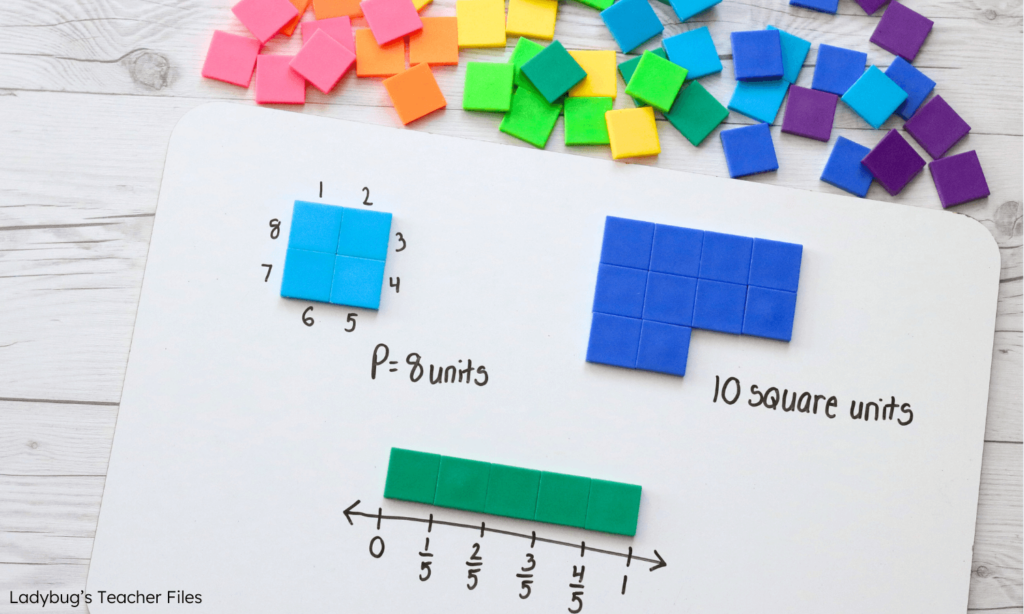
Coloring Activities for Different Math Concepts
The beauty of combining math and coloring is its versatility. You can adapt coloring activities to suit a wide range of math concepts and skill levels. Here are some creative ideas to get you started:
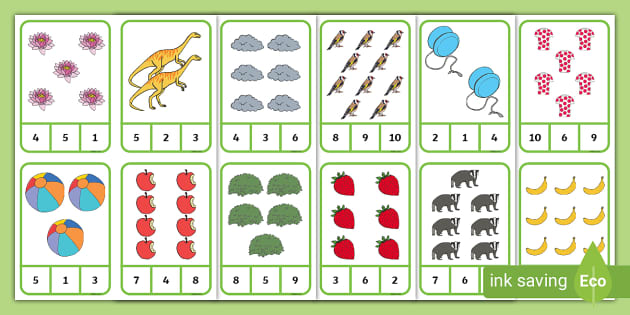
Number Recognition and Counting
* Color by Number: This classic activity involves assigning a color to each number and then coloring the picture according to the corresponding numbers. This is perfect for young learners who are just starting to recognize numbers and learn to count.
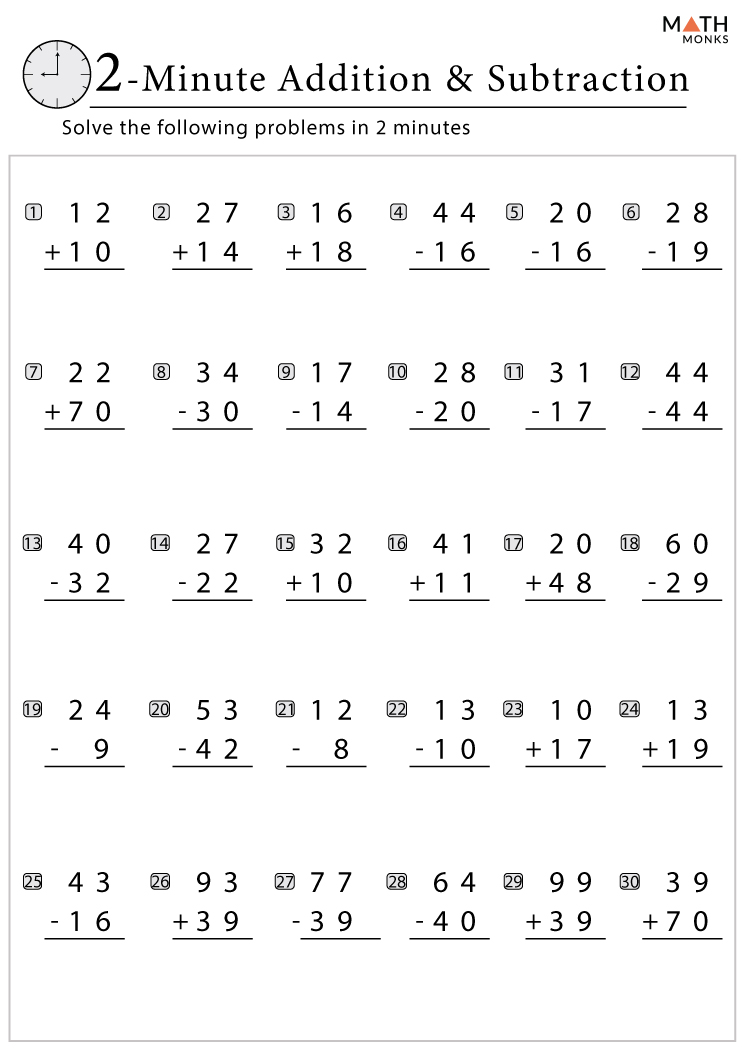
Addition and Subtraction
* Color by Sum/Difference: Create a picture with sections labeled with addition or subtraction problems. Assign a color to each possible answer. Children solve the problems and color the sections according to the answers.
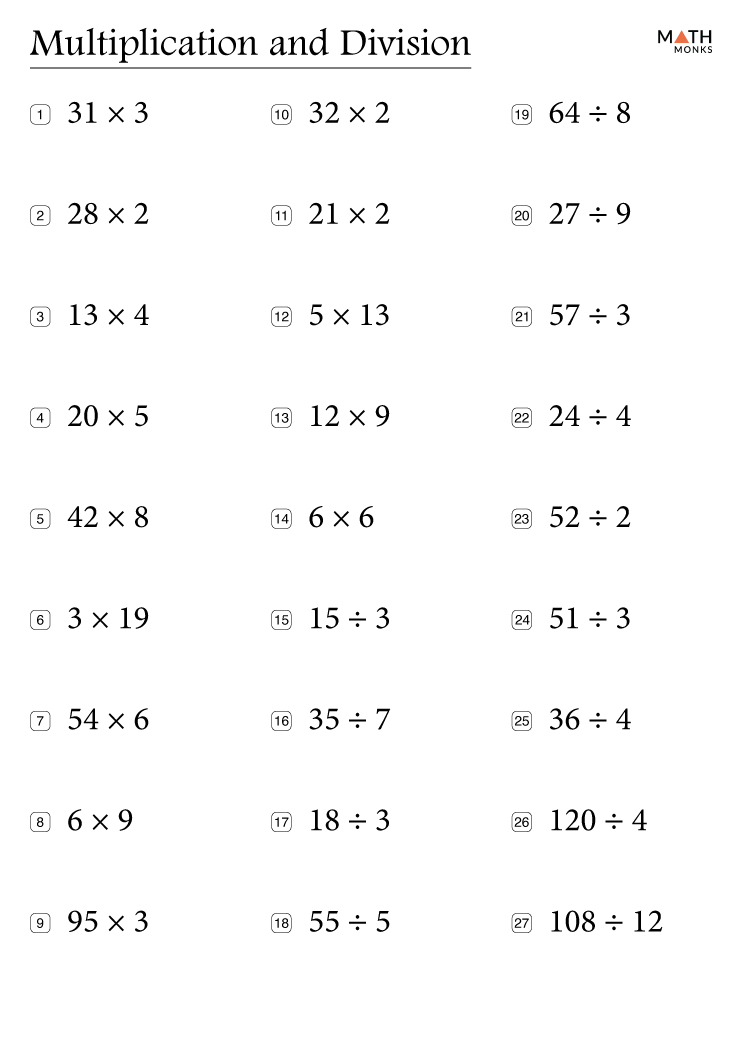
Multiplication and Division
* Multiplication/Division Color by Product/Quotient: Similar to addition and subtraction, create a picture with sections labeled with multiplication or division problems. Assign a color to each possible product or quotient. Children solve the problems and color the sections accordingly.
Fractions
* Fraction Coloring: Provide shapes divided into fractions and ask children to color a specific fraction of the shape.
Geometry
* Shape Coloring: Provide pictures of different geometric shapes (squares, circles, triangles, rectangles, etc.) and ask children to color them and identify their properties.
Advanced Concepts
* Algebraic Equations Coloring: For older students, create coloring pages that involve solving simple algebraic equations to determine the colors to use.
Tips for Creating Engaging Math Coloring Activities
Creating effective and engaging math coloring activities requires careful planning and consideration. Here are some tips to help you design activities that are both fun and educational:
Free Resources and Printable Math Coloring Pages
Fortunately, you don’t have to start from scratch. There are numerous free resources and printable math coloring pages available online. Here are some popular options:
Case Studies: Real-World Examples of Success
The effectiveness of combining math and coloring is not just theoretical. Numerous educators and parents have reported positive results from incorporating coloring into their math lessons. Here are a few case studies:
Common Challenges and Solutions
While combining math and coloring is generally effective, some challenges may arise. Here are some common challenges and potential solutions:
The Future of Math Education: Embracing Creativity
The integration of coloring into math education is part of a broader trend towards embracing creativity and innovation in the classroom. As educators and parents recognize the importance of catering to different learning styles and fostering a love of learning, they are increasingly incorporating creative activities into their lessons. “The future of math education lies in making learning fun, engaging, and accessible to all.”
By combining math and coloring, we can transform math from a source of anxiety into a source of joy and empowerment. So, grab your coloring pencils and get ready to embark on a colorful adventure through the world of numbers!
Conclusion: Color Your Way to Math Success
Math doesn’t have to be a dry and intimidating subject. By incorporating coloring activities, you can unlock a world of creativity, engagement, and effective learning. From number recognition to advanced algebraic concepts, coloring can be adapted to suit a wide range of math topics and skill levels. Remember to choose age-appropriate activities, provide clear instructions, and offer plenty of encouragement. With the wealth of free resources and printable coloring pages available online, getting started is easier than ever. So, embrace the power of color and transform math into a vibrant and rewarding experience for yourself or the learners in your life.
Ready to make math fun? Download our free printable math coloring pages and start coloring your way to math success today! [Link to your downloadable resource or signup form]
FAQ: Frequently Asked Questions About Math and Coloring
* Q: Is coloring really effective for learning math?


0 Comments