
Unleash Creativity and Learning: Engaging STEM Coloring Pages, Printables, and Hands-On Projects for Kids
Ignite your child’s passion for science, technology, engineering, and mathematics (STEM) with fun, interactive activities! In today’s world, STEM education is more crucial than ever, fostering critical thinking, problem-solving skills, and a lifelong love of learning. But who says learning can’t be fun? This article explores a treasure trove of resources, including captivating STEM coloring pages and printables, exciting homeschool science projects, and hands-on educational activities designed to make early learning STEM an adventure for kids of all ages.
Let’s dive into the world of hands-on education and discover how to make learning an engaging and enjoyable experience for your children!

The Power of STEM Coloring Pages and Printables: A Colorful Introduction to Science
Coloring pages and printables are more than just fun activities; they’re powerful tools for introducing STEM concepts in an accessible and engaging way. They provide a visual and tactile learning experience that can spark curiosity and lay the foundation for more complex understanding.
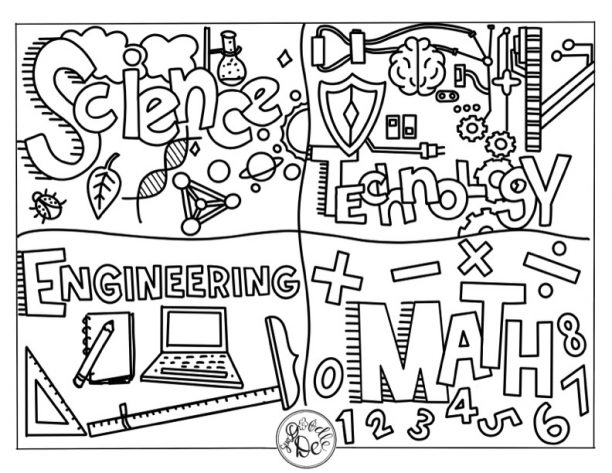
Why STEM Coloring Pages and Printables?
* Visual Learning: Coloring pages present STEM concepts visually, making them easier for children to grasp. For instance, a coloring page of the solar system can help kids visualize the planets and their relative positions.
- Fine Motor Skills Development: Coloring and tracing activities enhance fine motor skills, hand-eye coordination, and dexterity, which are essential for writing and other tasks.
- Vocabulary Building: Many STEM coloring pages include labels and descriptions of scientific concepts, helping children expand their vocabulary in a fun and memorable way.
- Creativity and Expression: Coloring allows children to express their creativity while learning about STEM topics. They can choose colors, add details, and personalize their creations.
- Accessibility: STEM coloring pages and printables are readily available online, often for free, making them an accessible and affordable resource for parents and educators.
- Solar System Coloring Pages: Journey through space with planets, stars, and galaxies.
- Coding Coloring Pages: Introduce basic coding concepts with pixel art and algorithms.
- Engineering Design Challenges: Design and color your own bridges, buildings, and vehicles.
- Plant Life Cycle Coloring Pages: Learn about the stages of plant growth from seed to flower.
- Critical Thinking Skills: Engaging in experiments and problem-solving challenges fosters critical thinking, analytical skills, and the ability to draw conclusions based on evidence.
- Problem-Solving Abilities: Hands-on projects require children to identify problems, brainstorm solutions, and test their ideas, developing essential problem-solving skills.
- Engagement and Motivation: Hands-on activities are inherently engaging and motivating, sparking curiosity and a love of learning.
- Real-World Application: Hands-on projects demonstrate the real-world applications of STEM concepts, making learning more relevant and meaningful.
- Creating a Volcano: Build a model volcano and erupt it with baking soda and vinegar.
- Designing a Bridge: Use straws, tape, and other materials to design and build a bridge that can support weight.
- Growing a Bean Plant: Observe the life cycle of a plant by planting a bean seed and tracking its growth.
- Making Slime: Experiment with different ingredients to create slime with various textures and properties.
- Focus on Interests: Align projects with your child’s interests to maximize engagement and motivation.
- Provide Clear Instructions: Offer clear and concise instructions, but encourage exploration and experimentation.
- Gather Materials in Advance: Ensure you have all the necessary materials before starting the project to avoid frustration.
- Encourage Documentation: Have your child document their experiments with drawings, notes, and observations.
- Celebrate Successes: Acknowledge and celebrate your child’s accomplishments, no matter how small.
- Testing Soil Acidity: Determine the pH level of different soil samples.
- Exploring Density: Investigate the density of various liquids and solids.
- Creating a Water Filter: Design and build a filter to purify water.
- Studying Weather Patterns: Track and analyze weather data over time.
- Inquiry-Based Approach: Encourage children to ask questions, explore their surroundings, and seek answers through experimentation.
- Hands-On Exploration: Provide opportunities for children to manipulate materials, conduct simple experiments, and observe the results.
- Real-World Connections: Connect STEM concepts to everyday experiences, such as cooking, gardening, and playing outdoors.
- Focus on Process, Not Perfection: Emphasize the learning process rather than achieving a specific outcome.
- Exploring Shapes and Patterns: Identify shapes and patterns in the environment and create your own using art supplies.
- Measuring and Comparing: Use measuring tools to compare the size, weight, and volume of different objects.
- Sorting and Classifying: Sort objects based on their properties, such as color, shape, and size.
- Conducting Simple Experiments: Conduct simple experiments, such as mixing colors or observing how objects float or sink.
- Encourage Brainstorming: Encourage children to brainstorm multiple solutions to a problem before choosing the best one.
- Promote Collaboration: Encourage children to work together to solve problems, sharing ideas and learning from each other.
- Provide Feedback: Offer constructive feedback on their problem-solving strategies, highlighting their strengths and areas for improvement.
- Celebrate Effort: Acknowledge and celebrate their effort and persistence, even if they don’t find the perfect solution.
- Coding Puzzles: Use coding puzzles to develop logical thinking and problem-solving skills.
- Engineering Design Challenges: Task children with designing and building solutions to real-world problems, such as creating a device to clean up pollution.
- Math Puzzles and Games: Use math puzzles and games to challenge children’s mathematical thinking and problem-solving abilities.
- Story-Based Problems: Present children with story-based problems that require them to use critical thinking and problem-solving skills to find a resolution.
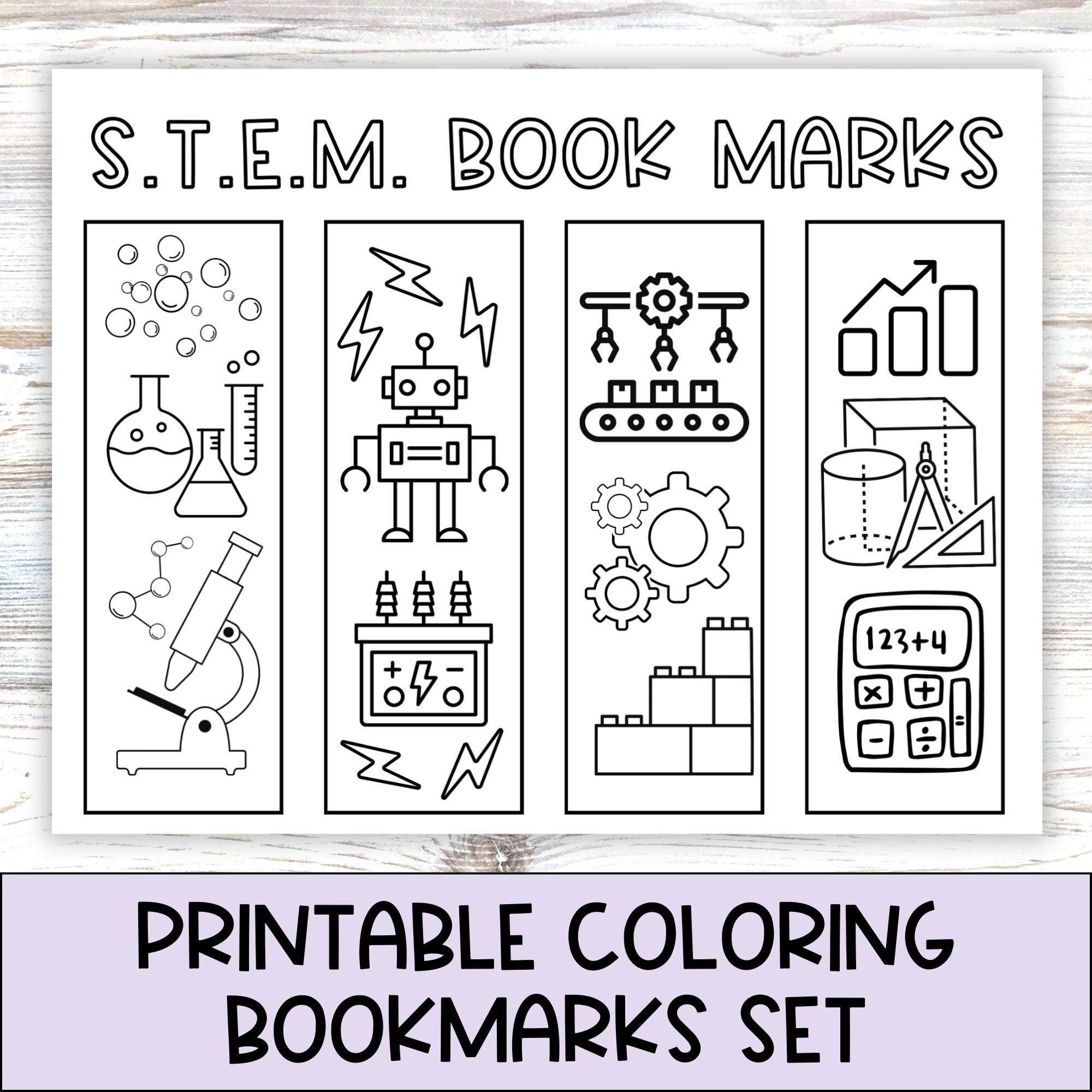
Examples of Engaging STEM Coloring Pages and Printables:
* Anatomy Coloring Pages: Explore the human body with detailed coloring pages of organs, bones, and muscles.
Internal Link Suggestion: For more resources on early childhood education, check out our article on “Early Childhood Development Activities“
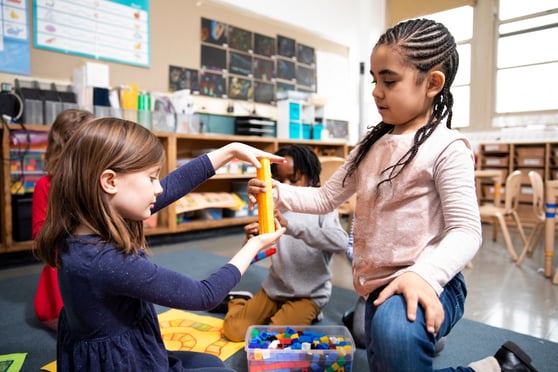
Hands-On Education: Bringing STEM to Life
Hands-on education is a cornerstone of effective STEM learning. By engaging with real-world materials and conducting experiments, children develop a deeper understanding of scientific principles and cultivate critical thinking skills.

Why Hands-On STEM Education Matters:
* Deeper Understanding: Hands-on activities allow children to experience STEM concepts directly, leading to a more profound and lasting understanding.
Examples of Exciting Hands-On STEM Activities:
* Building a Simple Circuit: Use batteries, wires, and a light bulb to create a working electrical circuit.
Homeschool Science Projects: Cultivating a Love of Science at Home
Homeschooling provides a unique opportunity to tailor STEM education to your child’s individual interests and learning style. Science projects are a fantastic way to make learning engaging and memorable within the homeschool environment.
Tips for Successful Homeschool Science Projects:
* Choose Age-Appropriate Projects: Select projects that are challenging but not overwhelming for your child’s age and skill level.
Inspiring Homeschool Science Project Ideas:
* Building a Terrarium: Create a miniature ecosystem in a jar.
External Link Suggestion: Explore more comprehensive homeschool science curriculums at “Khan Academy Kids“
Early Learning STEM: Nurturing Future Innovators
Introducing STEM concepts early in a child’s life is crucial for developing a strong foundation for future learning. Early learning STEM activities should focus on exploration, play, and hands-on experiences that spark curiosity and encourage problem-solving.
Key Principles of Early Learning STEM:
* Play-Based Learning: Integrate STEM concepts into play activities, such as building blocks, puzzles, and games.
Engaging Early Learning STEM Activities:
* Building with Blocks: Explore concepts of engineering and design by building towers, bridges, and other structures.
Internal Link Suggestion: Discover more about incorporating STEM into everyday life in our article “STEM Activities for Preschoolers“
Problem-Solving for Kids: Developing Essential Life Skills
Problem-solving is a critical skill that children need to succeed in school, work, and life. STEM activities provide ample opportunities for children to develop their problem-solving abilities in a fun and engaging way.
Strategies for Fostering Problem-Solving Skills:
* Present Challenges: Provide children with open-ended challenges that require them to think creatively and find solutions.
Problem-Solving Activities for Kids:
* Building Challenges: Challenge children to build structures that meet specific criteria, such as height, stability, or weight capacity.
External Link Suggestion: For more advanced problem-solving resources, visit “Project Lead The Way“
Conclusion: Empowering Future STEM Leaders
By incorporating STEM coloring pages, printables, hands-on activities, and engaging homeschool science projects into your child’s education, you can ignite their passion for science, technology, engineering, and mathematics. These resources provide a fun and accessible way to develop critical thinking, problem-solving skills, and a lifelong love of learning. Embrace the power of hands-on education and empower your child to become a future STEM leader!
Start exploring the wealth of STEM resources available online and in your community. Encourage your child’s curiosity, provide opportunities for exploration, and celebrate their successes along the way. Together, we can inspire the next generation of innovators, thinkers, and problem-solvers.
Call to Action: Sign up for our newsletter today to receive exclusive STEM activity ideas, printables, and resources delivered straight to your inbox! Let’s make learning an adventure!


0 Comments