
Unleash Young Minds: Hands-On STEM Coloring Pages & Printables for Early Learners at Home
Are you looking for a fantastic way to spark curiosity and cultivate a love for learning in your young scientist? Imagine turning screen time into a vibrant, educational adventure that combines art with critical thinking. For homeschooling families and parents eager to provide enriching experiences, the world of interactive STEM coloring pages and printables offers an incredible solution. These aren’t just ordinary coloring sheets; they are gateways to discovery, designed to introduce complex concepts in a fun, accessible, and hands-on way for early learners.
In today’s rapidly evolving world, equipping children with strong foundational skills in science, technology, engineering, and mathematics (STEM) is more important than ever. But how do you make these subjects engaging for preschoolers and early elementary students without overwhelming them? The answer lies in blending creativity with problem-solving. This comprehensive guide will explore how these dynamic printables transform simple coloring into powerful homeschool science projects, fostering creativity, critical thinking, and a genuine passion for discovery right from your kitchen table. Get ready to dive into a world where crayons meet circuits and art unlocks algorithms, making early learning STEM an exciting journey for every child.

Why STEM Education Starts Early: Nurturing Curiosity from Day One
Children are born scientists, constantly observing, questioning, and experimenting with the world around them. From stacking blocks to asking “why?” a thousand times, they are naturally engaging in STEM principles. Nurturing this innate curiosity from a young age is crucial for developing strong cognitive skills and a positive attitude towards learning. Early exposure to STEM concepts isn’t about teaching advanced calculus; it’s about building a solid foundation through exploration and play.

The Power of Play in Early STEM Learning
Play is the primary language of childhood, and it’s also a powerful vehicle for learning. When children engage in play, they are actively constructing knowledge, testing hypotheses, and developing problem-solving strategies without even realizing it. Integrating STEM into play-based activities, like with interactive coloring pages, allows children to explore scientific phenomena, technological tools, engineering designs, and mathematical patterns in a joyful, low-pressure environment. This approach fosters a growth mindset, encouraging them to embrace challenges and learn from their mistakes.

Building Foundational Skills Through Hands-On Activities
Hands-on experiences are invaluable for early learners. They allow children to manipulate objects, see cause and effect firsthand, and develop a deeper understanding of abstract concepts. Hands-on education in STEM doesn’t require expensive lab equipment. Simple tools and everyday materials, combined with thoughtfully designed printables, can create rich learning opportunities. These activities help children develop fine motor skills, spatial reasoning, logical thinking, and early literacy skills as they learn new vocabulary related to science and technology.
Beyond Crayons: What Makes STEM Coloring Pages “Interactive”?
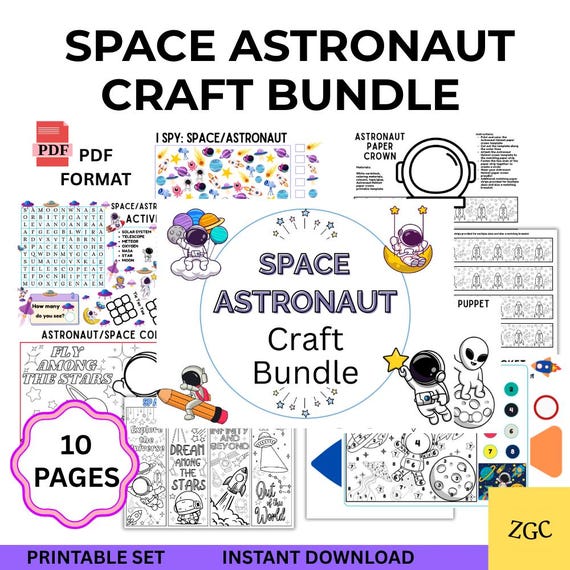
Forget the notion of passive coloring. STEM coloring pages and printables go far beyond simply filling in shapes with color. They are thoughtfully designed activities that prompt engagement, critical thinking, and often, further exploration. An interactive page might involve more than just coloring; it could include cutting, pasting, labeling, matching, or even simple design challenges.
Exploring Science Concepts Through Art
Imagine a coloring page where your child colors different parts of a plant, then cuts them out and glues them onto a diagram to illustrate the plant life cycle. Or perhaps a page depicting various animal habitats, prompting them to draw or paste animals into their correct environments. These activities transform abstract scientific ideas into tangible, visual experiences. They introduce concepts like biology, physics, chemistry, and earth science in a gentle, age-appropriate manner, making complex topics approachable and fun.
Integrating Technology and Engineering Principles
Many STEM coloring printables introduce basic technology and engineering concepts. Think about a page where children color different gears and then arrange them in the correct order to make a machine work, or a “build-a-robot” sheet where they design and color their own robot, considering its functions and parts. These activities introduce foundational ideas about design, function, cause and effect, and problem-solving, which are core to engineering and technology. They encourage children to think about how things are made and how they work.
Making Math Visible and Fun
Math can often feel abstract, but interactive coloring pages bring it to life. Pages might involve coloring by number (which reinforces number recognition), identifying and coloring geometric shapes, creating patterns, or even solving simple addition or subtraction problems by coloring the correct answer. These activities make mathematical concepts visual and tactile, helping children develop number sense, spatial awareness, and logical reasoning skills in an enjoyable way.
The Benefits of STEM Coloring Printables for Young Scientists
The advantages of incorporating STEM coloring page and printables into your child’s routine are multifaceted, impacting various aspects of their development. They are an accessible and effective tool for fostering a holistic learning experience.
Enhancing Fine Motor Skills and Hand-Eye Coordination
The act of coloring, cutting, and pasting strengthens small hand muscles, improves dexterity, and refines hand-eye coordination – all crucial for writing, drawing, and other daily tasks. These skills are fundamental for early learners and are quietly developed through engaging with these printables.
Fostering Problem-Solving and Critical Thinking
Interactive elements often present mini-challenges. “Which color represents the cold front?” “How do these gears fit together?” “What will happen if I connect this part here?” These questions encourage children to think critically, make predictions, and engage in problem-solving for kids. They learn to analyze, synthesize, and evaluate information, building vital cognitive pathways.
Sparking Creativity and Imagination
While some pages guide the child, many also leave room for creative expression. Designing their own spaceship, coloring a fantastical creature based on scientific principles, or imagining the future of technology through art ignites their imagination. This blend of structured learning and creative freedom is powerful.
Supporting Independent Learning in Homeschool Environments
For homeschooling families, these printables are a fantastic resource for independent learning. Once introduced, children can often work through them on their own or with minimal guidance, freeing up parents for other tasks while ensuring productive, educational engagement. They are perfect for fostering self-reliance and focus.
Getting Started: How to Maximize Your STEM Coloring Adventures
Ready to introduce these fantastic tools into your home? Here’s how you can make the most of your STEM coloring page and printables.
Choosing the Right STEM Coloring Page and Printables
Look for printables that are age-appropriate and align with your child’s interests. If they love animals, seek out pages on zoology or ecosystems. If they’re fascinated by space, find printables about planets and rockets. Ensure the activities are clearly explained and offer a balance of coloring and interactive tasks. Many educational websites offer free or affordable STEM coloring page and printables collections.
Turning Coloring into a Homeschool Science Project
Don’t just hand over the crayons! Introduce the topic briefly, ask questions to pique their interest, and discuss the concepts as they color. For example, if coloring a volcano, talk about how volcanoes erupt. When they finish, ask them to explain what they’ve learned. This transforms a simple activity into a meaningful homeschool science project.
Extending the Learning: Beyond the Page
The coloring page is just the beginning!
- Read Books: Pair the activity with relevant children’s books.
- Hands-On Experiments: If they colored a circuit, try building a simple one with a battery and light bulb. If they colored a plant, plant some seeds together.
- Outdoor Exploration: If they colored different types of leaves, go on a nature walk to find them.
- Discuss and Observe: Encourage them to talk about what they’ve learned and point out real-world examples.
Real-World STEM Fun: Examples of Interactive Coloring Activities
Let’s look at some specific examples of how interactive coloring pages can bring science, technology, engineering, and math to life for your child.
Build-a-Robot: Engineering & Design
Imagine a printable where your child colors different robot parts (head, body, arms, legs, wheels, sensors). After coloring, they cut out the parts and assemble their own robot, perhaps even drawing in tools or functions. This activity introduces basic engineering design, spatial reasoning, and the concept of how different components work together.
Suggested Internal Link: Check out our “Creative Engineering Challenges for Kids” for more building fun!*
Plant Life Cycle: Biology & Observation
A popular science printable involves coloring the stages of a plant’s life cycle – seed, sprout, seedling, mature plant, flower, fruit. Children color each stage, then arrange them in the correct sequence. This teaches fundamental biology, sequencing, and observation skills. You can even follow it up by planting a real seed!
Suggested External Link: Discover more about plant science at National Geographic Kids (opens in new window).*
Counting & Patterns: Early Math Skills
Math-focused pages might feature a series of objects (e.g., apples, stars) in a pattern, asking the child to color the next object in the sequence or count and color a specific number of items. This reinforces number recognition, counting, and understanding of mathematical patterns, making early math concepts tangible and engaging.
Simple Circuits: Introduction to Technology
For slightly older early learners, a page could depict a simple circuit diagram with a battery, wires, and a light bulb. Children color the components and trace the path of electricity, understanding how a circuit allows a light to turn on. This introduces basic electrical concepts and the fundamentals of technology in a safe, visual way.
Frequently Asked Questions About Early STEM Learning
Parents often have questions about introducing STEM to young children. Here are some common inquiries:
What age is best for STEM coloring pages?
STEM coloring page and printables are wonderfully versatile and can be adapted for a wide range of early learners, typically from ages 3-8. Simpler pages focusing on basic shapes and colors are great for preschoolers, while those involving sequencing, labeling, or simple problem-solving are perfect for kindergarten and early elementary students. Always choose activities that match your child’s developmental stage.
How can I make STEM activities engaging for reluctant learners?
The key is to connect STEM to their interests. If your child loves superheroes, find printables about physics (e.g., gravity, flight). If they love cooking, explore the chemistry of baking. Keep sessions short, incorporate play, and always maintain a positive, encouraging attitude. Remember, the goal is fun and exploration, not perfection.
Are there free STEM coloring printables available?
Absolutely! Many educational websites, homeschooling blogs, and even government science agencies offer a wealth of free STEM coloring page and printables. A quick online search for “free STEM printables for kids” will yield numerous resources. Look for reputable sources to ensure accuracy and quality.
Suggested External Link: Explore free educational resources from PBS Kids (opens in new window).*
Conclusion: Ignite a Lifelong Love for Discovery
Bringing hands-on education into your home doesn’t have to be complicated or expensive. Interactive STEM coloring pages and printables offer a unique, engaging, and highly effective way to introduce young children to the fascinating worlds of science, technology, engineering, and math. They transform simple art activities into powerful learning experiences, fostering problem-solving for kids, critical thinking, creativity, and fine motor skills.
By embracing these dynamic tools, you’re not just providing a fun activity; you’re nurturing an inquisitive mind, building a strong foundation for future learning, and igniting a lifelong passion for discovery. So grab your crayons, fire up your printer, and get ready to embark on an incredible educational journey with your little ones.
Start your STEM adventure with our interactive coloring activities today and watch your young scientists flourish!


0 Comments