
Uncover the Past: Exploring History with Engaging Coloring Activities
History can sometimes feel like a dusty textbook filled with dates and names. But what if you could bring history to life, making it engaging and memorable for learners of all ages? Enter the world of history coloring activities! This article will explore how coloring can be a powerful tool for understanding historical events, figures, and cultures. We’ll delve into the benefits of this unique learning method, provide practical ideas for incorporating coloring activities into your educational endeavors, and even suggest some fantastic resources to get you started. Get ready to color your way through time!
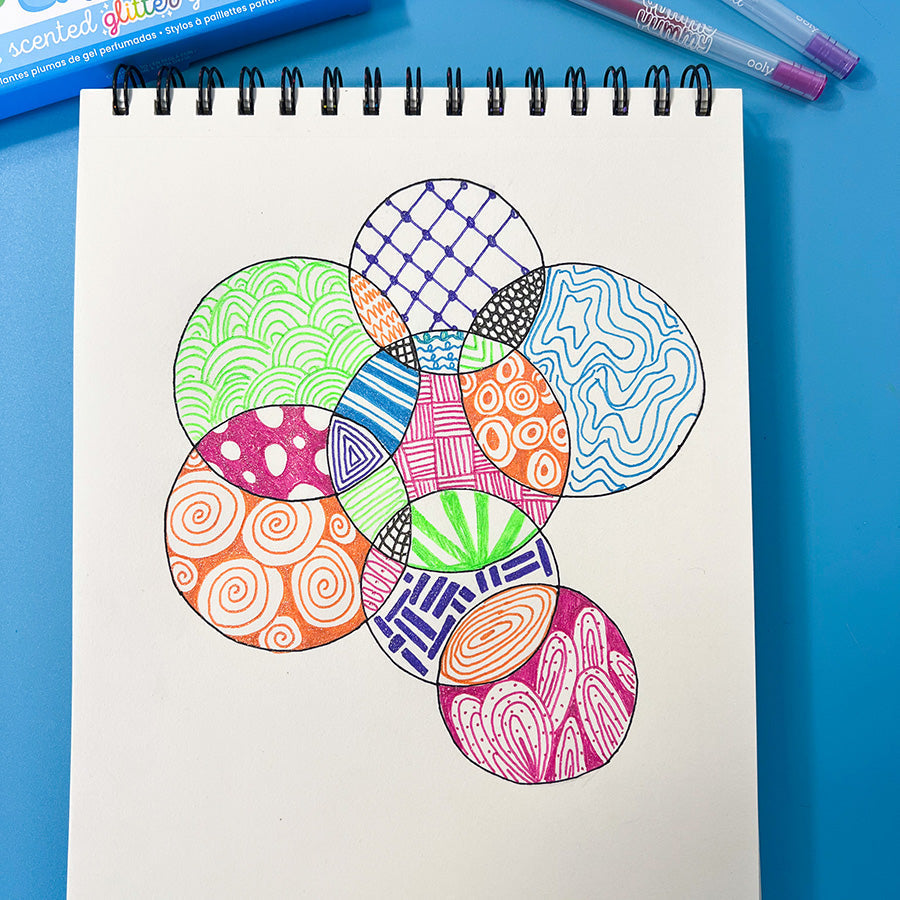
Why Coloring? The Unexpected Power of a Simple Activity
Coloring isn’t just a fun pastime for kids; it’s a surprisingly effective educational tool. The act of coloring engages multiple senses and cognitive functions, making learning more interactive and memorable. Let’s look at why coloring is such a potent method for exploring history:
- Enhanced Memory Retention: The combination of visual input (the image) and physical action (coloring) helps encode information more deeply in the brain. Studies show that actively engaging with content, like coloring, improves recall compared to passively reading or listening. This is particularly useful for remembering historical details like clothing, architecture, and symbols.
- Improved Focus and Concentration: Coloring requires focus and attention to detail. As you carefully select colors and fill in the lines, you’re essentially training your brain to concentrate for extended periods. This can be especially beneficial for children who struggle with attention spans.
- Reduced Stress and Anxiety: Coloring has a calming effect on the mind. It can help reduce stress and anxiety, creating a more relaxed and receptive learning environment. This is particularly helpful when dealing with complex or sensitive historical topics.
- Creative Expression and Interpretation: Coloring allows for personal expression and interpretation. You can choose colors that resonate with you, adding your own unique flair to historical images. This fosters creativity and encourages critical thinking about the subject matter.
- Accessibility for All Ages and Learning Styles: History coloring activities are adaptable to different age groups and learning styles. Whether you’re a visual learner, a kinesthetic learner, or simply someone who enjoys creative activities, coloring can be a valuable tool for exploring history.
- Ancient Greece: Color Greek gods and goddesses, iconic architecture like the Parthenon, and scenes from the Olympic Games.
- Ancient Rome: Color Roman emperors, gladiators, the Colosseum, and scenes from Roman society.
- Mesopotamia: Color ziggurats, cuneiform tablets, and scenes from the lives of Sumerians, Babylonians, and Assyrians.
- Monasteries and Illuminated Manuscripts: Color monks, illuminated manuscripts, and scenes from daily life in monasteries.
- The Black Death: Color scenes depicting the Black Death and its impact on society. (Use with sensitivity and appropriate context.)
- The Crusades: Color scenes from the Crusades, depicting battles, religious figures, and cultural exchanges.
- Inventions and Discoveries: Color Renaissance inventions like the printing press and scenes from voyages of discovery.
- Renaissance Fashion: Color detailed drawings of Renaissance clothing, jewelry, and hairstyles.
- New World Encounters: Color scenes depicting encounters between European explorers and indigenous peoples. (Use with sensitivity and appropriate context.)
- Colonial Life: Color scenes from daily life in colonial settlements.
- The French Revolution: Color scenes from the French Revolution, including the storming of the Bastille and the Reign of Terror.
- The Industrial Revolution: Color scenes depicting factories, inventions, and social changes during the Industrial Revolution.
- World War I and World War II: Color scenes from the World Wars, including battles, historical figures, and propaganda posters. (Use with sensitivity and appropriate context.)
- Provide Context: Don’t just hand out coloring pages without providing any background information. Introduce the historical period, event, or figure beforehand.
- Encourage Research: Encourage learners to research the topic they’re coloring. This could involve reading books, watching documentaries, or searching online.
- Discuss and Share: After coloring, facilitate a discussion about what was learned. Encourage learners to share their insights and ask questions.
- Use a Variety of Materials: Experiment with different coloring materials, such as colored pencils, crayons, markers, and even watercolors.
- Incorporate Writing: Encourage learners to write captions, stories, or poems inspired by their coloring pages.
- Create a Timeline: Use colored images to create a visual timeline of historical events.
- Connect to Current Events: Draw connections between historical events and current events to help learners understand the relevance of history.
- Use Primary Sources: When possible, use coloring pages that are based on primary sources, such as historical documents or photographs.
- Adapt to Different Learning Styles: Tailor the activities to suit different learning styles. For example, visual learners might benefit from detailed images, while kinesthetic learners might enjoy coloring with textured materials.
- Make it Fun! The most important thing is to make learning fun and engaging. Use humor, games, and creative activities to keep learners motivated.
- Online Coloring Pages: Websites like Super Coloring, Coloring.ws, and Education.com offer a wide variety of free history coloring pages.
- Coloring Books: Many publishers offer coloring books specifically designed for learning about history. Look for titles that are age-appropriate and aligned with your curriculum. Dover Publications is a great source for historical coloring books.
- Museum Websites: Some museums offer free coloring pages related to their collections. Check the websites of museums like the British Museum, the Metropolitan Museum of Art, and the Smithsonian National Museum of Natural History.
- Teacher Resource Websites: Websites like Teachers Pay Teachers offer a variety of history coloring activities created by educators.
- DIY Coloring Pages: Create your own coloring pages by tracing images from history books or using online tools to convert photos into line drawings.
- Link to a blog post about different learning styles when discussing adapting activities. (Anchor text: “learning styles”)
- Link to a page on your website that offers educational resources for kids when mentioning websites like Education.com. (Anchor text: “educational resources”)
- Link to a product page featuring history-themed books or games when suggesting additional resources. (Anchor text: “history-themed books”)
- Link to a reputable study on the benefits of coloring for memory retention. (Anchor text: “studies show”)
- Link to the British Museum’s website when mentioning museum resources. (Anchor text: “British Museum”)
- Link to Dover Publications when recommending their history coloring book series. (Anchor text: “Dover Publications”)

Bringing History to Life: Coloring Activities for Every Era
The beauty of history coloring is its versatility. You can find or create coloring pages for virtually any historical period or topic. Here are some ideas to get you started, broken down by era:
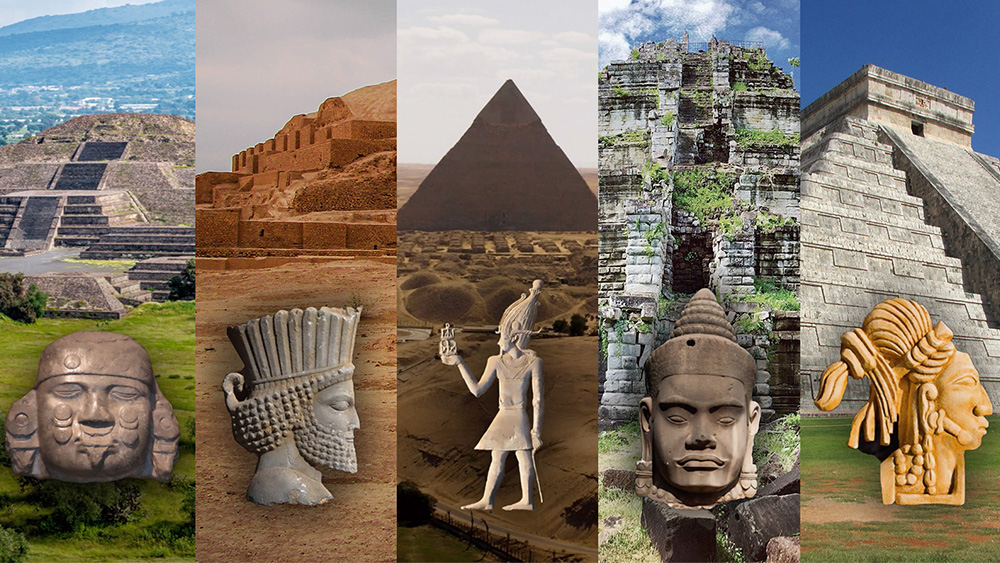
Ancient Civilizations
* Ancient Egypt: Color pharaohs, pyramids, hieroglyphics, and scenes from daily life along the Nile.
Activity Idea:* Research the significance of different colors in ancient Egyptian art and use them accordingly. For example, green represented rebirth and regeneration.
Activity Idea:* After coloring a picture of a Greek god, research their mythology and share interesting facts with others.
Activity Idea:* Compare and contrast Roman architecture with modern architecture, noting similarities and differences.
Activity Idea:* Explore the Code of Hammurabi and discuss its significance in the development of law.

The Middle Ages
* Knights and Castles: Color knights in shining armor, majestic castles, and medieval battles.
Activity Idea:* Design your own coat of arms, researching the symbolism of different colors and images.
Activity Idea:* Learn about the art of calligraphy and try your hand at creating your own illuminated letter.
Activity Idea:* Discuss the social and economic consequences of the Black Death and its lasting impact on Europe.
Activity Idea:* Research the different motivations behind the Crusades and their long-term effects on relations between Europe and the Middle East.

The Renaissance
* Renaissance Artists: Color portraits of famous Renaissance artists like Leonardo da Vinci, Michelangelo, and Raphael, as well as their masterpieces.
Activity Idea:* Choose a Renaissance painting and research its history, symbolism, and artistic techniques.
Activity Idea:* Discuss the impact of the printing press on the spread of knowledge and the Renaissance.
Activity Idea:* Compare and contrast Renaissance fashion with modern fashion, noting similarities and differences.
The Age of Exploration
* Explorers and Ships: Color explorers like Christopher Columbus, Ferdinand Magellan, and Vasco da Gama, as well as their ships.
Activity Idea:* Trace the routes of famous explorers on a map and discuss the challenges and consequences of their voyages.
Activity Idea:* Research the perspectives of both European explorers and indigenous peoples on the Age of Exploration.
Activity Idea:* Compare and contrast life in different colonial settlements, such as Jamestown and Plymouth.
Modern History
* The American Revolution: Color scenes from the American Revolution, including battles, historical figures, and important documents.
Activity Idea:* Read excerpts from the Declaration of Independence and discuss its significance.
Activity Idea:* Discuss the causes and consequences of the French Revolution.
Activity Idea:* Research the impact of the Industrial Revolution on different social classes.
Activity Idea:* Interview a veteran or research the experiences of soldiers and civilians during the World Wars.
Maximizing the Learning Experience: Tips and Strategies
To make the most of history coloring activities, consider these tips and strategies:
Resources for History Coloring Activities
Ready to get started? Here are some fantastic resources for finding history coloring activities:
Example:* Search for “Ancient Egypt coloring pages” or “World War II coloring pages” to find specific topics.
Recommendation:* Check out “Dover History Coloring Book” series for a wide range of historical periods and topics.
Tip:* Search for “museum coloring pages” on Google to find more options.
Benefit:* These resources often include lesson plans, worksheets, and other supplementary materials.
Tool Suggestion:* Use a free online tool like “Rapid Resizer” to easily convert images into coloring pages.
Internal Linking Opportunities
To further enhance user experience and SEO, consider these internal linking opportunities:
External Linking Opportunities
To establish credibility and provide valuable resources, consider these external linking opportunities:
Conclusion: Color Your Way to Historical Understanding
History doesn’t have to be a dry and daunting subject. By incorporating coloring activities, you can make learning about the past engaging, memorable, and fun for learners of all ages. From ancient civilizations to modern history, there’s a world of historical topics just waiting to be explored through the power of color. So grab your coloring pencils, open your mind, and get ready to color your way to a deeper understanding of history! Remember, learning is an adventure, and coloring can be your trusty map. Explore the resources mentioned, adapt the activities to your specific needs, and most importantly, have fun! What historical period are you most excited to explore through coloring? Share your thoughts in the comments below!


0 Comments