
Uncover the Past: Exploring History with Engaging Coloring Activities
History, often perceived as a dry recitation of dates and names, can be brought to life through the vibrant and engaging medium of coloring activities. Beyond mere entertainment, these activities offer a unique and effective way to learn, remember, and connect with historical events, figures, and cultures. This article explores the multifaceted benefits of incorporating coloring into history education, providing practical tips, creative ideas, and resources to make learning history a colorful and captivating adventure.

Why Coloring? The Unexpected Power of Visual Learning
Coloring is more than just a pastime; it’s a powerful tool for engaging different parts of the brain and enhancing the learning process. Here’s why it works so well for history:
- Enhanced Memory Retention: The act of coloring requires focus and concentration, which helps imprint information more firmly in the memory. Visualizing historical scenes while coloring reinforces learning and makes facts more memorable. Key Takeaway: Coloring strengthens neural pathways, aiding long-term retention.
- Increased Engagement and Focus: Coloring offers a hands-on, interactive experience that captures attention and sparks curiosity. It provides a welcome break from traditional learning methods, making history more accessible and enjoyable, especially for younger learners.
- Improved Fine Motor Skills: Coloring activities help develop and refine fine motor skills, hand-eye coordination, and dexterity, which are essential for writing and other important tasks.
- Reduced Stress and Anxiety: Coloring has a calming effect on the mind, reducing stress and anxiety often associated with learning new or complex subjects. This relaxed state of mind allows for better absorption of information. Did you know? Studies show coloring can lower cortisol levels, the hormone associated with stress.
- Creative Expression and Interpretation: Coloring allows for individual expression and interpretation of historical events and figures. Students can choose colors and add their own artistic flair, fostering a deeper connection with the subject matter.
- Ancient Greece: Coloring Greek gods and goddesses, the Parthenon, scenes from the Olympic Games, and maps of ancient Greece. Exploring the influence of Greek architecture and philosophy.
- Ancient Rome: Coloring Roman emperors, gladiators, the Colosseum, Roman legions, and maps of the Roman Empire. Understanding Roman law, engineering, and military strategies.
- Mesopotamia: Coloring ziggurats, cuneiform writing, and scenes from the Epic of Gilgamesh. Discovering the origins of agriculture, writing, and urban civilization.
- The Black Death: Coloring maps showing the spread of the Black Death, illustrations of plague doctors, and scenes of daily life during the pandemic. Understanding the impact of disease on medieval society.
- The Crusades: Coloring scenes from the Crusades, maps of the Holy Land, and illustrations of medieval weaponry. Exploring the religious, political, and economic motivations behind the Crusades.
- The Renaissance: Coloring portraits of Renaissance artists, sculptures, and architectural masterpieces. Learning about the rebirth of art, science, and culture in Europe.
- Indigenous Cultures: Coloring illustrations of indigenous peoples and their cultures, such as the Aztecs, Incas, and Native American tribes. Learning about the impact of colonization on indigenous societies.
- The Transatlantic Slave Trade: Coloring maps showing the routes of the transatlantic slave trade, illustrations of slave ships, and scenes of enslaved people working on plantations. Understanding the history and legacy of slavery.
- The French Revolution: Coloring scenes from the French Revolution, portraits of revolutionaries like Maximilien Robespierre, and illustrations of the storming of the Bastille. Understanding the causes and consequences of the French Revolution.
- World War I and World War II: Coloring maps showing the alliances and battlefronts of World War I and World War II, illustrations of soldiers and weaponry, and scenes of civilian life during wartime. Understanding the causes, consequences, and human cost of these global conflicts.
- The Civil Rights Movement: Coloring portraits of civil rights leaders like Martin Luther King Jr. and Rosa Parks, scenes from protests and marches, and illustrations of segregation and discrimination. Understanding the history and legacy of the Civil Rights Movement.
- Historical Figure Portraits: Provide coloring pages of famous historical figures and encourage students to research their lives and accomplishments. After coloring, have them write a short biography or present their findings to the class.
- Timeline Coloring: Create a timeline of historical events and provide coloring pages that correspond to each event. Students can color the pages as they learn about each event, creating a visual representation of history. Pro Tip: Use different colors to represent different themes or regions on the timeline.
- Cultural Artifact Coloring: Provide coloring pages of cultural artifacts from different historical periods, such as pottery, tools, weapons, and clothing. Encourage students to research the artifacts and their significance.
- Historical Scene Coloring: Provide coloring pages of historical scenes, such as battles, coronations, and daily life activities. Encourage students to research the scenes and color them accurately.
- Map Coloring: Provide blank maps of different historical regions and encourage students to color them according to historical boundaries, trade routes, and population distributions.
- Themed Coloring Books: Create themed coloring books that focus on specific historical periods or topics. These coloring books can be used as supplemental learning materials or as a fun activity for students to complete at home. Consider adding brief informational text to each page to enhance learning.
- Coloring Contests: Host coloring contests with historical themes to encourage creativity and engagement. Award prizes for the most accurate, creative, and informative coloring pages.
- Collaborative Coloring Projects: Divide students into groups and assign each group a different historical event or figure to research and create a collaborative coloring project. This encourages teamwork and shared learning.
- Online Coloring Pages: Websites like Super Coloring, Coloring.ws, and Education.com offer a wide variety of free historical coloring pages.
- Printable Coloring Books: Amazon and other online retailers offer a variety of printable history coloring books for different age groups and historical periods.
- Museum Websites: Many museums offer free coloring pages and activities on their websites, often related to their collections.
- Historical Societies: Local historical societies may offer coloring pages and activities related to local history.
- DIY Coloring Pages: Create your own coloring pages using historical images and illustrations. You can use image editing software or simply print out black and white images and trace them.
- Educational Apps: Several educational apps offer interactive coloring activities related to history.
- Provide Context: Before starting a coloring activity, provide students with background information about the historical event, figure, or artifact they will be coloring.
- Encourage Research: Encourage students to research the colors and details of the historical subject they are coloring. This will help them learn more about the subject and make their coloring more accurate.
- Promote Discussion: After completing a coloring activity, facilitate a discussion about what students learned. Ask them questions about the historical subject and encourage them to share their insights.
- Incorporate Writing: Have students write a short paragraph or essay about the historical subject they colored. This will help them solidify their learning and develop their writing skills.
- Use High-Quality Materials: Use high-quality coloring pages and coloring supplies to ensure that the activity is enjoyable and visually appealing.
- Adapt to Different Learning Styles: Offer a variety of coloring activities to cater to different learning styles. Some students may prefer coloring detailed illustrations, while others may prefer coloring simpler designs.
- Make it Interdisciplinary: Connect coloring activities to other subjects, such as art, literature, and geography. This will help students see the connections between different disciplines and deepen their understanding of history.
- Concern: Coloring is too simplistic for older students.
- Solution: Offer more complex coloring pages with intricate details and encourage older students to research the historical subject and color it accurately. You can also incorporate writing and research assignments to deepen their learning.
- Concern: Coloring is too time-consuming.
- Solution: Break up coloring activities into smaller segments and integrate them into other lessons. You can also use coloring activities as a reward for completing other tasks.
- Concern: Coloring is not academically rigorous.
- Solution: Use coloring activities as a supplement to traditional learning methods, such as lectures, readings, and discussions. Be sure to provide context and encourage research to ensure that the activity is academically rigorous.
- Concern: Coloring is only for visual learners.
- Solution: While coloring is particularly beneficial for visual learners, it can also benefit students with other learning styles. The act of coloring can help kinesthetic learners engage with the material, while the discussions and writing assignments can benefit auditory and linguistic learners.
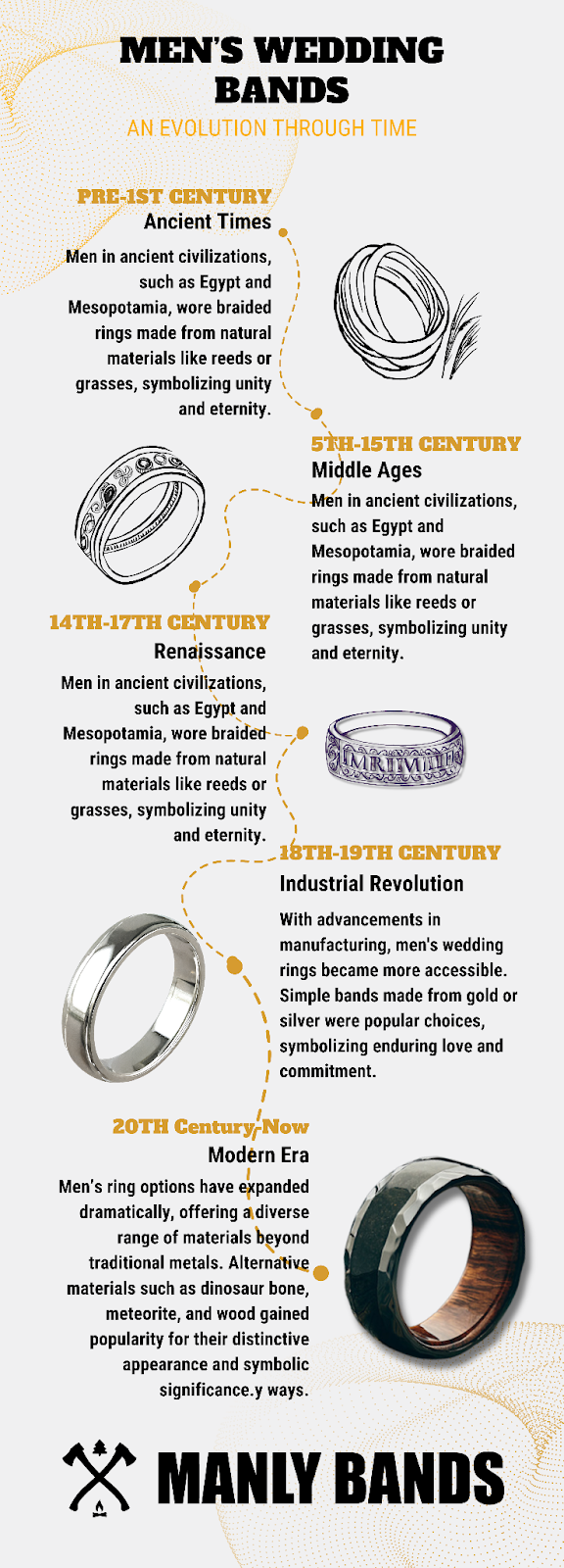
From Ancient Civilizations to Modern Times: Coloring Through History
Coloring activities can be adapted to explore virtually any historical period or topic. Here are some examples of how to use coloring to bring different eras to life:
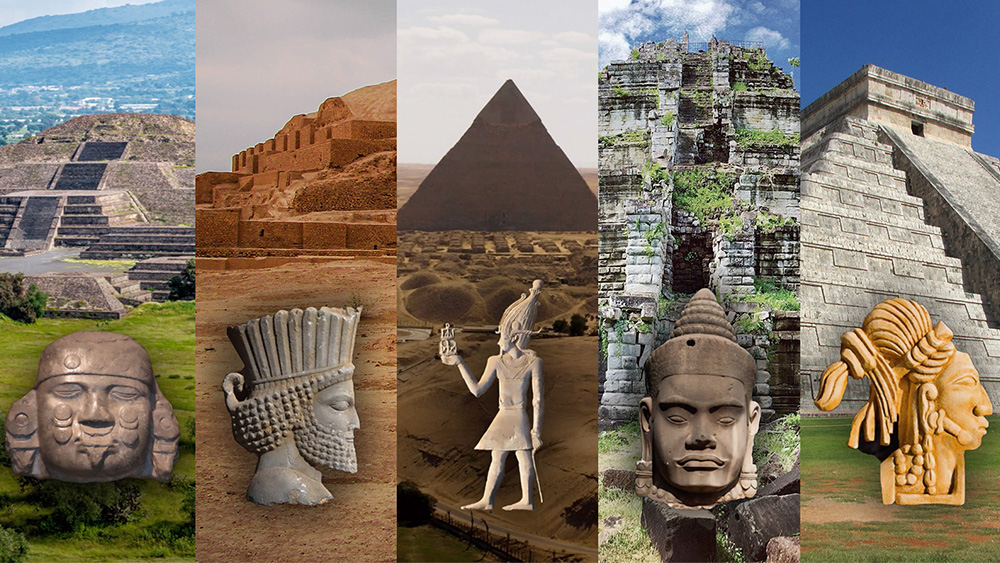
Ancient Civilizations
* Ancient Egypt: Coloring pyramids, pharaohs, hieroglyphics, and scenes from Egyptian mythology. Learning about the significance of colors in Egyptian art and culture.
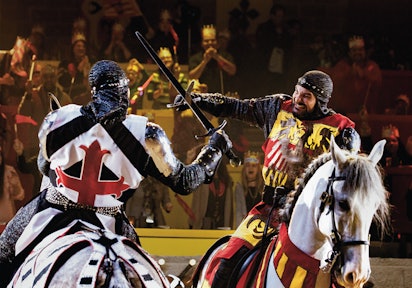
Medieval Times
* Castles and Knights: Coloring castles, knights in armor, medieval weapons, and scenes from tournaments. Learning about feudalism, chivalry, and medieval warfare.
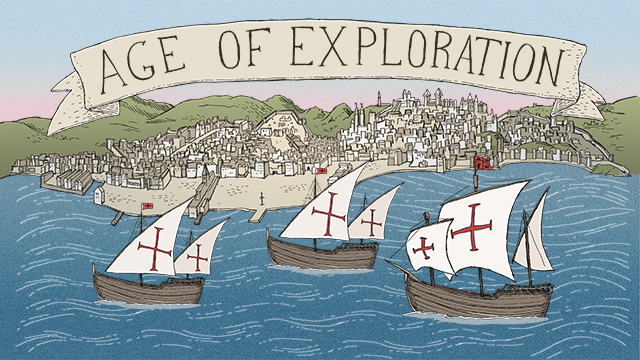
The Age of Exploration
* Explorers and Ships: Coloring ships like the Santa Maria, portraits of explorers like Christopher Columbus and Ferdinand Magellan, and maps of newly discovered lands. Understanding the motivations and consequences of European exploration.
Modern History
* The American Revolution: Coloring scenes from the American Revolution, portraits of founding fathers, and maps of the thirteen colonies. Understanding the causes and consequences of the American Revolution.
Making History Come Alive: Creative Ideas and Activities
Here are some creative ways to incorporate coloring activities into history lessons:
Tools and Resources for Historical Coloring Adventures
Numerous resources are available to help you incorporate coloring activities into your history lessons:
External Link Suggestion: Link to the Smithsonian National Museum of Natural History’s website (naturalhistory.si.edu) for examples of museum-related coloring activities.
Tips for Maximizing the Educational Value of Coloring Activities
To ensure that coloring activities are not just fun but also educational, consider these tips:
Internal Link Suggestion: Link to another relevant article on your website about visual learning strategies. Use the anchor text “visual learning strategies”.
Addressing Common Concerns about Using Coloring in Education
Some educators may be skeptical about using coloring activities in the classroom, believing that they are too simplistic or time-consuming. Here are some common concerns and how to address them:
The Future of History Education: A Colorful Perspective
As educators continue to explore innovative ways to engage students and make learning more effective, coloring activities are poised to play an increasingly important role in history education. By harnessing the power of visual learning, creative expression, and hands-on engagement, coloring can transform history from a dry subject into a vibrant and captivating adventure.
Call to Action: Download our free set of historical coloring pages and start exploring the past in a whole new way! Sign up for our newsletter for more educational resources and activities.
Conclusion: Coloring Your Way to Historical Understanding
Incorporating coloring activities into history education offers a multitude of benefits, from enhanced memory retention and increased engagement to improved fine motor skills and reduced stress. By providing context, encouraging research, and promoting discussion, educators can maximize the educational value of coloring activities and help students develop a deeper understanding and appreciation of history. So, grab your crayons, pencils, or markers, and embark on a colorful journey through time! Remember: History doesn’t have to be black and white; it can be a vibrant and engaging experience for everyone.


0 Comments