
Unlock Emotional Intelligence: Feelings Coloring Pages, SEL Curriculum, and Mindfulness for Kids
Navigating the complex world of emotions can be challenging for children. As parents and educators, we strive to equip them with the tools they need to understand, express, and manage their feelings effectively. This article explores a holistic approach to fostering emotional intelligence in kids, combining the power of feelings coloring pages and printables, a comprehensive homeschool SEL (Social and Emotional Learning) curriculum, mindfulness practices, and calm learning activities. By integrating these resources, you can create a supportive and engaging environment where children can thrive emotionally and academically.
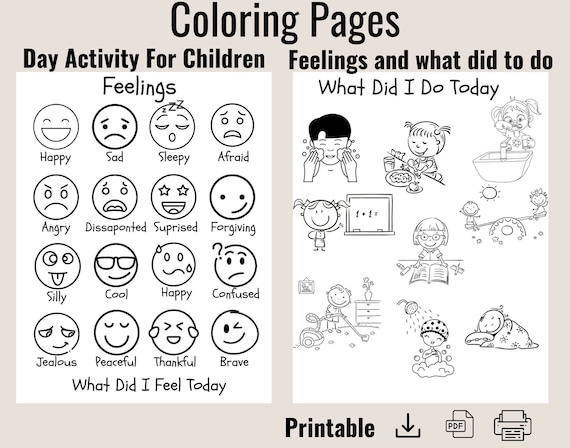
The Power of Visual Expression: Feelings Coloring Pages and Printables
Coloring isn’t just a fun pastime; it’s a powerful tool for emotional exploration. Feelings coloring pages and printables offer a unique avenue for children to connect with their emotions in a non-threatening and creative way.

Why Coloring Pages are Effective for Emotional Awareness
* Visual Representation: Coloring pages provide a visual representation of emotions, making abstract concepts more concrete and accessible for children.
- Non-Verbal Expression: For children who struggle to verbalize their feelings, coloring offers a non-verbal outlet for expression.
- Relaxation and Mindfulness: The repetitive nature of coloring can be calming and meditative, promoting relaxation and mindfulness. This allows children to focus on the present moment and connect with their inner feelings.
- Emotional Vocabulary: Coloring pages can be designed to depict various emotions, helping children expand their emotional vocabulary and recognize different feelings in themselves and others.
- Scenario-Based Pages: These pages depict children in different situations that evoke specific emotions, encouraging children to identify and understand the feelings associated with those scenarios.
- Body Scan Coloring Pages: These pages encourage children to identify where they feel certain emotions in their bodies.
- Mandala Coloring Pages: These intricate designs promote relaxation and mindfulness, allowing children to explore their emotions in a calm and centered state.
- Emotion Wheel Coloring Pages: These pages feature an emotion wheel that children can color in to represent the intensity of their feelings.
- Calm-Down Corner: Keep a supply of coloring pages in a designated calm-down corner for children to use when they are feeling overwhelmed or upset.
- Emotional Literacy Lessons: Incorporate coloring pages into lessons on emotions, using them as a springboard for discussions and activities.
- Creative Expression: Encourage children to create their own feelings coloring pages, allowing them to express their emotions in a personalized and unique way.
- Self-Management: Teaching children how to regulate their emotions, manage stress, control impulses, and persevere through challenges.
- Social Awareness: Fostering empathy, perspective-taking, and understanding of social norms and cultural differences.
- Relationship Skills: Developing communication, cooperation, conflict resolution, and teamwork skills.
- Responsible Decision-Making: Guiding children to make ethical and responsible choices based on consideration of consequences and respect for others.
- Literature Integration: Use children’s literature to explore different emotions, perspectives, and social situations.
- Role-Playing: Engage in role-playing activities to practice social skills and conflict resolution.
- Real-Life Application: Connect SEL concepts to real-life situations and encourage children to apply their skills in everyday interactions.
- Parent Modeling: Model positive social and emotional skills in your own interactions with your children and others.
- Comprehensive Coverage: Look for a curriculum that addresses all five core SEL competencies.
- Engaging Activities: Choose a curriculum that includes a variety of engaging activities, such as games, role-playing, and creative projects.
- Flexibility and Adaptability: Select a curriculum that can be easily adapted to your family’s needs and preferences.
- Evidence-Based Practices: Opt for a curriculum that is based on research and evidence-based practices.
- Stress Reduction: Mindfulness techniques can help children calm their minds and bodies, reducing stress and anxiety.
- Improved Focus and Concentration: Mindfulness practices can improve children’s ability to focus their attention and concentrate on tasks.
- Increased Self-Awareness: Mindfulness helps children become more aware of their thoughts, feelings, and bodily sensations.
- Enhanced Empathy: Mindfulness can foster empathy and compassion by helping children understand and connect with their own emotions and the emotions of others.
- Body Scan Meditations: Guide children through body scan meditations, encouraging them to pay attention to different parts of their bodies and notice any sensations they may be experiencing.
- Mindful Listening: Engage children in mindful listening activities, such as listening to nature sounds or music and paying attention to the details of the sounds.
- Mindful Walking: Take children on mindful walks, encouraging them to pay attention to their steps, the sensations in their bodies, and the sights and sounds around them.
- Gratitude Practices: Encourage children to practice gratitude by writing in a gratitude journal or sharing things they are grateful for each day.
- Incorporate Movement: Incorporate movement into mindfulness activities, such as yoga or stretching.
- Tell Stories: Use stories to illustrate mindfulness concepts and make them more relatable for children.
- Practice Regularly: Make mindfulness a regular part of your daily routine, even if it’s just for a few minutes each day.
- Be Patient: Remember that it takes time and practice to develop mindfulness skills. Be patient with your children and celebrate their progress along the way.
- Establish Routines: Establish consistent routines to provide children with a sense of predictability and security.
- Offer Choices: Provide children with choices whenever possible to give them a sense of control over their learning.
- Encourage Movement: Incorporate movement breaks into learning activities to help children release energy and improve focus.
- Provide Positive Reinforcement: Offer positive reinforcement and encouragement to motivate children and build their confidence.
- Reading Aloud: Read aloud to children in a calm and soothing voice to promote relaxation and literacy skills.
- Creative Arts: Engage children in creative arts activities, such as painting, drawing, or sculpting, to express their emotions and explore their creativity.
- Sensory Play: Provide children with sensory play materials, such as playdough, sand, or water, to stimulate their senses and promote relaxation.
- Quiet Time: Schedule regular quiet time for children to relax, read, or engage in other calming activities.
- SEL Lesson: Dedicate 30-45 minutes to an SEL lesson, incorporating activities from your chosen curriculum.
- Mindfulness Practice: Engage in a short mindfulness practice, such as a breathing exercise or body scan meditation.
- Calm Learning Activity: Incorporate a calm learning activity, such as reading aloud or engaging in sensory play.
- Throughout the Day: Encourage children to use feelings coloring pages, mindfulness techniques, and other strategies to manage their emotions and navigate challenging situations.
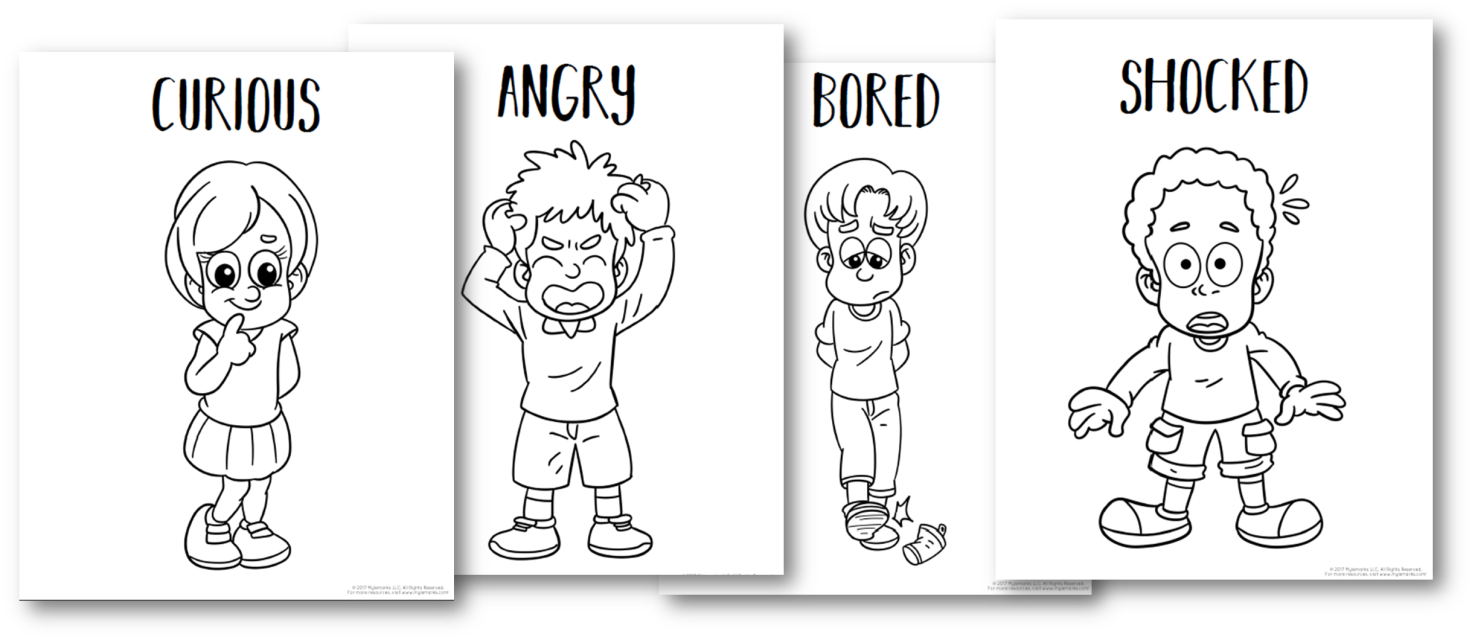
Types of Feelings Coloring Pages and Printables
* Emotion-Specific Pages: These pages focus on individual emotions, such as happiness, sadness, anger, fear, and excitement.

Integrating Feelings Coloring Pages into Daily Routines
* Morning Check-In: Start the day with a feelings coloring page to encourage children to reflect on their current emotional state.
Internal Link Suggestion: Link to a blog post on your website that provides free, downloadable feelings coloring pages and printables. Anchor text: “Download Free Feelings Coloring Pages”

Building a Foundation: Homeschool SEL Curriculum
A comprehensive homeschool SEL curriculum provides a structured framework for teaching children essential social and emotional skills. SEL encompasses five core competencies: self-awareness, self-management, social awareness, relationship skills, and responsible decision-making.
Key Components of an Effective Homeschool SEL Curriculum
* Self-Awareness: Helping children understand their emotions, strengths, weaknesses, values, and beliefs.
Integrating SEL into Homeschooling
* Dedicated SEL Time: Schedule dedicated time each day or week for SEL activities and discussions.
Choosing the Right Homeschool SEL Curriculum
* Age Appropriateness: Select a curriculum that is tailored to the age and developmental level of your children.
Internal Link Suggestion: Link to a page on your website that offers a review or comparison of different homeschool SEL curriculums. Anchor text: “Homeschool SEL Curriculum Reviews”
Cultivating Inner Peace: Mindfulness for Kids
Mindfulness for kids involves teaching children how to pay attention to the present moment without judgment. This practice can help children manage their emotions, reduce stress, and improve their focus and concentration.
Benefits of Mindfulness for Children
* Emotional Regulation: Mindfulness helps children become more aware of their emotions and develop strategies for managing them effectively.
Mindfulness Activities for Kids
* Breathing Exercises: Teach children simple breathing exercises, such as belly breathing or square breathing, to help them calm down and focus.
Making Mindfulness Fun and Engaging
* Use Visual Aids: Use visual aids, such as breathing balls or glitter jars, to help children visualize and understand mindfulness concepts.
External Link Suggestion: Link to a reputable website that provides guided meditations for children. Anchor text: “Guided Meditations for Kids”
Creating a Nurturing Environment: Calm Learning Activities
Creating a calm and supportive learning environment is essential for fostering emotional well-being and academic success. Calm learning activities can help children relax, focus, and engage in learning more effectively.
Strategies for Creating a Calm Learning Environment
* Minimize Distractions: Reduce distractions by creating a designated learning space that is free from clutter and noise.
Calm Learning Activities
* Nature Walks: Take children on nature walks to explore the natural world and connect with the environment.
Internal Link Suggestion: Link to a page on your website that offers a list of calm learning activities for different age groups. Anchor text: “Calm Learning Activity Ideas”
Integrating All the Elements: A Holistic Approach
The most effective approach to fostering emotional intelligence in children involves integrating all the elements discussed above: feelings coloring pages and printables, a comprehensive homeschool SEL curriculum, mindfulness practices, and calm learning activities.
Sample Daily Schedule
* Morning Check-In: Start the day with a feelings coloring page and a brief discussion about emotions.
The Long-Term Benefits
By consistently implementing these strategies, you can help children develop the emotional intelligence skills they need to thrive in all areas of their lives. These skills will not only benefit them academically but also help them build strong relationships, make responsible decisions, and lead fulfilling lives.
Conclusion: Empowering Children Through Emotional Intelligence
Fostering emotional intelligence in children is an ongoing journey that requires patience, dedication, and a holistic approach. By integrating feelings coloring pages, a comprehensive homeschool SEL curriculum, mindfulness practices, and calm learning activities, you can create a supportive and engaging environment where children can learn to understand, express, and manage their emotions effectively. Start today and empower your children to become emotionally intelligent individuals who are well-equipped to navigate the challenges and opportunities of life. Download a feelings coloring page, explore a new mindfulness activity, or research a homeschool SEL curriculum. The journey to emotional well-being starts with a single step.


0 Comments