
Unleash Imagination: Creative Writing Prompts for Elementary Homeschoolers
Creative writing is a fantastic way to foster imagination, boost vocabulary, and improve communication skills in elementary-aged homeschoolers. It allows children to explore their thoughts and feelings, develop their unique voice, and learn to express themselves effectively. However, sometimes the hardest part is simply getting started. That’s where creative writing prompts come in! These prompts serve as a springboard, providing a starting point to ignite creativity and inspire young writers to put pen to paper (or fingers to keyboard).
This article is packed with engaging and age-appropriate creative writing prompts specifically designed for elementary homeschoolers. We’ll explore different types of prompts, tips for making writing fun, and how to incorporate creative writing into your homeschooling curriculum. Get ready to unlock your child’s inner storyteller!

Why Creative Writing is Essential for Elementary Homeschoolers
Before we dive into the prompts, let’s understand why creative writing is so beneficial for young learners:
- Boosts Imagination and Creativity: Creative writing encourages children to think outside the box, invent new worlds, and develop unique characters. It’s a powerful tool for stimulating their imagination and fostering innovative thinking.
- Enhances Vocabulary and Language Skills: As children write, they naturally expand their vocabulary and learn to use language more effectively. They explore different sentence structures, experiment with descriptive words, and develop a deeper understanding of grammar and punctuation.
- Improves Communication Skills: Creative writing helps children learn to express their thoughts and ideas clearly and concisely. They develop their ability to communicate effectively through the written word, a skill that is essential for success in all areas of life.
- Develops Critical Thinking Skills: Many creative writing prompts require children to think critically about characters, plot, and setting. They learn to analyze situations, make decisions, and solve problems through their writing.
- Fosters Self-Expression and Emotional Intelligence: Creative writing provides a safe and supportive outlet for children to explore their emotions and express themselves authentically. It helps them develop self-awareness, empathy, and emotional intelligence.
- Makes Learning Fun and Engaging: When writing is enjoyable, children are more likely to be motivated to learn and improve their skills. Creative writing can transform learning into a fun and engaging activity that sparks their curiosity and enthusiasm.
- Story Starters: These prompts provide the opening line or paragraph of a story, and the child must continue the narrative.
- Character Prompts: These prompts focus on a specific character, asking the child to describe their personality, appearance, or backstory.
- Setting Prompts: These prompts describe a particular setting, and the child must write a story that takes place there.
- “What If?” Prompts: These prompts pose a hypothetical situation, and the child must explore the possible consequences.
- Object Prompts: These prompts focus on a specific object, and the child must write a story about its history, purpose, or significance.
- Image Prompts: These prompts use a picture as inspiration for a story, poem, or descriptive piece.
- Poetry Prompts: These prompts encourage children to explore different poetic forms and techniques.
- “I opened the door to my treehouse and found a…”
- “Once upon a time, in a land far, far away, there lived a…”
- “It all started when I found a mysterious map hidden in…”
- “The spaceship landed in my backyard, and out walked a…”
- “I woke up one morning and discovered I could fly…”
- “The old, dusty book whispered a secret…”
- “As I walked through the forest, I stumbled upon a hidden…”
- “The snow began to glow with an unusual light…”
- “The class pet escaped, and chaos ensued…”
- Create a character who lives in a world made of candy. What is their name? What do they eat? What are their biggest challenges?
- Describe a friendly monster who is afraid of the dark. How do they overcome their fear?
- Imagine a talking animal who becomes a detective. What kind of cases do they solve? What are their detective skills?
- Create a character who is a master inventor. What is their latest invention? What problem does it solve?
- Describe a character who is a time traveler. Where do they travel to? What do they see?
- Imagine a character who lives in a library. What is their favorite book? What adventures do they have?
- Create a character who is a famous explorer. Where have they traveled? What discoveries have they made?
- Describe a character who is a professional athlete. What sport do they play? What are their goals?
- Imagine a character who is a talented musician. What instrument do they play? What kind of music do they create?
- Imagine a city floating in the clouds. What are the buildings like? How do people travel?
- Describe a hidden underwater kingdom ruled by a wise and benevolent sea creature.
- Imagine a planet made entirely of ice and snow. What creatures live there? How do they survive?
- Describe a bustling marketplace in a faraway land. What goods are sold? What languages are spoken?
- Imagine a school for superheroes. What classes do they take? What challenges do they face?
- Describe a haunted house with creaking floors, cobwebs, and mysterious noises.
- Imagine a space station orbiting a distant planet. What kind of research is conducted there?
- Describe a peaceful farm with rolling hills, grazing animals, and a cozy farmhouse.
- Imagine a secret laboratory where scientists are working on groundbreaking inventions.
- What if you woke up one morning with superpowers? What would you do with them?
- What if you could travel back in time? Where would you go? What would you change?
- What if you found a magic lamp with a genie inside? What three wishes would you make?
- What if you could live in any book you wanted? Which book would you choose?
- What if you could invent anything you wanted? What would you create?
- What if you could have any animal as a pet? Which animal would you choose?
- What if you could visit any planet in the solar system? Which planet would you visit?
- What if you could have any job in the world? What job would you choose?
- What if you could change one thing about the world? What would you change?
- Imagine a magic key that can unlock any door. Where does it lead?
- Describe a mysterious box that you find in your attic. What’s inside?
- Write a story about a talking compass that can guide you to hidden treasures.
- Imagine a pair of glasses that allows you to see the future. What do you see?
- Describe a musical instrument that has the power to heal people with its music.
- Write a story about a magical paintbrush that can bring paintings to life.
- Imagine a time machine disguised as an ordinary clock. Where does it take you?
- Describe a book that can predict the future. What secrets does it reveal?
- Write a story about a pair of shoes that can fly. Where do they take you?
- A whimsical illustration of a fairy garden.
- A photograph of a majestic mountain range.
- A colorful painting of a bustling city street.
- A black and white photo of a vintage train station.
- An abstract image with interesting shapes and colors.
- A close-up photo of a fascinating insect.
- A picture of a group of children playing in a park.
- An image of a futuristic cityscape.
- A photograph of a serene beach at sunset.
- A picture of a historical event or figure.
- Write an acrostic poem using your name.
- Write a limerick about a silly animal.
- Write a free verse poem about your favorite color.
- Write a rhyming poem about friendship.
- Write a poem using personification to describe an object.
- Write a poem that tells a story.
- Write a poem using alliteration to create a sound effect.
- Write a poem about a dream you had.
- Write a poem about something you are grateful for.
- Provide a Variety of Writing Tools: Offer a range of writing tools, such as colorful pens, markers, pencils, and different types of paper. Let your child choose the tools that inspire them most.
- Encourage Experimentation and Playfulness: Let your child experiment with different writing styles and techniques. Encourage them to be playful and have fun with their writing.
- Focus on the Process, Not the Product: Emphasize the importance of the writing process rather than the final product. Encourage your child to enjoy the journey of creating a story or poem.
- Offer Positive Feedback and Encouragement: Provide specific and positive feedback on your child’s writing. Highlight their strengths and offer suggestions for improvement in a supportive and encouraging way.
- Read Aloud Together: Reading aloud exposes children to a wide range of writing styles and genres. It can also inspire them with new ideas and vocabulary.
- Share Your Own Writing: Share your own writing with your child to show them that writing is a lifelong skill that can be enjoyed by people of all ages.
- Turn Writing into a Game: Make writing fun by turning it into a game. Try writing prompts as a family, or create a story together, each person adding a sentence or paragraph at a time.
- Celebrate Successes: Celebrate your child’s writing successes, no matter how small. Display their work proudly, or share it with family and friends.
- Use Writing as a Supplement to Other Subjects: Integrate writing into other subjects, such as history, science, and literature. For example, have your child write a story about a historical event or a poem about a scientific concept.
- Create a Writing Portfolio: Encourage your child to keep a writing portfolio of their best work. This can be a great way to track their progress and celebrate their achievements.
- Participate in Writing Contests and Challenges: Consider entering your child’s writing in local or national writing contests and challenges. This can be a great way to motivate them and give them a sense of accomplishment.
- Join a Writing Group: If possible, consider joining a writing group or online forum where your child can share their work with other young writers and receive feedback.
- Anchor Text: homeschooling curriculum
- Link to: A relevant article on your website about building a homeschool curriculum.
- Anchor Text: vocabulary
- Link to: An article on your website about vocabulary building activities for kids.
- Anchor Text: reading aloud
- Link to: An article on your website about the benefits of reading aloud to children.
- Link to: https://www.timeforkids.com/ (Time for Kids)
- Anchor Text: Current events (as a source for prompt inspiration)
- Link Attribute:
rel="noopener nofollow" - Link to: https://www.poetryfoundation.org/ (Poetry Foundation)
- Anchor Text: Poetry resources
- Link Attribute:
rel="noopener nofollow" - Suggest sharing snippets:
- “Unleash your child’s imagination with these creative writing prompts for elementary homeschoolers!”
- “Creative writing is essential for developing vocabulary, communication, and critical thinking skills in young learners. Check out these fun prompts!”
- “Make writing fun and engaging for your homeschooler with these helpful tips and creative writing prompts!”
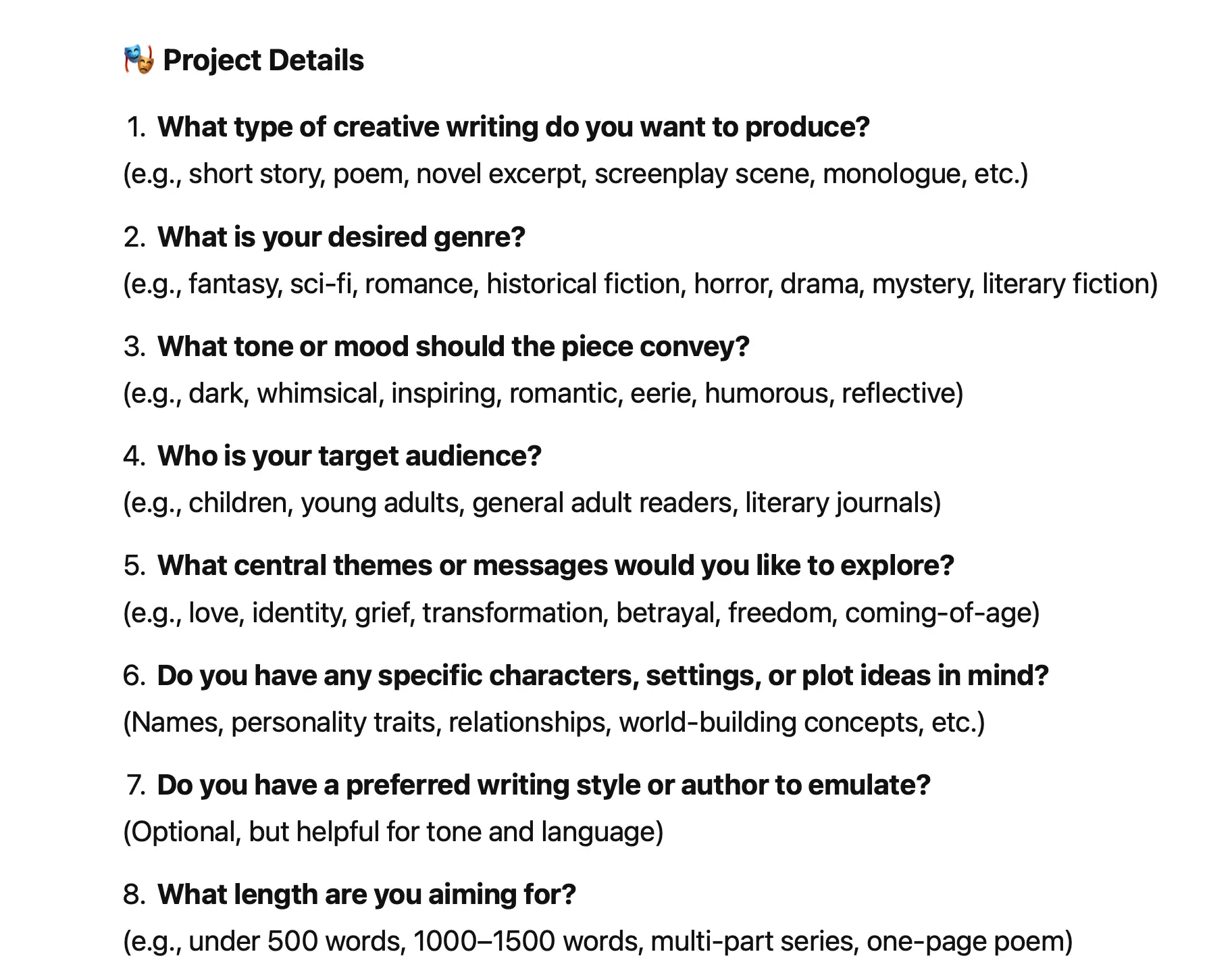
Types of Creative Writing Prompts
To keep things interesting, it’s helpful to use a variety of different types of prompts. Here are some popular categories:
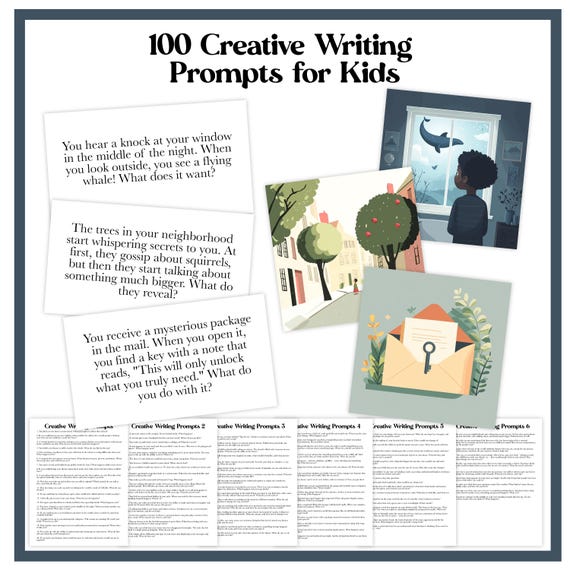
Engaging Creative Writing Prompts for Elementary Homeschoolers
Now, let’s get to the heart of the matter! Here’s a comprehensive list of creative writing prompts categorized by type, perfect for elementary-aged children:
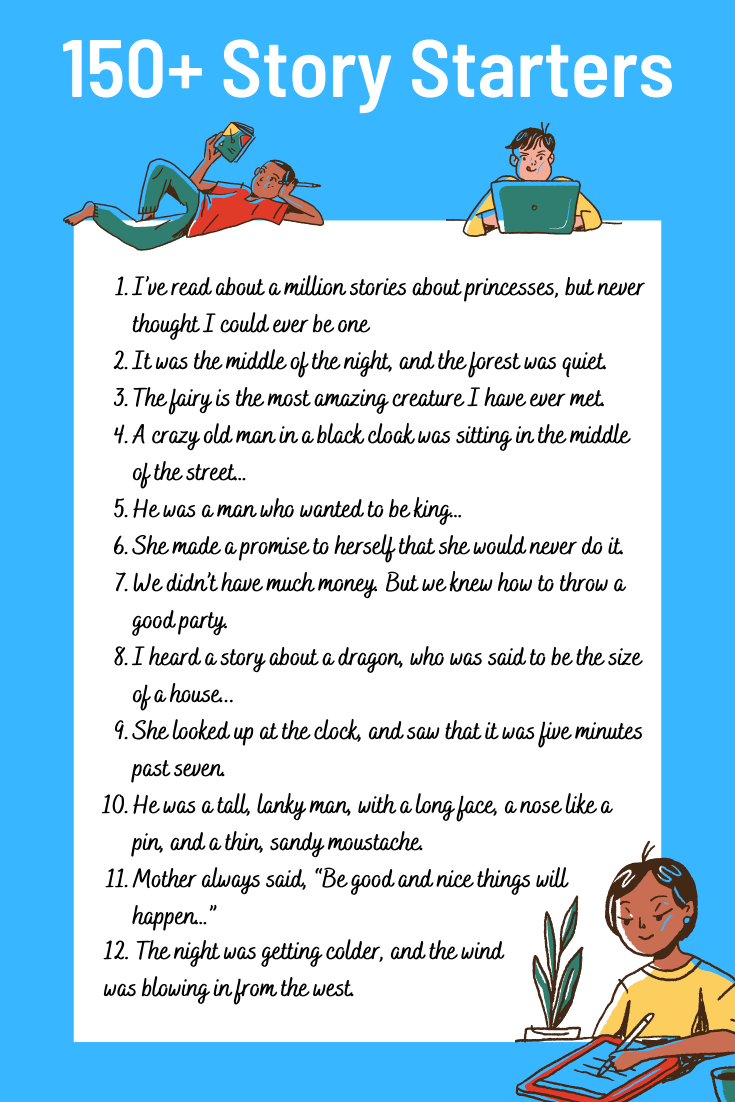
Story Starters
1. “The day the animals started talking, began like any other…”
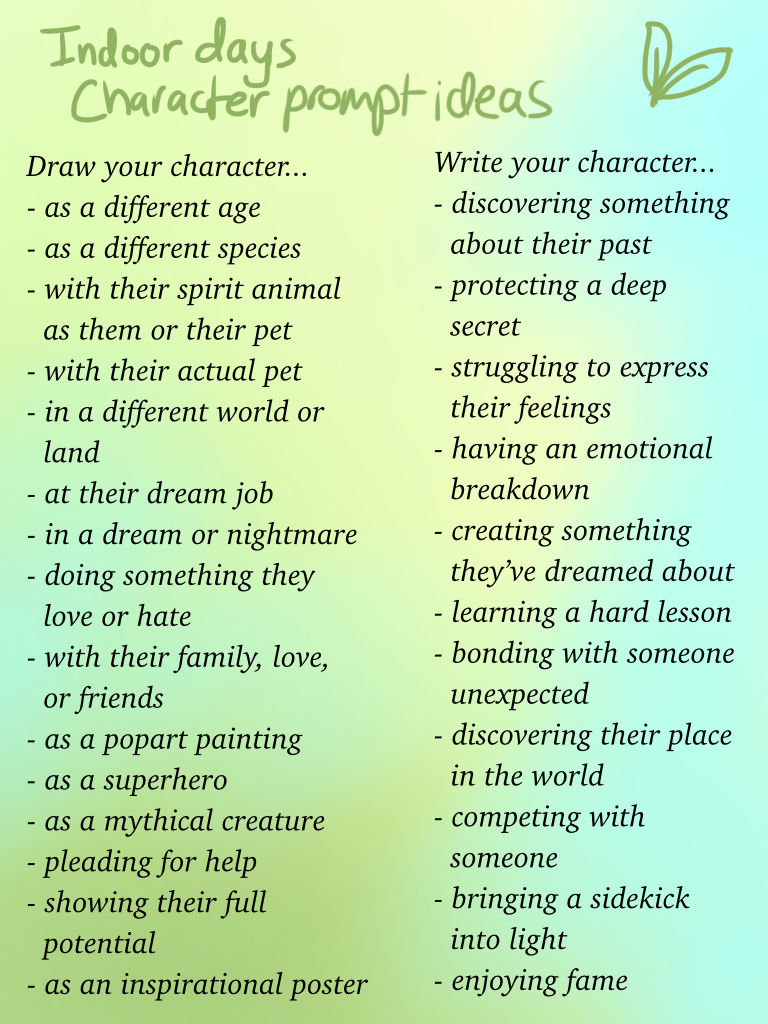
Character Prompts
1. Imagine a superhero whose superpower is kindness. Describe their costume, their secret identity, and how they use their power to help others.
Setting Prompts
1. Describe a magical forest where the trees whisper secrets and the flowers glow in the dark.
“What If?” Prompts
1. What if animals could talk? What would they say? How would it change the world?
Object Prompts
1. Write a story about an old, worn-out teddy bear that has been loved for many years.
Image Prompts
(Find interesting and engaging images online or in books. Here are some ideas for types of images to use)
Poetry Prompts
1. Write a haiku about your favorite season.
Tips for Making Creative Writing Fun
* Create a Comfortable and Inspiring Writing Space: Designate a special area where your child can write without distractions. Make it cozy and inviting with comfortable seating, good lighting, and inspiring decorations.
Incorporating Creative Writing into Your Homeschool Curriculum
* Set Aside Dedicated Writing Time: Schedule regular writing time into your homeschool routine. Even just 15-30 minutes a day can make a big difference.
Conclusion
Creative writing is a valuable skill that can benefit elementary homeschoolers in countless ways. By using engaging prompts, creating a supportive environment, and incorporating writing into your curriculum, you can help your child unlock their inner storyteller and develop a lifelong love of writing. So, grab a pen and paper, and let the creative adventures begin! Remember, the most important thing is to have fun and encourage your child to express themselves freely and authentically.
Internal Linking Suggestions:
External Linking Suggestions:
Social Sharing Optimization:


0 Comments