
Unlock Your Potential: A Nurturing Guide to Lifelong Learning
Learning is a journey, not a destination. It’s a path filled with exciting discoveries, new perspectives, and the incredible satisfaction of expanding your knowledge and skills. But sometimes, the prospect of learning can feel daunting. That’s why we’re here to guide you with a nurturing and educational approach, making the process enjoyable and empowering. Let’s embark on this adventure together, exploring how to cultivate a love for learning that lasts a lifetime.
Think of this article as your friendly companion, offering tips, strategies, and encouragement as you navigate the world of education. We’ll break down complex ideas into manageable steps, providing practical advice that you can implement right away. Whether you’re a student, a professional, or simply someone who’s curious about the world, this guide is designed to help you unlock your full potential.
So, let’s dive in and discover the joy of lifelong learning!
Creating a Positive Learning Environment
The first step towards fostering a love for learning is to create an environment that supports and encourages your growth. This involves both your physical surroundings and your mindset. Let’s explore how to set the stage for a successful learning journey.

Designing Your Physical Space for Optimal Learning
Your physical environment plays a crucial role in your ability to focus and retain information. A cluttered and distracting space can hinder your progress, while a well-organized and comfortable area can enhance your learning experience.
- Find a dedicated learning area: Choose a quiet space where you can concentrate without interruptions. This could be a home office, a corner of your bedroom, or even a local library.
- Minimize distractions: Remove anything that might divert your attention, such as your phone, television, or social media notifications. Consider using website blockers or noise-canceling headphones to further reduce distractions.
- Optimize lighting and temperature: Ensure that your learning area is well-lit and at a comfortable temperature. Natural light is ideal, but if that’s not possible, use a bright, full-spectrum lamp.
- Organize your materials: Keep your books, notes, and other learning materials organized and easily accessible. This will save you time and reduce stress when you need to find something.
- Personalize your space: Add elements that inspire and motivate you, such as plants, artwork, or inspirational quotes. Creating a space that you enjoy being in will make learning more appealing.
- Embrace challenges: View challenges as opportunities for growth, rather than obstacles to be avoided. When you encounter a difficult concept, remind yourself that struggling is a natural part of the learning process.
- Believe in your potential: Recognize that your abilities are not fixed. With effort and practice, you can improve your skills and expand your knowledge.
- Learn from mistakes: Don’t be afraid to make mistakes. They are valuable learning experiences that can help you identify areas for improvement. Instead of dwelling on your errors, analyze what went wrong and how you can avoid making the same mistake in the future.
- Value the process over the outcome: Focus on the journey of learning, rather than solely on the end result. Enjoy the process of discovering new things and developing your skills.
- Seek feedback: Ask for feedback from teachers, mentors, or peers. Constructive criticism can help you identify areas where you can improve and provide valuable insights into your learning process.
- Practice active recall: After reading a chapter or attending a lecture, try to recall the key concepts without looking at your notes. Write down everything you can remember, and then check your notes to fill in any gaps.
- Use flashcards: Flashcards are a great way to practice active recall. Write a question or concept on one side of the card and the answer on the other side. Test yourself regularly, focusing on the cards that you struggle with.
- Implement spaced repetition: Use a spaced repetition system (SRS) like Anki to schedule your reviews. These systems automatically adjust the intervals between reviews based on your performance, ensuring that you review information just before you forget it.
- Teach someone else: Explaining a concept to someone else is a powerful way to reinforce your understanding. If you can teach it, you truly understand it.
- Take practice tests: Practice tests simulate the actual testing environment, helping you identify areas where you need to focus your studies. They also provide valuable feedback on your progress.
- Use the Cornell note-taking system: Divide your paper into three sections: notes, cues, and summary. Take notes in the main section during lectures or while reading. After the lecture or reading, write key words or questions in the cues section. Finally, summarize the main points in the summary section.
- Create mind maps: Start with a central idea in the middle of your paper and branch out with related concepts. Use colors, images, and symbols to make your mind map visually appealing and memorable.
- Use abbreviations and symbols: Develop your own shorthand to take notes more quickly. Use symbols to represent common concepts or ideas.
- Review your notes regularly: Review your notes within 24 hours of taking them to reinforce your understanding. Add any missing information or clarify any confusing points.
- Summarize key points: At the end of each lecture or reading session, summarize the key points in your own words. This will help you consolidate your understanding and identify any areas where you need to focus your studies.
- Set specific, measurable, achievable, relevant, and time-bound (SMART) goals: Instead of setting vague goals like “learn more,” set specific goals like “read one chapter of my textbook each day” or “complete one practice test each week.”
- Create a study schedule: Allocate specific times for studying each day or week. Stick to your schedule as much as possible, but be flexible enough to adjust it when necessary.
- Break down large tasks into smaller, more manageable steps: This will make the task seem less daunting and more achievable.
- Prioritize your tasks: Focus on the most important tasks first. Use a prioritization matrix or other time management tool to help you determine which tasks are most important.
- Take breaks: Regular breaks are essential for maintaining focus and preventing burnout. Take a short break every hour to stretch, walk around, or do something you enjoy.
- Explore platforms like Coursera, edX, and Khan Academy: These platforms offer courses from top universities and institutions around the world.
- Look for courses that align with your interests and goals: Choose courses that are relevant to your field of study or career aspirations.
- Take advantage of free resources: Many online learning platforms offer free courses, tutorials, and other learning materials.
- Engage with the online community: Participate in discussion forums and connect with other learners to share ideas and ask questions.
- Consider paid courses for more in-depth learning: Paid courses often offer more personalized feedback and support, as well as access to exclusive resources.
- Visit your local library: Libraries offer a wide range of books, magazines, and other resources, as well as access to computers and the internet.
- Attend workshops and events: Libraries and community centers often host workshops and events on a variety of topics.
- Join a study group: Connect with other learners to share ideas and support each other.
- Volunteer your time: Volunteering can be a great way to learn new skills and give back to your community.
- Take advantage of free tutoring services: Many libraries and community centers offer free tutoring services for students of all ages.
- Seek out mentors who have experience in your field of interest: Mentors can provide valuable advice, feedback, and support as you pursue your goals.
- Attend industry events and conferences: These events offer opportunities to network with experts and learn about the latest trends in your field.
- Join professional organizations: Professional organizations offer opportunities to connect with other professionals in your field and access resources and training.
- Reach out to experts on social media: Many experts are active on social media and are willing to share their knowledge and insights.
- Ask for informational interviews: Informational interviews are a great way to learn about different careers and get advice from professionals in your field.
- Identify the root cause of your procrastination: Are you afraid of failure? Do you find the task boring or overwhelming? Once you identify the root cause, you can develop strategies to address it.
- Break down large tasks into smaller, more manageable steps: This will make the task seem less daunting and more achievable.
- Reward yourself for completing tasks: Give yourself a small reward for completing each task. This will help you stay motivated and on track.
- Find an accountability partner: Ask a friend, family member, or colleague to hold you accountable for your goals.
- Create a positive learning environment: As discussed earlier, creating a comfortable and distraction-free environment can help you stay focused and motivated.
- Talk to your teacher or professor: They can provide additional explanations or recommend additional resources.
- Join a study group: Studying with others can help you understand concepts that you’re struggling with.
- Seek tutoring services: Tutors can provide personalized instruction and support.
- Use online resources: Many websites and online learning platforms offer tutorials and explanations on a variety of topics.
- Consider getting tested for learning disabilities: If you suspect that you may have a learning disability, talk to your doctor or a school counselor.
- Prioritize your time: Determine which commitments are most important and allocate your time accordingly.
- Create a schedule: Schedule specific times for learning and stick to your schedule as much as possible.
- Be realistic about what you can accomplish: Don’t try to do too much at once.
- Learn to say no: It’s okay to say no to commitments that are not essential.
- Take care of yourself: Make sure you’re getting enough sleep, eating healthy, and exercising regularly.
- Track your progress: Keep a journal or use a tracking app to monitor your progress.
- Reward yourself for achieving your goals: Give yourself a small reward for reaching each milestone.
- Share your successes with others: Share your accomplishments with friends, family, or colleagues.
- Reflect on your learning journey: Take time to reflect on what you’ve learned and how you’ve grown.
- Continue to set new goals: Learning is a lifelong journey. Continue to set new goals and challenge yourself to grow.
Think of your learning space as your personal sanctuary for growth. By creating a comfortable and distraction-free environment, you’re setting yourself up for success.

Cultivating a Growth Mindset
Your mindset is just as important as your physical environment. A growth mindset, the belief that your abilities and intelligence can be developed through dedication and hard work, is essential for embracing challenges and persevering through setbacks.
Key Takeaway: A growth mindset is the foundation for lifelong learning. By embracing challenges, believing in your potential, and learning from mistakes, you can unlock your full potential and achieve your goals.
Effective Learning Strategies
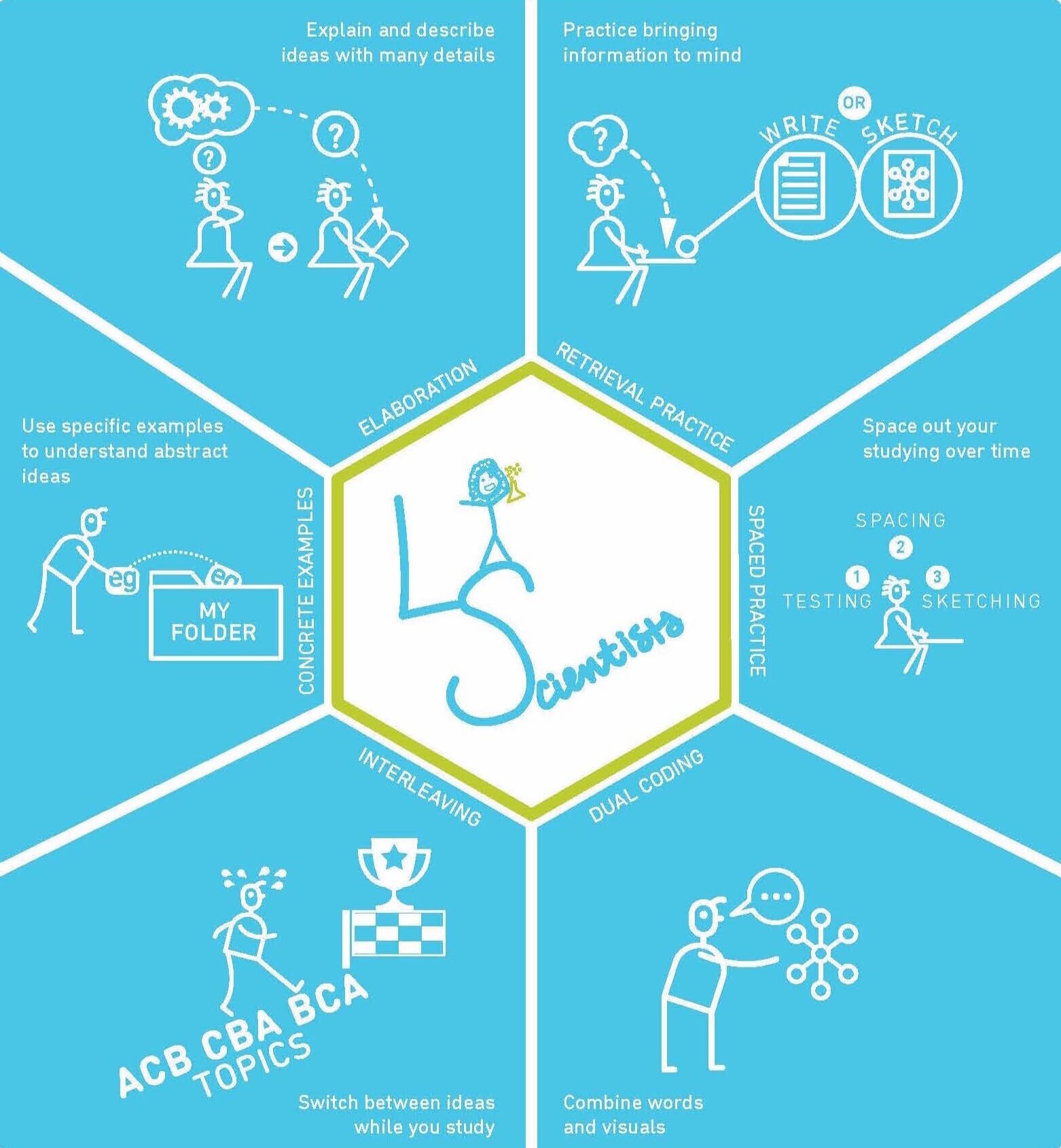
Now that you’ve created a positive learning environment, let’s explore some effective learning strategies that can help you maximize your learning potential.
Active Recall and Spaced Repetition
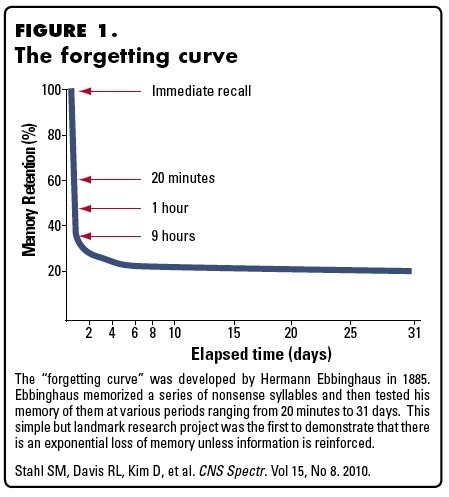
Active recall involves actively retrieving information from your memory, rather than passively rereading or reviewing notes. Spaced repetition involves reviewing information at increasing intervals over time. These two techniques, when combined, can significantly enhance your long-term retention.
Example: Imagine you’re learning about the American Civil War. Instead of just re-reading your textbook, try to recall the major causes of the war, the key battles, and the important figures involved. Write down everything you can remember, and then check your textbook to see what you missed. Use flashcards to quiz yourself on important dates and events, and schedule regular reviews using a spaced repetition system.
Mind Mapping and Note-Taking Techniques
Effective note-taking is crucial for capturing and organizing information. Mind mapping is a visual note-taking technique that can help you see the connections between different concepts.
Internal Link Suggestion: Link to another article on your website about “Advanced Note-Taking Strategies” using the anchor text “note-taking techniques.”
Time Management and Goal Setting
Effective time management and goal setting are essential for staying on track and achieving your learning objectives.
External Link Suggestion: Link to a relevant article on a reputable website like “MindTools” about “Time Management Techniques” using the anchor text “time management.”
Finding the Right Resources
With so many resources available, it can be overwhelming to know where to start. Here’s a guide to finding the right resources to support your learning journey.
Utilizing Online Learning Platforms
Online learning platforms offer a wealth of courses, tutorials, and other learning materials.
Example: If you’re interested in learning about data science, you could explore courses on Coursera or edX offered by universities like Stanford or MIT. Many of these courses offer free audit options, allowing you to access the course materials without paying for a certificate.
Leveraging Libraries and Community Resources
Libraries and community centers offer a variety of resources to support your learning journey.
Key Takeaway: Libraries and community centers are valuable resources for lifelong learning. Take advantage of the many free resources they offer to support your learning journey.
Connecting with Mentors and Experts
Connecting with mentors and experts can provide valuable guidance and support.
Internal Link Suggestion: Link to another article on your website about “Finding and Connecting with a Mentor” using the anchor text “mentors and experts.”
Overcoming Learning Challenges
Learning is not always easy. You may encounter challenges along the way, such as lack of motivation, difficulty understanding certain concepts, or time constraints. Here are some tips for overcoming these challenges.
Dealing with Procrastination and Lack of Motivation
Procrastination and lack of motivation can be significant obstacles to learning.
Example: If you’re procrastinating on writing a research paper, break it down into smaller tasks, such as researching the topic, creating an outline, writing the introduction, writing the body paragraphs, and writing the conclusion. Reward yourself after completing each task, and ask a friend to check in on your progress.
Addressing Learning Difficulties
If you’re struggling to understand certain concepts, don’t be afraid to seek help.
Key Takeaway: Don’t be afraid to seek help if you’re struggling with learning difficulties. There are many resources available to support you.
Balancing Learning with Other Commitments
Balancing learning with other commitments, such as work, family, and social activities, can be challenging.
External Link Suggestion: Link to a helpful article on “stress management” from a reputable health website like the Mayo Clinic, using the anchor text “take care of yourself.”
Celebrating Your Successes
Finally, remember to celebrate your successes along the way. Learning is a journey, and it’s important to acknowledge and appreciate your progress.
Example: After completing a difficult course, treat yourself to a special dinner or a weekend getaway. Share your accomplishment with your friends and family, and take time to reflect on what you’ve learned and how you’ve grown.
Conclusion: Embrace the Joy of Lifelong Learning
Learning is a powerful tool that can unlock your potential and enrich your life. By creating a positive learning environment, utilizing effective learning strategies, finding the right resources, overcoming learning challenges, and celebrating your successes, you can cultivate a love for learning that lasts a lifetime. Remember, the journey of learning is just as important as the destination. Embrace the challenges, celebrate the successes, and never stop exploring the world around you.
We hope this nurturing guide has provided you with the tools and encouragement you need to embark on your own lifelong learning adventure. So go forth, explore, and discover the joy of unlocking your full potential!
Call to Action: Sign up for our newsletter to receive more tips and resources on lifelong learning! [Link to Newsletter Signup]


0 Comments