
Unlock Your Potential: A Friendly Guide to Lifelong Learning and Growth
Learning isn’t just for school; it’s a lifelong adventure! This article is your friendly guide to embracing education and personal growth at any age. We’ll explore practical strategies, inspiring stories, and simple shifts in mindset that can help you unlock your full potential and live a more fulfilling life. Get ready to embark on a journey of discovery and transformation!
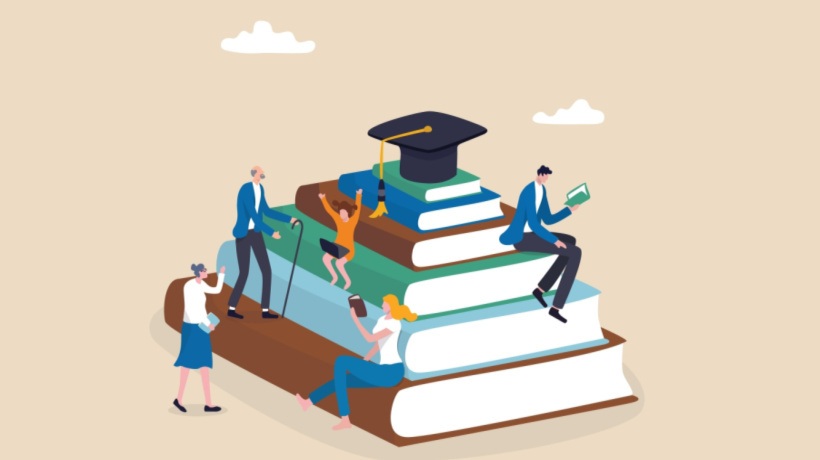
Why Embrace Lifelong Learning?
Think of your mind as a garden. Without tending to it, it can become overgrown with weeds and unproductive. Lifelong learning is like cultivating that garden, planting new seeds of knowledge, and nurturing them to blossom. It’s about actively seeking opportunities to expand your understanding, develop new skills, and challenge your perspectives.
Here’s why lifelong learning is so important:
- Keeps Your Mind Sharp: Just like physical exercise strengthens your body, mental exercise keeps your mind agile and alert. Learning new things can improve memory, focus, and cognitive function.
- Boosts Creativity and Innovation: Exposure to new ideas and perspectives sparks creativity. When you learn, you connect different concepts and find innovative solutions to problems.
- Expands Your Opportunities: New skills open doors to new career paths, hobbies, and experiences. Lifelong learning empowers you to adapt to change and pursue your passions.
- Increases Confidence and Self-Esteem: Mastering a new skill or understanding a complex topic can be incredibly rewarding. It builds confidence and a sense of accomplishment.
- Enriches Your Life: Learning isn’t just about acquiring knowledge; it’s about expanding your horizons and deepening your appreciation for the world around you. It makes life more interesting and meaningful.
- Set a Reading Goal: Aim to read a certain number of books per month or year.
- Join a Book Club: Discussing books with others can deepen your understanding and expose you to new viewpoints.
- Explore Different Formats: Don’t limit yourself to physical books. Try e-books, audiobooks, and online articles.
- Read Actively: Take notes, highlight key passages, and reflect on what you’re reading.
- Explore Platforms Like Coursera, edX, and Udemy: These platforms offer a wide range of courses on various subjects, often taught by experts from top universities.
- Utilize YouTube Tutorials: Learn practical skills like coding, cooking, or playing a musical instrument through free YouTube tutorials.
- Attend Webinars and Online Workshops: Many organizations and experts offer free or low-cost webinars on topics of interest.
- Focus on Practical Application: Don’t just passively watch or listen. Actively apply what you’re learning through projects and exercises.
- Explore Different Genres: Find podcasts and audiobooks on topics that interest you, such as history, science, business, or personal development.
- Subscribe to Relevant Podcasts: Stay up-to-date on the latest developments in your field or area of interest by subscribing to relevant podcasts.
- Take Notes: Jot down key takeaways and ideas while listening.
- Discuss with Others: Share what you’ve learned with friends, family, or colleagues.
- Use Language Learning Apps: Apps like Duolingo, Babbel, and Rosetta Stone make language learning fun and accessible.
- Watch Foreign Films and TV Shows: Immerse yourself in the language and culture by watching foreign films and TV shows with subtitles.
- Find a Language Partner: Practice speaking with a native speaker to improve your fluency.
- Travel to a Country Where the Language is Spoken: Immerse yourself in the culture and language by traveling to a country where the language is spoken.
- Explore Different Options: Try painting, knitting, gardening, woodworking, or any other hobby that sparks your interest.
- Join a Class or Workshop: Learn the basics of your chosen hobby from an experienced instructor.
- Connect with Others: Join a club or online community to share your passion with others.
- Don’t Be Afraid to Experiment: Try different techniques and approaches to find what works best for you.
- Visit Museums and Historical Sites: Learn about the history and culture of the places you visit.
- Try New Foods: Experience the local cuisine and learn about the ingredients and cooking techniques.
- Talk to Locals: Engage in conversations with locals to learn about their experiences and perspectives.
- Be Open-Minded and Respectful: Embrace the differences between your culture and the cultures you encounter.
- Find an Organization That Aligns with Your Values: Choose a cause that you’re passionate about and find an organization that supports it.
- Offer Your Skills and Expertise: Use your existing skills to help the organization, or learn new skills by taking on different roles.
- Network with Others: Connect with other volunteers and staff members to expand your network and learn from their experiences.
- Reflect on Your Experiences: Take time to reflect on what you’ve learned and how you’ve grown through your volunteer work.
- Analyze Your Mistakes: Identify what went wrong and why.
- Learn from Your Mistakes: Develop strategies to avoid making the same mistakes in the future.
- Don’t Give Up: Persistence is key to success. Keep trying, even when things get tough.
- Celebrate Your Progress: Acknowledge your accomplishments, no matter how small.
- Embrace Challenges: View challenges as opportunities to learn and grow.
- Persist Through Obstacles: Don’t give up easily. Keep trying, even when things get tough.
- See Effort as the Path to Mastery: Understand that effort and hard work are essential for achieving your goals.
- Learn from Criticism: View criticism as an opportunity to improve.
- Find Inspiration in the Success of Others: Be inspired by the success of others, rather than feeling threatened by it.
- Lack of Time: Schedule dedicated time for learning, even if it’s just for 15-30 minutes each day.
- Lack of Motivation: Find topics that genuinely interest you and set achievable goals.
- Fear of Failure: Embrace failure as a learning opportunity and focus on progress, not perfection.
- Lack of Resources: Utilize free online resources, libraries, and community centers.
- Feeling Overwhelmed: Break down large learning goals into smaller, more manageable steps.
- Vera Wang: Vera Wang didn’t start her career as a fashion designer until she was 40 years old. She had previously worked as a figure skater and journalist. She proves it’s never too late to pursue your passion.
- Laura Ingalls Wilder: Laura Ingalls Wilder published her first “Little House” book at age 65, drawing on her childhood experiences.
- Samuel L. Jackson: Samuel L. Jackson graduated from Morehouse College with a degree in dramatic arts at the age of 24, and he’s still acting today.
- Online Learning Platforms: Coursera, edX, Udemy, Khan Academy
- Libraries: Local libraries offer a wealth of resources, including books, magazines, online databases, and free workshops.
- Community Centers: Community centers offer a variety of classes and activities for adults, including fitness classes, art classes, and computer training.
- Museums and Cultural Institutions: Museums and cultural institutions offer educational programs and exhibits that can expand your knowledge and understanding of the world.
- Professional Organizations: Professional organizations offer training and development opportunities for members in specific fields.
- Set Realistic Goals: Start small and gradually increase your learning goals over time.
- Schedule Dedicated Time: Block out time in your calendar for learning, just like you would for any other important appointment.
- Find a Learning Buddy: Partner with a friend or colleague to support each other and stay accountable.
- Reward Yourself: Celebrate your progress and reward yourself for achieving your learning goals.
- Be Patient and Persistent: It takes time and effort to build a new habit. Don’t get discouraged if you slip up; just get back on track as soon as possible.
Let’s dive into some practical ways to make lifelong learning a part of your everyday life.

Simple Strategies for Incorporating Learning into Your Daily Routine
You don’t need to enroll in a formal course to be a lifelong learner. There are countless ways to incorporate learning into your daily routine, no matter how busy you are.

1. Read Widely and Regularly
Reading is one of the most accessible and effective ways to learn. Explore different genres, authors, and perspectives.
Internal Link Suggestion: For more tips on effective reading habits, link to an article on “How to Read More Effectively and Retain Information.”

2. Embrace Online Courses and Tutorials
The internet is a treasure trove of educational resources. Take advantage of online courses, tutorials, and webinars to learn new skills or deepen your knowledge in a specific area.
External Link Suggestion: Link to Coursera (coursera.org) as an example of a reputable online learning platform.

3. Listen to Podcasts and Audiobooks
Podcasts and audiobooks are a fantastic way to learn on the go. Listen during your commute, while exercising, or while doing chores.
Internal Link Suggestion: Link to an article on “The Best Podcasts for Personal Development and Growth.”
4. Learn a New Language
Learning a new language is a great way to challenge your brain, expand your cultural understanding, and open up new opportunities.
External Link Suggestion: Link to Duolingo (duolingo.com) as an example of a popular language learning app.
5. Take Up a New Hobby
Hobbies are a fantastic way to learn new skills, express your creativity, and have fun.
Internal Link Suggestion: Link to an article on “The Benefits of Hobbies for Mental Health and Well-being.”
6. Travel and Explore New Cultures
Traveling is a powerful way to learn about different cultures, perspectives, and ways of life.
External Link Suggestion: Link to UNESCO (unesco.org) as a resource for exploring World Heritage Sites.
7. Volunteer Your Time
Volunteering is a rewarding way to give back to your community while learning new skills and gaining valuable experience.
Internal Link Suggestion: Link to an article on “The Benefits of Volunteering for Personal and Professional Growth.”
8. Embrace Failure as a Learning Opportunity
Failure is an inevitable part of the learning process. Don’t be afraid to make mistakes; instead, view them as opportunities to learn and grow.
External Link Suggestion: Link to a relevant article on growth mindset and resilience.
Cultivating a Growth Mindset
A growth mindset is the belief that your abilities and intelligence can be developed through dedication and hard work. It’s the foundation for lifelong learning and personal growth.
Here’s how to cultivate a growth mindset:
Key Takeaway: Adopting a growth mindset is crucial for embracing lifelong learning and achieving your full potential.
Overcoming Common Barriers to Learning
It’s easy to get caught up in the demands of daily life and put learning on the back burner. Here are some common barriers to learning and how to overcome them:
Quotable Statement: “The only person who is educated is the one who has learned how to learn …and change.” – Carl Rogers
Inspiring Stories of Lifelong Learners
Here are a few inspiring stories of people who have embraced lifelong learning and achieved remarkable things:
These are just a few examples of the many people who have embraced lifelong learning and achieved remarkable things. Their stories demonstrate that it’s never too late to pursue your passions and unlock your potential.
Resources for Lifelong Learners
Here are some helpful resources to support your lifelong learning journey:
Internal Link Suggestion: Link to a comprehensive list of free online learning resources.
Making Learning a Habit
The key to lifelong learning is to make it a habit. Here are some tips for building a learning habit:
Call to Action: Sign up for our newsletter to receive weekly tips and resources on lifelong learning and personal growth!
Conclusion: Embrace the Journey
Lifelong learning is a journey, not a destination. It’s about continuously seeking new knowledge, developing new skills, and challenging your perspectives. By embracing a growth mindset and incorporating learning into your daily routine, you can unlock your full potential and live a more fulfilling life. So, take the first step today and embark on your own journey of discovery and transformation! Remember, learning is not just about acquiring knowledge; it’s about becoming the best version of yourself. Embrace the journey, and enjoy the ride!

0 Comments