
Unlock Your Potential: A Nurturing Guide to Lifelong Learning and Growth
Welcome! We’re so glad you’re here, ready to embark on a journey of discovery and personal development. Learning isn’t just about textbooks and classrooms; it’s a lifelong adventure that enriches our lives, broadens our perspectives, and empowers us to become the best versions of ourselves. This guide is designed to be your friendly companion, offering insights, encouragement, and practical tips to help you cultivate a love for learning and unlock your full potential. Let’s explore together how we can make learning an enjoyable and rewarding experience!

Embracing the Joy of Learning: Why It Matters
Learning is so much more than just acquiring information. It’s about personal growth, expanding your horizons, and discovering new passions. When we approach learning with a positive attitude, we open ourselves up to endless possibilities.
Think of learning as an adventure. Every new piece of knowledge is a treasure waiting to be discovered. Embracing the joy of learning can transform your life in countless ways:
- Boosting Confidence: As you gain knowledge and skills, your confidence naturally grows. You’ll feel more capable and ready to take on new challenges.
- Enhancing Creativity: Learning exposes you to new ideas and perspectives, sparking your creativity and helping you think outside the box.
- Improving Problem-Solving Skills: The more you learn, the better equipped you become to tackle complex problems and find innovative solutions.
- Expanding Your World: Learning opens doors to new cultures, experiences, and opportunities, enriching your life in ways you never imagined.
- Promoting Personal Growth: Continuous learning helps you evolve as a person, adapt to change, and stay relevant in a rapidly changing world.
- Choose a Quiet Location: Find a space where you can minimize distractions and concentrate on your studies. This could be a dedicated home office, a cozy corner in your living room, or even a local library.
- Optimize Lighting: Good lighting is essential for reducing eye strain and creating a pleasant atmosphere. Natural light is ideal, but if that’s not possible, opt for a bright, adjustable lamp.
- Organize Your Materials: Keep your books, notes, and other learning materials organized and easily accessible. A tidy space can help you stay focused and avoid feeling overwhelmed.
- Personalize Your Space: Add elements that inspire and motivate you, such as plants, artwork, or motivational quotes. Make your learning space a reflection of your personality and interests.
- Ensure Comfort: Invest in a comfortable chair and desk that support good posture. Taking care of your physical comfort can significantly improve your ability to concentrate for extended periods.
- Practice Self-Compassion: Be kind to yourself and avoid being overly critical. Learning takes time and effort, so celebrate your progress and don’t get discouraged by setbacks.
- Set Realistic Goals: Break down your learning goals into smaller, manageable steps. This will make the process feel less daunting and help you stay motivated.
- Embrace Mistakes: View mistakes as opportunities for growth. Everyone makes mistakes, and they are a natural part of the learning process.
- Focus on Progress, Not Perfection: Don’t strive for perfection; instead, focus on making progress and learning from your experiences.
- Surround Yourself with Support: Connect with other learners, mentors, or friends who can offer encouragement and support.
- Visual Learners: Visual learners learn best through images, diagrams, and other visual aids. They often benefit from using mind maps, charts, and videos.
- Auditory Learners: Auditory learners prefer to learn through listening. They may benefit from attending lectures, listening to podcasts, or participating in discussions.
- Kinesthetic Learners: Kinesthetic learners learn best through hands-on activities and physical experiences. They may enjoy building models, conducting experiments, or participating in role-playing exercises.
- Reading/Writing Learners: These learners prefer to learn through written words. They often benefit from taking notes, reading textbooks, and writing summaries.
- Do you prefer to read instructions or watch a demonstration?
- Do you find it easier to remember information when you hear it or when you write it down?
- Do you enjoy hands-on activities and experiments?
- Do you prefer to study alone or in a group?
- Visual Learners: Use flashcards with images, create visual timelines, and watch educational videos.
- Auditory Learners: Record lectures and listen to them later, participate in group discussions, and use mnemonic devices.
- Kinesthetic Learners: Take frequent breaks to move around, use interactive simulations, and build models.
- Reading/Writing Learners: Take detailed notes, write summaries of key concepts, and create outlines of your readings.
- Practice Testing: Test yourself regularly on the material you’re learning. Use flashcards, quizzes, or practice exams.
- Spaced Repetition: Review material at increasing intervals over time. This helps to reinforce your memory and prevent forgetting.
- Teach Someone Else: Explaining a concept to someone else forces you to organize your thoughts and solidify your understanding.
- Start with a Central Idea: Write the main topic in the center of a page or whiteboard.
- Add Branches: Draw branches radiating out from the central idea, each representing a related concept or subtopic.
- Use Keywords and Images: Use keywords and images to represent ideas and concepts.
- Connect Ideas: Draw lines to connect related ideas and show relationships between concepts.
- Use Your Own Words: Paraphrase the information in your own words to ensure you understand it.
- Organize Your Notes: Use headings, subheadings, and bullet points to organize your notes and make them easy to review.
- Include Examples and Illustrations: Add examples and illustrations to help you remember and understand the material.
- Review Your Notes Regularly: Review your notes soon after taking them and again at regular intervals to reinforce your memory.
- Break Tasks into Smaller Steps: Break down large tasks into smaller, more manageable steps. This will make the task feel less daunting and easier to start.
- Set Realistic Deadlines: Set realistic deadlines for each step and hold yourself accountable.
- Eliminate Distractions: Minimize distractions by turning off your phone, closing unnecessary tabs on your computer, and finding a quiet place to work.
- Reward Yourself: Reward yourself for completing tasks and meeting deadlines. This will help you stay motivated and build positive habits.
- Use the Pomodoro Technique: Work in focused bursts of 25 minutes, followed by a 5-minute break. This technique can help you stay focused and productive.
- Prioritize Information: Focus on the most important and relevant information.
- Be Selective: Be selective about the sources you consult. Choose reputable and reliable sources.
- Summarize and Synthesize: Summarize and synthesize information to condense it into manageable chunks.
- Take Breaks: Take frequent breaks to allow your brain to process and assimilate information.
- Practice Mindfulness: Practice mindfulness to stay present and focused on the task at hand.
- Set Meaningful Goals: Set goals that are meaningful and aligned with your interests and values.
- Track Your Progress: Track your progress and celebrate your achievements.
- Find a Learning Buddy: Find a learning buddy to share your experiences and provide support.
- Reward Yourself: Reward yourself for achieving milestones and reaching your goals.
- Remember Your “Why”: Remind yourself of the reasons why you started learning in the first place.
- Ask Questions: Ask questions about everything that interests you.
- Explore New Topics: Explore new topics and subjects that you know little about.
- Read Widely: Read books, articles, and blogs on a variety of topics.
- Attend Lectures and Workshops: Attend lectures, workshops, and seminars to learn from experts.
- Travel and Explore: Travel to new places and experience different cultures.
- Read for 30 Minutes a Day: Read for at least 30 minutes each day.
- Listen to Podcasts During Your Commute: Listen to educational podcasts during your commute.
- Take an Online Course: Take an online course on a topic that interests you.
- Join a Book Club: Join a book club to discuss books with others.
- Attend a Workshop or Seminar: Attend a workshop or seminar on a topic you want to learn more about.
- Join a Study Group: Join a study group to collaborate with other learners.
- Attend Conferences and Workshops: Attend conferences and workshops to network with other professionals.
- Join Online Communities: Join online communities and forums to connect with people who share your interests.
- Find a Mentor: Find a mentor who can provide guidance and support.
- Share Your Knowledge: Share your knowledge and expertise with others by teaching, mentoring, or writing.
- Anchor Text: “learning environment” – Link to a blog post on creating an effective study space.
- Anchor Text: “learning styles” – Link to a detailed article explaining different learning styles and how to identify yours.
- Anchor Text: “active recall” – Link to a guide on memory techniques and active recall strategies.
- Anchor Text: “online course” – Link to a page showcasing available online courses on various subjects.
- Topic: Learning Styles – Link to https://www.learning-styles-online.com/ (A comprehensive resource on learning styles.)
- Topic: Pomodoro Technique – Link to https://francescocirillo.com/pages/pomodoro-technique (The official Pomodoro Technique website.)
- Topic: Mind Mapping – Link to https://www.mindmapping.com/ (A resource for mind mapping techniques and software.)
- Include social sharing buttons at the beginning and end of the article.
- Use a compelling meta description to encourage clicks from social media.
- Create visually appealing images with key takeaways for sharing on platforms like Pinterest and Instagram.
Key Takeaway: Learning is a powerful tool for personal growth and empowerment. Embrace the joy of discovery, and you’ll unlock endless possibilities.

Creating a Nurturing Learning Environment: Your Personal Sanctuary
To truly thrive in your learning journey, it’s essential to create an environment that supports and nurtures your growth. This means designing a space that is comfortable, inspiring, and free from distractions.

Designing Your Physical Space
Your physical environment plays a crucial role in your ability to focus and learn effectively. Here are some tips for creating a nurturing learning space:
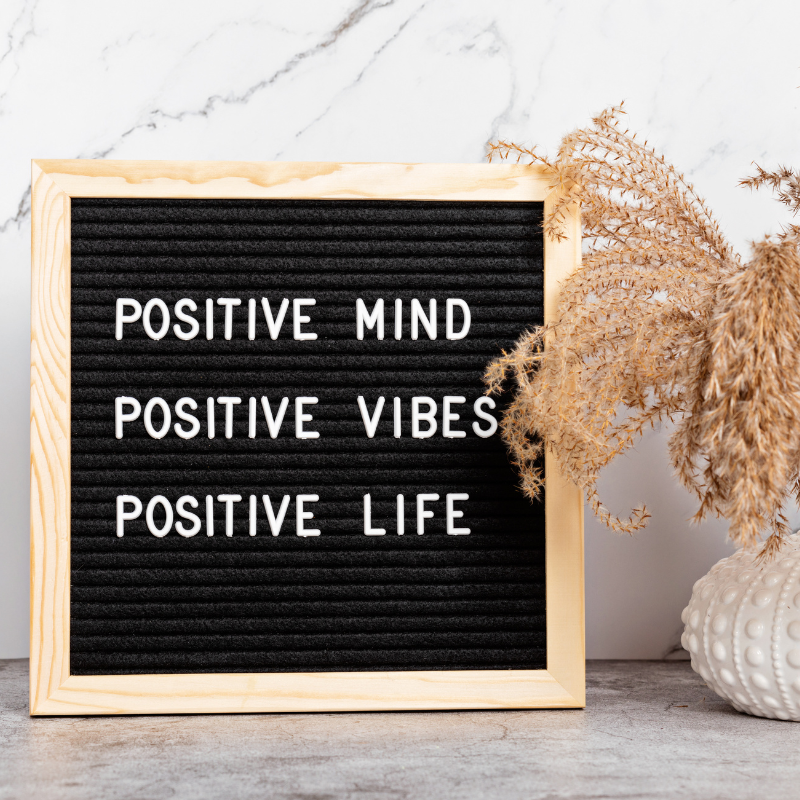
Cultivating a Positive Mindset
Your mindset is just as important as your physical environment. A positive and nurturing mindset can make all the difference in your learning journey.
Key Takeaway: A nurturing learning environment combines a comfortable physical space with a positive and supportive mindset. Create a sanctuary where you can thrive and reach your full potential.

Discovering Your Learning Style: Tailoring Your Approach
We all learn in different ways. Understanding your learning style can help you tailor your approach to maximize your learning potential.
Exploring Different Learning Styles
There are several recognized learning styles, each with its own strengths and preferences. Here are some common learning styles to consider:
Identifying Your Preferred Style
There are many online quizzes and assessments that can help you identify your learning style. Experiment with different learning techniques and observe which methods resonate with you the most. Consider these questions:
Adapting Your Learning Strategies
Once you understand your learning style, you can adapt your learning strategies to suit your preferences.
Key Takeaway: Understanding your learning style can help you tailor your approach and maximize your learning potential. Experiment with different techniques and discover what works best for you.
Effective Learning Strategies: Mastering the Art of Retention
Learning isn’t just about absorbing information; it’s about retaining it and applying it effectively. Here are some proven strategies for mastering the art of retention:
Active Recall
Active recall involves actively retrieving information from your memory, rather than passively rereading or reviewing notes. This technique strengthens your memory and improves your ability to recall information later.
Mind Mapping
Mind mapping is a visual technique for organizing information and connecting ideas. It involves creating a diagram that starts with a central topic and branches out to related concepts and subtopics.
The Power of Note-Taking
Effective note-taking is a crucial skill for successful learning. It helps you to actively engage with the material and create a valuable resource for future review.
Key Takeaway: Mastering the art of retention involves using active recall, mind mapping, and effective note-taking techniques. These strategies will help you to retain information and apply it effectively.
Overcoming Learning Challenges: Strategies for Success
Learning isn’t always easy. We all face challenges along the way. Here are some strategies for overcoming common learning obstacles:
Dealing with Procrastination
Procrastination is a common challenge that can hinder your learning progress. Here are some tips for overcoming procrastination:
Managing Information Overload
In today’s information age, it’s easy to feel overwhelmed by the sheer volume of information available. Here are some tips for managing information overload:
Staying Motivated
Motivation is essential for sustained learning. Here are some tips for staying motivated:
Key Takeaway: Overcoming learning challenges involves strategies for dealing with procrastination, managing information overload, and staying motivated. With the right tools and mindset, you can overcome any obstacle and achieve your learning goals.
Nurturing a Lifelong Love of Learning: Keeping the Flame Alive
Learning isn’t just something you do in school or for a job; it’s a lifelong journey that enriches your life and keeps you growing. Here are some tips for nurturing a lifelong love of learning:
Embrace Curiosity
Curiosity is the spark that ignites the flame of learning. Cultivate a sense of curiosity and explore new topics, ideas, and experiences.
Make Learning a Habit
Make learning a regular part of your routine. Set aside time each day or week to engage in learning activities.
Connect with Other Learners
Connect with other learners to share your experiences, exchange ideas, and support each other.
Key Takeaway: Nurturing a lifelong love of learning involves embracing curiosity, making learning a habit, and connecting with other learners. By cultivating these habits, you can keep the flame of learning alive and continue to grow and evolve throughout your life.
Conclusion: Your Journey to Lifelong Learning Starts Now
Congratulations! You’ve taken the first step towards unlocking your full potential and embracing a lifelong love of learning. Remember, learning is a journey, not a destination. Embrace the joy of discovery, create a nurturing learning environment, and tailor your approach to suit your individual learning style. Overcome challenges with effective strategies and stay motivated by setting meaningful goals and connecting with other learners.
Start today! Pick one tip from this guide and implement it into your daily routine. Whether it’s dedicating 30 minutes to reading, exploring a new topic online, or connecting with a fellow learner, every step you take is a step towards a richer, more fulfilling life.
Your potential is limitless. Embrace the journey, and let the adventure begin!
Internal Linking Suggestions:
External Linking Suggestions:
Social Sharing Optimization:


0 Comments