
Unlock Your Potential: A Friendly Guide to Lifelong Learning and Growth
Learning is a journey, not a destination. It’s a continuous process of discovery, growth, and transformation that enriches our lives in countless ways. Whether you’re a student, a professional, or simply someone who’s curious about the world, embracing a mindset of lifelong learning can unlock your full potential and lead to a more fulfilling life. This guide is designed to be your friendly companion on that journey, offering practical tips, inspiring stories, and actionable strategies to help you cultivate a love of learning and make it a seamless part of your everyday routine.

Why Embrace Lifelong Learning? The Benefits Are Endless!
Before we dive into the how-to’s, let’s take a moment to appreciate the “why.” Lifelong learning isn’t just about acquiring new skills; it’s about nurturing your mind, expanding your horizons, and becoming the best version of yourself.
Here are just a few of the amazing benefits:
- Enhanced Cognitive Function: Learning keeps your brain active and engaged, improving memory, attention span, and problem-solving abilities. Think of it as a workout for your mind!
- Increased Career Opportunities: In today’s rapidly evolving job market, continuous learning is essential for staying relevant and competitive. New skills can open doors to new roles, promotions, and even entirely new career paths.
- Boosted Confidence and Self-Esteem: Mastering new skills and knowledge can give you a tremendous sense of accomplishment and boost your confidence in your abilities.
- Expanded Social Connections: Learning opportunities often bring you into contact with like-minded individuals, creating opportunities for networking, collaboration, and friendship.
- Greater Sense of Purpose and Fulfillment: Learning can help you discover your passions, explore your interests, and find meaning in your life. It can also empower you to make a positive impact on the world around you.
- Improved Adaptability and Resilience: The world is constantly changing, and lifelong learning equips you with the skills and mindset to adapt to new challenges and bounce back from setbacks.
- Embrace Challenges: View challenges as opportunities for growth, rather than threats to your self-esteem. Don’t be afraid to step outside your comfort zone and try new things.
- Persist Through Obstacles: Learning is rarely easy. Expect setbacks and learn from your mistakes. Don’t give up easily; keep practicing and refining your skills.
- Value Effort Over Talent: Focus on the process of learning, rather than just the outcome. Appreciate the effort you put in, regardless of the results.
- Learn from Criticism: View criticism as valuable feedback that can help you improve. Don’t take it personally; use it as an opportunity to learn and grow.
- Find Inspiration in Others’ Success: Celebrate the success of others, rather than feeling threatened by it. Learn from their strategies and use their achievements as motivation to pursue your own goals.
- Visual Learners: Learn best through visual aids, such as diagrams, charts, videos, and presentations.
- Auditory Learners: Learn best through listening, such as lectures, discussions, podcasts, and audiobooks.
- Kinesthetic Learners: Learn best through hands-on activities, such as experiments, demonstrations, role-playing, and building things.
- Reading/Writing Learners: Learn best through reading and writing, such as textbooks, articles, essays, and notes.
- Make them SMART: SMART goals are Specific, Measurable, Achievable, Relevant, and Time-bound.
- Start Small: Don’t try to tackle too much at once. Break down your goals into smaller, more manageable steps.
- Focus on Your Interests: Choose topics that you’re genuinely interested in. This will make the learning process more enjoyable and sustainable.
- Write them Down: Writing down your goals makes them more concrete and increases your commitment to achieving them.
- Review and Revise Regularly: Revisit your goals periodically to track your progress and make adjustments as needed.
- Online Courses: Platforms like Coursera, edX, Udemy, and Skillshare offer a wide range of courses on various subjects, taught by experts from around the world.
- Educational Websites: Websites like Khan Academy, TED, and National Geographic provide free educational content on a variety of topics.
- Libraries: Libraries offer access to books, magazines, journals, and other resources, as well as workshops, lectures, and community events.
- Podcasts: Podcasts are a great way to learn on the go. There are podcasts on virtually every topic imaginable.
- Books: Books are a classic source of knowledge and inspiration. Explore different genres and authors to find what resonates with you.
- Mentors and Coaches: Connecting with a mentor or coach can provide guidance, support, and accountability.
- Choose a Quiet and Comfortable Space: Find a place where you can focus without distractions.
- Minimize Distractions: Turn off your phone, close unnecessary tabs on your computer, and let others know that you need uninterrupted time.
- Gather Your Materials: Have everything you need within reach, such as books, notes, pens, and a computer.
- Optimize Your Workspace: Make sure your workspace is well-lit, organized, and comfortable.
- Take Breaks: Regular breaks can help you stay refreshed and prevent burnout. Get up and move around, stretch, or do something you enjoy.
- Schedule Dedicated Learning Time: Set aside specific times each day or week for learning. Treat these appointments as non-negotiable.
- Listen to Podcasts or Audiobooks During Your Commute: Turn your commute into a learning opportunity by listening to educational content.
- Read During Your Lunch Break: Use your lunch break to catch up on reading or explore new topics.
- Take Online Courses in the Evening: Dedicate a few evenings each week to taking online courses or watching educational videos.
- Join a Book Club or Study Group: Learning with others can provide motivation, support, and accountability.
- Set a Daily Learning Goal: Commit to learning something new every day, no matter how small.
- Prioritize Your Time: Identify your most important priorities and schedule learning time accordingly.
- Manage Distractions: Minimize distractions by creating a dedicated learning environment and using tools like website blockers or noise-canceling headphones.
- Break Down Large Tasks: Divide large learning goals into smaller, more manageable steps.
- Seek Support: Connect with other learners, mentors, or coaches for support and encouragement.
- Celebrate Your Progress: Acknowledge and celebrate your accomplishments, no matter how small.
- Be Patient and Persistent: Learning takes time and effort. Don’t get discouraged by setbacks; keep practicing and refining your skills.
- Journaling: Write down your thoughts, feelings, and insights about what you’ve learned.
- Summarizing: Summarize key concepts and ideas in your own words.
- Teaching Others: Explaining what you’ve learned to someone else can help you solidify your understanding.
- Applying Your Knowledge: Find opportunities to apply what you’ve learned to real-world situations.
- Seeking Feedback: Ask for feedback from others on your understanding and application of the material.
- Ask Questions: Don’t be afraid to ask questions, even if they seem silly.
- Explore New Topics: Step outside your comfort zone and explore new areas of interest.
- Read Widely: Read books, articles, and blogs on a variety of topics.
- Attend Lectures and Workshops: Seek out opportunities to learn from experts and connect with other learners.
- Travel: Traveling can expose you to new cultures, ideas, and perspectives.
- Surround Yourself with Inspiring People: Connect with people who are passionate about learning and growth.
Key Takeaway: Lifelong learning is an investment in yourself, your future, and your overall well-being.
Cultivating a Growth Mindset: The Foundation of Lifelong Learning
At the heart of lifelong learning lies a “growth mindset.” This term, coined by psychologist Carol Dweck, refers to the belief that your abilities and intelligence are not fixed traits, but rather qualities that can be developed through dedication and hard work.
Here’s how to cultivate a growth mindset:
Example: Imagine you’re learning a new language. Instead of getting discouraged by mistakes, embrace them as learning opportunities. Celebrate small victories, like mastering a new phrase, and find inspiration in the fluency of native speakers.
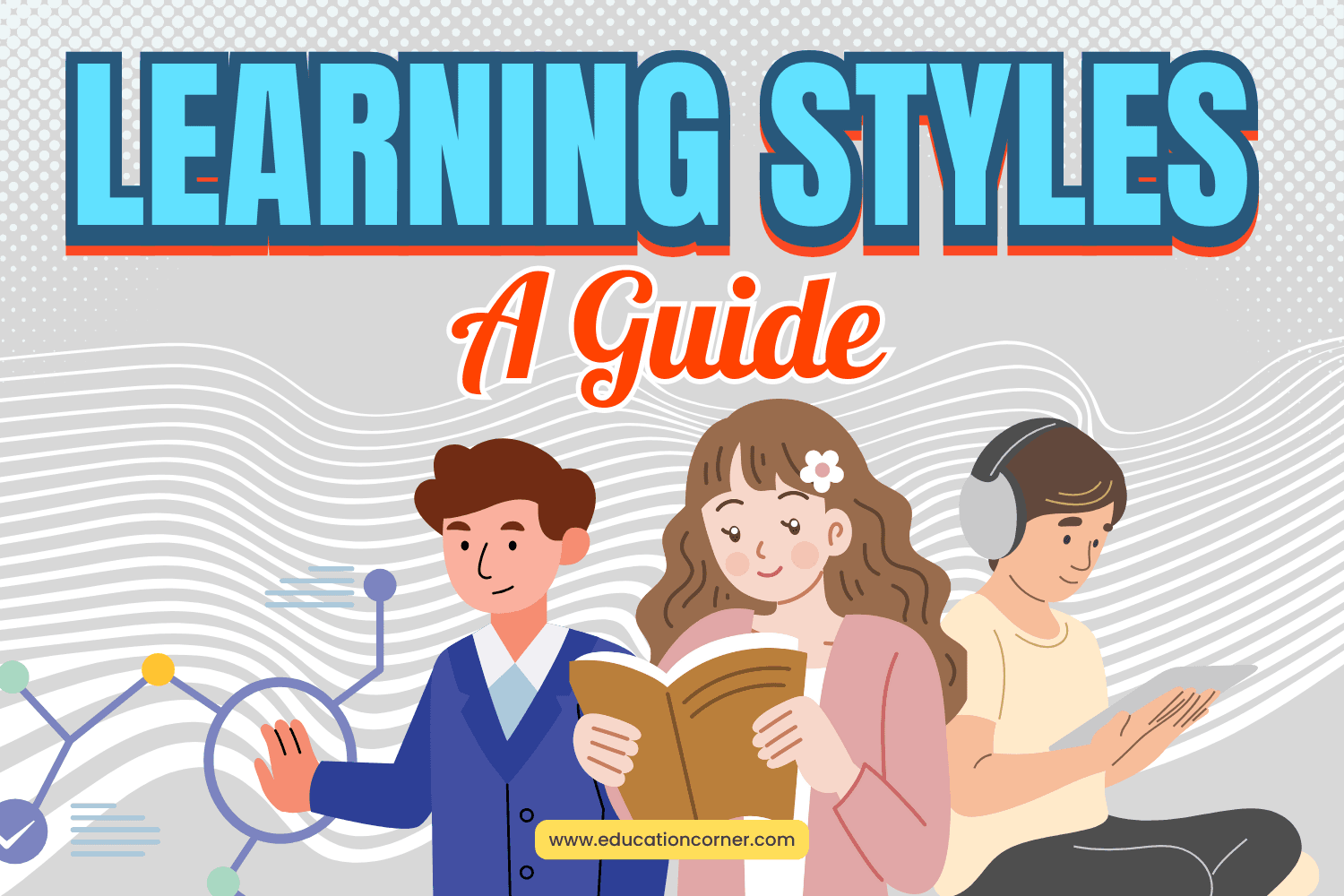
Discovering Your Learning Style: Tailoring Your Approach
Everyone learns differently. Understanding your learning style can help you optimize your learning experience and make it more effective and enjoyable.
Here are some common learning styles:
Actionable Tip: Experiment with different learning methods to discover what works best for you. Try watching a documentary on a topic you’re interested in, listening to a podcast while you commute, or taking a hands-on workshop to learn a new skill.

Setting Meaningful Learning Goals: Charting Your Course
Having clear and specific learning goals is essential for staying motivated and focused. Without goals, it’s easy to get distracted or lose interest.
Here’s how to set effective learning goals:
Example: Instead of setting a vague goal like “learn Spanish,” set a SMART goal like “complete the first unit of an online Spanish course and be able to hold a basic conversation by the end of the month.”

Finding the Right Resources: Your Learning Toolkit
The internet is a treasure trove of learning resources. From online courses and tutorials to books and podcasts, there’s something for everyone.
Here are some popular learning resources:
Internal Link Suggestion: Consider linking to a blog post on your website that lists your favorite online learning resources. Use anchor text like “online learning platforms” or “best educational websites.”
External Link Suggestion: Link to Coursera (www.coursera.org) or edX (www.edx.org) as examples of reputable online learning platforms.
Creating a Learning Environment: Setting the Stage for Success
Your environment can have a significant impact on your ability to learn. Creating a conducive learning environment can help you stay focused, motivated, and productive.
Here are some tips for creating a learning environment:
Example: Designate a specific area in your home as your “learning zone.” This could be a desk in a spare room, a corner of your living room, or even a cozy armchair. Make sure it’s a place where you feel comfortable and inspired.
Integrating Learning into Your Daily Routine: Making it a Habit
The key to lifelong learning is to make it a habit. Integrate learning into your daily routine so that it becomes a natural part of your life.
Here are some strategies for integrating learning into your daily routine:
Key Takeaway: Consistency is key. Even small amounts of learning each day can add up to significant progress over time.
Overcoming Learning Challenges: Staying on Track
Learning is not always easy. You may encounter challenges along the way, such as lack of time, distractions, or feelings of overwhelm.
Here are some strategies for overcoming learning challenges:
Example: If you’re feeling overwhelmed by a complex topic, break it down into smaller, more manageable chunks. Focus on mastering one concept at a time, and celebrate each milestone along the way.
The Power of Reflection: Deepening Your Understanding
Reflection is a critical component of the learning process. Taking time to reflect on what you’ve learned can help you deepen your understanding, identify areas for improvement, and apply your knowledge to new situations.
Here are some ways to incorporate reflection into your learning routine:
Actionable Tip: After completing a learning activity, take a few minutes to reflect on what you’ve learned. Ask yourself questions like: What were the key takeaways? How does this information relate to what I already know? How can I apply this knowledge in my life?
Staying Curious and Inspired: Fueling Your Learning Journey
Curiosity is the engine of lifelong learning. Cultivating a sense of curiosity and wonder can help you stay motivated and engaged in the learning process.
Here are some ways to stay curious and inspired:
Key Takeaway: Never stop asking “why?” and “what if?” Embrace the joy of discovery and let your curiosity guide your learning journey.
Conclusion: Embrace the Journey of Lifelong Learning
Lifelong learning is a transformative journey that can enrich your life in countless ways. By cultivating a growth mindset, setting meaningful goals, finding the right resources, and integrating learning into your daily routine, you can unlock your full potential and become the best version of yourself. Remember to embrace challenges, persist through obstacles, and stay curious and inspired. The world is full of knowledge and opportunities waiting to be discovered. So, take the first step today and embark on your lifelong learning adventure!
Call to Action: Subscribe to our newsletter for more tips and resources on lifelong learning. Share this article with your friends and family to inspire them to embrace the journey of continuous growth!
Social Sharing Optimization: Include social sharing buttons for platforms like Facebook, Twitter, LinkedIn, and Pinterest to encourage readers to share the article with their networks.


0 Comments