
Unlock Your Potential: A Friendly Guide to Lifelong Learning and Inspiration
Learning is a journey, not a destination. It’s a continuous process of discovery, growth, and transformation that enriches our lives in countless ways. This article serves as a friendly guide to help you embrace lifelong learning, find inspiration in unexpected places, and unlock your full potential. We’ll explore practical strategies, share inspiring stories, and provide actionable tips to make learning an enjoyable and rewarding part of your everyday life. So, let’s embark on this exciting adventure together!

Why Embrace Lifelong Learning?
In today’s rapidly changing world, the ability to learn and adapt is more important than ever. Embracing lifelong learning isn’t just about acquiring new skills; it’s about cultivating a growth mindset, staying relevant, and living a more fulfilling life. Here’s why it matters:
- Career Advancement: Continuous learning keeps your skills sharp and makes you more competitive in the job market.
- Personal Growth: Learning expands your horizons, challenges your assumptions, and helps you discover new passions.
- Improved Cognitive Function: Studies show that lifelong learning can improve memory, attention, and overall brain health.
- Increased Confidence: As you acquire new knowledge and skills, you’ll gain confidence in your abilities and a greater sense of self-worth.
- Enhanced Creativity: Learning exposes you to new ideas and perspectives, which can spark your creativity and lead to innovative solutions.
- Greater Fulfillment: Engaging in lifelong learning can bring a sense of purpose and fulfillment to your life, making you feel more connected and engaged with the world around you.
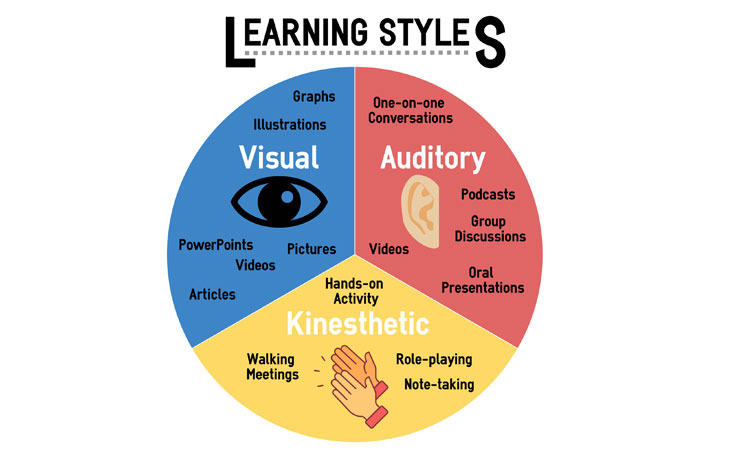
- Visual Learners: Learn best through visual aids such as diagrams, charts, videos, and presentations.
- Auditory Learners: Prefer to learn by listening to lectures, discussions, and audio recordings.
- Kinesthetic Learners: Learn best through hands-on activities, experiments, and physical movement.
- Reading/Writing Learners: Prefer to learn by reading and writing notes, articles, and books.
- Reflect on past learning experiences: What methods have worked best for you in the past?
- Take a learning style quiz: Many online quizzes can help you identify your preferred learning style.
- Experiment with different learning methods: Try different approaches and see what resonates with you.
- Pay attention to how you process information: Do you prefer to see information presented visually, hear it explained, or experience it firsthand?
- Identify Your Interests: What topics or skills are you genuinely curious about? Choose goals that align with your passions.
- Make Them Specific: Instead of saying “I want to learn more about history,” specify “I want to learn about the history of ancient Rome.”
- Make Them Measurable: Define how you’ll know when you’ve achieved your goal. For example, “I will read three books on ancient Rome.”
- Make Them Achievable: Set realistic goals that you can accomplish with your available time and resources.
- Make Them Relevant: Ensure your goals align with your overall life objectives and values.
- Make Them Time-Bound: Set a deadline for achieving your goal. For example, “I will read three books on ancient Rome within the next three months.”
- Vague Goal: Learn to play a musical instrument.
- SMART Goal: Learn to play three basic chords on the guitar within one month, practicing for 30 minutes each day.
- Online Courses: Platforms like Coursera, edX, and Udemy offer a wide range of courses on various subjects, often taught by experts from top universities.
- Educational Websites: Websites like Khan Academy provide free educational resources on math, science, history, and more.
- Libraries: Libraries offer access to books, journals, and other learning materials, as well as workshops and events.
- Podcasts: Podcasts are a great way to learn on the go. There are podcasts on virtually every topic imaginable.
- YouTube Channels: Many educational channels on YouTube offer engaging and informative content.
- Online Communities: Join online forums and communities related to your interests to connect with other learners and share knowledge.
- Museums and Cultural Institutions: Visit museums, art galleries, and historical sites to learn about different cultures and periods.
- Documentaries: Watch documentaries to explore different topics and gain new perspectives.
- Embrace Challenges: View challenges as opportunities to learn and grow.
- Persist Through Setbacks: Don’t give up easily when you encounter difficulties. Instead, see setbacks as temporary obstacles to overcome.
- Learn from Criticism: Use criticism as an opportunity to improve. Ask for feedback and be open to hearing what others have to say.
- Celebrate Effort: Focus on the effort you put into learning, rather than just the outcome.
- Believe in Your Potential: Believe that you can improve your abilities with hard work and dedication.
- Lack of Time: Prioritize learning and schedule dedicated time for it each day or week. Even 15-30 minutes of focused learning can make a difference.
- Lack of Motivation: Set clear, achievable goals and reward yourself for making progress. Find a learning buddy to keep you accountable.
- Fear of Failure: Remember that failure is a part of the learning process. Don’t be afraid to make mistakes.
- Distractions: Create a quiet, distraction-free learning environment. Turn off your phone, close unnecessary tabs on your computer, and let others know that you need uninterrupted time.
- Procrastination: Break down large tasks into smaller, more manageable steps. Start with the easiest task to build momentum.
- Information Overload: Focus on a few key resources and avoid trying to learn everything at once.
- Nature: Spend time outdoors and appreciate the beauty of nature.
- Art: Visit museums, art galleries, and theaters to experience different forms of art.
- Music: Listen to music that inspires you and makes you feel good.
- Travel: Explore new places and cultures.
- People: Talk to people from different backgrounds and learn about their experiences.
- Books: Read books that challenge your thinking and expand your horizons.
- Movies: Watch movies that inspire you and make you think.
- Acts of Kindness: Helping others can be a powerful source of inspiration.
- Identify Your Needs: What areas do you need help with? What qualities are you looking for in a mentor?
- Network: Attend industry events and connect with people in your field.
- Reach Out: Don’t be afraid to reach out to people you admire and ask if they would be willing to mentor you.
- Be Specific: When you reach out, explain why you’re interested in being mentored and what you hope to gain from the relationship.
- Be Respectful: Respect your mentor’s time and be prepared to put in the work.
- Reward Yourself: Treat yourself to something you enjoy, such as a nice meal, a new book, or a weekend getaway.
- Share Your Achievements: Share your successes with friends, family, and colleagues.
- Reflect on Your Progress: Take time to reflect on how far you’ve come and what you’ve learned.
- Set New Goals: Use your achievements as a springboard for setting new, more ambitious goals.
- Read for 30 Minutes Each Day: Make reading a part of your morning or evening routine.
- Listen to Podcasts During Your Commute: Turn your commute into a learning opportunity by listening to educational podcasts.
- Take Online Courses During Your Lunch Break: Use your lunch break to take short online courses or watch educational videos.
- Attend Workshops and Seminars: Attend workshops and seminars on topics that interest you.
- Join a Book Club: Join a book club to discuss books with others and expand your reading horizons.
- Learn a New Language: Use language learning apps like Duolingo to learn a new language in your spare time.
- Practice a New Skill: Dedicate time each day to practicing a new skill, such as playing a musical instrument or learning to code.
- Personalized Learning: Learning experiences will become more personalized, tailored to individual needs and preferences.
- Adaptive Learning: Technology will adapt to your learning style and pace, providing you with customized content and feedback.
- Gamification: Learning will become more engaging and fun through the use of game mechanics and rewards.
- Virtual Reality (VR) and Augmented Reality (AR): VR and AR will create immersive learning experiences that allow you to explore new worlds and interact with virtual objects.
- Artificial Intelligence (AI): AI will play a greater role in learning, providing personalized recommendations, automated feedback, and intelligent tutoring.
Key Takeaway: Lifelong learning is an investment in yourself that pays dividends in your career, personal life, and overall well-being.
Finding Your Learning Style
Everyone learns differently. Understanding your learning style can help you optimize your learning process and make it more effective and enjoyable. Here are some common learning styles:
To identify your learning style, consider the following:
Actionable Tip: Once you’ve identified your learning style, tailor your learning methods to suit your preferences. For example, if you’re a visual learner, use mind maps and diagrams to organize information.

Setting Meaningful Learning Goals
Setting clear, achievable learning goals is essential for staying motivated and on track. Here’s how to set goals that inspire you:
Example:
Key Takeaway: Well-defined learning goals provide direction, motivation, and a sense of accomplishment.
Resources for Lifelong Learning
The internet has made learning more accessible than ever before. Here are some fantastic resources to explore:
Internal Link Suggestion: For more resources, check out our article on “Top 10 Free Online Learning Platforms“

Cultivating a Growth Mindset
A growth mindset is the belief that your abilities and intelligence can be developed through dedication and hard work. It’s the opposite of a fixed mindset, which is the belief that your abilities are innate and unchangeable. Cultivating a growth mindset is crucial for lifelong learning because it allows you to embrace challenges, persist through setbacks, and see failure as an opportunity for growth.
Here are some strategies for cultivating a growth mindset:
Quote: “The only way to do great work is to love what you do.” – Steve Jobs. This quote highlights the importance of passion in lifelong learning.
Overcoming Learning Obstacles
Learning can be challenging, and it’s normal to encounter obstacles along the way. Here are some common obstacles and how to overcome them:
Actionable Tip: Create a learning schedule and stick to it as much as possible. Treat your learning time as a non-negotiable appointment.
Finding Inspiration in Everyday Life
Inspiration can be found in unexpected places. Here are some ways to find inspiration in your everyday life:
External Link Suggestion: Read inspiring stories of successful lifelong learners on “Forbes: The Importance of Lifelong Learning“
The Power of Mentorship
Mentorship can play a significant role in your learning journey. A mentor can provide guidance, support, and encouragement, as well as share their knowledge and experience.
Here’s how to find a mentor:
Key Takeaway: A mentor can provide valuable insights and support, helping you accelerate your learning and achieve your goals.
Celebrating Your Learning Achievements
It’s important to celebrate your learning achievements, no matter how small they may seem. Celebrating your successes will help you stay motivated and reinforce your commitment to lifelong learning.
Here are some ways to celebrate your learning achievements:
Actionable Tip: Keep a learning journal to track your progress and reflect on your experiences.
Integrating Learning into Your Daily Routine
Making learning a habit is key to lifelong growth. Here are some ways to integrate learning into your daily routine:
Internal Link Suggestion: Read our guide on “Time Management Tips for Busy Learners“
The Future of Learning
The future of learning is exciting and full of possibilities. Here are some trends to watch:
Key Takeaway: Embrace the future of learning by staying open to new technologies and approaches.
Conclusion: Embrace the Journey
Lifelong learning is a journey of continuous discovery, growth, and inspiration. By embracing a growth mindset, setting meaningful goals, utilizing available resources, and integrating learning into your daily routine, you can unlock your full potential and live a more fulfilling life. Remember, learning is not just about acquiring new knowledge and skills; it’s about cultivating a love of learning and a thirst for knowledge that will stay with you throughout your life. So, embrace the journey, stay curious, and never stop learning!
Call to Action: Sign up for our newsletter to receive more tips and resources on lifelong learning and personal growth! You can also follow us on social media to stay updated on our latest content.

0 Comments