
Unlock Your Potential: A Friendly Guide to Lifelong Learning and Growth
Embarking on a journey of lifelong learning is one of the most rewarding adventures you can undertake. It’s about more than just acquiring knowledge; it’s about personal growth, expanding your horizons, and unlocking your full potential. Whether you’re looking to advance your career, explore new passions, or simply stay mentally sharp, this guide is here to support you every step of the way. We’ll explore practical strategies, helpful resources, and inspiring stories to help you cultivate a love for learning that lasts a lifetime. Let’s dive in together!

Why Embrace Lifelong Learning? The Benefits Are Endless!
Lifelong learning isn’t just a trendy buzzword; it’s a powerful tool for personal and professional development. The world is constantly evolving, and staying curious and adaptable is key to thriving in today’s dynamic environment. Here’s a peek at some of the amazing benefits you can expect:
- Career Advancement: Acquiring new skills and knowledge makes you a more valuable asset in the workplace, opening doors to promotions, new roles, and higher earning potential.
- Personal Fulfillment: Learning new things can be incredibly rewarding, boosting your confidence, self-esteem, and overall sense of purpose.
- Improved Cognitive Function: Engaging in continuous learning keeps your mind sharp, improves memory, and reduces the risk of cognitive decline as you age.
- Expanded Social Connections: Taking classes, joining workshops, or participating in online communities connects you with like-minded individuals, fostering new friendships and networking opportunities.
- Adaptability and Resilience: Lifelong learners are better equipped to navigate change and overcome challenges, as they possess a growth mindset and a willingness to embrace new experiences.
- Increased Creativity and Innovation: Exposure to diverse perspectives and ideas sparks creativity and innovation, allowing you to approach problems with fresh eyes and generate novel solutions.
- Reflect on your hobbies and interests: What do you enjoy doing in your free time? Could you turn one of these hobbies into a learning opportunity?
- Explore new subjects and fields: Read books, watch documentaries, or listen to podcasts on topics you know little about. You might discover a hidden passion!
- Consider your career aspirations: What skills or knowledge do you need to advance in your current role or pursue a new career path?
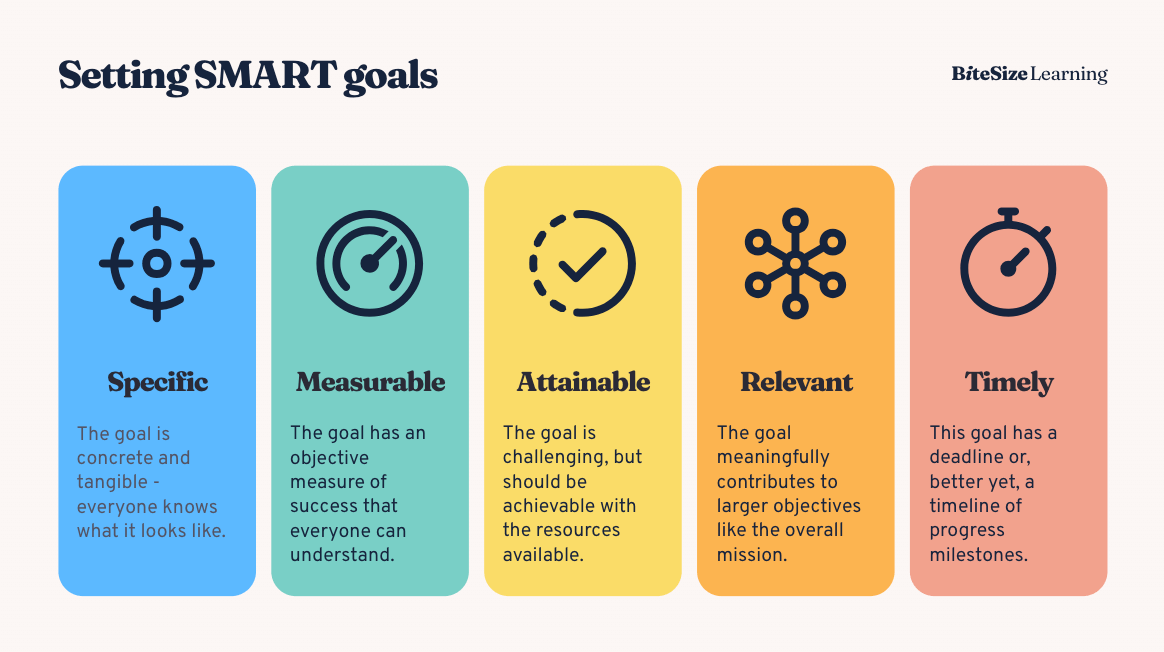
- Use the SMART framework: Ensure your goals are Specific, Measurable, Achievable, Relevant, and Time-bound.
- Break down large goals into smaller steps: If you want to learn a new language, start by mastering basic vocabulary and grammar before moving on to more complex topics.
- Track your progress: Keep a journal, use a tracking app, or find an accountability partner to monitor your progress and stay motivated.
- Coursera: Offers courses, Specializations, and degrees from top universities and institutions around the world.
- edX: Another leading platform offering courses from prestigious universities, focusing on a wide range of subjects.
- Udemy: Provides a vast selection of courses taught by industry experts, catering to a variety of skill levels and interests.
- Khan Academy: Offers free educational resources, including videos, articles, and practice exercises, covering a wide range of subjects.
- LinkedIn Learning: Provides courses focused on professional development and career advancement, taught by industry leaders.
- Explore your local library: Libraries offer a wealth of resources, including books, magazines, and online databases, all for free!
- Listen to educational podcasts: Podcasts are a great way to learn on the go, whether you’re commuting, exercising, or doing chores.
- Read articles and blog posts: Stay up-to-date on the latest trends and developments in your field by reading articles and blog posts from reputable sources.
- Seek out a mentor: Find someone who has experience in your field of interest and can provide guidance and support.
- Join a learning community: Connect with like-minded individuals who share your passion for learning.
- Attend workshops and conferences: These events provide opportunities to learn from experts, network with peers, and stay up-to-date on the latest trends.
- Schedule dedicated learning time: Treat your learning time like an important appointment and schedule it into your calendar.
- Break down learning into smaller chunks: Instead of trying to cram in hours of learning at once, break it down into smaller, more manageable chunks.
- Prioritize learning activities: Focus on the activities that will have the biggest impact on your goals.
- Eliminate distractions: Create a quiet and distraction-free environment for learning.
- Celebrate small wins: Acknowledge and celebrate your progress, no matter how small.
- Focus on the process, not just the outcome: Enjoy the journey of learning, rather than solely focusing on the end result.
- Take breaks when needed: Step away from your learning activities when you feel overwhelmed and come back refreshed.
- Seek support from others: Talk to a mentor, friend, or family member about your challenges and ask for their support.
- Analyze your mistakes: Identify what went wrong and what you can do differently next time.
- Learn from others’ mistakes: Read case studies or talk to people who have experienced similar challenges.
- Don’t be afraid to ask for help: Seek guidance from mentors, instructors, or peers when you’re struggling.
- Identify your fixed mindset beliefs: What are the things you tell yourself that limit your potential?
- Challenge those beliefs: Are those beliefs really true? What evidence do you have to support them?
- Replace fixed mindset beliefs with growth mindset beliefs: Instead of saying “I’m not good at math,” try “I can improve my math skills with practice and effort.”
- Step outside your comfort zone: Take on challenges that push you beyond your current abilities.
- Seek feedback from others: Ask for constructive criticism from mentors, peers, or instructors.
- View feedback as a gift: Use feedback to identify areas where you can improve and develop your skills.
- Focus on the process, not just the outcome: Enjoy the journey of learning and celebrate the effort you put in.
- Acknowledge your progress: Take time to reflect on how far you’ve come and celebrate your accomplishments.
- Reward yourself for your efforts: Treat yourself to something you enjoy when you reach a milestone or achieve a goal.
- Write down your goals: Clearly articulate your learning goals and objectives in writing.
- Prioritize your goals: Focus on the goals that are most important to you and will have the biggest impact on your life.
- Break down your goals into smaller steps: Divide your goals into smaller, more manageable steps that you can tackle one at a time.
- Research different resources: Explore the various learning resources available and choose the ones that align with your goals.
- Experiment with different activities: Try different learning activities to see what works best for you.
- Create a learning schedule: Schedule specific times for learning activities in your calendar.
- Keep a learning journal: Record your learning experiences, insights, and challenges in a journal.
- Monitor your progress: Track your progress towards your goals and celebrate your accomplishments.
- Adjust your plan as needed: Be flexible and willing to adjust your learning plan based on your progress and changing circumstances.
Key Takeaway: Lifelong learning is an investment in yourself, yielding both tangible and intangible rewards that enrich your life in countless ways.

Setting the Stage: Identifying Your Learning Goals
Before you jump into the world of learning, it’s important to take a moment to reflect on what you want to achieve. What are your passions? What skills do you want to develop? What areas do you want to explore? Defining your learning goals will help you stay focused and motivated on your journey.

Discovering Your Passions and Interests
Think about the things that genuinely excite you. What topics do you find yourself drawn to? What activities make you lose track of time? Your passions are a great starting point for identifying potential learning goals.
Defining Specific and Measurable Learning Objectives
Once you’ve identified your passions, it’s time to set specific and measurable learning objectives. Instead of saying “I want to learn about photography,” try “I want to learn how to take professional-quality portraits using my DSLR camera.” This makes your goal more concrete and achievable.
Example: Instead of saying, “I want to learn about marketing,” a SMART goal would be, “I will complete an online marketing course on content marketing and create five blog posts by the end of the quarter.”

Building Your Learning Toolkit: Resources and Strategies
Now that you have your learning goals in place, it’s time to assemble your learning toolkit. Fortunately, there’s a wealth of resources and strategies available to help you on your journey.
Online Courses and Platforms: Your Digital Classroom
The internet has revolutionized the way we learn, offering access to a vast array of online courses and platforms. Whether you’re looking for a structured learning experience or a more self-directed approach, you’re sure to find something that suits your needs.
Internal Link Suggestion:* Link to a specific Coursera course related to career development with the anchor text “career-boosting Coursera course.”
Books, Podcasts, and Articles: The Power of Self-Directed Learning
In addition to formal courses, there are plenty of opportunities for self-directed learning. Books, podcasts, and articles can provide valuable insights and knowledge on a wide range of topics.
External Link Suggestion:* Link to a reputable industry blog related to the reader’s field of interest using the anchor text “industry insights blog.”
Mentors and Communities: Learning from Others
Learning doesn’t have to be a solitary pursuit. Connecting with mentors and joining learning communities can provide valuable support, guidance, and inspiration.
Remember: The best learning resources are the ones that resonate with you and fit your learning style. Experiment with different options until you find what works best.
Overcoming Challenges: Staying Motivated and Focused
The journey of lifelong learning is not always smooth sailing. You’ll inevitably encounter challenges along the way, such as lack of time, feelings of overwhelm, or setbacks in your progress. Here are some strategies for overcoming these challenges and staying motivated:
Time Management and Prioritization: Making Time for Learning
One of the biggest challenges to lifelong learning is finding the time to fit it into your busy schedule. Here are some tips for effective time management and prioritization:
Dealing with Overwhelm and Frustration: Staying Positive
It’s normal to feel overwhelmed or frustrated when learning something new. Here are some strategies for staying positive and motivated:
Embracing Failure as a Learning Opportunity
Failure is an inevitable part of the learning process. Instead of viewing failure as a setback, embrace it as an opportunity to learn and grow.
Key Takeaway: Staying motivated and focused requires a combination of effective time management, a positive mindset, and a willingness to embrace failure as a learning opportunity.
Cultivating a Growth Mindset: The Key to Lifelong Learning
A growth mindset is the belief that your abilities and intelligence can be developed through dedication and hard work. Cultivating a growth mindset is essential for lifelong learning, as it allows you to embrace challenges, persist in the face of setbacks, and see effort as a path to mastery.
Challenging Fixed Mindset Beliefs
Fixed mindset beliefs are the opposite of growth mindset beliefs. They are the belief that your abilities and intelligence are fixed traits that cannot be changed. To cultivate a growth mindset, you need to challenge these limiting beliefs.
Embracing Challenges and Seeking Feedback
People with a growth mindset embrace challenges and seek feedback as opportunities for growth. They see challenges as a chance to learn and improve, and they value feedback as a way to identify areas for development.
Celebrating Effort and Progress
People with a growth mindset celebrate effort and progress, rather than solely focusing on achievement. They recognize that effort is essential for growth and that progress is a sign that they are on the right track.
Remember: Cultivating a growth mindset is an ongoing process. Be patient with yourself and celebrate your progress along the way.
Putting It All Together: Creating Your Personalized Learning Plan
Now that you have a solid understanding of the principles and strategies of lifelong learning, it’s time to create your personalized learning plan. This plan will serve as your roadmap for achieving your learning goals and staying on track.
Define Your Learning Goals and Objectives
Start by revisiting your learning goals and objectives. Make sure they are specific, measurable, achievable, relevant, and time-bound.
Choose Your Learning Resources and Activities
Select the learning resources and activities that best suit your learning style and preferences. Consider a mix of online courses, books, podcasts, articles, and community involvement.
Track Your Progress and Adjust as Needed
Regularly track your progress and adjust your learning plan as needed. This will help you stay motivated, identify areas for improvement, and ensure that you’re on track to achieve your goals.
Actionable Step: Take 30 minutes this week to write down three learning goals you’d like to achieve in the next year. Then, identify one resource you can use to start working toward each goal.
The Journey Continues: Embracing Lifelong Learning as a Lifestyle
Lifelong learning is not a destination; it’s a journey. It’s about cultivating a mindset of curiosity, embracing challenges, and continuously seeking new knowledge and experiences. By making lifelong learning a part of your lifestyle, you’ll unlock your full potential and live a more fulfilling and meaningful life.
Stay Curious and Open-Minded
Cultivate a sense of curiosity and be open to new ideas and perspectives. Ask questions, explore new topics, and challenge your assumptions.
Embrace Change and Adaptability
The world is constantly changing, so it’s important to be adaptable and willing to embrace new technologies, trends, and ways of thinking.
Never Stop Learning
Commit to lifelong learning and make it a priority in your life. Set new goals, explore new interests, and never stop seeking knowledge and growth.
Final Thoughts: Lifelong learning is a powerful tool for personal and professional growth. By embracing a growth mindset, creating a personalized learning plan, and staying curious and open-minded, you can unlock your full potential and live a more fulfilling and meaningful life. So, what are you waiting for? Start your learning journey today!
Call to Action: Subscribe to our newsletter for more tips and resources on lifelong learning and personal development!


0 Comments