
Unlocking the Past: Engaging History for Elementary and Middle School Homeschoolers
History: it’s more than just dates and names in a textbook. It’s a vibrant tapestry of stories, cultures, and events that have shaped the world we live in. As homeschool parents, we have the unique opportunity to bring history to life for our elementary and middle school students, fostering a love of learning and a deeper understanding of the human experience. This article will explore creative and effective ways to teach history to your homeschoolers, making it an engaging and memorable subject for the whole family.

Why History Matters: More Than Just Memorization
Before diving into specific strategies, let’s consider why history is so crucial for our children’s development. It’s not just about acing tests; it’s about cultivating critical thinking, empathy, and a sense of belonging.
- Develops Critical Thinking: History encourages students to analyze evidence, evaluate different perspectives, and form their own conclusions. They learn to question sources and understand bias, skills essential for navigating the complexities of the modern world.
- Fosters Empathy and Understanding: By studying different cultures and historical events, children develop empathy for others and a broader understanding of the human condition. They learn to appreciate diversity and challenge their own assumptions.
- Provides Context for the Present: History helps us understand how the past has shaped the present. By studying historical events, children can gain a deeper understanding of current events and the challenges facing our world.
- Builds a Sense of Identity and Belonging: Learning about their own cultural heritage and the history of their country can help children develop a sense of identity and belonging. They learn to appreciate the sacrifices and achievements of those who came before them.
- How to Use Them: Read aloud together as a family, assign individual reading, or use audiobooks for car rides. Discuss the characters, events, and themes. Encourage your children to write their own stories or create artwork inspired by the book.
- Examples:
- Ancient Egypt: Build a pyramid out of sugar cubes, write hieroglyphics, make mummies out of dolls.
- Colonial America: Make candles, weave a basket, learn calligraphy.
- Medieval Times: Build a castle out of cardboard, design a coat of arms, try calligraphy with a quill pen.
- Pioneer Days: Make butter, churn ice cream, play old-fashioned games.
- Benefits: Hands-on activities cater to different learning styles, particularly kinesthetic learners. They also promote creativity, problem-solving, and collaboration.
- Examples:
- Oregon Trail: A classic computer game that simulates the journey of pioneers westward.
- Ticket to Ride: A board game that involves building railway routes across a map, subtly teaching geography and resource management.
- Civilization: A computer game that allows players to build and manage their own civilizations from ancient times to the present day.
- Card Games: Many card games focus on historical events or figures, providing a fun way to learn and test knowledge.
- Benefits: Games promote strategic thinking, problem-solving, and decision-making skills. They also provide a fun and interactive way to learn about complex historical events.
- Examples:
- Liberty’s Kids: An animated series that follows the adventures of young reporters during the American Revolution.
- The Magic School Bus: While not strictly historical, some episodes explore historical topics in an engaging and educational way.
- Horrible Histories: A British comedy sketch show that presents historical events in a humorous and irreverent way.
- Ken Burns Documentaries: Comprehensive and visually stunning documentaries on various aspects of American history.
- Tips: Choose age-appropriate content. Discuss the historical accuracy of the film or documentary. Encourage your children to research the topics further.
- Examples:
- Local Historical Society: Often overlooked, these can be goldmines of local history.
- National Parks: Many national parks preserve historical sites and offer educational programs.
- Living History Museums: Recreate historical periods with costumed interpreters and demonstrations.
- Battlefields: Offer a somber but important opportunity to understand conflicts.
- Preparation: Before the trip, research the site and discuss its historical significance. During the trip, encourage your children to ask questions and take notes. After the trip, discuss what they learned and how it connects to their studies.
- Methods: Use stories, picture books, and hands-on activities. Keep it fun and engaging.
- Example: When teaching about the Pilgrims, read picture books about the Mayflower, make cornbread, and create a Thanksgiving feast.
- Methods: Use living books, documentaries, simulations, and research projects. Encourage independent learning.
- Your Homeschooling Philosophy: Do you prefer a classical approach, a Charlotte Mason approach, or a unit study approach? Choose a curriculum that aligns with your homeschooling philosophy.
- Your Children’s Learning Styles: Consider your children’s learning styles and choose a curriculum that caters to their needs.
- Your Budget: History curricula can range in price from free online resources to expensive boxed sets. Set a budget and stick to it.
- Your Time Commitment: Some curricula require more preparation time than others. Choose a curriculum that fits your schedule.
- Story of the World: A four-volume series that presents world history in a narrative format.
- Mystery of History: A chronological survey of world history from a Christian perspective.
- Beautiful Feet Books: Uses living books to teach history.
- Khan Academy: Offers free online history courses for all ages.
- Literature: Read historical fiction and non-fiction books that relate to the time period you are studying.
- Geography: Study maps and learn about the geography of the regions you are studying.
- Art: Study the art and architecture of different historical periods.
- Music: Listen to music from different historical periods.
- Writing: Have your children write essays, reports, and creative stories about historical topics.
- Websites:
- History.com: Offers articles, videos, and timelines on a wide range of historical topics.
- National Geographic History: Features articles, photographs, and videos on world history.
- The Smithsonian National Museum of Natural History: Offers online exhibits and resources on natural history and cultural history.
- Books:
- A Child’s History of the World by V.M. Hillyer: A classic introduction to world history for elementary students.
- Sapiens: A Brief History of Humankind by Yuval Noah Harari: A thought-provoking exploration of human history.
- Guns, Germs, and Steel: The Fates of Human Societies by Jared Diamond: An influential book that explores the environmental and geographical factors that have shaped human history.
- Games and Activities:
- Timeline Card Game: A fun and educational card game that helps children learn about historical events and their chronological order.
- Professor Noggin’s History Trivia Card Games: A series of trivia card games that cover a wide range of historical topics.
- Educational Board Games: Many board games, such as Ticket to Ride and Carcassonne, subtly teach historical and geographical concepts.
- Focusing Solely on Memorization: Emphasize understanding and critical thinking over rote memorization.
- Presenting a Eurocentric View of History: Explore history from multiple perspectives and cultures.
- Ignoring Controversial Topics: Address difficult and sensitive topics in an age-appropriate and respectful manner.
- Making History Boring: Use creative and engaging methods to bring history to life.
- Reading aloud together: Choose historical fiction or non-fiction books that everyone will enjoy.
- Watching documentaries together: Discuss the historical events and themes.
- Visiting historical sites together: Plan family field trips to museums, landmarks, and battlefields.
- Playing historical games together: Make learning fun and interactive.
- Sharing your own family history: Talk about your ancestors and their experiences.
Key Takeaway: History is not just about memorizing facts; it’s about developing critical thinking, empathy, and a deeper understanding of the world.

Ditching the Textbook: Creative Approaches to History
Let’s face it: textbooks can be dry and boring. Fortunately, there are countless ways to make history come alive for your children. Here are some creative approaches to consider:

1. Living Books: Immersing in Narrative
Living books are narratives written in a captivating style that draws the reader into the story. They offer a rich and engaging way to learn about historical events and figures. Instead of simply presenting facts, living books weave them into a compelling story, making history more relatable and memorable.
Examples: The Little House on the Prairie series by Laura Ingalls Wilder (American history), The Story of King Arthur and His Knights by Howard Pyle (Medieval history), Carry On, Mr. Bowditch* by Jean Lee Latham (American maritime history).

2. Hands-On Activities: Experiencing the Past
Engage your children’s senses with hands-on activities that bring history to life. These activities provide a tangible connection to the past, making learning more memorable and fun.
3. Historical Simulations and Games: Learning Through Play
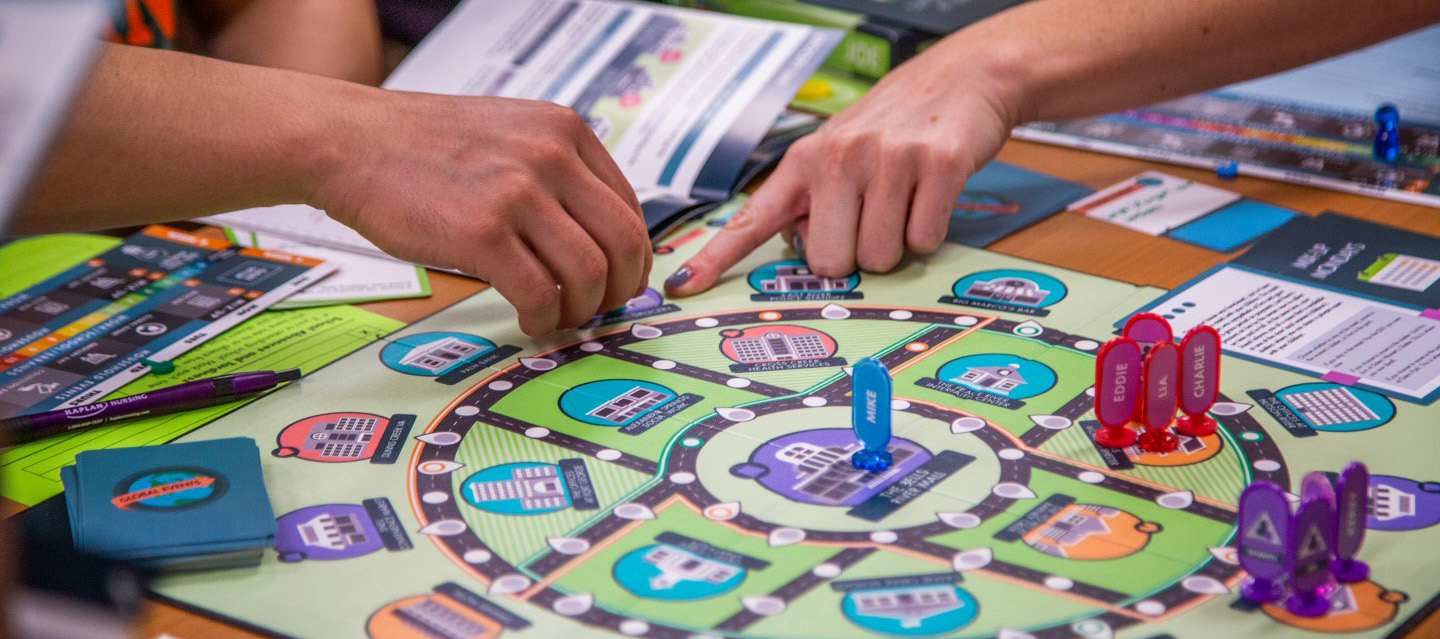
Simulations and games can be a fun and engaging way to learn about historical events and decision-making processes. They allow children to step into the shoes of historical figures and experience the challenges and opportunities they faced.
4. Documentaries and Movies: Visual Learning
Visual media can be a powerful tool for bringing history to life. Documentaries and movies can provide a visual context for historical events, making them more engaging and memorable.
5. Field Trips: Experiencing History Firsthand
Visiting historical sites, museums, and landmarks can provide a powerful and memorable learning experience. Field trips allow children to connect with history in a tangible way, making it more real and relevant.
Internal Link Suggestion: Link to a related article on planning educational homeschool field trips using the anchor text “homeschool field trips.”
Tailoring History to Different Age Groups
The way you approach history will need to adapt as your children grow. Here’s a breakdown of how to tailor your approach to elementary and middle school students:
Elementary School (Ages 6-11)
* Focus: Introduce basic concepts, timelines, and significant historical figures.
Middle School (Ages 11-14)
* Focus: Explore more complex historical events, analyze primary sources, and develop critical thinking skills.
Example: When studying the Civil War, read The Red Badge of Courage*, analyze primary source documents like letters from soldiers, and participate in a mock debate about the causes of the war.
Key Takeaway: Adapt your teaching methods to your children’s age and developmental level.
Curriculum Choices: Finding the Right Fit
Choosing a history curriculum can be overwhelming, with so many options available. Here are some factors to consider when making your selection:
Curriculum Options:
External Link Suggestion: Link to Cathy Duffy Reviews (cathyduffyreviews.com) as a resource for homeschool curriculum reviews using the anchor text “homeschool curriculum reviews.”
Integrating History with Other Subjects
History doesn’t have to be taught in isolation. Integrate it with other subjects to create a more cohesive and engaging learning experience.
Example: When studying ancient Greece, read The Odyssey, study maps of Greece, create Greek pottery, listen to Greek music, and write a play based on a Greek myth.
Resources and Tools for Homeschool History
There are countless resources and tools available to help you teach history to your homeschoolers. Here are a few to get you started:
Avoiding Common Pitfalls
Teaching history can be challenging, but avoiding these common pitfalls can make the process smoother and more enjoyable:
Key Takeaway: Be mindful of these pitfalls and strive to create a balanced, engaging, and thought-provoking history curriculum.
Making History a Family Affair
One of the best things about homeschooling is the opportunity to learn together as a family. Make history a family affair by:
By making history a family affair, you can create lasting memories and foster a love of learning that will last a lifetime.
Conclusion: Embracing the Journey Through Time
Teaching history to your homeschoolers is an incredible opportunity to unlock the past and inspire a lifelong love of learning. By ditching the textbook, embracing creative approaches, tailoring your curriculum to different age groups, and making history a family affair, you can create a rich and engaging learning experience for your children. Remember that history is more than just dates and names; it’s a tapestry of stories, cultures, and events that have shaped the world we live in. Embrace the journey through time and discover the wonders of history together.
Call to Action: What are your favorite ways to teach history to your homeschoolers? Share your tips and ideas in the comments below! Sign up for our newsletter to receive more homeschooling tips and resources. Consider joining a local homeschool co-op to share resources and ideas with other families.


0 Comments