

Unlocking the Past: A Homeschooler’s Guide to Teaching History to Elementary and Middle Schoolers
History: it’s so much more than just dates and names etched in textbooks. It’s a vibrant tapestry woven with stories of triumphs, struggles, inventions, and the everyday lives of people who came before us. As homeschool parents, we have the amazing opportunity to bring this tapestry to life for our elementary and middle schoolers, fostering a lifelong love of learning and a deep understanding of the world around them. But where do you start? How do you make history engaging, memorable, and, dare we say, fun?
This guide is designed to equip you with the tools, ideas, and inspiration you need to embark on a historical adventure with your children. We’ll explore different approaches to teaching history, delve into engaging activities, and discover resources that will transform your homeschool into a time-traveling classroom. Get ready to unlock the past and watch your children’s eyes light up as they connect with the fascinating stories of history!
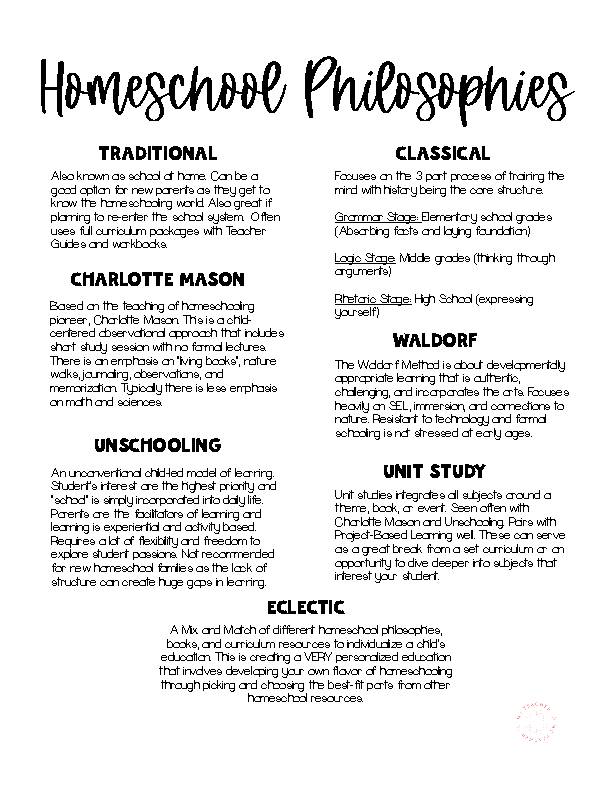
Laying the Foundation: Choosing Your Homeschool History Curriculum
Before diving into specific eras or events, it’s important to consider the overall approach you want to take to teaching history. There are several popular curriculum options available, each with its own strengths and weaknesses. Here’s a breakdown to help you choose the best fit for your family:
- Textbook-Based Curriculum: These programs provide a structured and comprehensive overview of history, often following a chronological timeline. They typically include textbooks, workbooks, and teacher’s guides.
- Pros: Organized, thorough, and easy to implement.
- Cons: Can be dry or overwhelming, may require significant reading.
- Example: Story of the World, The Mystery of History
- Living Books Approach: This method focuses on using engaging, narrative-driven books to bring history to life. These books, often written from a personal perspective, emphasize the human element of historical events.
- Pros: Engaging, fosters a love of reading, and promotes critical thinking.
- Cons: Requires more planning and sourcing of materials, may not be as comprehensive as a textbook-based curriculum.
- Example: Beautiful Feet Books, Sonlight
- Unit Study Approach: Unit studies allow you to delve deeply into specific historical periods or topics, using a variety of resources and activities. This approach is highly flexible and can be tailored to your children’s interests.
- Pros: Highly engaging, allows for in-depth exploration, and caters to different learning styles.
- Cons: Requires significant planning and resource gathering, may not provide a comprehensive overview of history.
- Example: Creating your own unit studies using library books, documentaries, and online resources.
- Online History Programs: These programs offer interactive lessons, videos, and activities through a digital platform. They can be a great option for visual learners or families who prefer a more hands-on approach.
- Pros: Engaging, interactive, and often include assessments and progress tracking.
- Cons: Can be expensive, may require significant screen time, and may not be suitable for all learning styles.
- Example: Khan Academy, Crash Course Kids
- Storytelling: Read aloud engaging historical fiction or biographies. Encourage your children to act out scenes or create their own stories based on what they’ve learned.
- Example: Read “The Magic Tree House” series and then create a diorama of the historical period they visited.
- Hands-On Activities: Engage your children’s senses with hands-on activities that bring history to life.
- Example: Build a model of an ancient Egyptian pyramid using sugar cubes, or create a Roman mosaic using colored paper.
- Arts and Crafts: Use arts and crafts to explore historical themes and cultures.
- Example: Make a Native American headdress, design a medieval shield, or create a timeline of important historical events.
- Field Trips: Visit historical sites, museums, and landmarks to provide real-world learning experiences.
- Example: Visit a local historical society, a reconstructed colonial village, or a Native American cultural center.
- Games and Puzzles: Use games and puzzles to reinforce historical concepts and make learning fun.
- Example: Play a historical board game, create a history-themed crossword puzzle, or use online resources to find interactive history games.
- Dress-Up and Role-Playing: Encourage your children to dress up in historical costumes and role-play historical events.
- Example: Host a historical tea party, act out a famous speech, or recreate a historical battle.
- Research Projects: Encourage your children to research specific historical topics and present their findings in a variety of formats.
- Example: Write a research paper on the causes of the American Revolution, create a presentation on the life of a famous historical figure, or design a website about a particular historical event.
- Debates and Discussions: Engage your children in debates and discussions about historical events and issues.
- Example: Debate the merits of the Louisiana Purchase, discuss the impact of the Industrial Revolution, or analyze the causes of World War I.
- Primary Source Analysis: Introduce your children to primary sources, such as letters, diaries, and photographs, to provide firsthand accounts of historical events.
- Example: Analyze letters written by soldiers during the Civil War, examine photographs from the Dust Bowl, or read excerpts from the diary of Anne Frank.
- Historical Simulations: Participate in historical simulations that allow your children to experience historical events firsthand.
- Example: Participate in a mock trial of a historical figure, recreate a historical negotiation, or simulate a historical battle.
- Documentary Film Studies: Watch and analyze historical documentaries to gain a deeper understanding of historical events and perspectives.
- Example: Watch a documentary about the Civil Rights Movement and discuss its impact on American society.
- Creative Writing: Encourage your children to express their understanding of history through creative writing.
- Example: Write a fictional diary entry from the perspective of a historical figure, create a historical play, or write a poem about a historical event.
- Living History Museums and Historical Sites: Look for opportunities to visit living history museums and historical sites near you. These sites offer immersive experiences that bring history to life.
- Tip: Check for homeschool days or special events that offer discounted admission and tailored programming.
- Libraries and Online Archives: Utilize your local library and online archives to access a wealth of historical information, including books, primary sources, and photographs.
- Tip: Explore online archives such as the Library of Congress, the National Archives, and the British Library.
- Educational Websites and Apps: Take advantage of the many educational websites and apps that offer interactive lessons, videos, and activities.
- Tip: Explore websites such as Khan Academy, National Geographic Kids, and PBS LearningMedia.
- Historical Fiction and Biographies: Incorporate historical fiction and biographies into your curriculum to make history more engaging and relatable.
- Tip: Look for books that are well-researched and accurately portray historical events and characters.
- Documentary Films and Television Series: Use documentary films and television series to provide visual and engaging learning experiences.
- Tip: Choose documentaries that are reputable and provide balanced perspectives on historical events.
- Podcasts and Audiobooks: Listen to historical podcasts and audiobooks during car rides or quiet time to supplement your curriculum.
- Tip: Explore podcasts such as “Stuff You Missed in History Class” and “The History Chicks.”
- Discuss current events in the context of historical events.
- Example: Discuss the current refugee crisis in the context of historical migrations and displacement.
- Explore the historical roots of contemporary issues.
- Example: Explore the historical roots of racial inequality in the United States.
- Connect historical figures to modern-day leaders and innovators.
- Example: Compare the leadership styles of Abraham Lincoln and Martin Luther King Jr.
- Discuss the lessons that can be learned from historical events.
- Example: Discuss the lessons that can be learned from the Holocaust.
- Encourage your children to reflect on their own place in history.
- Example: Encourage your children to think about how they can contribute to a better future.
- Address diverse learning styles: Use a variety of teaching methods and activities to cater to different learning styles.
- Tip: Incorporate visual aids, hands-on activities, auditory learning, and kinesthetic learning.
- Manage information overload: Break down complex topics into smaller, more manageable chunks.
- Tip: Focus on key concepts and avoid getting bogged down in unnecessary details.
- Maintain engagement: Keep lessons engaging by incorporating interactive activities, games, and multimedia resources.
- Tip: Let your children’s interests guide your curriculum choices.
- Address bias and perspective: Be aware of potential biases in historical sources and present multiple perspectives on controversial events.
- Tip: Encourage critical thinking and open discussion.
- Stay organized: Create a system for organizing your curriculum materials, resources, and activities.
- Tip: Use a planner, binder, or digital tool to keep track of your progress.
- Link to a blog post about “Homeschooling Methods for Different Learning Styles” when discussing addressing diverse learning styles. Anchor text: “Homeschooling Methods”
- Link to a resource page with “Free Printable History Timelines” when discussing creating timelines. Anchor text: “Free History Timelines”
- Link to a blog post about “Best Historical Fiction Books for Middle Schoolers” when discussing engaging activities for middle school students. Anchor text: “Historical Fiction Books”
- Link to the Library of Congress website (loc.gov) when discussing online archives. Attribute: rel=”noopener noreferrer”
- Link to Khan Academy’s history section (khanacademy.org) when discussing educational websites. Attribute: rel=”noopener noreferrer”
- Link to the National Archives website (archives.gov) when discussing online archives. Attribute: rel=”noopener noreferrer”
- Include social sharing buttons at the beginning and end of the article.
- Use a compelling meta description that encourages readers to click through from social media.
- Use relevant hashtags when sharing the article on social media, such as #homeschoolhistory, #homeschooling, #historyeducation, #elementaryhistory, #middleschoolhistory.
Choosing the Right Fit: Consider your children’s learning styles, your teaching preferences, and your budget when selecting a curriculum. Don’t be afraid to mix and match different approaches to create a customized learning experience. Remember, the goal is to make history engaging and accessible for your children, fostering a lifelong love of learning.
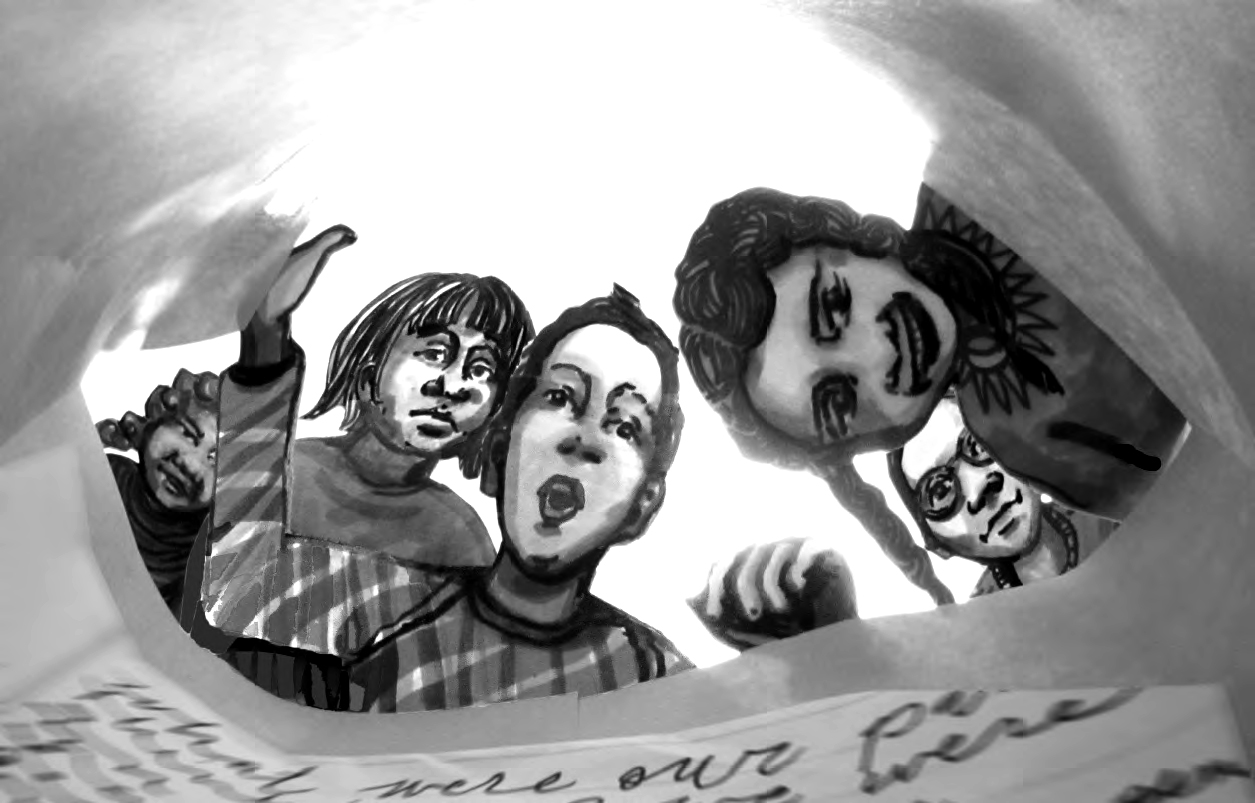
Bringing History to Life: Engaging Activities for Elementary Students
Elementary school is the perfect time to spark a child’s curiosity about history. Focus on creating a fun and engaging learning environment that encourages exploration and discovery. Here are some ideas to get you started:
The Power of Play: Remember that play is a powerful learning tool for elementary students. Incorporate games, activities, and creative expression to make history come alive. Focus on creating memorable experiences that will spark their curiosity and ignite their passion for learning.

Deepening Understanding: Engaging Activities for Middle School Students
As your children enter middle school, they are ready to delve deeper into historical concepts and develop critical thinking skills. Here are some activities to help them explore history in a more nuanced and engaging way:
Developing Critical Thinking: Middle school is a crucial time to develop critical thinking skills. Encourage your children to analyze historical events from multiple perspectives, evaluate sources, and form their own informed opinions. Focus on fostering a deeper understanding of the complexities of history and its relevance to the present day.

Resources for Homeschool History: Books, Websites, and Beyond
No matter your chosen curriculum or teaching style, having access to a variety of resources is essential for creating a rich and engaging learning experience. Here are some valuable resources to consider:
Curating Your Resources: The key is to curate a collection of resources that aligns with your curriculum goals and your children’s interests. Don’t be afraid to explore different options and discover what works best for your family. Remember, the goal is to create a rich and engaging learning environment that fosters a lifelong love of history.
Making History Relevant: Connecting the Past to the Present
One of the most important aspects of teaching history is helping children understand its relevance to the present day. By connecting the past to the present, you can help them see how historical events and ideas have shaped the world we live in and how they can learn from the successes and failures of those who came before them. Here are some ideas for making history relevant:
The Power of Perspective: By connecting the past to the present, you can help your children develop a deeper understanding of the world around them and their own place in it. Focus on fostering critical thinking skills and encouraging them to reflect on the lessons that can be learned from history.
Overcoming Challenges: Tips for Teaching History in Your Homeschool
Teaching history can be a rewarding experience, but it can also present challenges. Here are some tips for overcoming common obstacles:
Embrace the Journey: Remember that teaching history is a journey, not a destination. Be patient, flexible, and willing to adapt your approach as needed. Focus on creating a positive and engaging learning environment that fosters a lifelong love of history.
Conclusion: A Lifelong Adventure in Learning
Teaching history to your elementary and middle schoolers is an investment in their future. By fostering a love of learning and a deep understanding of the past, you are equipping them with the knowledge, skills, and perspectives they need to navigate the complexities of the world and become informed, engaged citizens. Embrace the adventure, explore the possibilities, and watch your children’s minds come alive as they discover the fascinating stories of history. Remember, the journey is just as important as the destination. Enjoy the ride!
Take Action: Start planning your next history lesson today! Explore the resources mentioned in this article, choose a curriculum that aligns with your family’s needs, and create engaging activities that will spark your children’s curiosity and ignite their passion for learning.
Internal Linking Suggestions:
External Linking Suggestions:
Social Sharing Optimization:


0 Comments