
body {font-family: Arial, sans-serif; line-height:1.6; color:#222; padding:20px; max-width:900px; margin:auto;}
h1,h2,h3 {color:#0a5a3a;}
p {margin:0 0 12px 0;}
ul, ol {margin:0 0 12px 20px;}
.cta {background:#0a5a3a;color:#fff;padding:12px;border-radius:6px;display:inline-block;text-decoration:none;}
blockquote {border-left:4px solid #ddd;padding-left:12px;color:#555;}
.key {font-weight:bold;color:#0a5a3a;}
table {border-collapse:collapse;width:100%;margin:12px 0;}
th,td {border:1px solid #ddd;padding:8px;text-align:left;}
.meta {color:#666;font-size:14px;margin-bottom:8px;}
Wildlife Adventures: Explore Animal Habitats with Engaging Coloring Pages
Introduce creativity, science, and outdoor curiosity with a fun, educational resource: habitat-based coloring pages. This article shows parents, teachers, and activity leaders how to use printable and digital coloring pages to teach animal habitats, spark wildlife interest, and support developmental skills. You’ll learn why habitat-focused coloring is effective, how to choose or create pages for different age groups, step-by-step lesson plans, cross-curricular activities, accessibility and printing tips, plus ready-to-use examples and recommended external resources.
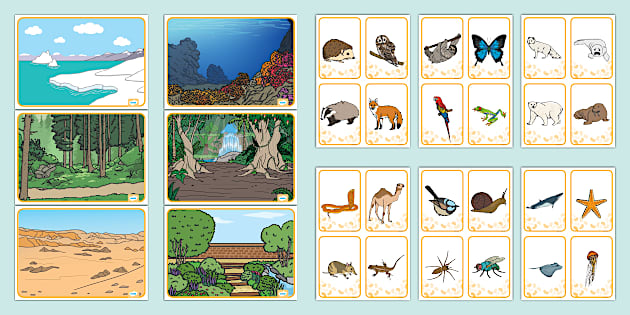
Why coloring pages about animal habitats work: benefits for learning and development
Coloring is more than a quiet activity — when paired with accurate habitat content, it becomes a multisensory learning tool. Here are the main benefits:
- Cognitive development: Identifying animals and their environments builds classification skills and background knowledge about ecosystems.
- Fine motor skills: Coloring inside lines, tracing patterns, and cutting pages improve hand-eye coordination and pencil control.
- Language and literacy: Discussing habitats, reading short captions, and following simple instructions support vocabulary growth and comprehension.
- Environmental awareness: Habitat-focused activities foster empathy for wildlife, conservation thinking, and curiosity about biodiversity.
- Social-emotional learning: Group coloring encourages teamwork and sharing; solo projects boost focus and self-expression.
- Rainforest: dense canopy, tropical birds, jaguars, frogs, lianas
- Savanna and grasslands: acacia trees, elephants, lions, zebras, seasonal waterholes
- Desert: sand dunes, cacti, camels, fennec foxes, nocturnal scenes
- Wetlands and marshes: reeds, herons, beavers, amphibians, migratory bird stopovers
- Freshwater rivers and lakes: fish, otters, turtles, riparian vegetation
- Oceans and coral reefs: coral formations, reef fish, sea turtles, shark silhouettes
- Temperate forests: deciduous trees, deer, squirrels, seasonal leaf changes
- Arctic and tundra: polar bears, seals, snowy landscapes, tundra plants, permafrost features
- Urban habitats: city parks, pigeons, raccoons, foxes adapting to human environments
- Clear outlines and varied line thickness — thick outer lines for overall shapes, thinner inner lines for habitat details.
- Scale and composition — show animals in context (e.g., a crocodile near a riverbank) to teach spatial relationships.
- Labels and captions — include short, age-appropriate labels (animal names, habitat features) and a one-sentence fun fact.
- Interactive prompts — add simple tasks like “shade the canopy green” or “draw a food chain arrow.”
- Accessibility considerations — high-contrast lines, large areas for younger children or those with fine-motor challenges.
- Simple shapes, large coloring areas, basic animal outlines.
- Use bright, familiar colors and single-word labels (e.g., “Elephant — Savanna”).
- Include matching and identification tasks (e.g., match footprints to animals).
- Moderate detail, short facts (1–2 sentences), and prompts to color habitat features correctly.
- Introduce concepts like food, shelter, and climate.
- Encourage descriptive writing: “Write two words describing this habitat.”
- Complex scenes showing food chains and human impacts; include questions for discussion or research.
- Prompt independent projects (create a brochure, design a conservation poster).
- Include data-driven activities (e.g., track animal populations or migration routes).
- Objective: Identify rainforest layers and common animals that live in each layer.
- Materials: Rainforest coloring sheet (labeled canopy, understory, forest floor), crayons/markers, sticky notes.
- Steps:
- Begin with a 5-minute question: “What lives in the treetops?”
- Give each student the rainforest coloring page; read the one-sentence facts together.
- Color each layer using a different color palette; place sticky notes naming animals in the layer where they live.
- Wrap-up: students share a favorite animal and one habitat fact.
- Extension: Pair with a short video about canopy biodiversity.
- Objective: Create a mini-book featuring five habitats with facts, drawings, and conservation tips.
- Materials: Printable habitat coloring pages (5 types), stapler, construction paper, markers, glue.
- Steps:
- Assign one habitat per day; students color and add two facts plus one threat to the habitat.
- Compile pages into a booklet and design a cover with a conservation pledge.
- Host a sharing session where students present their habitat and suggest actions to help wildlife.
- Objective: Reinforce measurement and data skills by creating scaled habitat maps.
- Materials: Coloring pages of a habitat scene, ruler, graph paper, colored pencils.
- Steps:
- Students color the habitat and then create a 1:100 scale map of the scene on graph paper.
- Calculate area percentages for water, vegetation, and built space (if urban habitat).
- Discuss how changes in area (e.g., reduced wetland) affect resident species.
- PDF for print — optimized at 300 DPI, letter (8.5 x 11 in) size, with bleed options if needed.
- PNG/SVG for web and interactive apps — SVGs scale without loss of quality and can be styled or colored in-browser.
- Interactive coloring pages (HTML5/canvas) — allow kids to color on tablets or computers; include savable exports.
- Provide a clear license: free for educational use with attribution, or specify commercial terms if selling.
- Use Creative Commons Attribution (CC BY) for wide sharing, or CC BY-NC for noncommercial use.
- Include alt text and simple descriptions for each file to support screen readers and accessibility tools.
- Offer high-contrast line art and large coloring zones for children with low vision or fine-motor difficulties.
- Include text in plain language; offer audio-read versions for early readers and students with dyslexia.
- Provide multicultural representation in animals and people featured in urban habitat pages and conservation scenes.
- Design activities with multiple entry points — simplified tasks for beginners and research prompts for advanced students.
- Pre/post quizzes: three-question check on habitat features (e.g., “Which habitat has permafrost?”).
- Observation checklists: note fine-motor improvements, ability to follow labels, and participation in discussions.
- Project rubrics for booklets and maps: evaluate accuracy, creativity, and conservation understanding.
- National Geographic Kids
- WWF — Education Resources
- OpenClipart (verify individual licenses)
- Choose a habitat and identify 4–6 representative species and 3 habitat features to include.
- Collect reference photos (use free resources or your own images). Ensure accuracy for distinguishing features.
- Sketch the composition with clear foreground, midground, and background elements.
- Digitize your sketch: scan or draw directly in a vector program (Inkscape, Illustrator).
- Create bold outlines and simplified interior details. Add labels and a one-line fact box.
- Export as PDF for print and SVG/PNG for digital use. Test print at 100% scale to check line weights.
- Build 3D dioramas from colored pages — cut, fold, and set animals in layered habitats.
- Conduct a habitat field study: compare classroom pages to a local park and document differences.
- Use coding: have older students create a simple interactive page where clicking animals reveals facts (Scratch or HTML/CSS/JS).
- Data visualization: chart the number of species per habitat and discuss biodiversity patterns.
- Offer a free sample pack (e.g., 3 habitats) and a paid premium bundle with 20+ pages, lesson plans, and printable booklets.
- Use soft CTAs: “Subscribe for a free habitat coloring pack” near the content download area.
- Place a more direct CTA on resource pages: “Buy the classroom bundle — includes standards-aligned lesson plans.”
- Run occasional fundraisers: allow users to donate to a wildlife charity in exchange for exclusive prints; clearly state the split or beneficiary.
- Target long-tail keywords in subheadings: “free printable rainforest coloring pages for preschool” or “arctic habitat coloring sheet PDF.”
- Create hub pages for each habitat that link to individual coloring sheets (internal link structure improves crawlability).
- Include schema markup for CreativeWork and EducationalAudience to improve rich results—recommendation provided below.
- Publish classroom-ready lesson plans alongside printables to target teacher search intent and increase dwell time.
- “Rainforest coloring pages” — link to rainforest hub page
- “Habitat lesson plans” — link to your lesson plan repository
- “Printable habitat booklet” — link to product or free download
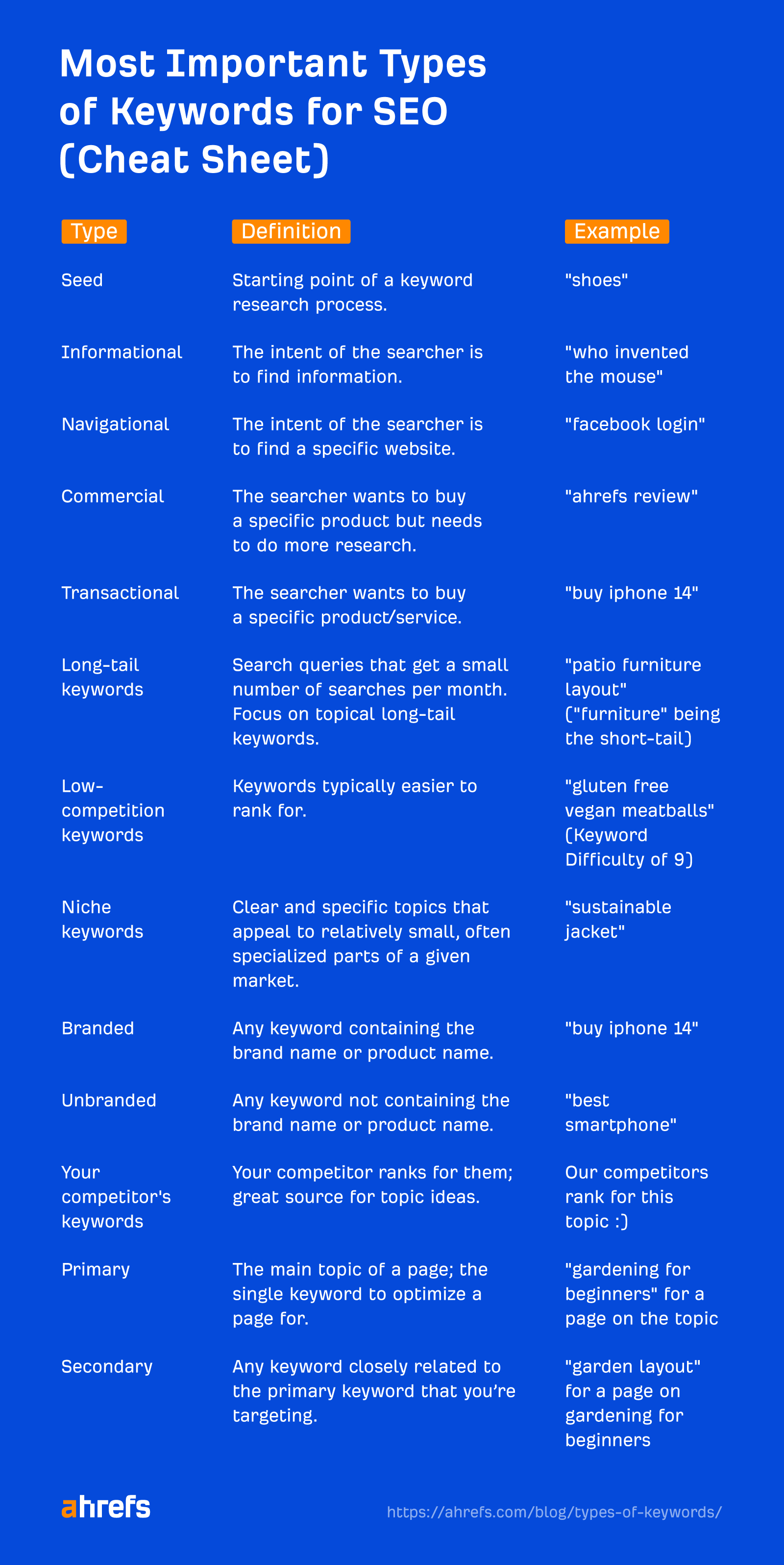
Primary keywords and SEO notes
For SEO impact, use the primary keywords across headings and naturally in the introduction, body, and conclusion (aim ~1–2% density). Include semantic terms like “ecosystems coloring,” “habitat education activities,” “animal habitat printables,” and long-tail phrases such as “coloring pages for rainforest animals” or “arctic habitat coloring sheet for kids.”

Types of animal habitats to feature in coloring pages
To build a comprehensive collection, include diverse habitat types. Each habitat offers unique teaching moments and visual elements to color.

Designing engaging, educational coloring pages
High-quality coloring pages balance accurate detail with approachable design so learners of various ages can enjoy them.
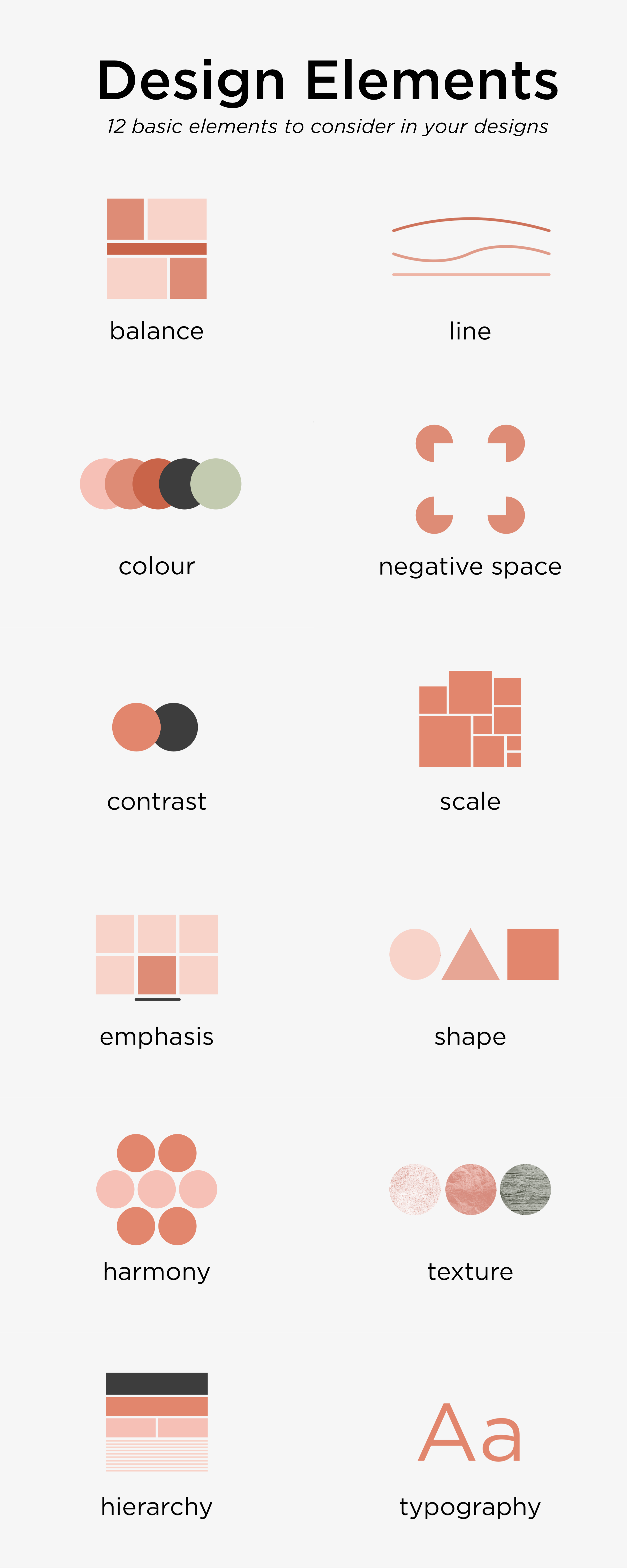
Key design elements
Age-specific recommendations
Preschool (ages 3–5)
Early elementary (ages 6–8)
Upper elementary and middle school (ages 9–13)
Lesson plans and activity ideas using habitat coloring pages
Below are practical lesson outlines that combine coloring pages with discussion, research, and hands-on activities. Each plan includes objectives, materials, and step-by-step guidance.
Mini-lesson: Discover the Rainforest (30–45 minutes)
Project: Habitat Booklet (multiple sessions)
Cross-curricular activity: Habitat Math and Mapping
Printable and digital distribution: formats, licensing, and accessibility
Decide how you’ll distribute coloring pages. Both printable PDFs and interactive digital formats have benefits.
File formats to offer
Licensing and usage notes
Accessibility and inclusivity tips
Make coloring resources welcoming to all learners by following inclusive design practices.
Assessment and learning outcomes: what to measure
Use simple assessments to track understanding and progress with habitat-themed coloring activities.
Case study: A classroom implementation that boosted engagement
At Greenfield Elementary, second-grade teachers integrated habitat coloring pages into a six-week unit on ecosystems. The approach combined weekly themed coloring pages, short read-alouds, and outdoor observation walks. Results included a 28% improvement in vocabulary scores related to habitats, increased voluntary participation in science club, and student-created conservation posters displayed in the school hallway.
“Coloring opened the door: students who avoided science activities were suddenly excited to show their artwork and explain where animals live.” — Ms. Harper, 2nd Grade Teacher
Free and paid resources: where to find high-quality habitat coloring pages
Below are recommended sources for accurate, classroom-ready coloring pages and interactive tools.
| Resource | Type | Notes / Use Case |
|---|---|---|
| National Geographic Kids | Printable sheets, articles | Authoritative images and facts for older kids |
| WWF Education | Printables, lesson plans | Conservation-focused pages with classroom activities |
| Project Noah | Community photo database | Use photos to create custom coloring outlines |
| OpenClipart / Pixabay (vector art) | SVG/PNG graphics | Good for creating scalable coloring pages (check licenses) |
| Teachers Pay Teachers | Paid printable packs | High-quality classroom-ready sheets, often bundled with lesson plans |
Suggested external links to include on your page (open in new window):
Creating your own habitat coloring pages: step-by-step guide
Design custom pages that match your curriculum or child’s interests using simple tools.
Creative extensions: turning coloring pages into STEAM projects
Use coloring pages as a springboard for hands-on STEM and arts activities that deepen habitat understanding.
Monetization and CTA strategies for websites offering coloring pages
If you’re publishing habitat coloring pages on a website, consider ethical monetization that supports education and conservation.
Get a free habitat coloring pack — join our newsletter
SEO and content strategy recommendations
Optimize your website pages to attract educators, parents, and homeschoolers searching for habitat resources.


0 Comments