
Unleash Your Inner Explorer: Engaging Homeschool Science with Wildlife-Themed Coloring Pages and Printables
Are you looking for a fun and engaging way to bring science to life in your homeschool? Do you want to spark a love of wildlife and nature in your children while incorporating valuable learning experiences? Look no further! Combining the joy of coloring with the wonders of the natural world, especially focusing on animal homes, offers a unique and memorable educational adventure. This article will explore how you can use wildlife-themed coloring pages and printables to create exciting homeschool science lessons that foster wildlife education and make learning fun, all while discovering the fascinating world of animal homes.

Why Wildlife-Themed Coloring Pages and Printables are Perfect for Homeschool Science
Integrating coloring pages and printables into your homeschool science curriculum offers a multitude of benefits, transforming learning from a chore into an enjoyable activity. This approach is especially effective when focusing on wildlife education and the intriguing topic of animal homes.
- Visual Learning: Coloring pages provide a visual representation of scientific concepts, making them easier for children to understand and remember. Seeing the intricate details of a beaver dam or the layered structure of a bird’s nest helps solidify their understanding.
- Hands-on Engagement: The act of coloring encourages active participation. Children aren’t just passively receiving information; they’re actively involved in creating and interpreting the image. This hands-on approach enhances learning and retention.
- Creative Expression: Coloring allows children to express their creativity while learning about science. They can choose colors, add details, and personalize their artwork, fostering a deeper connection to the subject matter.
- Relaxation and Focus: Coloring can be a calming and relaxing activity, helping children focus and concentrate on the task at hand. This is particularly beneficial for children who struggle with attention or anxiety.
- Accessibility: Printables are readily available online, often for free or at a low cost, making them an accessible and affordable resource for homeschoolers.
- Multi-Sensory Learning: Combining coloring with reading, writing, and discussion creates a multi-sensory learning experience that caters to different learning styles.
- Burrows: Groundhogs, prairie dogs, and rabbits create underground burrows for shelter and protection from predators. These burrows often consist of multiple chambers for sleeping, storing food, and raising young. A coloring page depicting a cross-section of a prairie dog burrow can illustrate the complexity of these underground structures.
- Lodges: Beavers are renowned for their impressive lodges, constructed from branches, mud, and stones. These lodges provide a safe haven in the middle of a pond or river. Use a printable diagram of a beaver lodge to explain how it helps beavers survive the winter.
- Dens: Foxes, wolves, and bears often utilize natural caves or hollow logs as dens. They may also dig their own dens in the ground. A coloring page showing a fox den with a family of foxes can be a great way to introduce the concept of parental care in mammals.
- Tree Hollows: Squirrels and other arboreal mammals often nest in tree hollows, providing them with protection from the elements and predators. A printable activity could involve matching different tree hollow dwellers to their preferred habitat.
- Cup Nests: Robins, sparrows, and finches build cup-shaped nests from twigs, grass, and mud, often lined with soft materials like feathers or fur. A coloring page of a robin’s nest with blue eggs can be a classic and engaging activity.
- Hanging Nests: Orioles and weaverbirds construct intricate hanging nests from plant fibers, suspended from tree branches. These nests provide protection from predators and the elements. A printable comparing different types of hanging nests could be a fascinating study.
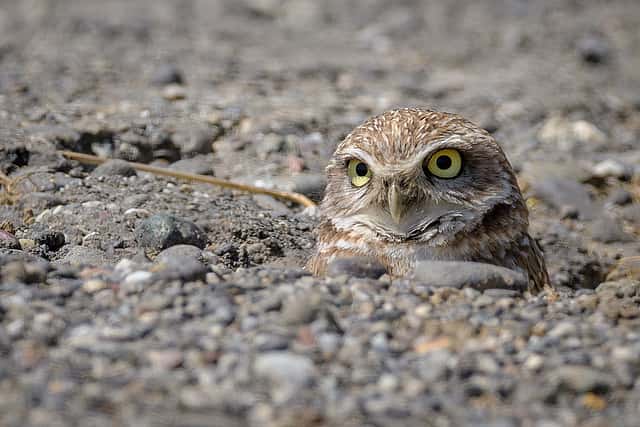
- Cavity Nests: Woodpeckers, bluebirds, and owls nest in tree cavities, either natural or excavated by the birds themselves. A coloring page of a woodpecker creating a cavity nest can illustrate the bird’s unique adaptations.
- Ground Nests: Killdeer and other ground-nesting birds build simple nests on the ground, often camouflaged with surrounding vegetation. A printable activity could involve creating a camouflaged nest model.
- Hives: Honeybees construct intricate hives from beeswax, consisting of hexagonal cells used for storing honey, pollen, and raising young. A coloring page of a honeycomb with bees can be a visually appealing and educational activity.
- Nests: Ants build complex nests in the ground, in trees, or even inside other structures. These nests can house millions of individuals and consist of multiple chambers and tunnels. A printable diagram of an ant colony can illustrate the social organization of these insects.
- Galleries: Termites create elaborate galleries in wood, often causing significant damage to buildings. These galleries provide shelter and protection for the termite colony. A coloring page of a termite gallery can be used to discuss the ecological role of termites.
- Solitary Nests: Many solitary insects, such as bees and wasps, build individual nests for their offspring. These nests can be found in the ground, in hollow stems, or in mud tubes. A printable activity could involve identifying different types of solitary insect nests.
- Coral Reefs: Corals build massive coral reefs, providing habitat for a vast array of marine organisms. A coloring page of a coral reef teeming with life can be a vibrant and engaging activity.
- Snail Shells: Snails carry their homes on their backs, providing protection from predators and the elements. A printable activity could involve comparing different types of snail shells.
- Burrows: Crabs, worms, and other marine invertebrates create burrows in the sand or mud, providing shelter and protection. A coloring page of a crab burrow can be used to discuss the adaptations of burrowing animals.
- Nests: Some fish, such as sticklebacks, build nests from aquatic vegetation. These nests provide a safe place for the fish to lay their eggs. A printable activity could involve building a miniature stickleback nest.
- Habitat Dioramas: Create miniature dioramas of different animal habitats using shoeboxes, construction paper, and natural materials. Use the coloring pages as inspiration for the animals and their homes.
- Nest Building Challenge: Gather natural materials like twigs, grass, and mud and challenge your children to build their own bird nests. Compare their nests to the nests depicted in the coloring pages.
- Animal Home Matching Game: Create a matching game with pictures of animals and their homes. Use the printables as a resource for creating the game.
- Scavenger Hunt: Organize a scavenger hunt in your backyard or local park, challenging your children to find signs of animal homes, such as burrows, nests, or tracks.
- Research Projects: Assign research projects on different types of animal homes. Have your children present their findings using the coloring pages as visual aids.
- Story Writing: Encourage your children to write stories about animals living in their homes. Use the coloring pages as inspiration for the stories.
- Nature Walks: Take nature walks and observe animal homes in their natural environment. Use the coloring pages to identify the animals and their homes.
- Animal Home Design Challenge: Challenge your children to design their own animal homes, taking into consideration the animal’s needs and the environment.
- Food Chain Activities: Illustrate food chains with coloring pages, showing how animals interact within their habitats and how their homes contribute to the ecosystem.
- Conservation Discussions: Use the study of animal homes to spark discussions about conservation and the importance of protecting wildlife habitats.
- Educational Websites: Many educational websites, such as National Geographic Kids, Scholastic, and Education.com, offer free coloring pages and printables on a variety of science topics.
- Homeschooling Blogs: Numerous homeschooling blogs provide free or low-cost coloring pages and printables specifically designed for homeschool science curricula.
- Online Marketplaces: Online marketplaces like Etsy and Teachers Pay Teachers offer a wide selection of high-quality coloring pages and printables created by independent artists and educators.
- Libraries: Check your local library for books containing coloring pages and printables related to animals and their habitats.
- Choose age-appropriate materials: Select coloring pages and printables that are appropriate for your children’s age and skill level.
- Integrate with other activities: Combine coloring with reading, writing, and hands-on activities to create a multi-sensory learning experience.
- Encourage creativity: Allow your children to express their creativity by choosing their own colors and adding details to the coloring pages.
- Provide context: Before starting a coloring page, provide background information about the animal and its home.
- Ask questions: Ask questions to encourage critical thinking and discussion about the science concepts.
- Make it fun: Keep the atmosphere relaxed and enjoyable, and focus on fostering a love of learning.
- Display the artwork: Display your children’s finished coloring pages to celebrate their accomplishments and reinforce their learning.
- Use high-quality paper: Print coloring pages on high-quality paper to prevent bleeding and ensure a better coloring experience.
- Incorporate technology: Use online coloring pages and interactive printables to add a digital element to your lessons.
- Review and reinforce: Regularly review the concepts learned through the coloring pages to reinforce understanding.
Using coloring pages and printables is a fantastic way to make homeschool science more engaging and accessible, especially when exploring wildlife education and the fascinating world of animal homes. It transforms learning into a playful adventure, fostering a lifelong love of science and nature.
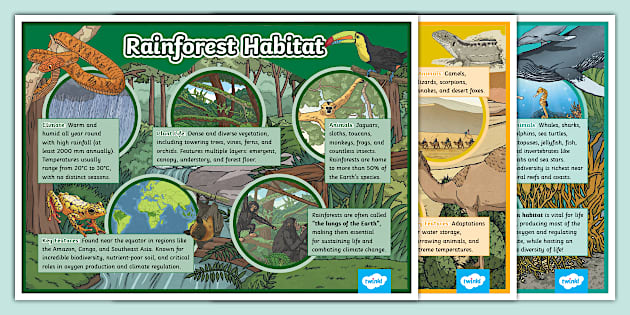
Exploring Animal Homes: A World of Habitats and Adaptations
The diversity of animal homes is truly remarkable, reflecting the incredible adaptations animals have developed to survive in their environments. From the simplest burrow to the most elaborate nest, each animal home tells a story of survival, ingenuity, and the intricate relationship between animals and their habitats. Using coloring pages and printables focused on animal homes is a fun and effective way to introduce these concepts in your homeschool science curriculum.
1. Mammal Homes: From Burrows to Lodges
Mammals exhibit a wide range of home-building behaviors.
Key Takeaway: Animal homes are not just shelters; they are carefully constructed environments that meet the specific needs of the animal.

2. Bird Nests: Masterpieces of Engineering
Bird nests are marvels of natural engineering, showcasing a remarkable diversity of shapes, sizes, and materials.
Key Takeaway: Bird nests demonstrate incredible adaptations to protect eggs and young from predators and the environment.

3. Insect Homes: Colonies and Solitary Dwellings
Insects exhibit a wide range of home-building behaviors, from complex social colonies to solitary nests.
Key Takeaway: Insect homes range from highly organized colonies to solitary nests, each reflecting the insect’s social behavior and life cycle.
4. Aquatic Homes: Underwater Shelters
Aquatic animals create a variety of homes in underwater environments.
Key Takeaway: Aquatic homes provide shelter, protection, and breeding grounds for a diverse range of marine life.
Activities to Enhance Learning Fun with Coloring Pages and Printables
Integrating coloring pages and printables into your homeschool science lessons can be even more effective with the addition of hands-on activities. Here are some ideas to make learning fun while exploring wildlife education and animal homes:
Finding High-Quality Coloring Pages and Printables
Numerous online resources offer a wide variety of coloring pages and printables suitable for homeschool science lessons focused on wildlife education and animal homes. Here are a few suggestions:
Internal Link Suggestion: For more ideas on making homeschool fun, check out our article on “Creative Homeschooling: Engaging Your Kids with Hands-On Activities“
External Link Suggestion: Visit the National Wildlife Federation at nwf.org for extensive resources on wildlife education and conservation.
Optimizing Your Homeschool Science Lessons with Coloring Pages and Printables
To maximize the effectiveness of using coloring pages and printables in your homeschool science lessons, consider the following tips:
Conclusion: Embrace the Wonders of Wildlife Education
By incorporating wildlife-themed coloring pages and printables into your homeschool science curriculum, you can transform learning into an engaging and memorable adventure. Exploring the fascinating world of animal homes provides a unique opportunity to foster a love of nature, develop critical thinking skills, and spark a lifelong curiosity about the world around us. So, gather your coloring pages, grab your crayons, and embark on a journey of discovery with your children. Let the wonders of wildlife education come to life through the joy of learning fun!
Key takeaway: Coloring pages and printables are valuable tools for engaging children in homeschool science, particularly when exploring wildlife education and animal homes.
Don’t forget to share your creations! Post your completed coloring pages on social media using #HomeschoolScienceFun and inspire other families to explore the wonders of wildlife.
Call to Action: Sign up for our newsletter to receive exclusive coloring pages and printables and stay updated on the latest homeschool science resources!



0 Comments