
Exploring Animal Habitats: A Kid's Guide to Where Animals Live
Have you ever wondered where animals live and why they live there? Just like we need homes that suit our needs, animals also need special places called habitats. A habitat is like an animal's address – it provides everything an animal needs to survive, including food, water, shelter, and a safe place to raise their young. Understanding animal habitats is super important because it helps us protect animals and the places they call home. So, let's dive in and explore the amazing world of animal habitats! From the steamy rainforests to the icy Arctic, we'll discover the incredible diversity of homes that animals have adapted to. Get ready for an exciting adventure into the wild!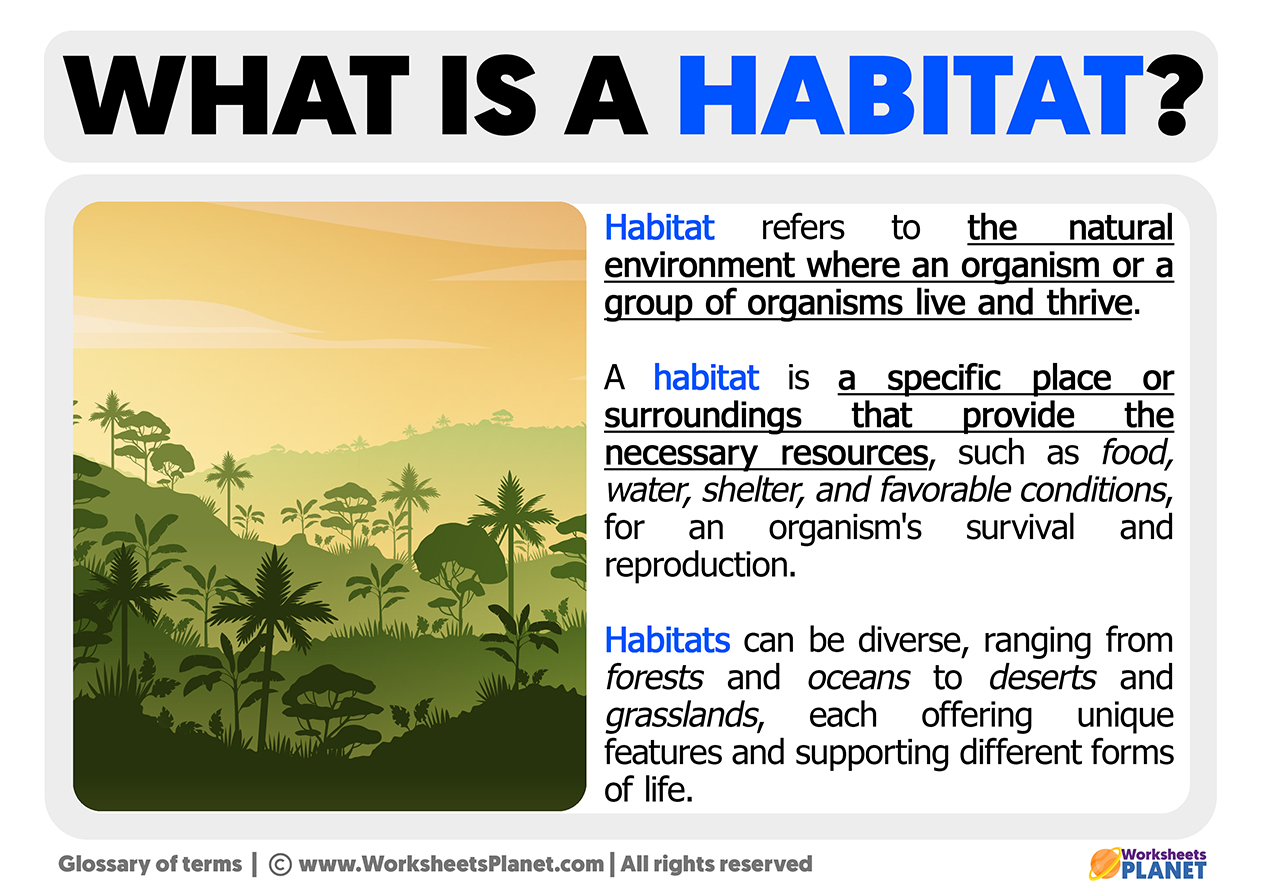
What is a Habitat?
Think of your own home. It has everything you need: a kitchen for food, a bathroom for water, a bedroom for sleep, and a roof to keep you safe. A habitat is the same for animals! A habitat is a natural environment where an animal lives and finds everything it needs to survive. This includes:- Food: Animals need to eat to get energy.
- Water: Just like us, animals need water to stay hydrated.
- Shelter: A safe place to protect themselves from weather and predators.
- Space: Enough room to move around, find food, and raise their young.
- Rainforests: These are warm, wet forests with lots of rain. They are home to an incredible variety of animals, like monkeys, toucans, jaguars, and colorful frogs. The Amazon rainforest in South America is the largest rainforest in the world! Rainforests are vital for our planet because they produce a lot of the Earth's oxygen.
- Deciduous Forests: These forests have trees that lose their leaves in the fall, like oak and maple trees. Animals like deer, squirrels, bears, and owls live in deciduous forests. You can find these forests in North America, Europe, and Asia.
- Coniferous Forests: These forests have trees with needles and cones, like pine and fir trees. Animals like moose, wolves, and eagles live in coniferous forests. These forests are often found in colder regions, like Canada and Russia.
- Animals of the Desert: Camels are famous for living in deserts because they can go for long periods without water. Other desert animals include snakes, lizards, scorpions, and desert foxes.
- Adaptations: Desert animals have special ways to survive the heat. Some are active at night when it's cooler, while others can store water in their bodies.
- Animals of the Grassland: Zebras, lions, elephants, and giraffes are some of the animals that live in African grasslands called savannas. In North American grasslands, you might find bison, prairie dogs, and coyotes.
- Importance of Grasslands: Grasslands are important for grazing animals and also help prevent soil erosion.
- Oceans: Oceans are the largest habitat on Earth, covering more than 70% of the planet's surface. They are home to fish, whales, dolphins, sharks, and countless other marine animals.
- Lakes and Rivers: Lakes and rivers are freshwater habitats that are home to fish, frogs, turtles, and beavers. These habitats are important for providing drinking water and supporting a variety of wildlife.
- Coral Reefs: Often called the "rainforests of the sea," coral reefs are vibrant underwater ecosystems teeming with life. They are home to colorful fish, sea turtles, and many other marine creatures. Coral reefs are very sensitive to changes in water temperature and pollution.
- Animals of the Arctic: Polar bears, seals, walruses, and arctic foxes are some of the animals that live in the Arctic. They have thick fur or blubber to keep them warm.
- Animals of the Antarctic: Penguins, seals, and whales are some of the animals that live in the Antarctic. They are adapted to survive in the freezing waters and icy landscapes.
- Camouflage: Some animals use camouflage to blend in with their surroundings. For example, a chameleon can change its color to match its environment, making it harder for predators to spot them.
- Migration: Some animals migrate, or move from one place to another, to find food or better weather conditions. Birds often migrate south for the winter to find warmer temperatures and more food.
- Hibernation: Some animals hibernate, or go into a deep sleep, during the winter to conserve energy. Bears, squirrels, and bats are some animals that hibernate.
- Nocturnal Behavior: Some animals are nocturnal, meaning they are active at night and sleep during the day. This helps them avoid the heat of the day in hot climates or find food more easily in the dark.
- Providing Clean Air and Water: Forests and wetlands help filter air and water, making them cleaner for us to use.
- Supporting Biodiversity: Habitats support a wide variety of plants and animals, which is important for a healthy ecosystem.
- Preventing Soil Erosion: Plants and trees help hold the soil in place, preventing it from washing away.
- Deforestation: Cutting down forests for timber, agriculture, and development destroys the habitats of countless animals.
- Pollution: Pollution from factories, cars, and farms can contaminate habitats, making them unsafe for animals to live in.
- Climate Change: Climate change is causing temperatures to rise, sea levels to rise, and extreme weather events to become more frequent. This can drastically alter habitats and make it difficult for animals to survive.
- Habitat Fragmentation: When habitats are broken up into smaller pieces by roads, buildings, and other developments, it can isolate animal populations and make it harder for them to find food and mates.
- Reduce, Reuse, and Recycle: By reducing our consumption, reusing items, and recycling materials, we can help reduce pollution and conserve resources.
- Plant Trees: Planting trees helps restore forests and provides habitat for animals.
- Support Conservation Organizations: Many organizations are working to protect animal habitats around the world. You can support them by donating, volunteering, or spreading awareness.
- Educate Others: Tell your friends and family about the importance of protecting animal habitats. The more people who care, the more we can do to make a difference.
- Visit National Parks and Wildlife Refuges: These protected areas provide habitat for animals and offer opportunities for people to learn about nature. Remember to be a responsible visitor and leave no trace behind.
- Conserve Water and Energy: Using less water and energy helps reduce pollution and conserve resources.
- Be a Responsible Pet Owner: Keep your pets indoors or on a leash to prevent them from harming wildlife.
- Coral reefs cover less than 1% of the ocean floor, but they support 25% of all marine life.
- The Sahara Desert is the largest hot desert in the world, covering an area of over 3.6 million square miles.
- Polar bears are perfectly adapted to survive in the Arctic, with thick fur, a layer of blubber, and large paws for walking on snow and ice.
- Some animals, like the tardigrade (also known as the "water bear"), can survive in extreme conditions, including outer space!
- Learn more about a specific animal habitat and share what you learn with others.
- Participate in a local cleanup event to help protect your local environment.
- Start a recycling program at your school or home.
- Write a letter to your elected officials urging them to support conservation efforts.
- Link to another article about deforestation when mentioning deforestation as a threat to habitats. Anchor text: "deforestation"
- Link to a page on your website about local conservation efforts when discussing ways to protect habitats. Anchor text: "local conservation efforts"
- Link to a resource about climate change when discussing the impact of climate change on animal habitats. Anchor text: "climate change"
- Link to the World Wildlife Fund (WWF) website when discussing conservation organizations. Attribute: rel="noopener noreferrer"
- Link to the National Geographic website for kids for more information about animal habitats. Attribute: rel="noopener noreferrer"
- Link to the Environmental Protection Agency (EPA) website when discussing pollution. Attribute: rel="noopener noreferrer"
If an animal's habitat doesn't provide these things, it can't survive. That's why it's so important to protect these special places!

Types of Habitats
Our planet is full of different habitats, each with its own unique characteristics and amazing animals. Let's explore some of the most fascinating ones:
Forests: The Green Kingdoms
Forests are like giant green kingdoms, filled with trees, plants, and all sorts of creatures. There are different types of forests, like rainforests, deciduous forests, and coniferous forests.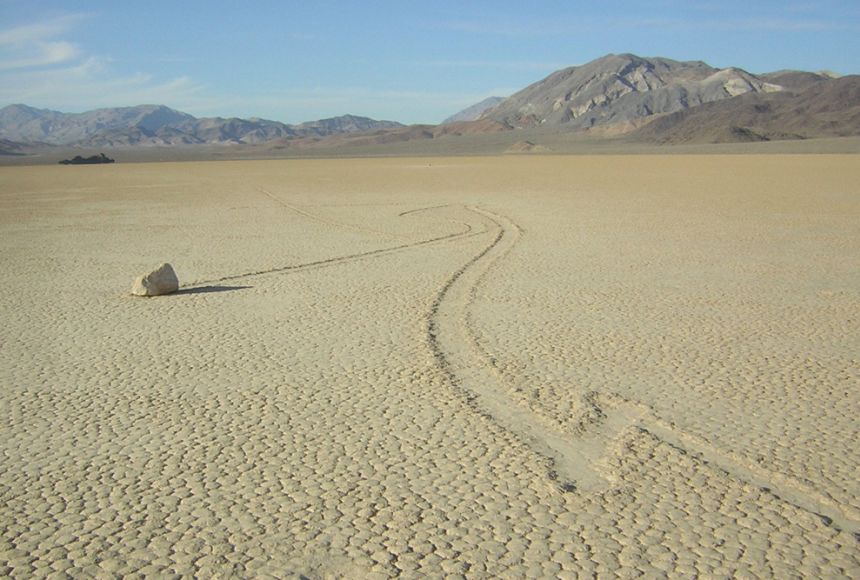
Deserts: Hot and Dry Lands
Deserts are hot, dry places with very little rainfall. But even though they might seem empty, deserts are home to some amazing animals that have adapted to survive in these harsh conditions.
Grasslands: Seas of Grass
Grasslands are large, open areas covered in grass. They can be found in many parts of the world and are home to grazing animals and predators.Aquatic Habitats: The Watery Worlds
Aquatic habitats are all about water! They include oceans, lakes, rivers, and ponds. These habitats are home to a vast array of creatures, from tiny plankton to giant whales.Polar Regions: The Icy Kingdoms
Polar regions are the coldest places on Earth, covered in ice and snow. But even in these extreme conditions, animals have found ways to survive.How Animals Adapt to Their Habitats
Animals have amazing ways of adapting to their habitats. Adaptation means that animals develop special features or behaviors that help them survive in their environment.Why are Habitats Important?
Habitats are super important because they provide everything animals need to survive. But they're also important for us! Healthy habitats help keep our planet healthy by:Protecting habitats is essential for protecting the planet and ensuring a healthy future for all living things.
Threats to Animal Habitats
Unfortunately, many animal habitats are threatened by human activities. This can have a devastating impact on animals and the environment. Some of the biggest threats include:How Can We Protect Animal Habitats?
The good news is that there are many things we can do to protect animal habitats! Here are some ideas:Fun Facts About Animal Habitats
* The Amazon rainforest is home to more species of plants and animals than any other habitat on Earth.Conclusion: Be a Habitat Hero!
Exploring animal habitats is an exciting way to learn about the amazing diversity of life on our planet. By understanding what habitats are, the different types of habitats, and the threats they face, we can all become habitat heroes and help protect these special places for future generations. Remember, every action, no matter how small, can make a difference. So, let's work together to protect animal habitats and ensure a healthy planet for all!Take Action Now:
By taking these steps, you can become a true habitat hero and make a positive impact on the world around you!
Internal Linking Suggestions:
External Linking Suggestions:


0 Comments