
Nurturing Emotional Intelligence: Teaching Kids to Recognize and Express Feelings Through Coloring
Have you ever wished your child could articulate their big feelings instead of melting down or bottling them up? In today's fast-paced world, equipping children with strong emotional intelligence (EI) is more crucial than ever. Emotional intelligence isn't just about being "nice"; it's about understanding, managing, and expressing one's own emotions, and navigating the emotions of others with empathy. For parents and educators of young children, fostering this vital skill can seem daunting, but what if a simple, enjoyable activity like coloring could be a powerful gateway to emotional awareness?This article will explore how the gentle art of coloring, particularly with dedicated feelings coloring page and printables, can become an invaluable tool in your journey to help children recognize emotions and express feelings. We'll delve into how this creative outlet provides a calm learning activity that promotes mindfulness for kids, making it a perfect addition to any homeschool SEL curriculum or classroom setting. By the end, you'll have practical strategies to transform a simple coloring session into a profound lesson in emotional literacy, empowering your little ones to navigate their inner world with confidence and grace.
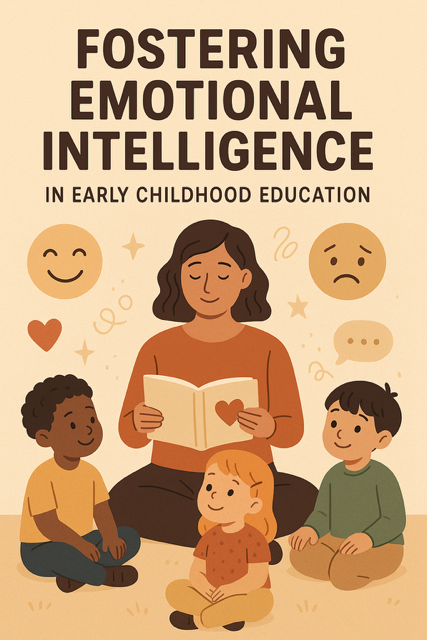
Understanding Emotional Intelligence in Young Children
Emotional intelligence is the capacity to understand and manage one's own emotions and to perceive and influence the emotions of others. For young children, this translates into a foundational set of skills that impact everything from their friendships to their ability to learn and problem-solve. Developing emotional intelligence early helps children build resilience, empathy, and self-regulation.When children are young, their emotional world is vast and often overwhelming. They experience joy, sadness, anger, fear, and frustration intensely, but often lack the vocabulary or understanding to process these sensations. This is where the intentional teaching of emotional awareness becomes essential. It’s not about suppressing emotions, but about giving children the tools to identify, understand, and express them in healthy, constructive ways. Helping children recognize and name their feelings is the first critical step towards emotional mastery.
Why Coloring is a Powerful Tool for Emotional Learning
Coloring is far more than just a pastime; it's a therapeutic and educational activity that offers a unique pathway to developing emotional intelligence. It provides a non-threatening, engaging environment for children to explore complex internal states.
A Calm Learning Activity for Emotional Exploration
The act of coloring itself is inherently calming. The repetitive motion, the focus on colors and shapes, and the quiet concentration all contribute to a state of mindfulness for kids. In this relaxed state, children are more receptive to learning and self-reflection. It’s a gentle way to introduce sensitive topics like feelings, allowing children to process information at their own pace without feeling pressured.- Reduces Stress and Anxiety: Coloring can lower cortisol levels, helping children unwind and release tension.
- Enhances Focus and Concentration: The activity encourages sustained attention, a valuable skill for emotional regulation.
- Promotes Self-Expression: Children can convey feelings through color choices and artistic interpretations, even before they have the words.
- Faces showing different emotions: Happy, sad, angry, surprised, scared, confused, proud.
- Characters in various emotional scenarios: A child sharing, a child comforting another, a child feeling left out.
- Abstract emotion representations: A calm wave, a fiery explosion, a sparkling joy.
- "What color are you choosing for this happy face? Why does that color feel like happiness to you?"
- "This character looks frustrated. Have you ever felt frustrated like that? What happened?"
- "If this picture could talk, what do you think it would say about how it's feeling?"
- "What helps you feel better when you feel [emotion depicted]?"
- Morning quiet time: A gentle start to the day, setting a positive emotional tone.
- Afternoon wind-down: A perfect way to decompress after school or intense play.
- Before bedtime: A calming ritual to process the day's events and emotions.
- Read a story: Find books that feature characters experiencing and navigating similar emotions.
- Role-play: Act out scenarios where characters might feel the emotion depicted in the coloring page.
- Create an "Emotion Jar": Write down different emotions on slips of paper and pull one out to discuss or color.
- "I see you're making a frustrated sound. Are you feeling like the character we colored yesterday?"
- "That made me feel [emotion]. How did it make you feel?"
- "What can we do to help you feel happier, like the smiling sun you colored?"
- Emotion Charades: Act out feelings and have others guess.
- Feeling Thermometers: Create a visual scale for emotion intensity (e.g., 1-5, from calm to furious).
- Mindful Moments: Practice deep breathing or simple meditation techniques. These are excellent calm learning activities that build on the focused attention developed during coloring.
- Emotion Journals: For older children, encourage drawing or writing about their feelings.

Bridging the Gap Between Feeling and Expression
Many children struggle to articulate what they're feeling. A simple "I'm mad" might actually encompass frustration, sadness, or disappointment. Feelings coloring page and printables offer a visual lexicon for these complex emotions. When a child colors a picture depicting a happy face, an angry monster, or a shy character, they are engaging with these emotions concretely. This visual representation helps them connect an abstract feeling to a recognizable image, making it easier to talk about.
Practical Strategies: Using Feelings Coloring Page and Printables
Integrating feelings coloring page and printables into your routine is straightforward and incredibly rewarding. Here’s how to maximize their potential for fostering emotional growth.Choosing the Right Printables
Look for feelings coloring page and printables that clearly depict a range of emotions through facial expressions, body language, or symbolic imagery. Some excellent options include:Many online resources offer free printables, making it easy to build a diverse collection. (Suggested External Link: Link to a reputable educational resource offering free feelings printables, e.g., a well-known parenting blog or non-profit educational site)
Guiding the Conversation During Coloring
The magic happens not just in the coloring, but in the conversation it sparks. As your child colors, engage them with open-ended questions:Key Takeaway: The goal is to validate their feelings and help them connect their internal experiences with external expressions.
Making it a Regular, Calm Learning Activity
Consistency is key. Incorporate feelings coloring page and printables into a regular routine. This could be:By making it a predictable part of their week, children will come to associate coloring with a safe space to explore and express their feelings. This transforms it into a true calm learning activity.
Integrating Emotional Awareness into Homeschooling and Beyond
Emotional intelligence is a lifelong skill that complements academic learning beautifully. For those following a homeschool SEL curriculum, feelings coloring activities are a natural fit.A Core Component of Homeschool SEL Curriculum
When designing a homeschool SEL curriculum, consider dedicated time slots for emotional literacy. Coloring can be a fantastic entry point. After coloring a specific emotion, you can:These activities reinforce the learning from the coloring pages, deepening your child’s understanding and ability to express feelings. (Suggested Internal Link: Link to an article on your site about "Developing a Comprehensive Homeschool SEL Curriculum").
Extending Emotional Awareness to Daily Life
The skills learned through coloring should extend beyond the paper. Encourage your child to use their new emotional vocabulary in everyday situations.By consistently connecting their current feelings to the visual cues and vocabulary they’ve learned, you empower them to recognize emotions in real-time.
Beyond the Page: Extending Emotional Expression
While coloring is a fantastic starting point, there are many ways to continue fostering emotional expression and mindfulness for kids.These activities, alongside regular use of feelings coloring page and printables, create a rich environment for emotional growth. They help children develop self-awareness, empathy, and effective coping strategies, preparing them for a lifetime of healthy emotional engagement.
Cultivating a Heartfelt Connection
Nurturing emotional intelligence in children is one of the most profound gifts we can offer them. It’s about more than just managing tantrums; it’s about building a foundation for resilience, empathy, and strong relationships. By embracing simple yet powerful tools like feelings coloring page and printables, we provide a gentle, engaging pathway for our children to recognize emotions and express feelings effectively. These calm learning activities are not just fun; they are essential components of a holistic homeschool SEL curriculum and a vital part of fostering mindfulness for kids.Through consistent practice and supportive conversations, you’ll watch your child blossom, gaining the confidence to navigate their emotional landscape with grace and understanding. Ready to embark on this enriching journey?
Foster emotional growth with our free emotional intelligence resources! Discover a wide array of feelings coloring page and printables, along with guides and activities designed to support your child's emotional development. Share this article with other parents and educators who are passionate about nurturing emotionally intelligent children.


0 Comments