
Developing Fine Motor Skills: Enhancing Pre-Writing Activities with Preschool Tracing Worksheets PDF
Helping young children develop fine motor skills is one of the most impactful things parents and preschool teachers can do to set them up for success in school and everyday life. Fine motor control underlies a child’s ability to hold a pencil, form letters, use scissors, button clothing, and manipulate small objects. This article explains why pre-writing practice matters, describes measurable activities to strengthen pencil control and hand coordination, and provides practical ways to use preschool tracing worksheets PDF resources effectively in both classroom and home settings. Read on to learn simple, research-supported strategies and ready-to-apply activities that support early childhood development and make learning to write engaging and fun.
Why Fine Motor Skills and Pre-Writing Practice Matter
Fine motor skills are the small muscle movements in the hands, fingers, and wrists. In early childhood development, these skills are foundational for academic tasks like handwriting and for everyday self-care tasks. Research links early fine motor competency with later academic achievement, particularly in literacy and math. Pre-writing practice helps children build the necessary strength, coordination, and visual-motor integration to move from scribbles to legible letters.
- Pencil control: The ability to manipulate a pencil precisely is essential for letter formation and consistent handwriting.
- Hand strength and endurance: Required to maintain grip and produce smooth lines over time.
- Bilateral coordination and crossing midline: Important for fluid hand movement across a page.
- Visual motor integration: Connecting what eyes see with hand actions to follow lines and shapes.
- Holding writing tools with a functional grasp (tripod or modified tripod)
- Drawing lines (vertical, horizontal), curves, and simple shapes
- Tracing and following visual paths
- Copying simple patterns and strokes
- Controlling pressure to produce light, consistent marks
- 3–4 years: Controlled vertical/horizontal strokes, simple shapes, palm grasp transitions
- 4–5 years: More accurate tracing, imitation of patterns, developing tripod grasp
- 5+ years: Letter formation begins, improved spacing and orientation
- Include large, clear paths and a progression from simple to complex strokes
- Offer varied line types—straight, curved, loops, zigzags—to build diverse skills
- Provide visual cues and starting points (dots/arrows) to teach directionality
- Allow for repetition without busy backgrounds that distract attention
- Use multisensory approaches—trace with fingers in sand trays first, then on paper to reinforce motor plans.
- Encourage correct pencil grasp early; offer pencil grips or larger triangular pencils if needed.
- Vary tools: crayons, markers, chalk, and dry-erase markers keep practice engaging and help with pressure control.
- Make tracing a short, focused activity (5–10 minutes) repeated across multiple days for consolidation.
- Play-Dough Play: Rolling, pinching, and forming shapes builds intrinsic hand muscle strength.
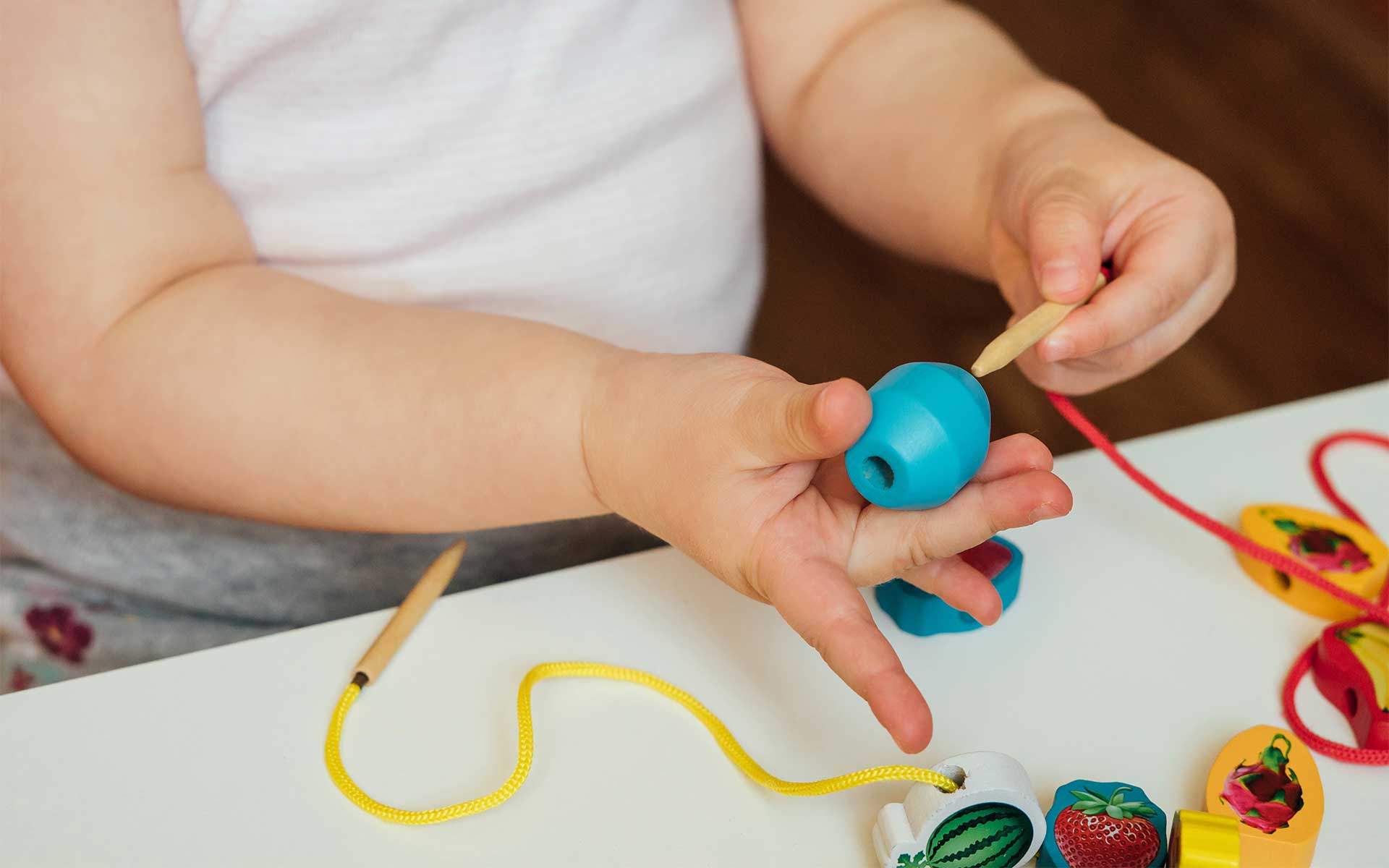
- Bead Stringing: Fine pincer use and eye-hand coordination for threading beads on strings.
- Clothespin Transfers: Squeezing clothespins to move objects improves thumb-index strength.
- Scissor Practice: Cutting along bold lines increases bilateral coordination (always supervise scissors use).
- Maze and Dot-to-Dot Games: Encourage steady hand movement and spatial planning.
- Offer child-sized furniture so feet are supported and shoulders relaxed.
- Provide proper lighting and minimal distractions while practicing.
- Model patience—celebrate small gains and avoid pushing for perfection.
- Use consistent, short practice sessions rather than long, infrequent ones.
- Photograph or save completed worksheets weekly to compare improvements in line-following, pressure control, and grasp.
- Note endurance: how long a child can maintain a tidy line before fatigue affects control.
- Observe grip changes: move from palmar/two-finger grasps toward tripod grasp over months of practice.
- Label toys and shelves with simple shapes and lines for tracing during play.
- Turn tracing into a sensory experience—trace lines in shaving cream, on foggy windows, or with finger paints.
- Use themed worksheets aligned with storytime topics (animals, seasons) to boost engagement.
- Early childhood curriculum resources — pair pre-writing activities with your lesson plans
- Classroom materials and printable packs — easy-to-print tracing pages
- American Occupational Therapy Association — resources on fine motor development (www.aota.org)
- Zero to Three — early development tips for parents (www.zerotothree.org)
- Child tracing a wavy line on a preschool tracing worksheet PDF using a crayon
- Teacher demonstrating pencil grip with a large classroom model pencil
Key Pre-Writing Skills to Target
Before children write letters, target these precursor skills:
Developmental Milestones by Age
* 2–3 years: Scribbling, exploratory marks, basic imitation of lines
Using Preschool Tracing Worksheets PDF Effectively
Preschool tracing worksheets PDF files are versatile, low-prep tools that can be used at home or in the classroom to reinforce pre-writing practice and pencil control. When chosen and used intentionally, they support gradual progression from guided tracing to independent writing.
How to Select Good Tracing Worksheets
Look for PDFs that:
Practical Ways to Use Tracing Worksheets
1. Introduce new stroke types with a group demonstration, modeling starting points and hand position.
Games and Activities That Improve Pencil Control
Supplement worksheets with playful, targeted activities that strengthen hand muscles and coordination:
Routine and Environment Tips
Set children up for success:
Assessing Progress and Adjusting Practice
Track progress with simple, informal checks:
If a child struggles despite consistent practice, consider consulting an occupational therapist for individualized evaluation and strategies. Early intervention is effective, and targeted exercises can accelerate improvements.
Integrating Tracing Practice into Daily Routines
Make pre-writing practice part of everyday life to normalize and reinforce skills:
Resources, Links, and Classroom Suggestions
Suggested internal links for your site:
Recommended external resources:
Image alt text suggestions:
Conclusion
Developing fine motor skills and pencil control is a gradual, rewarding process that benefits from short, consistent practice and playful, varied activities. Preschool tracing worksheets PDF resources offer an accessible, structured way to guide pre-writing practice and help children gain the confidence and control needed for handwriting. Combine worksheets with multisensory exercises, monitor progress, and create supportive learning environments to maximize gains. With thoughtful practice, most children will naturally progress from tracing lines to writing letters with ease.
Ready to help your students or child master pencil control? Download our preschool tracing worksheets PDF for mastering pencil control and begin a structured, fun pre-writing program today.


0 Comments