
Developing Fine Motor Skills: Enhancing Pre-Writing Activities for Preschoolers
Introduction
Early childhood development is full of exciting milestones, and learning to hold a pencil and form marks on paper is one of the most important stepping stones toward literacy. For preschool teachers and parents of toddlers, laying a strong foundation in fine motor skills and pencil control can make later handwriting instruction less frustrating and far more successful. In this article, you’ll learn why fine motor development matters, which pre-writing activities work best, and how to structure playful practice that builds confidence. You’ll also find practical tips for assessment, differentiation, and classroom or home-friendly resources — including a free preschool tracing worksheets PDF designed to help children master pencil control.
Why Fine Motor Skills Matter in Early Childhood Development
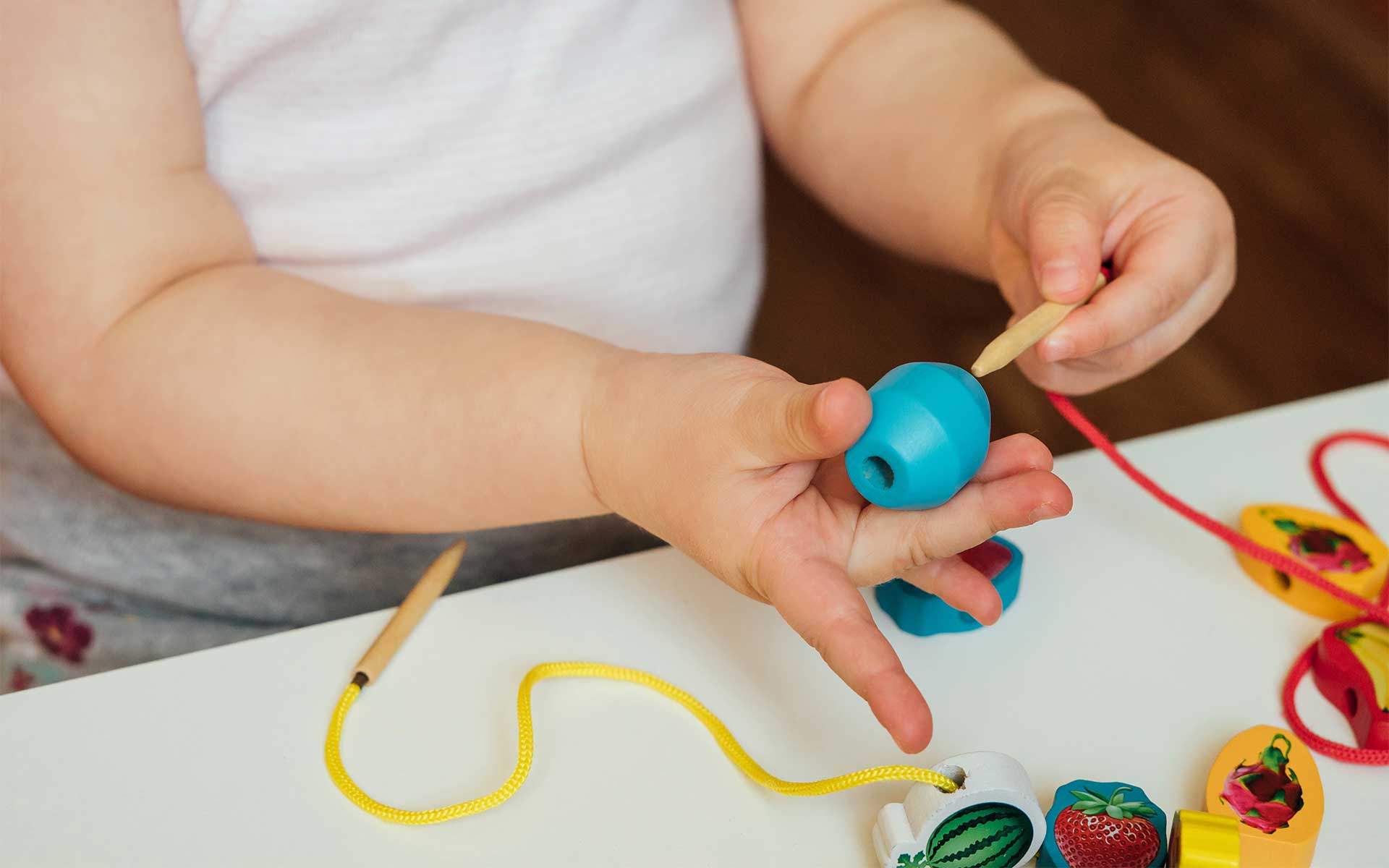
Fine motor skills involve the small muscles of the hands and fingers and support self-care tasks (buttoning, zipping), play (manipulating small toys), and academic tasks (cutting, drawing, writing). Strong fine motor control is closely linked to improved pencil grip, better endurance for writing tasks, and clearer letter formation. When preschoolers have well-developed dexterity and hand-eye coordination, the cognitive energy required for the mechanical act of writing is reduced, freeing them to focus on spelling, sentence construction, and composition.
Core Components of Pre-Writing Practice
– Pencil control: Gradual development of pressure control, straight and curved strokes, and line awareness.
- Hand strength: Muscle tone and endurance in the fingers, hand, wrist, and forearm.
- Bilateral coordination: Using both hands together—one stabilizes while the other manipulates.
- Visual-motor integration: Coordinating what the eyes see with what the hands do.
- Fine motor dexterity: In-hand manipulation, finger isolation, and pincer grasp refinement.
- Progress from large to small: Start with bold lines and wide paths and gradually narrow them.
- Combine varied strokes: Include straight lines, diagonals, curves, circles, and spirals.
- Include functional contexts: Trace shapes of common objects, paths on maps, or patterns used in letters.
- Allow multisensory support: Let children trace with fingers, crayons, and pencils; try textured lines (sandpaper letters) to reinforce tactile memory.
- Warm up with gross motor tracing before handing out worksheets.
- Position paper at an angle comfortable for the child’s dominant hand to promote wrist extension.
- Encourage a tripod or modified tripod grasp but allow exploration—forceful correction can hinder development.
- Keep sessions short and playful (5–10 minutes for toddlers; 10–15 minutes for preschoolers) and repeat across days.
- Differentiate: Offer simplified worksheets for beginners and finer-line challenges for advanced learners.
- Can the child hold a writing tool with increasing control?
- Can they follow broad tracing paths without leaving the page?
- Do they show improvement moving from finger tracing to crayon to pencil?
- Are they able to complete tasks within a reasonable attention span?
- Maintain ergonomic seating and table height to support posture and wrist position.
- Rotate activities to keep engagement high and avoid fatigue.
- Use themed tracing worksheets tied to classroom units (farm animals, transportation, seasons) for relevance and interest.
- Offer larger-grip crayons or pencil grips.
- Use slanted surfaces to improve wrist posture.
- Break activities into smaller steps and provide one-on-one modelling.
- Consult occupational therapists when persistent challenges impact daily activities or learning.
Playful, High-Impact Pre-Writing Activities
1. Sensory Pre-Writing Trays
Fill trays with sand, salt, shaving cream, or rice. Invite children to “write” shapes and lines using a finger or stick. This approach encourages large-to-small movement control and reduces writing anxiety.
2. Gross-to-Fine Tracing
Start with large arm movements on easel paper using chunky crayons, then progress to smaller sheets and thinner markers or pencils. This teaches kinesthetic patterns for lines and curves that translate to pencil strokes.
3. Manipulative-Based Warm-Ups
Use clothespins, tweezers, beads, and pegboards to strengthen finger muscles and thumb opposition. These activities directly build hand strength needed for stable pencil control.
4. Dot-to-Dot and Path Tracing
Provide templates that move from wide, simple paths to tighter, more precise routes. Begin with finger tracing, then move to crayon, then pencil. This gradual increase in precision helps bridge play and formal writing.
5. Playdough and Sculpting
Roll snakes, flatten pancakes, and pinch shapes. Encourage rolling into long thin “writing sticks.” This develops hand strength and tactile feedback for pressure control.
6. Scissor Practice and Cutting Strips
Offer straight, curved, and zigzag cutting lines. Supervise scissors use and offer adaptive handles if needed. This supports bilateral coordination and wrist stability.
Designing Effective Tracing Activities
Tracing is a bridge from scribbling to letter formation. High-quality tracing practice should:
Using Preschool Tracing Worksheets PDF Effectively
Preschool tracing worksheets are an efficient, structured way to reinforce pencil control. A well-designed preschool tracing worksheets PDF should present a logical progression, use age-appropriate visuals, and include repetition without being monotonous. Practical tips for use:
Assessment and Tracking Progress
Observe and document changes rather than relying solely on worksheet completion. Use a simple checklist:
Record samples monthly and celebrate milestones. Small, positive feedback is more motivating than correction-heavy instruction.
Classroom and Home Setup Tips
– Create a dedicated fine motor station with accessible materials: clothespins, beads, scissors, playdough, tweezers, and tracing pages.
Inclusive Practices and Adaptations
Children develop at different rates. For those needing adaptations:
Real-World Examples and Classroom Success
A preschool teacher introduced a 6-week tracing station rotation: sensory tray, playdough, pegboards, large-scale tracing, and worksheets. Students showed noticeable gains in grip quality and line accuracy; teachers reported fewer frustrating pencil battles during seated literacy tasks. Small-group tracing with peer modelling often led to the biggest improvements—children imitate and motivate each other.
Conclusion
Fine motor skills and pre-writing practice form the foundation of confident handwriting and broader early learning success. With playful, progressive activities—sensory tracing, manipulative play, scissor practice, and structured tracing sheets—teachers and parents can guide children toward strong pencil control and enjoyment in mark-making. Integrate short, varied sessions into daily routines, celebrate progress, and adapt supports as needed to ensure every child can succeed.
Call to Action
Ready to give children a fun, structured start to handwriting? Download our preschool tracing worksheets PDF for mastering pencil control. These printable pages are designed to progress from large motor tracing to fine pencil work, making pre-writing practice simple and effective for teachers and parents.


0 Comments