
Here is the polished, publication-ready version of your article. All placeholder text has been removed, and the content has been refined for clarity, flow, and professionalism while preserving your original structure and Markdown formatting.
---
Developing Fine Motor Skills: Enhancing Pre-Writing Activities for Preschoolers
Fine motor skills lay the groundwork for lifelong handwriting ability, independence, and confidence. For preschool teachers and parents of toddlers, intentionally supporting these early motor skills through playful, purposeful activities makes the transition to formal writing smoother and more enjoyable. In this article, you’ll learn why fine motor development matters, which pre-writing practices best support pencil control, and how to use ready-to-print resources like preschool tracing worksheets to accelerate progress. Practical ideas, activity sequences, and tips for measuring growth are included so you can apply strategies immediately in classrooms and at home.
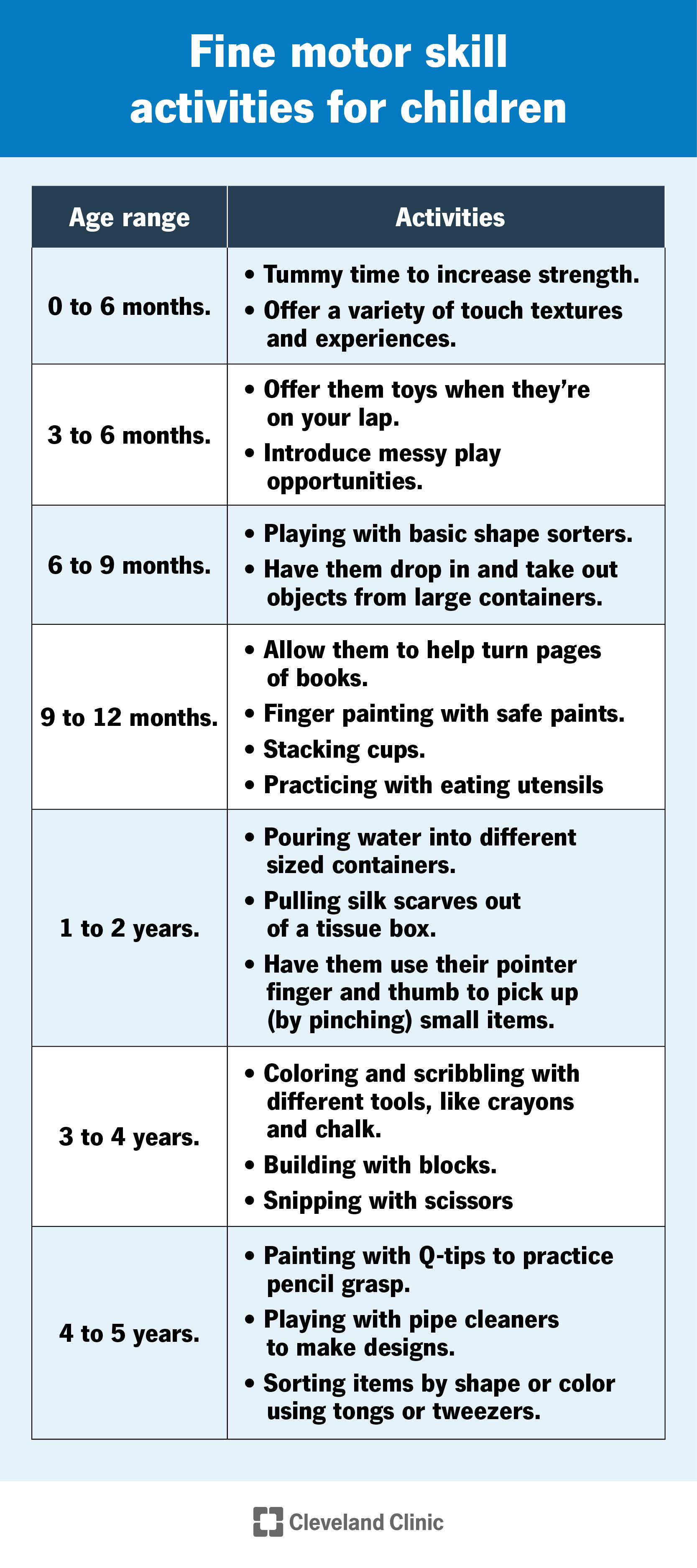
Why Fine Motor Skills and Pre-Writing Practice Matter
Fine motor skills are the small muscle movements of the hands and fingers that enable tasks such as buttoning, manipulating small objects, and controlling a pencil. Research in early childhood development shows that strong fine motor coordination is associated with better readiness for school, higher literacy outcomes, and increased self-help skills.
Pre-writing practice bridges early hand-eye coordination and later handwriting. Before children form letters, they benefit from activities that promote bilateral hand use, wrist stability, finger isolation, and shoulder strength—the core components of effective pencil control. Embedding these elements into daily routines builds the neural pathways needed for fluent writing.
Core Components of Pencil Control
- Grip strength and dexterity: The ability to hold and manipulate a writing tool comfortably.
- Wrist stability and forearm support: Provides a steady base for fine finger movements.
- Hand-eye coordination: Guides strokes to follow lines and shapes accurately.
- Bilateral coordination: Using both hands—one to stabilize paper and one to write.
- Visual-motor integration: Translating visual information into precise motor actions.
- Playdough squeezing, rolling, and pinching builds hand strength and finger isolation.
- Clothespin games: picking up pom-poms or cards with clothespins strengthens the pincer grasp.
- Stringing beads or pasta supports bilateral coordination and precise finger movements.
- Large motor tracing: Use chalk on the sidewalk for big arm movements while tracing large shapes.
- Medium scale: Trace shapes on easel paper with markers to connect shoulder movement to wrist control.
- Small scale: Transition to tabletop tracing with crayons and pencils for fine motor refinement.
- Maze and path tracing games promote planning and controlled strokes.
- Dot-to-dot and patterned lines (zigzag, curved, spirals) prepare children for letter formations.
- Encourage using the non-dominant hand for simple tasks periodically to build bilateral strength.
- Start with coarse lines: Thick, high-contrast traces help children learn the motion without frustration.
- Offer multiple modalities: Encourage tracing with a finger first, then a crayon, then a pencil to layer sensory feedback.
- Pair with manipulatives: Use playdough, stickers, or stamps to follow the same lines for multisensory reinforcement.
- Differentiate instruction: Use easier sheets for beginners and challenge more advanced children with narrower lines and complex patterns.
- Make tracing meaningful: Integrate themed worksheets (animals, seasons, names) to build vocabulary and engagement.
- Warm-up: One to two minutes of hand squeezes or finger taps before tracing.
- Guided practice: Model tracing strokes using slow, exaggerated motions, then observe and give specific feedback.
- Independent practice: Provide a choice between worksheets or hands-on traces to promote autonomy.
- Progress monitoring: Keep simple checklists or portfolios with dated worksheet samples to track improvement.
- Encourage natural pencil hold development; avoid forcing a grip. Offer short, fun grip aids when needed.
- Make activities playful—sing, use stories, or create challenges to sustain interest.
- Celebrate small wins: praise controlled strokes, not just perfect shapes.
- Observe posture: a stable chair and table height improve wrist mechanics and reduce fatigue.
- Collaborate: share observations with caregivers so pre-writing practice continues at home.
Preschool Pre-Writing Activities That Build Fine Motor Skills
Below are developmentally appropriate and engaging activities you can use in the classroom or at home. Rotate activities to maintain interest and challenge different components of pencil control.
1. Play-Based Strength and Coordination
2. Gross-to-Fine Progressions
3. Tracing, Patterning, and Line Activities
Tracing is a targeted, repeatable method for developing pencil control and visual-motor accuracy. Start with thick, bold lines and gradually narrow them as children improve.
Using Preschool Tracing Worksheets Effectively
Printable tracing worksheets are a convenient tool for consistent pre-writing practice. A well-designed preschool tracing worksheet offers progressive difficulty, clear visual cues, and variety to sustain motivation. Here’s how to get the most benefit:
Practical Routines and Classroom Strategies
Consistency and short, frequent practice sessions produce the best results. Aim for five to ten minutes of focused pre-writing practice most days, embedded within play and transition times.
Tips for Parents and Teachers
Measuring Progress and When to Seek Support
Track fine motor milestones through portfolios and simple rubrics: ability to follow lines, reduced pressure variability, consistent pencil grasp, and improved endurance. If a child struggles significantly after repeated practice—persistent extreme grip patterns, pain, or inability to coordinate hands—consider consulting an occupational therapist for targeted assessment and intervention.
Conclusion
Fine motor skill development and pre-writing practice form the stepping stones to confident handwriting and academic readiness. With play-based strength-building, progressive tracing activities, and consistent routines, preschool teachers and parents can help children master pencil control in ways that are enjoyable and sustainable. Integrating a high-quality preschool tracing worksheet into your program makes it easy to provide structured, progressive practice that meets each child where they are.
Ready to get started? Download our preschool tracing worksheets for mastering pencil control and begin building strong fine motor foundations today.
Internal link suggestions: Link to your "Preschool Curriculum" page using the anchor text "preschool curriculum activities" and to your "Teacher Resources" page using the anchor text "pre-writing lesson plans." External link suggestions: Link to the CDC milestones page for fine motor development using the anchor text "fine motor milestones" and to an occupational therapy association for evidence-based guidance using the anchor text "pediatric occupational therapy."
Image alt text suggestions: "Preschool child tracing lines on worksheet," "Teacher demonstrating tracing activity," "Hands-on playdough fine motor activity."


0 Comments