
Welcome, young explorers! Have you ever wondered where animals live and what their homes are like? Just like you have a house or an apartment, animals have special places called habitats where they find everything they need to survive. Learning about animal habitats is like opening a window into their secret world. In this guide, we'll journey through different environments, from lush rainforests to icy polar regions, discovering the amazing homes of creatures big and small. Get ready to learn about the different types of habitats, the animals that live there, and why protecting these places is so important. So, grab your imaginary binoculars and let's begin our adventure into the world of animal habitats!
What is a Habitat?
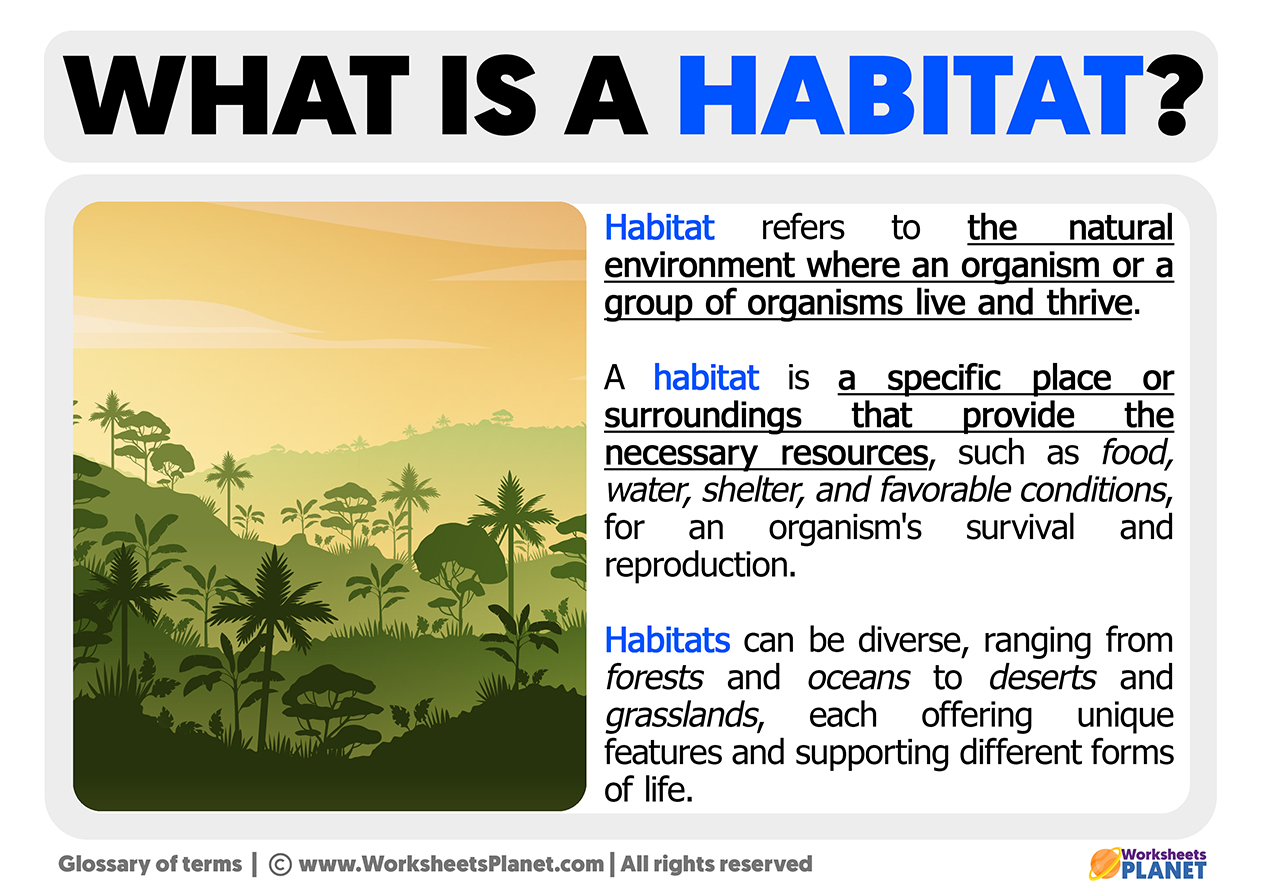
A habitat is an animal's home. It's a place where an animal can find food, water, shelter, and a safe place to raise its young. Habitats can be as big as an entire forest or as small as a puddle. The most important thing is that the habitat provides everything the animal needs to survive.
Key Elements of a Habitat
* Food: Every animal needs food to get energy. Different habitats offer different kinds of food, like plants, insects, or other animals.- Water: Water is essential for all living things. Habitats must have a reliable source of water, whether it's a river, lake, or even just dew on leaves.
- Shelter: Animals need shelter to protect themselves from the weather and from predators. Shelter can be a burrow, a nest, a cave, or even just a shady spot under a tree.
- Space: Each animal needs enough space to find food, water, and shelter without too much competition. Some animals need a lot of space, while others can thrive in a smaller area.
- Location: Rainforests are mostly found near the equator, in places like Brazil, Congo, and Indonesia.
- Climate: Rainforests are hot and humid, with lots of rain. The temperature stays pretty much the same all year round.
- Animals: Rainforests are home to animals like monkeys, toucans, jaguars, tree frogs, and snakes.
- Plants: Rainforests have a huge variety of plants, including tall trees, vines, and colorful flowers.
- Location: Deserts can be found in places like Africa (Sahara), North America (Mojave), and Australia.
- Climate: Deserts are very hot during the day and can get cold at night. They get very little rain.
- Animals: Desert animals include camels, scorpions, snakes, lizards, and desert foxes.
- Plants: Desert plants, like cacti, have special ways of storing water.
- Location: Grasslands are found in places like North America (prairies), Africa (savannas), and South America (pampas).
- Climate: Grasslands have hot summers and cold winters. They get enough rain to support grasses but not enough for many trees.
- Animals: Grassland animals include zebras, lions, elephants, bison, and prairie dogs.
- Plants: Grasslands are dominated by grasses, but they also have wildflowers and other plants.
- Location: Polar regions are found at the very top and bottom of the Earth, in places like the Arctic and Antarctica.
- Climate: Polar regions are very cold, with temperatures often below freezing. They have long, dark winters and short, cool summers.
- Animals: Polar animals include polar bears, penguins, seals, and arctic foxes.
- Plants: Very few plants can grow in polar regions, but you can find some mosses and lichens.
- Location: Oceans surround all the continents and cover about 70% of the Earth's surface.
- Climate: Ocean temperatures vary depending on the location, but they are generally cooler than land temperatures.
- Animals: Ocean animals include fish, whales, dolphins, sharks, sea turtles, and coral.
- Plants: Ocean plants include seaweed, kelp, and phytoplankton.
- Location: Freshwater habitats are found all over the world.
- Climate: The climate of freshwater habitats varies depending on the location.
- Animals: Freshwater animals include fish, frogs, turtles, ducks, and beavers.
- Plants: Freshwater plants include water lilies, reeds, and algae.
- Pollution: Pollution can contaminate habitats, making them unsafe for animals to live in. For example, oil spills can harm marine life, and pesticides can poison insects and birds.
- Climate Change: Climate change is causing habitats to change, making it difficult for some animals to survive. For example, melting ice in the Arctic is threatening the habitat of polar bears.
- Urban Development: Building cities and roads can destroy habitats and fragment them into smaller pieces, making it harder for animals to find food and mates.
- Reduce, Reuse, Recycle: Reducing waste, reusing items, and recycling can help protect habitats by reducing pollution and the need for new resources.
- Plant Trees: Planting trees can help restore habitats and provide food and shelter for animals.
- Conserve Water: Saving water can help protect freshwater habitats and ensure that animals have enough water to drink.
- Avoid Littering: Littering can pollute habitats and harm animals. Always dispose of trash properly.
- Learn More: The more you learn about animal habitats, the more you can do to protect them. Read books, watch documentaries, and visit zoos and nature centers.
- Support Conservation Organizations: Many organizations are working to protect animal habitats. You can support them by donating or volunteering.
- Educate Others: Tell your friends and family about the importance of protecting animal habitats. The more people who care, the better!
- The Sahara Desert is the largest hot desert in the world, covering an area of about 3.6 million square miles.
- The Great Barrier Reef is the largest coral reef system in the world, stretching over 1,400 miles along the coast of Australia.
- The Arctic Ocean is the smallest and shallowest of the world's five major oceans.
- The Nile River is the longest river in the world, flowing over 4,000 miles through Africa.
- Link to an article about "Endangered Species" using the anchor text "endangered."
- Link to a page on "Environmental Conservation Tips" using the anchor text "reduce your environmental impact."
- Link to a blog post about "The Importance of Biodiversity" using the anchor text "biodiversity."
- Link to the World Wildlife Fund (WWF) website (www.worldwildlife.org) using the anchor text "conservation organizations" with a
rel="noopener"attribute. - Link to the National Geographic Kids website (kids.nationalgeographic.com) using the anchor text "Learn More" with a
rel="noopener"attribute.
Types of Animal Habitats
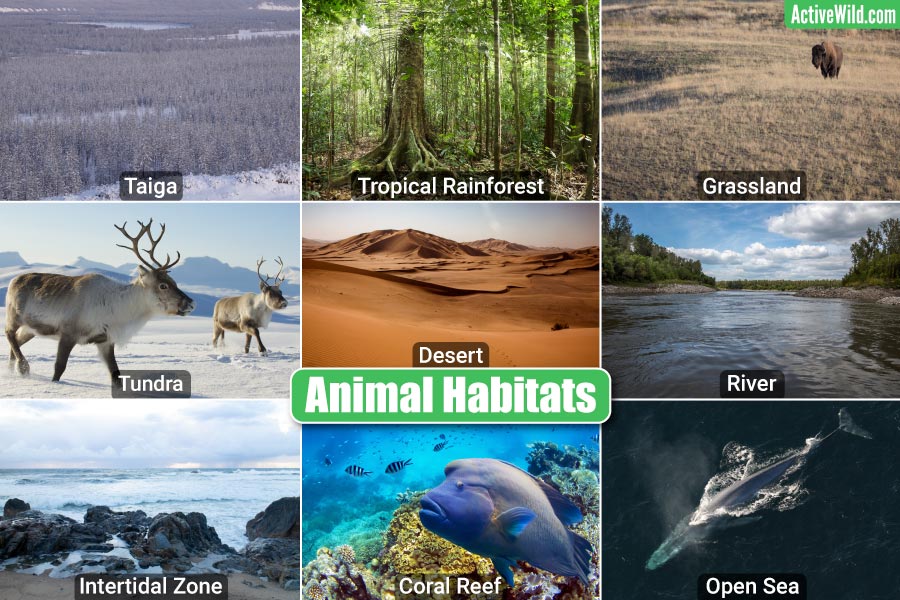
The world is full of diverse and fascinating habitats. Here are some of the major types of habitats you can find on Earth:
Rainforests: The Emerald Kingdoms
Rainforests are warm, wet forests that are home to an incredible variety of plants and animals. They are often called the "lungs of the Earth" because they produce a lot of the world's oxygen.
Deserts: The Arid Landscapes
Deserts are dry, hot places that get very little rain. Despite the harsh conditions, many animals have adapted to live in the desert.Grasslands: The Open Plains
Grasslands are large, open areas covered in grasses and other plants. They are home to grazing animals and their predators.Polar Regions: The Frozen Worlds
Polar regions are cold, icy areas near the North and South Poles. Only animals that can survive extreme cold can live there.Oceans: The Underwater Realms
Oceans cover most of the Earth's surface and are home to an amazing variety of marine life.Freshwater Habitats: Rivers, Lakes, and Ponds
Freshwater habitats include rivers, lakes, ponds, and streams. These habitats are home to animals that need fresh water to survive.Animals and Their Habitats: A Closer Look
Let's take a closer look at some specific animals and the habitats they call home.The Orangutan in the Rainforest
Orangutans are large, intelligent apes that live in the rainforests of Borneo and Sumatra. They spend most of their lives in the trees, using their long arms to swing from branch to branch. Rainforests provide orangutans with the fruits, leaves, and insects they need to survive. Sadly, orangutans are endangered because their rainforest habitat is being destroyed by logging and farming.The Camel in the Desert
Camels are well-adapted to living in the desert. They can go for long periods without water and can withstand extreme heat. Camels store fat in their humps, which they can use for energy when food is scarce. They also have thick eyelashes and nostrils that can close to keep out sand. The desert provides camels with the sparse vegetation they need to survive.The Bison in the Grassland
Bison are large, grazing animals that live in the grasslands of North America. They eat grasses and other plants and roam in large herds. Grasslands provide bison with the food and space they need to thrive. Bison were once nearly extinct, but thanks to conservation efforts, their numbers have increased.The Penguin in the Polar Region
Penguins are flightless birds that live in the polar regions of the Southern Hemisphere. They are excellent swimmers and can withstand freezing temperatures. Penguins eat fish and krill, which they catch in the ocean. Polar regions provide penguins with the cold, icy environment they need to survive.The Clownfish in the Ocean
Clownfish are colorful fish that live in coral reefs in the ocean. They have a special relationship with sea anemones, which protect them from predators. In return, the clownfish clean the anemones and provide them with nutrients. Coral reefs provide clownfish with shelter and food.The Beaver in Freshwater Habitats
Beavers are large rodents that live in freshwater habitats like rivers and ponds. They build dams out of trees and mud, which create ponds where they can build their lodges. Beavers eat tree bark and other plants. Freshwater habitats provide beavers with the water and trees they need to survive.Why are Habitats Important?
Habitats are important because they provide animals with everything they need to survive. When habitats are destroyed or damaged, animals lose their homes and may not be able to find food, water, or shelter. This can lead to a decline in animal populations and even extinction.The Impact of Habitat Loss
* Deforestation: Cutting down forests destroys the habitats of many animals, including orangutans, monkeys, and birds.The Importance of Conservation
Conserving habitats is essential for protecting animals and biodiversity. By protecting habitats, we can ensure that animals have the resources they need to survive and that future generations can enjoy the wonders of the natural world.How Can Kids Help Protect Animal Habitats?
Even kids can make a difference in protecting animal habitats. Here are some things you can do:Fascinating Facts About Animal Habitats
* The Amazon rainforest is home to more species of plants and animals than any other habitat on Earth.Conclusion: Be a Habitat Hero!
Animal habitats are amazing and important places. They provide animals with everything they need to survive, and they play a vital role in maintaining the health of our planet. By learning about animal habitats and taking action to protect them, you can become a habitat hero and help ensure that these special places are around for generations to come. Remember, every little bit helps, and together, we can make a big difference!Key Takeaway: Protecting animal habitats is crucial for the survival of countless species and the health of our planet. Every action, no matter how small, contributes to a better future for wildlife.
Call to Action: Start your journey as a habitat hero today! Educate yourself, reduce your environmental impact, and spread awareness about the importance of protecting animal habitats. Consider planting a tree or supporting a conservation organization to make a tangible difference.
*
Internal Links:
External Links:


0 Comments