
Feelings Coloring Page and Printables: A Homeschool SEL Curriculum for Mindfulness, Emotional Awareness, and Calm Learning Activities
Helping children recognize and express their feelings is a cornerstone of social-emotional learning (SEL). Feelings coloring page and printables are powerful, low-prep tools that make emotional learning visual, playful, and accessible for kids of all ages. This friendly, practical guide shows homeschool parents, educators, and caregivers how to use printable resources and mindful activities to build emotional awareness, teach emotion vocabulary, and support calm learning—whether in a classroom, a homeschool co-op, or at the kitchen table.
Introduction: Why Feelings Printables and Mindfulness Matter for Kids
Children learn best when teaching is multisensory, predictable, and emotionally safe. Using feelings coloring pages, emotion charts, and printable SEL activities combines art, language, and reflection to help kids label emotions, regulate reactions, and practice empathy. In this article you’ll learn how to build a homeschool SEL curriculum around printable resources, practical mindfulness activities for kids, and strategies to help young learners recognize emotions and express feelings in healthy ways.
You’ll find step-by-step lesson ideas, printable types to create or source, assessment tips, family-friendly routines, sample schedules, and suggested links and resources to supplement your teaching. Whether you’re beginning a formal SEL unit or looking for calming activities to weave into daily learning, these strategies will help children become emotionally literate and more resilient learners.
Core Goals: What This Curriculum Helps Children Achieve
- Develop a broad emotion vocabulary (identify and name feelings)
- Increase self-awareness and self-regulation through mindful practices
- Improve communication skills for expressing feelings safely
- Build empathy and social awareness with partner and group activities
- Create predictable, calming routines that support learning readiness
- Concrete: Visuals help abstract emotions become understandable.
- Accessible: Low-cost and easy to copy or adapt for different ages.
- Flexible: Usable for independent work, guided lessons, or family activities.
- Multisensory: Coloring, cutting, and matching engage several learning modalities.
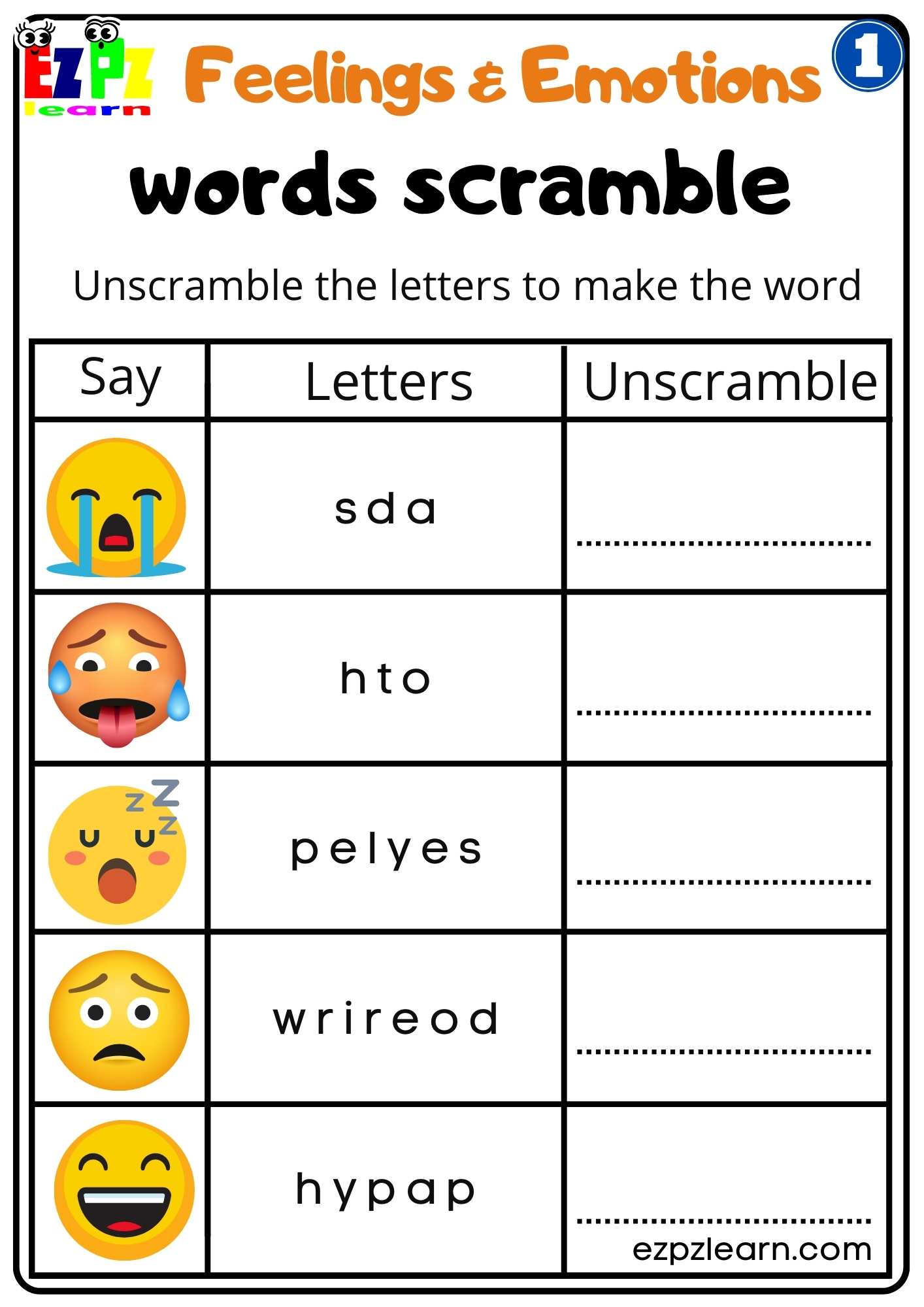
- Emotion flashcards with faces and words (happy, sad, frustrated, proud, anxious, calm)
- Feelings wheel or chart for quick reference
- “I feel…” sentence strips to practice labeling
- Single-emotion coloring pages (e.g., “Today I feel…”)
- Story-based scenes where students color and discuss what each character might feel
- Create-your-own-emotion-face templates to practice drawing expressions
- Breathing exercise cards with child-friendly instructions and visuals
- Mindful coloring mats with calming patterns and breathing cues
- Progressive muscle relaxation scripts simplified into step cards
- Zones of Regulation chart and color-coded coping strategies
- Calm-down checklist (pause, breathe, name the feeling, choose a strategy)
- Emotion thermometers to show intensity and select actions
- Role-play cards with scenarios and sentence stems
- “How would you feel?” matching games
- Compliment and apology templates to practice social language
- Warm-up (5 min): Emotion check-in using a feelings wheel printable.
- Main activity (20 min): Choose one feelings coloring page and discuss cues that indicate that emotion. Use sentence strips to label.
- Reflection (10 min): “I feel” journal page — child colors and writes one time they felt this emotion.
- Warm-up (5 min): Guided breathing card practice.
- Main activity (20 min): Mindful coloring mat session with calm music (10 minutes), then discuss how breathing affected feelings.
- Extension (10 min): Progressive muscle relaxation printables for kids.
- Warm-up (5 min): Emotion flashcard quick-match game.
- Main activity (25 min): Role-play scenarios using empathy cards and template dialogues to practice expressing feelings (I feel when because _).
- Reflection (10 min): Create-a-card printable — child designs a card to tell someone how they feel or to offer support.
- Warm-up (5 min): Check-in with an emotion thermometer.
- Main activity (20 min): Build a personalized calm-down kit using printables (strategy checklist, breathing cards, coloring page, squeeze ball label).
- Closing (10 min): Family share — children present their calm-down kit and practice a chosen strategy.
- Pre/post emotion vocabulary checklist: count new words learned.
- Journal review: note complexity of language used to describe feelings.
- Observation rubric: frequency of successful self-regulation instances (use a 0–3 scale).
- Peer and family feedback: short surveys on empathy and communication changes.
- Use simple labels, bright images, and single-word emotion flashcards.
- Short, sensory-based mindful activities (bubble breathing, finger tracing).
- Parent-guided coloring and naming activities.
- Introduce sentence stems and basic regulation strategies.
- Color-by-emotion and emotion thermometer visuals help quantify feelings.
- Short role-plays and group discussions build social skills.
- Deeper reflection prompts in journals, multi-step coping plans, and peer mediation practice.
- Encourage children to design their own feelings coloring pages to reflect nuanced emotions.
- Use simplified visuals, increased repetition, and sensory supports.
- Pair printables with routines and concrete reinforcement.
- Work with therapists to customize prompts for communication and regulation goals.
- Create a dedicated calm corner stocked with coloring materials, emotion charts, and calming printables.
- Establish a predictable check-in routine using a feelings wheel or journaling page.
- Rotate printable activities weekly so novelty supports engagement while routines support safety.
- Model use: adults should demonstrate naming feelings, using coping strategies, and showing empathy when working through printables.
- Use consistent language: mirror children’s words and expand with richer vocabulary (“You look frustrated — frustrated means feeling upset because something isn’t going the way you expected.”)
- Practice short, daily check-ins with feelings coloring pages or a quick journal entry.
- Celebrate effort, not just outcomes: “I noticed you used your breathing card when you were mad—great job.”
- Integrate SEL into routines: morning feelings pick, calm-down after playtime, bedtime reflection coloring.
- Share your feelings: modeling adult emotion recognition builds trust and normalizes expression.
- Create printables in black-and-white for easy photocopying and coloring.
- Use accessible fonts and clear line drawings for children who need visual simplicity.
- Source high-quality, research-based printables from SEL organizations or reputable teacher marketplaces.
- Always preview printables to ensure cultural representation and inclusive language.
- “SEL curriculum for homeschoolers” — link to your site’s homeschool SEL program page
- “Mindfulness activities for kids” — link to a series of guided mindfulness posts
- “Printable calm-down cards” — link to a product or free download page
- Collaborative for Academic, Social, and Emotional Learning (CASEL) — https://casel.org/ (use target=”_blank”)
- American Academy of Pediatrics on emotional development — https://www.aap.org/ (use target=”_blank”)
- Mindful.org resources for kids — https://www.mindful.org/ (use target=”_blank”)
- “Child coloring emotions wheel printable”
- “Calm-down corner with feelings coloring pages and breathing cards”
- “Emotion flashcards laid out on table”
- Create 3–4 social snippets: a question-based hook (“Struggling with big feelings at homeschool time? Try these mindful coloring printables.”), a benefit-driven hook (“Boost emotional vocabulary with free feelings coloring pages”), and a tip-based hook (“Use a calm-down kit to help kids self-regulate—see sample printables”).
- Include pinnable images (735 x 1102) showing printable examples and a short caption that includes primary keywords.
- Use open graph tags and Twitter card metadata with concise titles and a CTA to download or view printables.
- Download or design a basic feelings wheel, emotion flashcards, and one feelings coloring page.
- Set up a calm corner with coloring supplies and a calm-down choice board.
- Introduce a 4-day SEL routine using the sample plan above and track progress with a simple rubric.
- Share one printable with another caregiver or co-op to extend practice beyond your home.

Why Feelings Coloring Pages and Printables Work
Printables are effective for SEL because they are:
Coloring itself supports focus and self-soothing by engaging fine motor skills and offering repetitive, calming motion—making feelings coloring pages an ideal vehicle for teaching emotional awareness and mindfulness for kids.

Key Components of a Homeschool SEL Curriculum Using Printables
1. Emotion Vocabulary Printables
Start with an emotion word bank and visuals. Printables might include:
2. Feelings Coloring Pages for Reflection
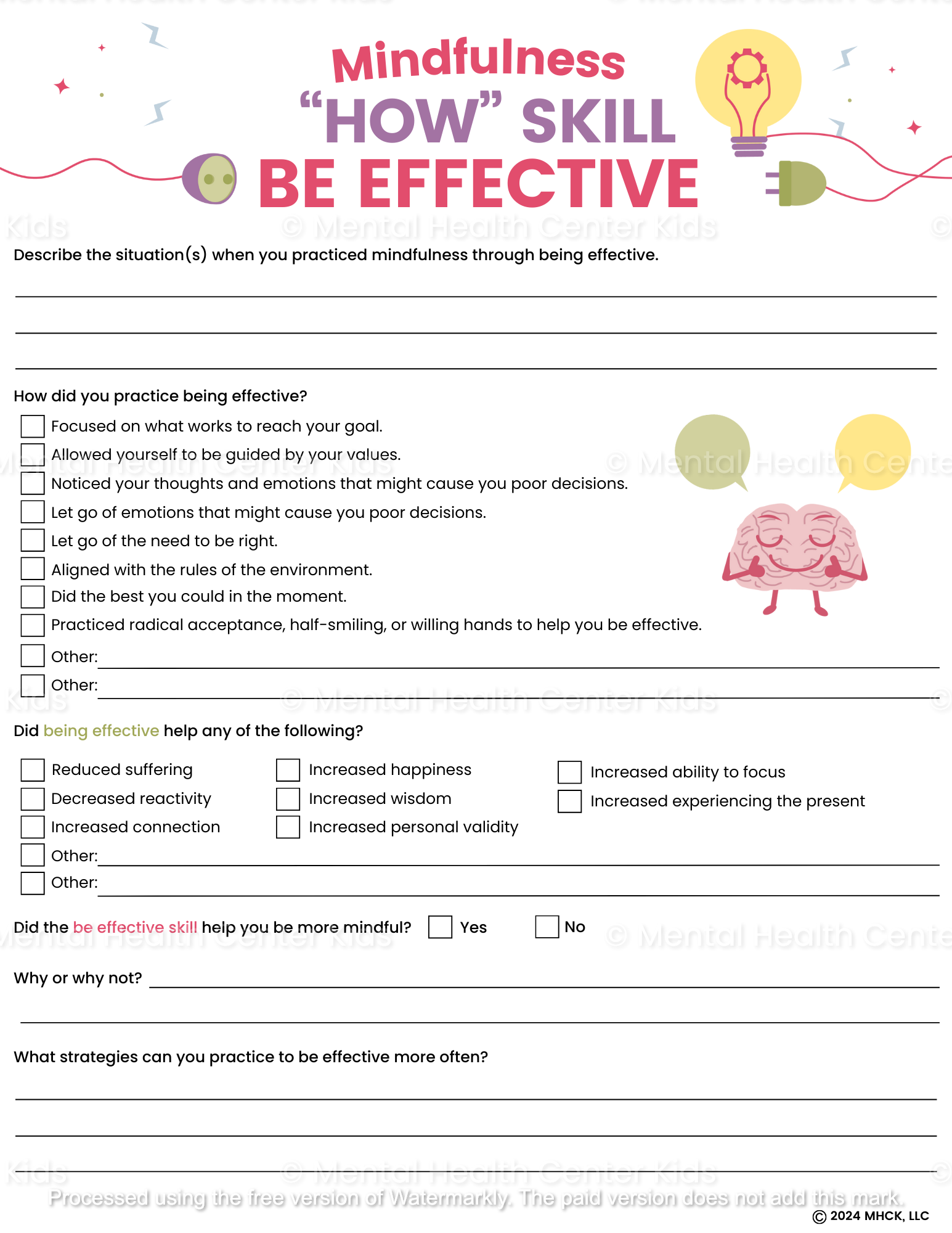
Offer pages that portray characters in clear emotional contexts and blank-face templates children can color to match their mood. Variations include:
3. Mindfulness and Calm Learning Activity Printables
Integrate short, guided practices using printable prompts such as:
4. Emotion Regulation Tools
Use printable tools children can keep at their desks or in a calm-down corner:
5. Social Skills and Empathy Printables
Activities that promote perspective-taking and prosocial language:
Sample Weekly Homeschool SEL Plan (Using Feelings Printables)
Below is an adaptable 4-day weekly plan for elementary-aged learners that incorporates coloring pages, mindfulness, and emotion practice.
Day 1 — Build Vocabulary and Awareness
Day 2 — Mindfulness and Body Awareness
Day 3 — Recognize and Express Feelings
Day 4 — Regulation Strategies and Routine
Practical Activities and Printable Ideas You Can Use Today
Emotion Matching Memory Game
Create pairs of cards: an emotion word and a matching face. Use them as a memory game or sorting activity to reinforce recognition.
Color-by-Emotion Sheets
Assign colors to emotions (blue = calm, red = angry, yellow = happy) and provide color-by-emotion pages. Kids must identify the emotion in each section and color accordingly.
Emotion Scenario Strips
Short strips describe everyday situations (lost toy, won a prize, helped a friend). Children color a matching feelings page and role-play how to respond.
Daily Feelings Journal Printables
A simple one-page entry: date, mood meter, drawing space, and a sentence stem to complete (Today I felt because ). Use weekly to track changes and prompt conversations.
Calm-Down Choice Board
A printable board with 6–8 calming options (deep breath, draw, hug a stuffed animal, walk, listen to soft music). Place it in a calm corner for independent regulation practice.
Assessing Progress: How to Measure Emotional Awareness
Assess SEL progress with qualitative and simple quantitative tools:
Track growth over 4–8 weeks. Celebrate small wins like a child using a breathing strategy independently or naming feelings in a stressful moment.
Adapting Printables for Different Ages and Needs
Preschool (Ages 3–5)
Early Elementary (Ages 6–8)
Upper Elementary (Ages 9–11)
Children with Special Needs
Classroom and Home Setup: Making Printables Effective
Small changes to the learning environment amplify the impact of SEL printables:
Parent and Caregiver Tips: Reinforcing Emotional Learning at Home
Case Study: A Homeschool Family’s 8-Week SEL Journey
Background: A homeschool parent noticed their 7-year-old struggled with big emotions during transitions. They implemented a printable-based SEL plan: daily feelings coloring pages, a calm-down kit, and weekly role-play.
Intervention: The parent used emotion flashcards each morning, practiced breathing cards before starting lessons, and offered a calm corner with mindful coloring mats.
Outcomes (8 weeks): The child learned to name and communicate feelings more clearly, used the calm-down kit independently during one difficult transition per week by week 4, and reported feeling “less overwhelmed” in journal entries. Teachers and relatives observed improved ability to apologize and repair social mistakes. Quantitatively, self-regulation instances (tracked on a simple rubric) improved from 1–2 per week to 4–5 per week.
Printable Creation and Sourcing Tips
SEO and Web Publishing Recommendations
Suggested internal links (anchor text recommendations):
Suggested external authoritative links:
Image alt text suggestions:
Schema markup recommendation: Use Article schema with mainEntityOfPage set to the URL, author details, and keywords in the metadata (e.g., feelings coloring page and printables, homeschool SEL curriculum, mindfulness for kids). Include image objects and a short description for rich results.
Social Sharing Optimization
Frequently Asked Questions (SEO-Targeted)
What age are feelings coloring pages best for?
They’re adaptable for ages 3–11. Simplify wording and visuals for preschoolers and add reflection prompts for older children.
Can printables actually teach emotional regulation?
Yes—when paired with modeling and routine practice. Printables provide visuals and cues that support recognition and rehearsal of coping strategies.
How often should we use feelings printables?
Daily quick-checks (2–5 minutes) with deeper activities 1–3 times per week are effective. Consistency matters more than duration.
Where can I find high-quality free printables?
Look for resources from SEL organizations, education blogs, and teacher marketplaces. Verify that materials are inclusive and age-appropriate before use.
Actionable Next Steps
Conclusion
Feelings coloring page and printables are simple, powerful tools for building emotional awareness, teaching mindfulness for kids, and creating calm learning activities within a homeschool SEL curriculum. When combined with modeling, predictable routines, and opportunities for reflection, these printables help children recognize emotions, express feelings safely, and develop lasting regulation skills. Start small with a feelings wheel and a calm-down kit, and gradually expand to role-plays, emotion journals, and creative projects. With consistent practice, kids become more emotionally literate, resilient, and ready to learn.
Ready to begin? Start by downloading a feelings coloring page, set aside 10 minutes for a daily check-in, and introduce one calming printable this week—then observe how small, consistent steps make a big difference in children’s emotional growth.
Suggested next reads on this site: “10 Mindful Activities for Kids” (anchor: mindfulness activities for kids), “Designing a Homeschool SEL Year” (anchor: homeschool SEL curriculum).


0 Comments