
Embrace Spring! Fun Homeschool Nature Study Activities & Free Printables for Life Cycles and Outdoor Learning
As the last chill of winter fades, a vibrant symphony of life awakens, painting the world in hues of green and gold. For homeschooling families, spring isn't just a season; it's an open invitation to turn the entire outdoors into an engaging classroom. Imagine your children's delight as they witness a tiny seed sprout, observe a caterpillar transform, or track the fascinating weather changes that bring April showers and May flowers. This season offers an unparalleled opportunity for a rich homeschool nature study, blending hands-on exploration with structured learning.This comprehensive guide will equip you with exciting spring nature study activities designed to deepen your children's understanding of life cycle lessons, foster a love for outdoor learning, and ignite curiosity through captivating kids science activities. We'll explore the wonders of plant growth and the intricate animal life cycles unfolding right before your eyes. Best of all, we'll show you how to enhance these experiences with delightful spring coloring page and printables that make learning fun, accessible, and memorable. Get ready to step outside and discover the magic of spring with your little learners!
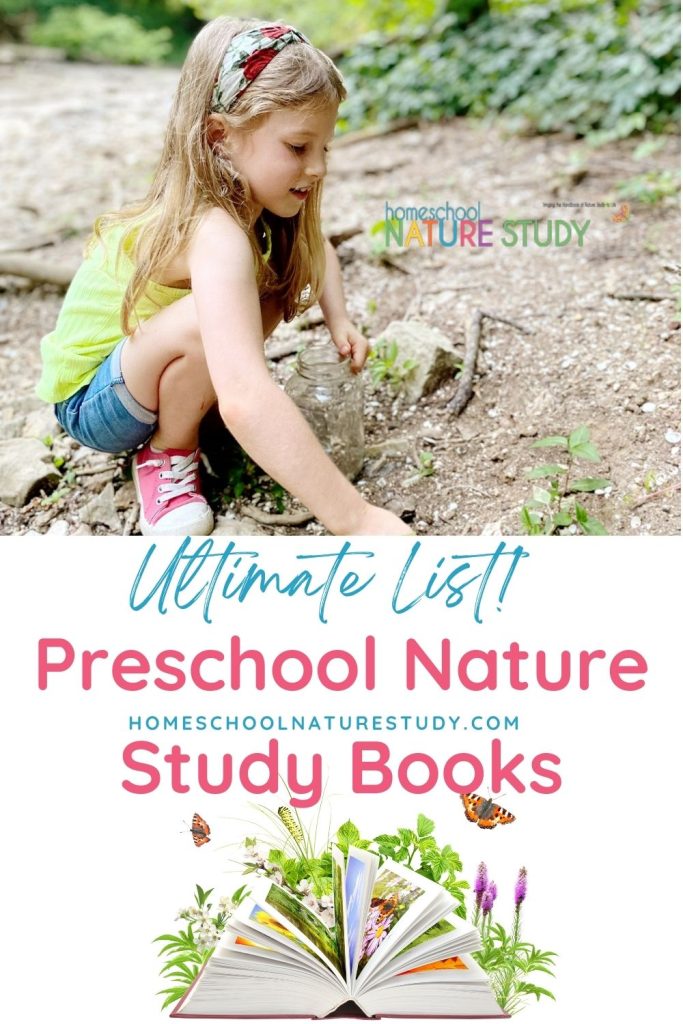
Why Spring is the Ultimate Season for Homeschool Nature Study
Spring is truly nature's grand unveiling, a time of rapid change and visible growth that makes it an ideal period for focused homeschool nature study. Everything around us is bursting with new life, offering countless teachable moments that are both immediate and impactful.
Observing Nature's Awakening: From Buds to Blooms
One of the most captivating aspects of spring is witnessing the slow, steady awakening of the plant kingdom. Bare branches begin to show tiny buds, which then unfurl into vibrant leaves and fragrant blossoms. This daily transformation provides a powerful visual lesson in patience and growth. Encourage your children to choose a specific tree or plant in your yard or a local park and observe it regularly.- Tree & Plant Journaling: Provide simple notebooks or a dedicated printable journal where kids can draw what they see each week. Note the date, draw the bud, and then draw the leaf or flower as it emerges.
- Flower Dissection (Gentle!): Once flowers are abundant, carefully pick one (with permission if not your own) and gently pull it apart to identify its components: petals, sepals, stamen, pistil. This is a fantastic kids science activity for understanding plant anatomy.
- Homemade Rain Gauge: Create a simple rain gauge using a clear plastic bottle. Mark measurements along the side and place it outside to track rainfall. Discuss how much rain plants need to grow.
- Cloud Spotting & Identification: On a sunny spring day, lie on your backs and observe the clouds. Use a printable cloud identification chart to learn about cumulus, stratus, and cirrus clouds. Discuss what each type of cloud might indicate about upcoming weather changes.
- Seed Germination Jar: This classic kids science activity is always a hit! Place a damp paper towel inside a clear glass jar, then wedge a few bean seeds between the paper towel and the glass. Observe daily as the seeds swell, sprout roots, and then a shoot. This is a fantastic visual aid for early plant growth stages.
- Starting a Mini Garden: Whether it's a small pot on a windowsill or a patch in the yard, planting seeds and caring for them teaches responsibility and provides a tangible experience of plant growth. Use spring coloring page and printables to label parts of the plant or track its growth over time. Internal Link Suggestion:* [[Link to article about "Starting a Simple Homeschool Garden"]]
- Root Observation: Carefully unearth a small weed or plant from your garden (with permission) and rinse the soil off its roots. Discuss the importance of roots for anchoring the plant and absorbing water and nutrients.
- Butterfly Garden & Observation: Raise painted lady butterflies from a kit. This allows children to observe the entire metamorphosis process from caterpillar to chrysalis to butterfly, offering invaluable life cycle lessons. Release the butterflies into your garden, providing a beautiful conclusion to the study.
- Frog Pond Study: If you have access to a local pond or stream, visit it regularly to look for frog eggs and tadpoles. Observe their development into froglets and then adult frogs. Remember to observe from a distance and avoid disturbing their habitat. Use a spring coloring page and printables to illustrate the frog life cycle.
- Bird Nest Watching: Many birds build nests and lay eggs in spring. Locate a nest (from a safe distance!) and observe the parents bringing food to their chicks. Discuss the different stages of a bird's life cycle, from egg to fledgling. External Link Suggestion:* Link to Cornell Lab of Ornithology - All About Birds
- Spring Scavenger Hunt: Create a list of items for children to find: a specific type of leaf, a feather, a smooth stone, a budding flower, something rough, something soft. Use a printable checklist to make it even more engaging.
- Sensory Walk: Focus on using the five senses. What do you hear (birds chirping, wind rustling)? What do you smell (fresh earth, blooming flowers)? What do you see (new colors, tiny insects)? What can you touch (bark, moss, soft petals)? (Always ensure safety when touching unknown plants).
- Nature Journaling: Provide a simple notebook or a dedicated printable journal for each child. Encourage them to draw, write, and record their observations during outdoor learning sessions. They can sketch plants, animals, or even the clouds.
- Bug Hunt & Identification: With a magnifying glass and an insect identification guide (or a printable chart), explore your backyard for insects. Discuss their habitats, what they eat, and their role in the ecosystem. This is a fantastic hands-on kids science activity.
- Reinforce Vocabulary: Labeling parts of a plant or animal life cycle.
- Develop Fine Motor Skills: Coloring, cutting, and pasting.
- Review Concepts: Matching games, fill-in-the-blank activities.
- Express Creativity: Art-based activities related to nature.
- Before an Outing: Use a printable scavenger hunt list or a "What to Look For" sheet to prepare children for what they might see.
- During Observation: Provide a nature journal printable for on-the-spot sketching and note-taking.
- After an Activity: Use a life cycle diagram printable to review the stages observed, or a spring coloring page to reflect on the beauty of nature.
- Rainy Day Reinforcement: On days when outdoor learning isn't possible, use printables to continue the learning indoors, reviewing concepts learned outside.
- Follow Their Interests: If your child is fascinated by worms, spend extra time observing them! Tailoring activities to their curiosity will keep them engaged.
- Ask Open-Ended Questions: Instead of just pointing things out, ask "What do you notice?" or "Why do you think that happens?" This encourages critical thinking.
- Keep It Short and Sweet: Especially for younger children, short, focused bursts of outdoor learning are more effective than long, drawn-out sessions.
- Lead by Example: Show your own enthusiasm for nature. Your excitement is contagious!
- Language Arts: Write poems about spring, create stories about a budding flower, or research specific animals for a report.
- Math: Measure plant growth, count petals, track weather changes data, or calculate the age of a tree.
- Art: Sketch observations, create nature collages, or use natural materials for crafts.
- Geography: Discuss local ecosystems, climate zones, and how they affect local flora and fauna.
- A magnifying glass
- Notebooks or a nature journal (printables are great!)
- Pencils or crayons
- A small bag for collecting treasures (leaves, interesting stones)
- Binoculars (optional, for bird watching)
- Weather-appropriate clothing

The Magic of Weather Changes in Spring
Spring weather is famously unpredictable, offering a dynamic backdrop for outdoor learning. From gentle drizzles to sudden thunderstorms and brilliant sunshine, these shifts provide excellent opportunities to discuss meteorology in a hands-on way.
Dive Deep into Life Cycles with Engaging Activities
The concept of life cycles is fundamental to understanding biology, and spring provides a front-row seat to these incredible transformations. From tiny seeds to majestic butterflies, your children can observe these processes firsthand, making life cycle lessons truly come alive.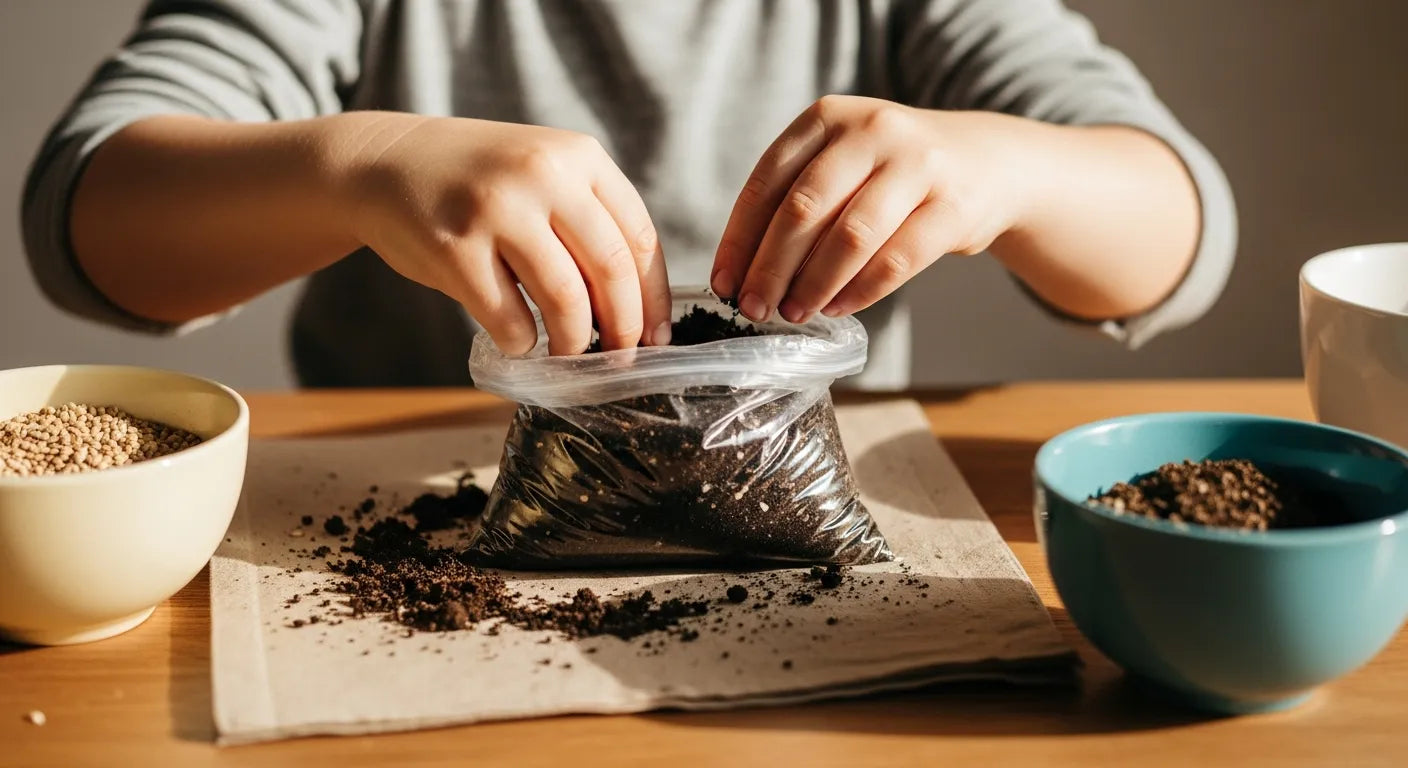
Unraveling Plant Growth: Seeds, Sprouts, and Beyond
The journey from a tiny seed to a mature plant is a miracle, and spring is the perfect time to explore plant growth. These activities will help children understand the stages of development and the conditions necessary for life.Exploring Animal Life Cycles: From Tadpoles to Butterflies
Spring is synonymous with new animal life. Observing animal life cycles provides fascinating insights into biology and ecology, offering some of the most memorable outdoor learning experiences.Outdoor Learning Adventures: Hands-On Science for Kids
Taking your homeschool nature study outside is where the real magic happens. Outdoor learning allows children to engage all their senses, fostering a deeper connection to the natural world and making abstract scientific concepts concrete.Nature Scavenger Hunts and Sensory Walks
These activities encourage close observation and interaction with the environment. They're perfect for all ages and can be adapted to various locations.Becoming Junior Scientists: Field Journals and Observations
Encourage your children to think like scientists by documenting their observations. This develops critical thinking skills and attention to detail.Boosting Learning with Spring Nature Study Printables
While outdoor learning is crucial, incorporating spring coloring page and printables can significantly enhance and reinforce homeschool nature study. Printables provide structure, consolidate learning, and offer a creative outlet for children.The Power of Spring Coloring Pages and Activity Sheets
Printables are more than just busywork; they are valuable educational tools. They can help children:Consider printables that feature plant growth diagrams, animal life cycles (like butterflies or frogs), weather changes charts, or even simple spring coloring page and printables depicting spring scenes.
Integrating Printables into Your Homeschool Routine
Printables can be seamlessly woven into your nature study:Maximizing Your Spring Nature Study Experience
Making your homeschool nature study truly impactful involves a few key strategies that cater to young learners and connect nature to broader educational themes.Tips for Engaging Young Learners
Children learn best when they are actively involved and when the learning is fun.Connecting Nature Study to Other Subjects
Nature study is inherently interdisciplinary, making it easy to weave into other subjects in your homeschool curriculum.Ready to Explore? Download Your Free Spring Nature Study Printables!
Spring is a season of wonder, growth, and endless discovery. By integrating homeschool nature study into your curriculum, you're not just teaching science; you're fostering a lifelong appreciation for the natural world, building observational skills, and creating cherished family memories. From the intricate details of plant growth to the dramatic transformations of animal life cycles, every outdoor adventure is a lesson waiting to happen.We hope these spring nature study activities inspire you to step outside and embrace the vibrant energy of the season. Remember, the best classroom often has no walls, and the most impactful lessons are often learned with dirt under your fingernails and sunshine on your face.
Don't miss out on making your spring nature study even more engaging and educational!
Ready to bring these life cycle lessons and kids science activities to life? Enhance your outdoor learning adventures with our beautifully designed and educational resources.
Download your free spring nature study printables today!


0 Comments