
Spring Nature Study Activities: Unlocking Life Cycles & Outdoor Learning with Fun Printables for Homeschoolers
As the frosty grip of winter finally loosens its hold, a vibrant transformation begins to unfold all around us. The world awakens with a symphony of chirping birds, budding trees, and the gentle hum of new life. For homeschooling families, spring isn't just a season; it's an unparalleled invitation to step outside and transform your backyard, local park, or even a window box into a dynamic classroom. This time of year offers a rich, hands-on curriculum waiting to be explored, providing endless opportunities for engaging outdoor learning and captivating kids science activities.Imagine your child’s delight as they witness a tiny seed sprout into a vigorous plant, or observe the intricate journey of a caterpillar transforming into a butterfly. These aren't just moments of wonder; they are profound life cycle lessons unfolding in real-time. Integrating a homeschool nature study during spring not only deepens your child's understanding of the natural world but also fosters curiosity, observation skills, and a lifelong love for learning. And to make these explorations even more exciting and organized, we'll dive into how easily accessible resources like spring coloring page and printables can elevate your educational adventures. Get ready to embrace the warmth, the growth, and the incredible learning opportunities that spring bountifully offers!

Why Spring is the Perfect Season for Nature Study
Spring, with its gentle warmth and explosion of life, serves as nature's grand opening act after winter's quiet slumber. It's a season of profound change, making it an ideal time for homeschool nature study. The sheer volume of new growth and activity provides a constant stream of fresh observations and questions, sparking genuine curiosity in young learners.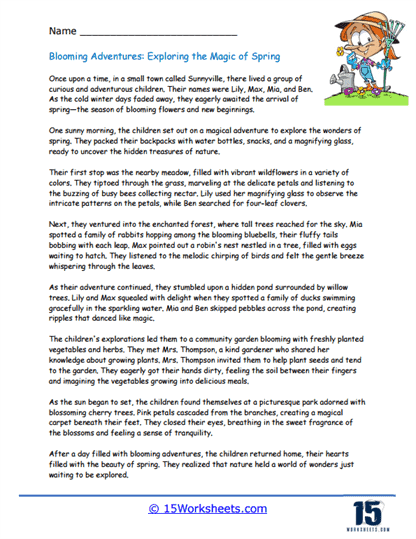
The Magic of New Beginnings: Observing Plant Growth
One of the most captivating aspects of spring is the resurgence of plant life. From the first brave crocuses pushing through the melting snow to the lush greening of trees and shrubs, observing plant growth is a fundamental kids science activity that unfolds daily. Children can witness firsthand how tiny buds swell and burst into leaves, how dormant branches suddenly burst forth with blossoms, and how seeds germinate into seedlings. This continuous process offers tangible evidence of life's resilience and the intricate cycles of nature.- Suggested Alt Text: A child observing a small green sprout emerging from the soil in a garden.
- Suggested Alt Text: A child looking up at a partly cloudy spring sky with a gentle breeze rustling the leaves.
- Butterflies: Many species of butterflies emerge in spring. Collecting caterpillars (with care and proper identification) and raising them to butterflies offers an unparalleled, up-close look at metamorphosis. This journey from egg to larva (caterpillar) to pupa (chrysalis) to adult butterfly is a classic life cycle lesson that never fails to amaze. You can even use spring coloring page and printables to label the stages or draw observations.
- Frogs: Ponds and puddles become nurseries for frogspawn and tadpoles. Watching tadpoles transform into frogs is a fascinating process that illustrates aquatic life cycles beautifully.
- Birds: Nesting birds are abundant in spring. Observing nests from a distance (without disturbing them) and watching parent birds feed their young provides insights into avian life cycles and parental care.
- Suggested Alt Text: A close-up image of a monarch butterfly emerging from its chrysalis.
- Seed Germination: Start seeds indoors or directly in a garden bed. Children can observe the initial swelling of the seed, the emergence of the root, and then the first shoot. Beans or peas are excellent choices for quick germination and visible growth.
- Flower Development: Watch a flower bud slowly open and bloom. Discuss the parts of a flower (petals, sepals, stamen, pistil) and their roles in reproduction.
- Fruit and Seed Formation: If you have access to fruit-bearing plants, observe how flowers transform into fruits, which then contain new seeds, completing the cycle.
- Suggested Alt Text: A sequence of images showing a bean seed germinating and growing into a small seedling.
- Create a Life Cycle Journal: Encourage children to draw, label, and write about the stages they observe.
- Build a Terrarium: A mini-ecosystem in a jar can demonstrate plant growth and decomposition in a controlled environment.
- Nature Table: Collect natural treasures like seeds, leaves, feathers, and empty cocoons. Arrange them to represent different life cycle stages.
- Role-Playing: Act out the stages of a butterfly or frog life cycle.
- Storytelling: Read books that illustrate various life cycles, then have children create their own stories.
- Something soft (moss)
- Something rough (tree bark)
- A new green leaf
- A budding flower
- A bird's feather
- The sound of a buzzing bee
- The smell of fresh earth
- Suggested Alt Text: A child holding a magnifying glass, examining a small flower during a nature walk.
- Sketches of different types of leaves and flowers.
- Records of weather changes and their effects.
- Detailed drawings of insects or birds observed.
- Notes on the progress of plant growth in your garden.
- Suggested Alt Text: An open nature journal with drawings of spring flowers and handwritten observations.
- Life Cycle Coloring Pages: Use printables that depict the stages of a butterfly, frog, or plant life cycle. Children can color them, cut them out, and arrange them in order.
- Nature Identification Sheets: Printables can include diagrams of local spring flowers, trees, or birds for children to identify and color as they find them.
- Nature Journal Prompts: Many printables offer prompts for journaling, drawing, or writing about spring observations.
- Scavenger Hunt Checklists: Ready-made checklists make planning outdoor learning adventures a breeze.
- Suggested Alt Text: A child coloring a printable sheet depicting a butterfly life cycle with crayons.
- Magnifying Glass: For examining tiny insects, intricate flower parts, or the texture of bark.
- Binoculars: To observe birds or distant animal activity without disturbing them.
- Nature Journal and Pencils/Crayons: For recording observations and artistic expressions.
- Field Guides: Simple guides for identifying local plants, birds, or insects.
- Small Net and Container: For safely observing insects or tadpoles temporarily before releasing them.
- Camera or Smartphone: To capture moments and details that can be studied later.
- Provide Structure: Offer guided activities and checklists for observations.
- Reinforce Learning: Visual aids like diagrams of animal life cycles or plant growth stages cement knowledge.
- Inspire Creativity: Coloring pages and drawing prompts encourage artistic expression related to nature.
- Save Time: Pre-made activity sheets and identification guides mean less prep work for parents.
- Be Flexible: Easily adapted for different age groups and learning styles.
- Suggested Alt Text: A collection of printed spring nature study worksheets, including a scavenger hunt and a plant life cycle diagram.
- Monday: Plant Growth Focus. Start a bean seed in a clear jar, observing initial germination. Take a walk to find budding trees and sketch them in your nature journal. Use a plant growth printable to label parts of a flower.
- Tuesday: Weather Watch. Observe and record today's weather changes. Discuss cloud types. Read a book about the water cycle. Try a cloud identification spring coloring page and printables.
- Wednesday: Insect Exploration. Head to a local park with magnifying glasses. Look for ants, ladybugs, or early bees. Focus on understanding the insect animal life cycles you might encounter.
- Thursday: Bird Study. Use binoculars to observe local birds. Listen to their calls. Try to identify them using a bird identification guide. Draw birds and their nests (from a distance) in your journal.
- Friday: Life Cycle Deep Dive. Review observations from the week. Work on a butterfly life cycle lessons project, perhaps using a craft or a detailed printable. Reflect on the interconnectedness of all the spring changes you've witnessed.

Witnessing Weather Changes Up Close
Spring also brings dynamic shifts in weather, offering fantastic opportunities to study atmospheric science. Sunny days can quickly give way to sudden rain showers, and the gentle breezes of early spring evolve into warmer, more consistent winds. These weather changes aren't just inconvenient; they are crucial components of the ecosystem, nourishing plants and influencing animal behaviors. Keeping a simple weather journal, noting temperature, cloud formations, and precipitation, can turn daily observations into valuable scientific data for your homeschool nature study.
Diving Deep into Life Cycles with Kids Science Activities
Understanding life cycles is a cornerstone of biological education, and spring provides a living laboratory for these life cycle lessons. Watching a creature or plant transform through its various stages offers a concrete understanding of growth, development, and interconnectedness. These hands-on observations make complex scientific concepts accessible and memorable for children.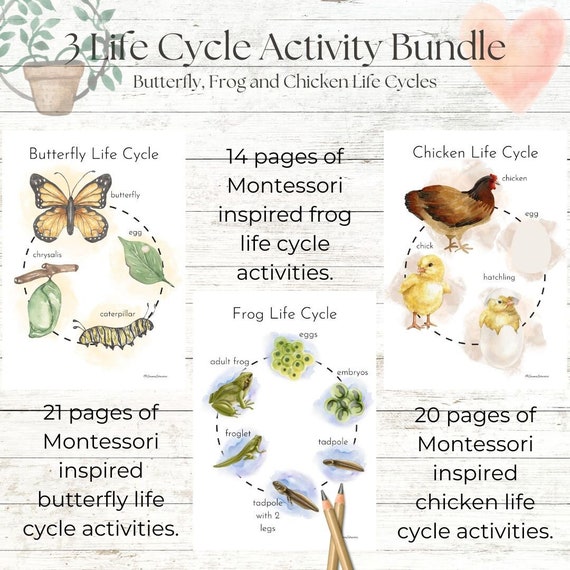
Exploring Animal Life Cycles: From Tadpoles to Butterflies
Spring is synonymous with new animal life. It's the season when eggs hatch, larvae emerge, and young animals begin their journey. Observing animal life cycles can be one of the most exciting kids science activities you undertake.Understanding Plant Life Cycles: Seed to Sprout
Just as animals undergo transformations, plants have their own intricate life cycles. From a tiny seed to a mature plant that produces new seeds, this cycle is fundamental to understanding our ecosystem. Engaging in plant growth activities is a hands-on way to teach these concepts.Engaging Life Cycle Lessons Through Hands-On Exploration
Beyond simple observation, active engagement is key. Here are some ideas:Maximizing Outdoor Learning with Engaging Activities
Outdoor learning is not just about being outside; it's about intentionally using the outdoor environment as a teaching tool. Spring offers unparalleled opportunities to integrate movement, sensory experiences, and direct observation into your homeschool nature study.Nature Scavenger Hunts and Sensory Walks
Turn a simple walk into an exciting quest! Create a list of spring-themed items for your children to find, touch, smell, or hear. This could include:These kids science activities sharpen observational skills and engage multiple senses, making the learning experience richer and more memorable.
Starting a Spring Nature Journal
A nature journal is an indispensable tool for homeschool nature study. It encourages children to slow down, observe closely, and record their findings through drawings, scientific labels, and written descriptions. In spring, a nature journal can be filled with:This practice not only develops scientific recording skills but also enhances artistic expression and serves as a wonderful keepsake of their learning journey. For more inspiration on nature journaling, consider exploring resources like The Handbook of Nature Study for classic ideas.
Incorporating Art: Spring Coloring Page and Printables
Art and science are natural partners, especially in homeschool nature study. Spring coloring page and printables offer a fantastic way to reinforce learning, develop fine motor skills, and provide a creative outlet.These resources are not just fun; they act as a gentle review and a tangible record of what has been learned, making complex life cycle lessons more accessible.
Essential Tools for Your Spring Nature Study
Equipping your young naturalists with the right tools can significantly enhance their outdoor learning experiences. You don't need a lot, but a few key items can make a big difference:The Power of Printables: Enhancing Your Homeschool Nature Study
In today's digital age, spring coloring page and printables have become invaluable assets for homeschool nature study. They bridge the gap between abstract concepts and concrete understanding. They can:These resources are particularly helpful for life cycle lessons, allowing children to visualize the stages of transformation in a clear, engaging format.
Bringing It All Together: A Sample Spring Nature Study Week
To illustrate how seamlessly these elements can integrate into your homeschool nature study, here's a peek at a potential week of outdoor learning and kids science activities:This structured yet flexible approach ensures that your children gain a comprehensive understanding of spring's wonders while engaging in fun, hands-on activities.
Embrace the Wonders of Spring with Your Homeschoolers!
Spring is a season of profound beauty and unparalleled educational opportunities. By embracing homeschool nature study, you're not just teaching science; you're cultivating a deep appreciation for the natural world, fostering critical thinking, and creating cherished family memories. From observing intricate animal life cycles to marveling at plant growth and tracking daily weather changes, every outdoor adventure becomes a captivating kids science activity.The beauty of spring nature study lies in its simplicity and accessibility. You don't need elaborate equipment or a sprawling wilderness. A patch of grass, a few potted plants, or a local park can become your classroom, brimming with life cycle lessons and endless discoveries. And with the added benefit of spring coloring page and printables, you can effortlessly enhance your learning, making it structured, engaging, and incredibly fun.
Ready to embark on an unforgettable spring adventure with your children?
Click here to download your free spring nature study printables today! These resources are designed to jumpstart your outdoor learning and bring the magic of spring's life cycle lessons right to your fingertips. Happy exploring!


0 Comments